jueves, 17 de mayo de 2018

Sunset’s Cover Story on Succulents Amazing tips

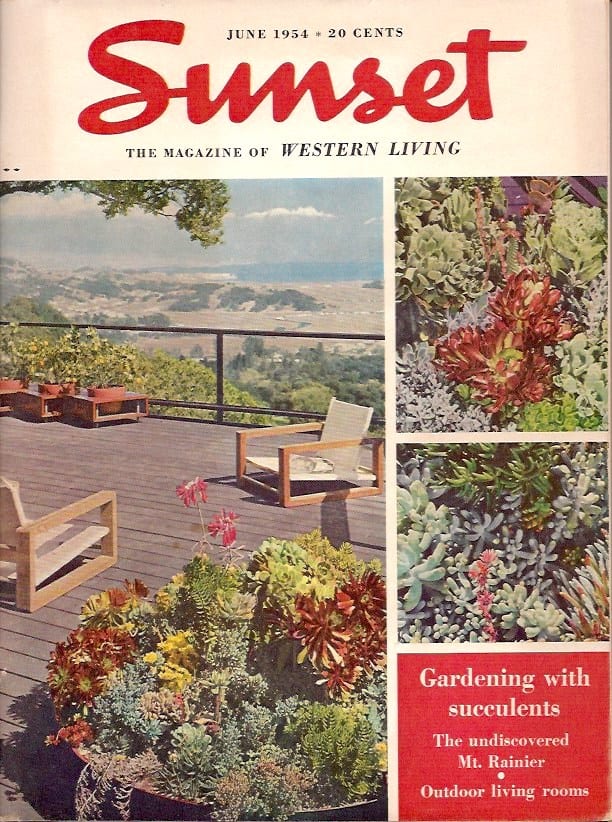
“Once in the ’90s and again in the late ’20s, gardeners have turned to succulents with an intensity amounting to a craze. Now they are coming back into favor again, and this time it looks like something more than a temporary infatuation.” — Sunset magazine, June, 1954.

A half-century ago, each hefty, half-inch-thick issue of Sunset magazine cost 20 cents and offered hours of useful, entertaining reading about gardening, food and travel. My parents subscribed and by 1960, succulents surrounded our Southern CA ranch home. I’ve always assumed it was because cuttings were free for the asking, and my father didn’t want to water the garden more than absolutely necessary.
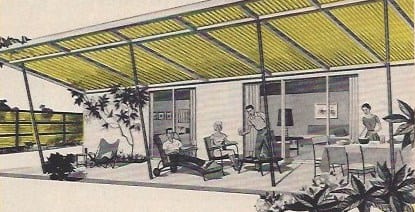
An ad for Fiberglas awnings, from the magazine

But is it possible that my parents were onto…a trend? Well, no. The six-page cover story is mostly about container gardens for “the outdoor living areas of the Western house: its patios, lanais, decks, and paved areas…And if ever a plant was made for a pot, it’s the succulent.” Containers didn’t appear on my folks’ patio until the ’70s. With geraniums.

The succulent article’s 25 photos are B&W except for those shown on the cover. In 4,000 words, the story gives an overview of succulents and their care, design ideas, and a “beginner’s collection” of about 50 varieties. Most are still fairly common, but Euphorbia valida is now E. meloformis; Gasteria maculata is now G. bicolor; and Cotyledon hemisphaerica is Adromischus hemisphaericus.

Mentioned in the article but nearly unknown today are Echeveria rosea grandis and Sedum amecamecanum. “Do you mean Sedum americanum?” Google asked. Uh, not unless Sunset made one whopping typo. What I learned about this unpronounceable sedum is that it has “fragile leaves”—doubtless why it’s not in demand.
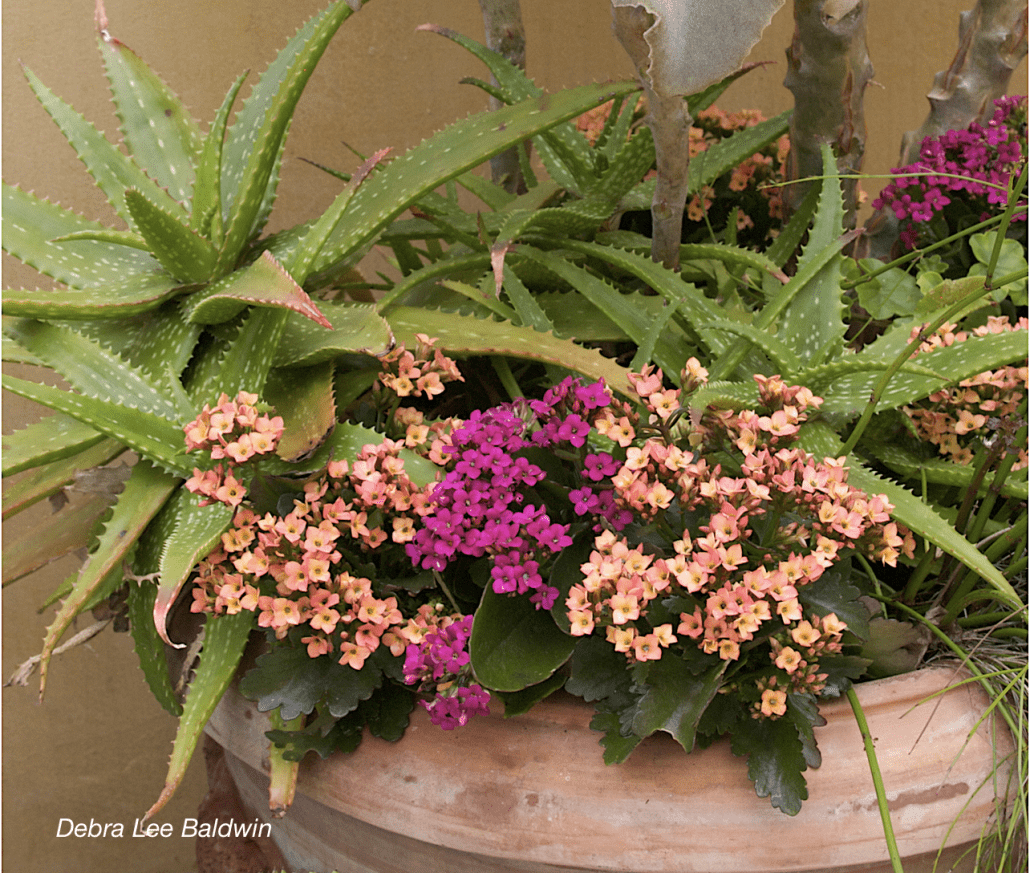
“Kalanchoe flammea” in the article sure looks like Kalanchoe blossfeldiana. Don’t you wish it still had its earlier, more descriptive name?
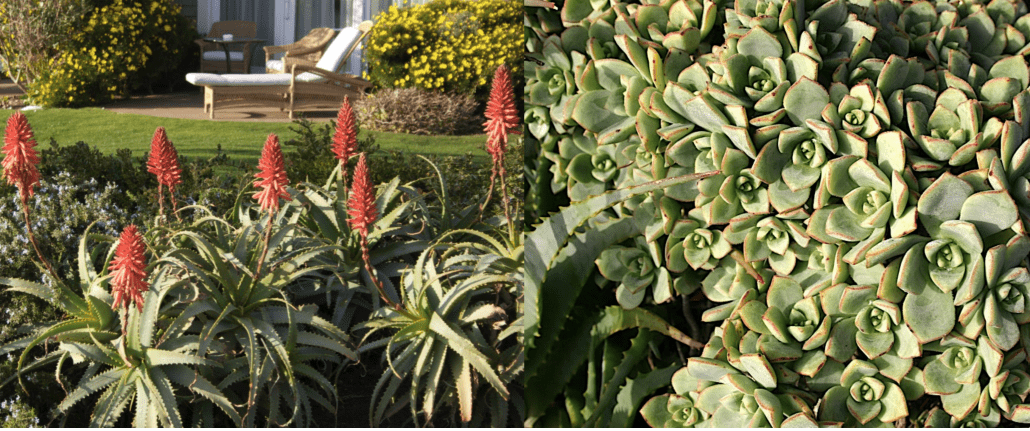
Aloe arborescens (left), Aeonium haworthii (right)

The jade, aeoniums, aloes, ice plants and cacti in my parents’ garden were not necessarily those in the magazine—they grew Aloe arborescens and  Aeonium haworthii, for example. Perhaps even back then these were common passalong plants, not sold in nurseries.
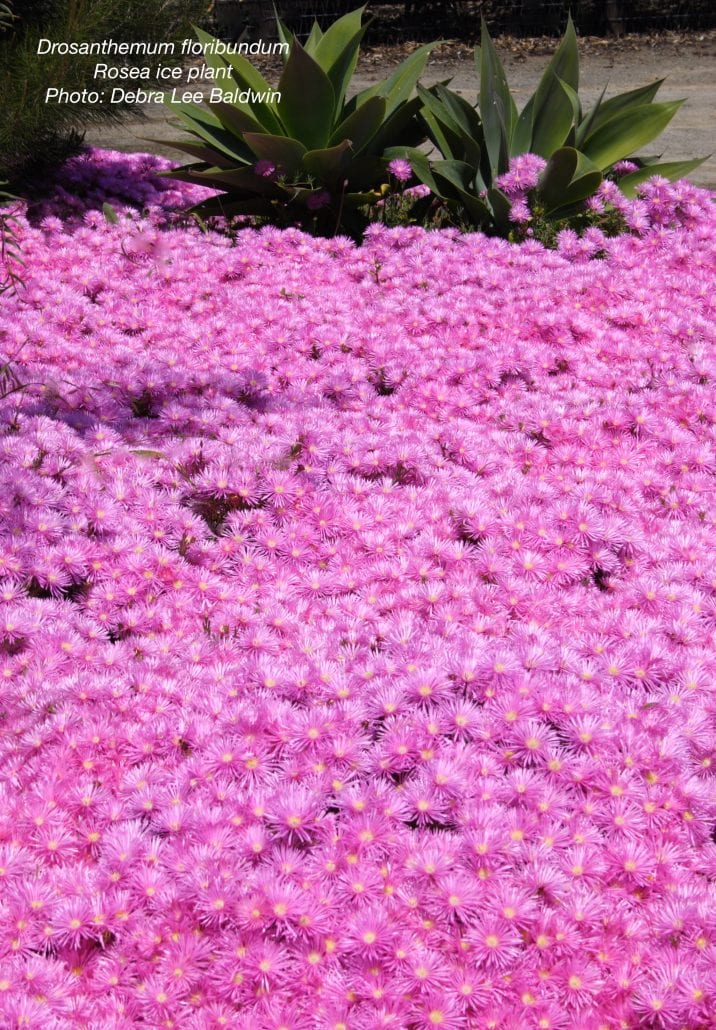
Although it’s shown in the article, perhaps Sunset shouldn’t have bothered. The defining characteristic of Drosanthemum floribundum is lost in black and white.

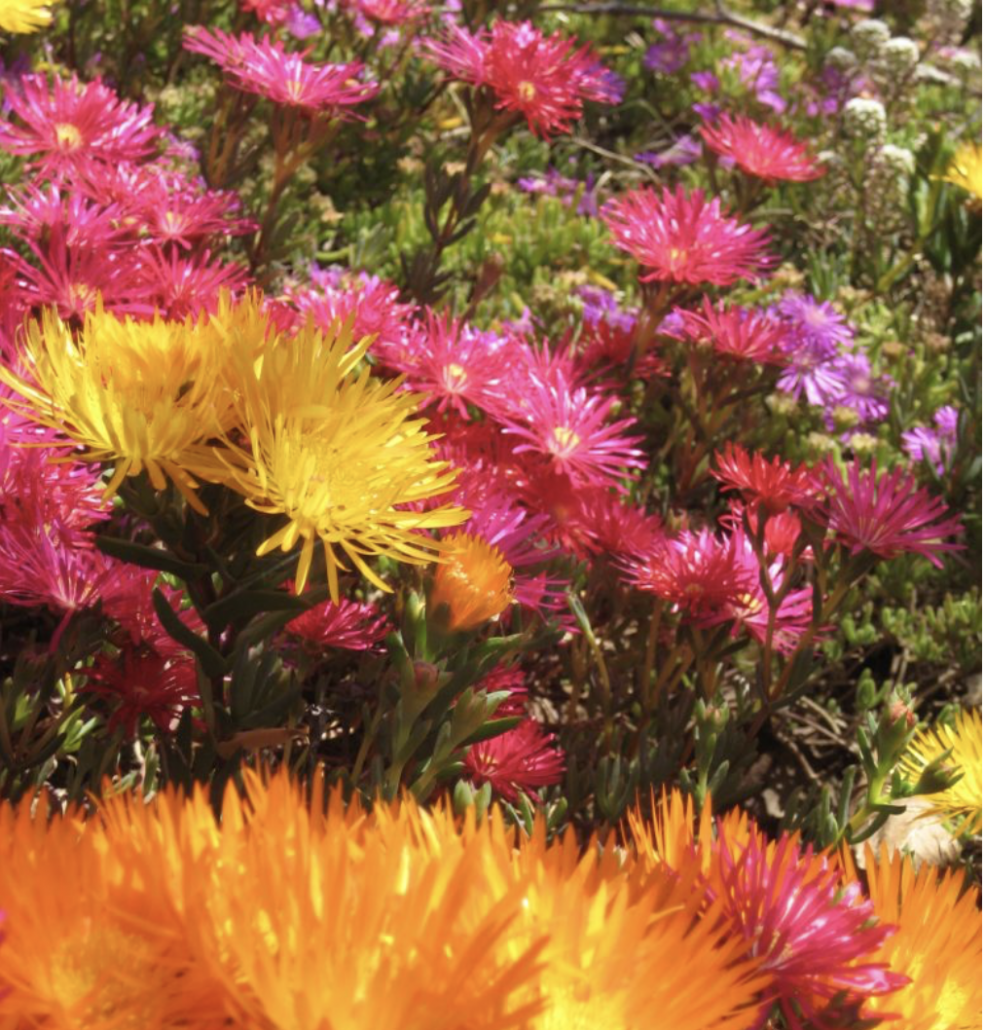
As a little girl, I was proud to pronounce the name of searing pink ice plant: “mesembryanthemum.” And I would be still, except it’s drosanthemum.

Special thanks to friend, colleague, and retired Sunset Senior Garden Editor Kathy Brenzel for presenting me with the 54-year-old issue. In case you’re wondering, all its content is copyrighted, so apart from short excerpts, I need permission to share it.  And I can’t link to it because it’s not online.

Related info on this site:
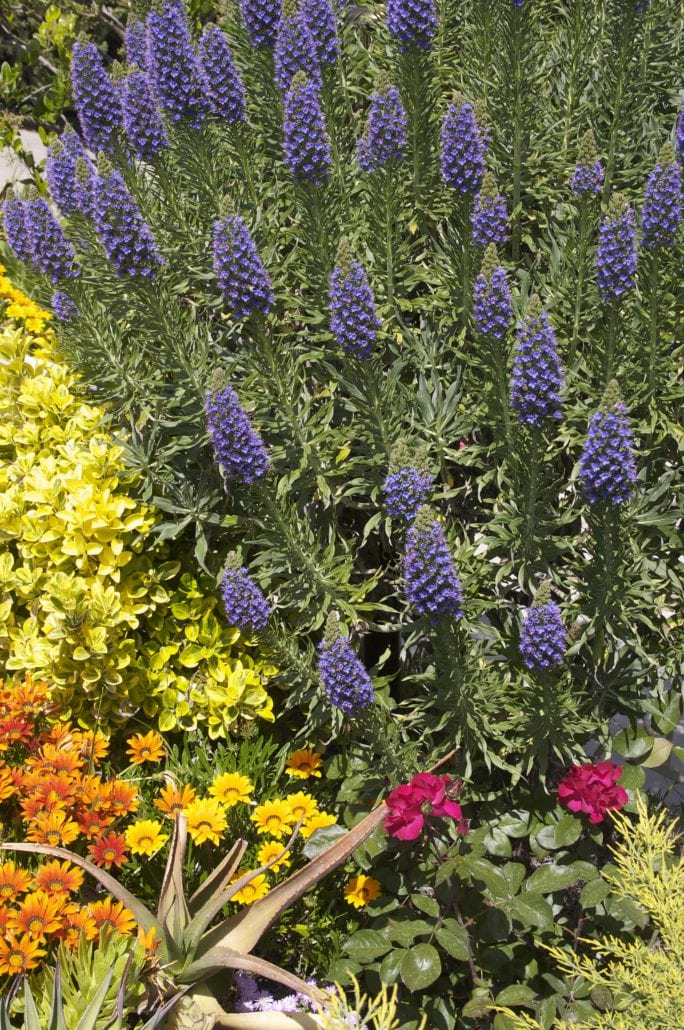
Certain low-water annuals and perennials are my “nostalgia plants” because they remind me of…[Continue reading]
…As for ice plant, don’t plant just one variety. Combine several—not curbside, though, lest they cause an accident… [Read more]

The post Sunset’s Cover Story on Succulents appeared first on Succulents and Succulent Garden Design | Debra Lee Baldwin.


from Succulents and Succulent Garden Design | Debra Lee Baldwin https://ift.tt/2L8KTBe
via IFTTT

jueves, 10 de mayo de 2018

Megan Boone’s Vintage Succulent Containers Amazing tips

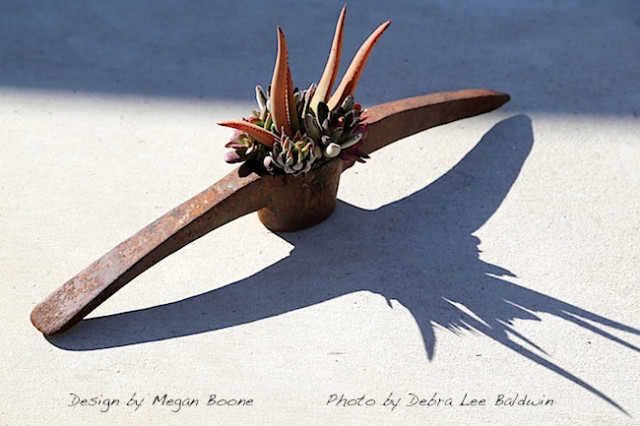
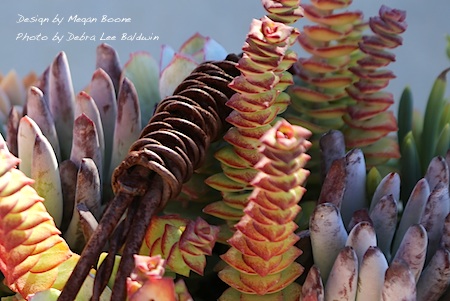
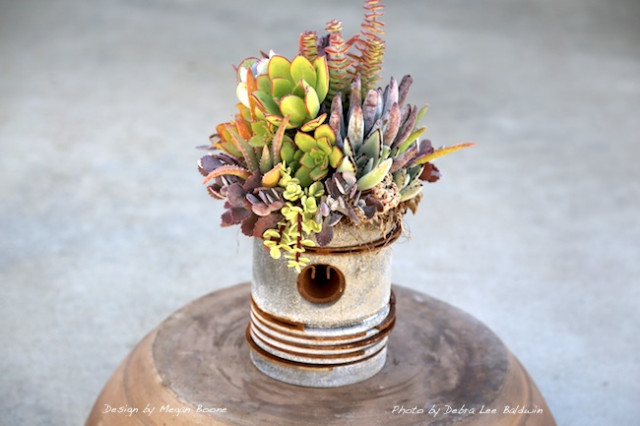
IMG_3996_annotated_resizedMegan Boone of Nature Containers Vintage Garden Art designs in three dimensions, using cast-off objects to showcase succulents and vice-versa. As exemplified by the pick above, Megan brings elegance and whimsy to her artistry by reinterpreting the forms and lines of utilitarian objects. I love how the aloe perfectly repeats the shape and color of the rusty metal, and also emphasizes its arc.
IMG_3974_annotated_resized

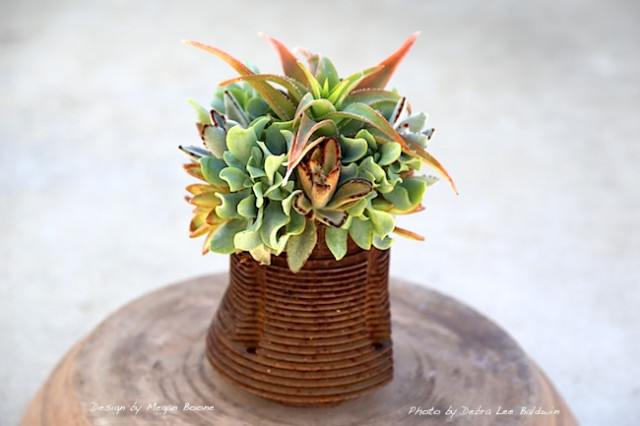
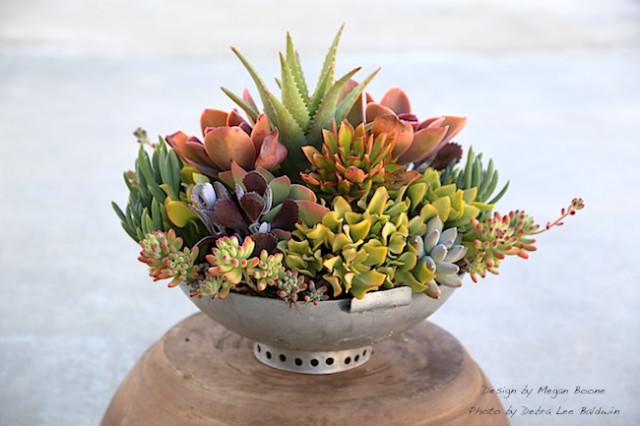
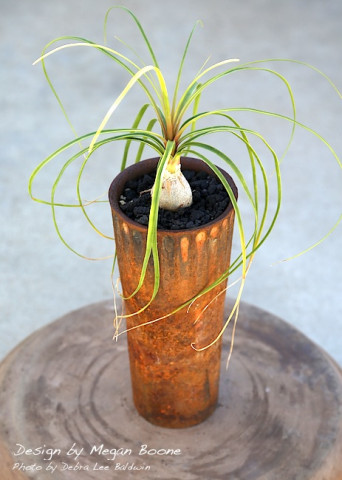
The Temecula, CA, artist has teamed up with nearby Water Wise Yard Design & Decor to enhance their outdoor showroom with one-of-a-kind container gardens.  Those shown here are just a sample; Megan’s continually coming up with something new made from something old.

IMG_4020_annotated-resized
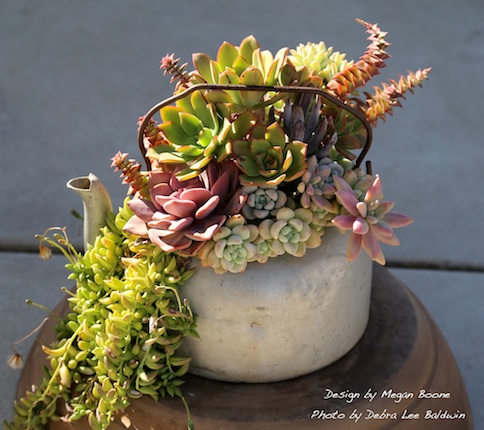
Megan told me that her choice of stacked crassulas (Crassula perforata, above) coincidentally echoed the wire basket handle. Perhaps, but talented designers often do things subliminally.

IMG_3990_annotated_resized

Hm. What ARE these containers? They look familiar but I can’t quite place them.

IMG_3968_annotated_resized

IMG_3978_annotated_resized

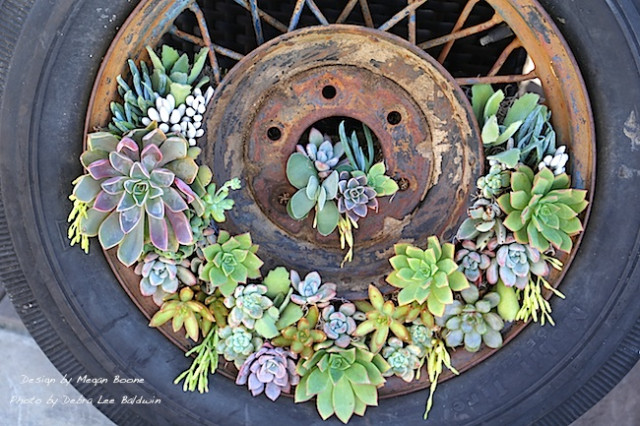
Doesn’t the wheel below suggest a succulent wreath? Note the texture of the metal and how Megan left some of it unplanted to show the criss-cross pattern.

IMG_4000_annotated_resized

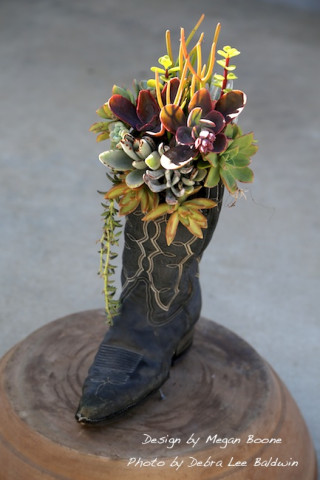
I’m not normally a fan of shoes planted with succulents, but the boot below spoke to me. The lines, proportions and colors really work.

IMG_3976_annotated_resized

Love this planted teakettle, too. The crassulas suggest steam; the senecio, flowing water.

IMG_4016_annotated_resized

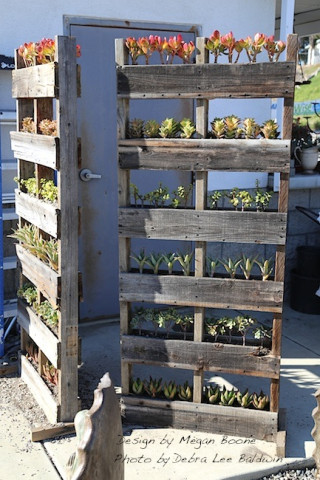
Wouldn’t the wood palettes below and the planted window frame make great vertical accents for a garden or patio? They could also serve as privacy screens.IMG_3915annotated_resized


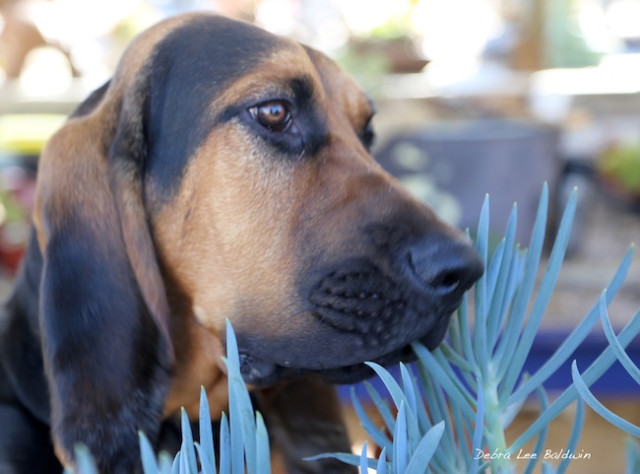
I couldn’t resist showing you Leroy, Megan’s bloodhound. The velvet-eared puppy hangs out with her at work, regarding her with soulful eyes. Clearly Leroy knows that his coppery coat contrasts beautifully with Senecio mandraliscae. Perhaps he’s her muse.

IMG_3961_annotated_resized

View more of Megan Boone’s designs on her Facebook page.

The post Megan Boone’s Vintage Succulent Containers appeared first on Succulents and Succulent Garden Design | Debra Lee Baldwin.


from Succulents and Succulent Garden Design | Debra Lee Baldwin https://ift.tt/2IbxUNh
via IFTTT

lunes, 30 de abril de 2018

Hot Colors at Rancho La Puerta Health and Fitness Spa Amazing tips

Rancho La Puerta health and fitness spa in Tecate, Baja California, is across the Mexican border east of San Diego, making it a great getaway within driving distance. Amid the lush landscaping are guest casitas (bungalows), gyms, library, gift shop, dining hall, and more. The Ranch is famous for gardens that offer a wonderfully immersive experience. Ornamentals include Mediterranean plants such as rosemary, Australian trees (melaleucas), native oaks and palms, and succulents large and small. Many are minimally watered (or not at all) and thrive in the region’s arid climate. Below are favorite photos from a recent visit. Bienvenidos al Rancho!

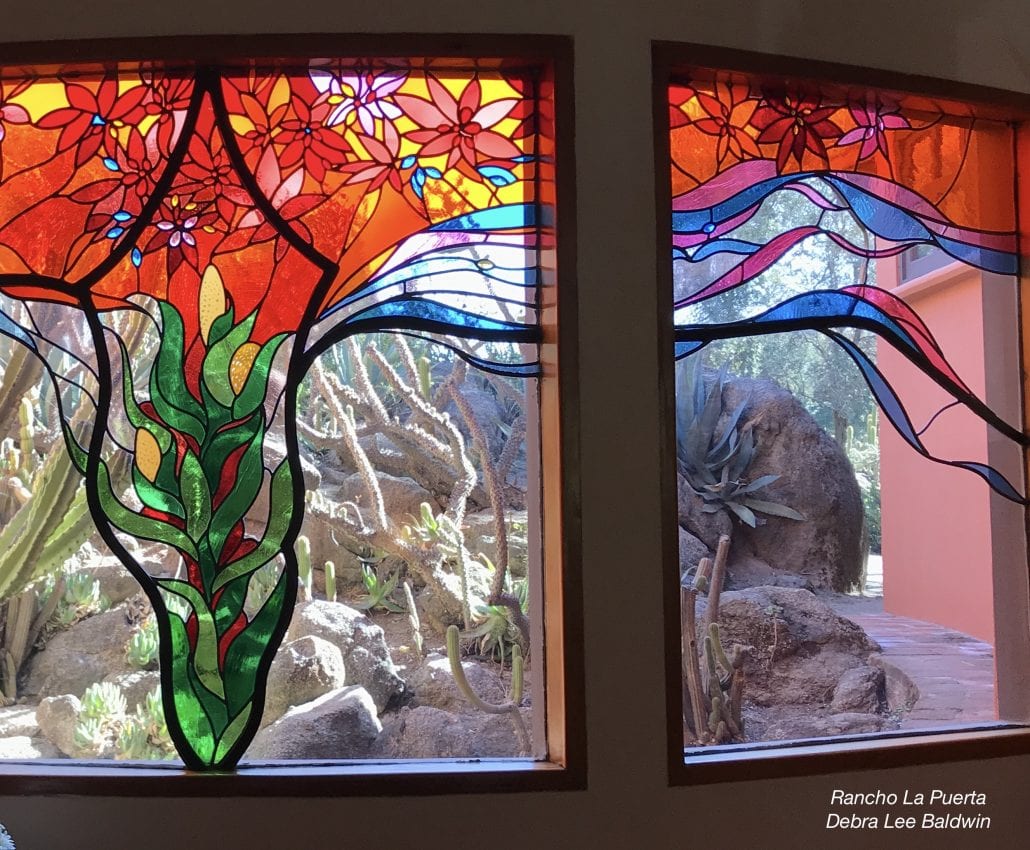
The lobby’s stained glass windows by famed Julian artist/sculptor James Hubbell overlook a cactus-and-agave boulder garden.

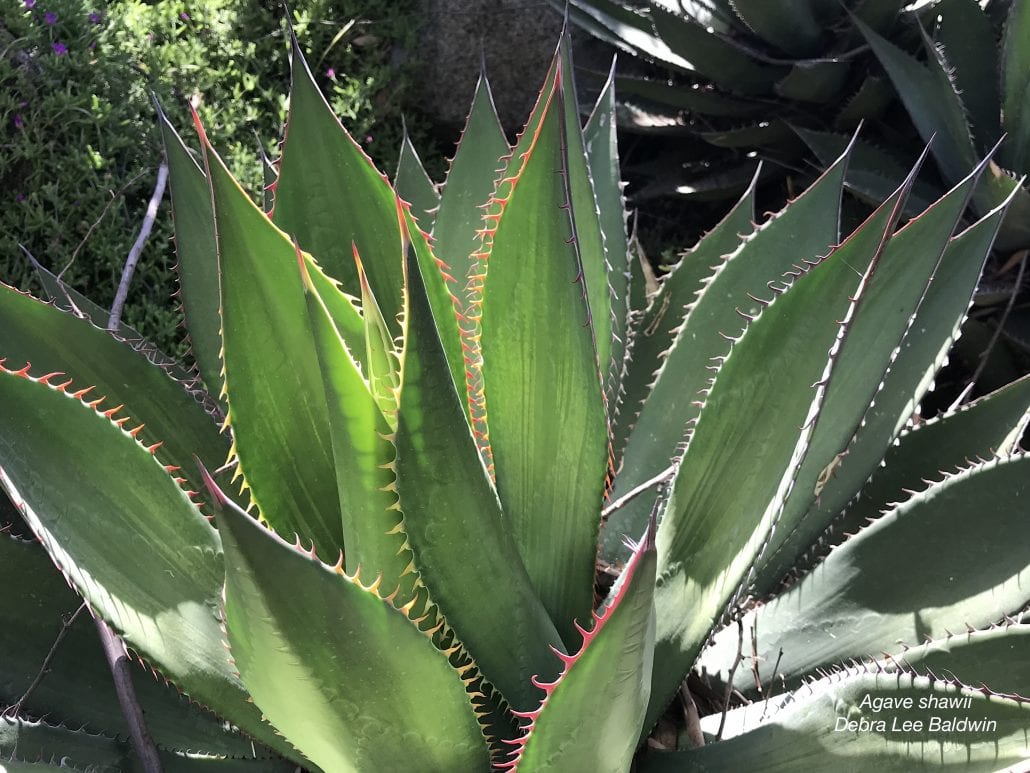
Agave shawii (Shaw’s agave) is native to the Baja peninsula. When backlit, teeth along leaf margins glow shades of yellow, orange and red.

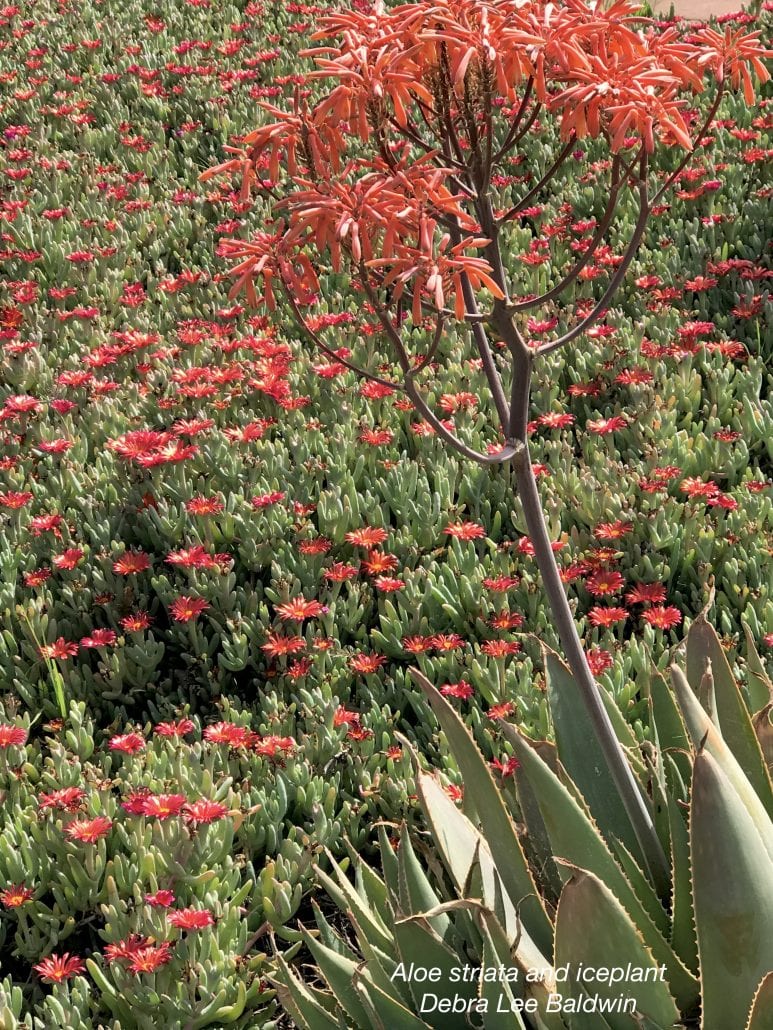
One reason I visited in late April was to see the Aloe striata (coral aloes) in bloom. Here they’re beautifully juxtaposed with a similarly colored ice plant.

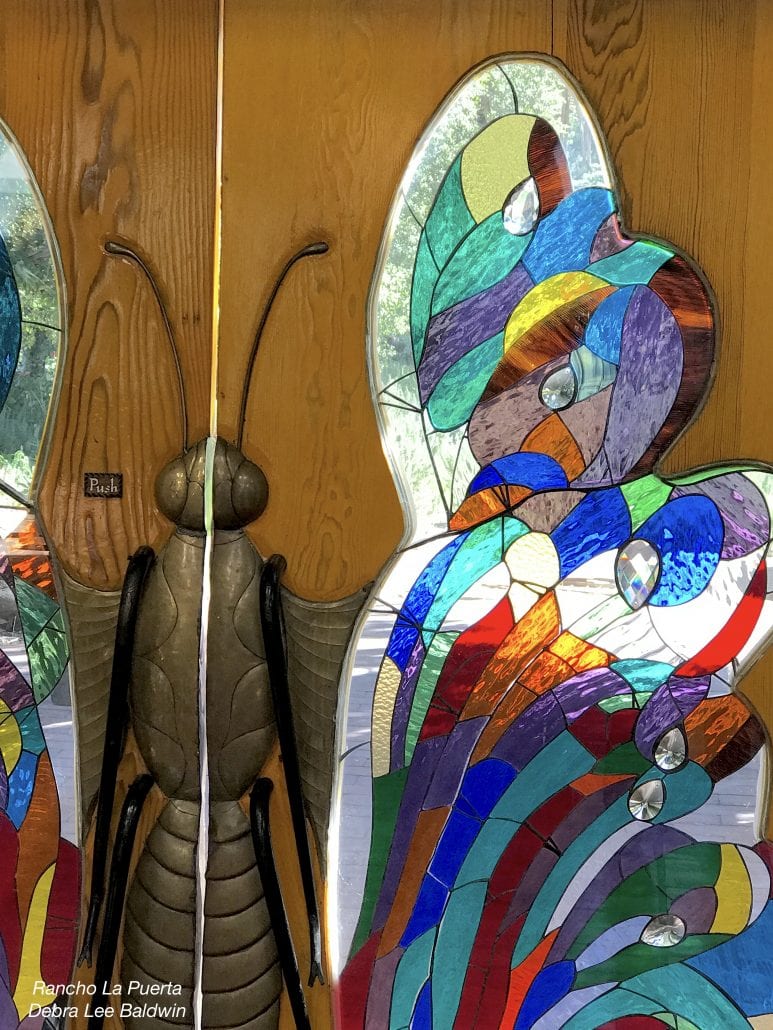
The door of the art studio incorporates a stained-glass-and-brass butterfly.

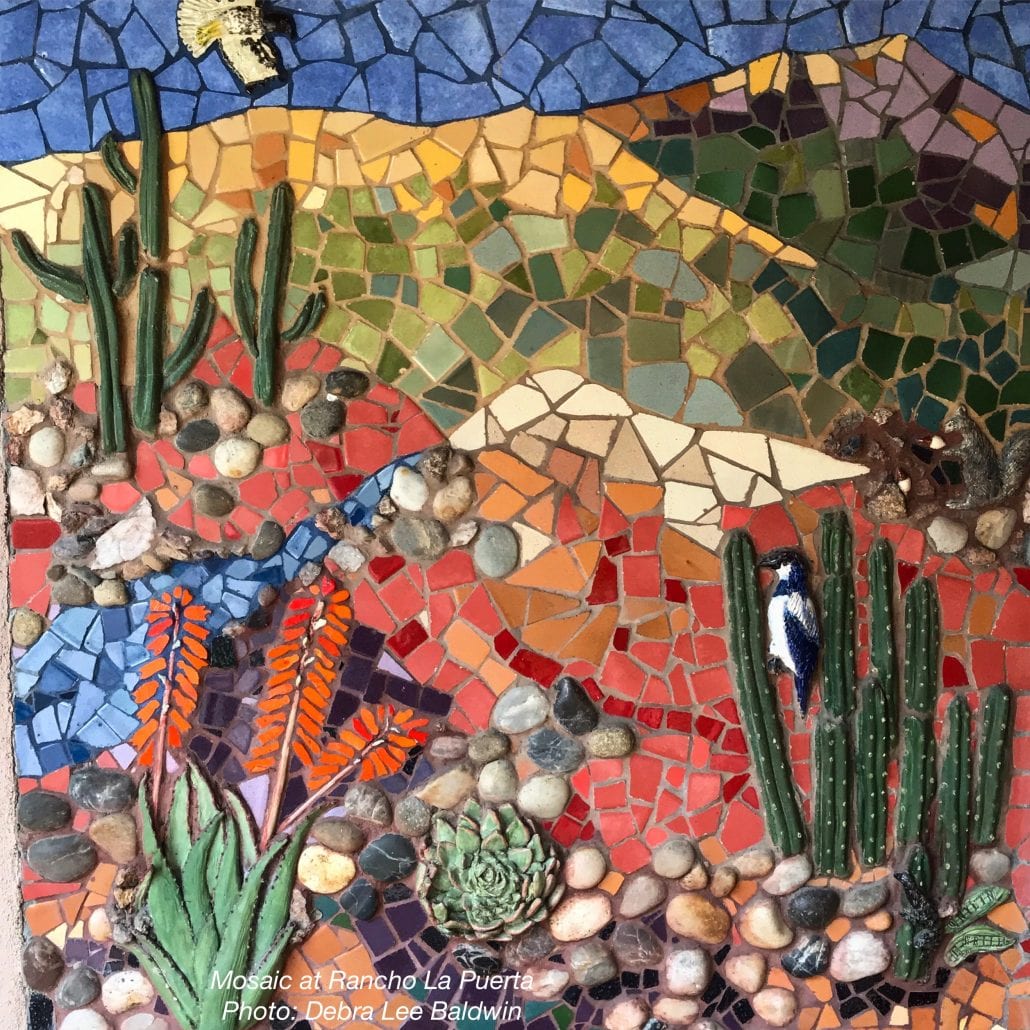
A mosaic by Linda Weill and Tilly Nylin, near the concierge offices, incorporates cacti and succulents. That’s a scrub jay at lower right.

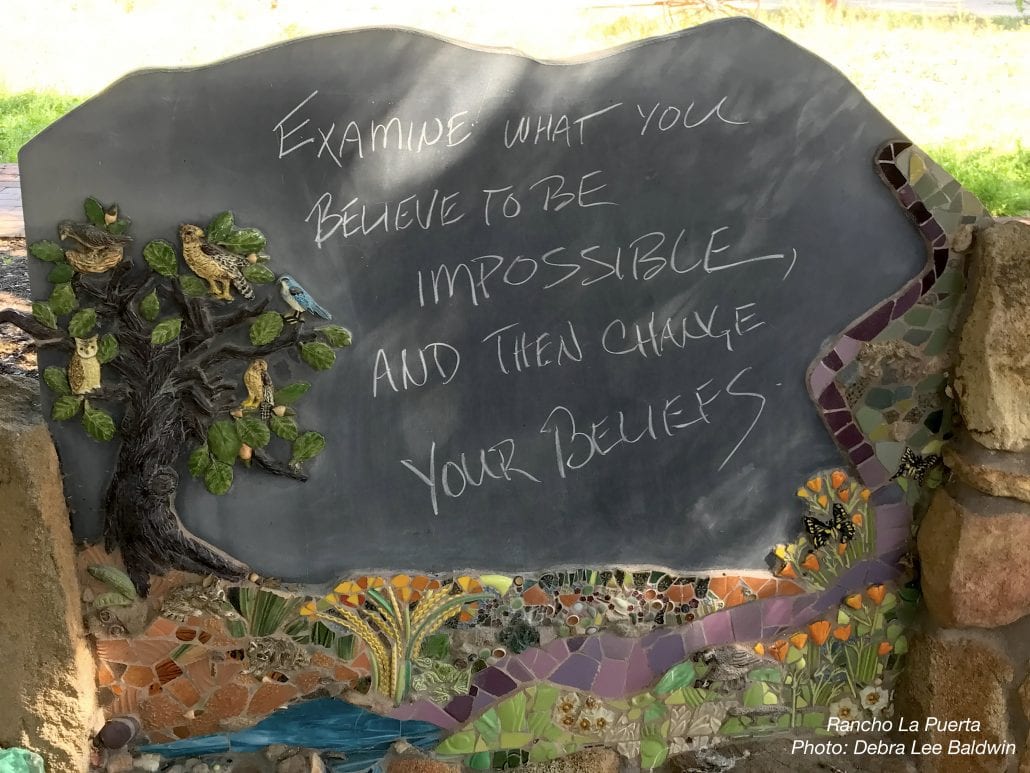
Another mosaic holds a blackboard with daily inspirational sayings. Its top echoes the outline of mountains beyond.

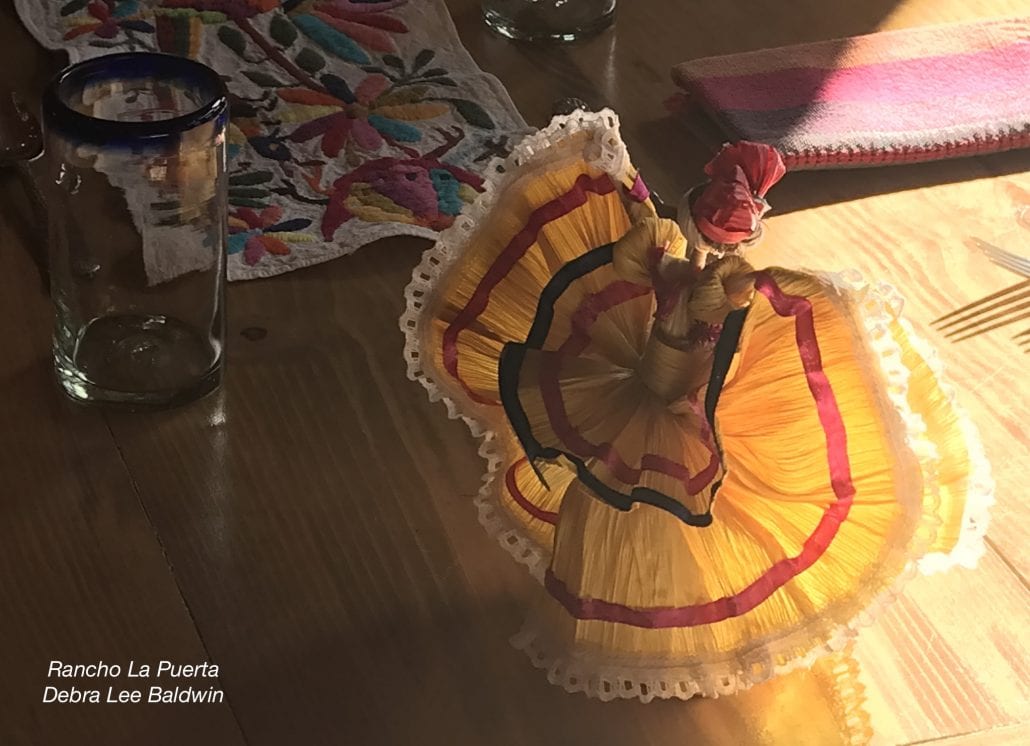
At La Cocina Que Canta (the Kitchen that Sings), dining tables are decorated with Mexican textiles and folk art.

Want to see more? Be sure to watch my five-minute YouTube video, “The Succulents of Rancho La Puerta.”

Related Info on this site:


The post Hot Colors at Rancho La Puerta Health and Fitness Spa appeared first on Succulents and Succulent Garden Design | Debra Lee Baldwin.


from Succulents and Succulent Garden Design | Debra Lee Baldwin https://ift.tt/2HGHhnK
via IFTTT

miércoles, 25 de abril de 2018

Meet Debra Lee Baldwin: San Diego Voyager Interview Amazing tips

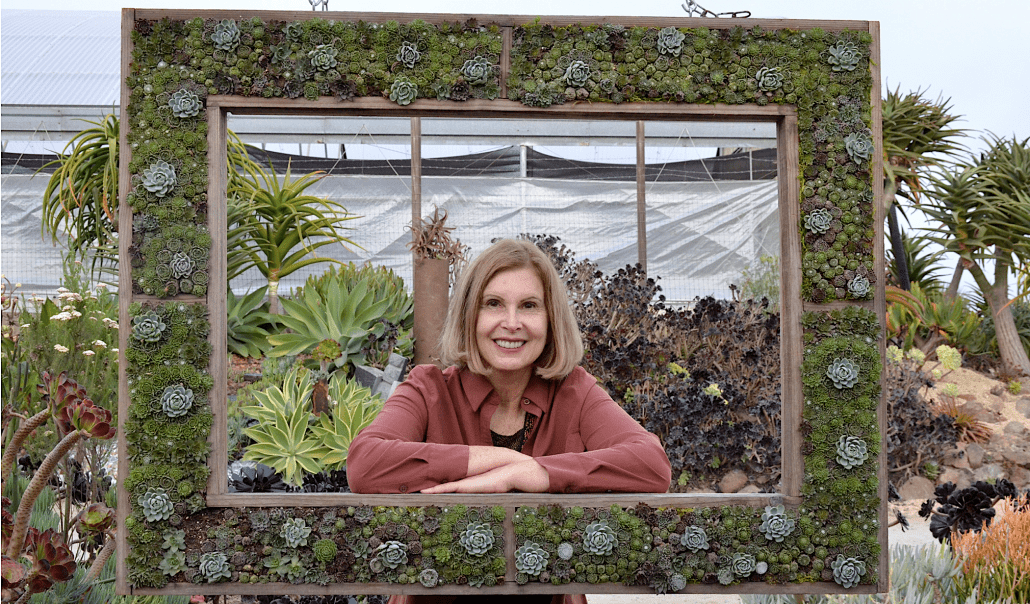
Meet Debra Lee Baldwin, author, Designing with Succulents

Today we’d like to introduce you to Debra Lee Baldwin.

Thanks for sharing your story with us Debra. So, let’s start at the beginning. Where did you grow up?
I grew up on an avocado ranch in south Escondido on a hilltop overlooking San Pasqual Valley. As a child, I helped my father tend the hillside garden surrounding our home. Whenever I smell ripe plums or wet cement, I’m back in that garden. He explained fascinating things, like why nasturtium leaves repel water, what black-and-orange tarantula wasps are up to, and how to grow long-stemmed roses.

He also grew many succulents because cuttings were free from friends, and succulents need much less water than other ornamental plants. But I didn’t see these fleshy-leaved, water-storing plants as special. For one thing, there were not nearly as many varieties available then as now.

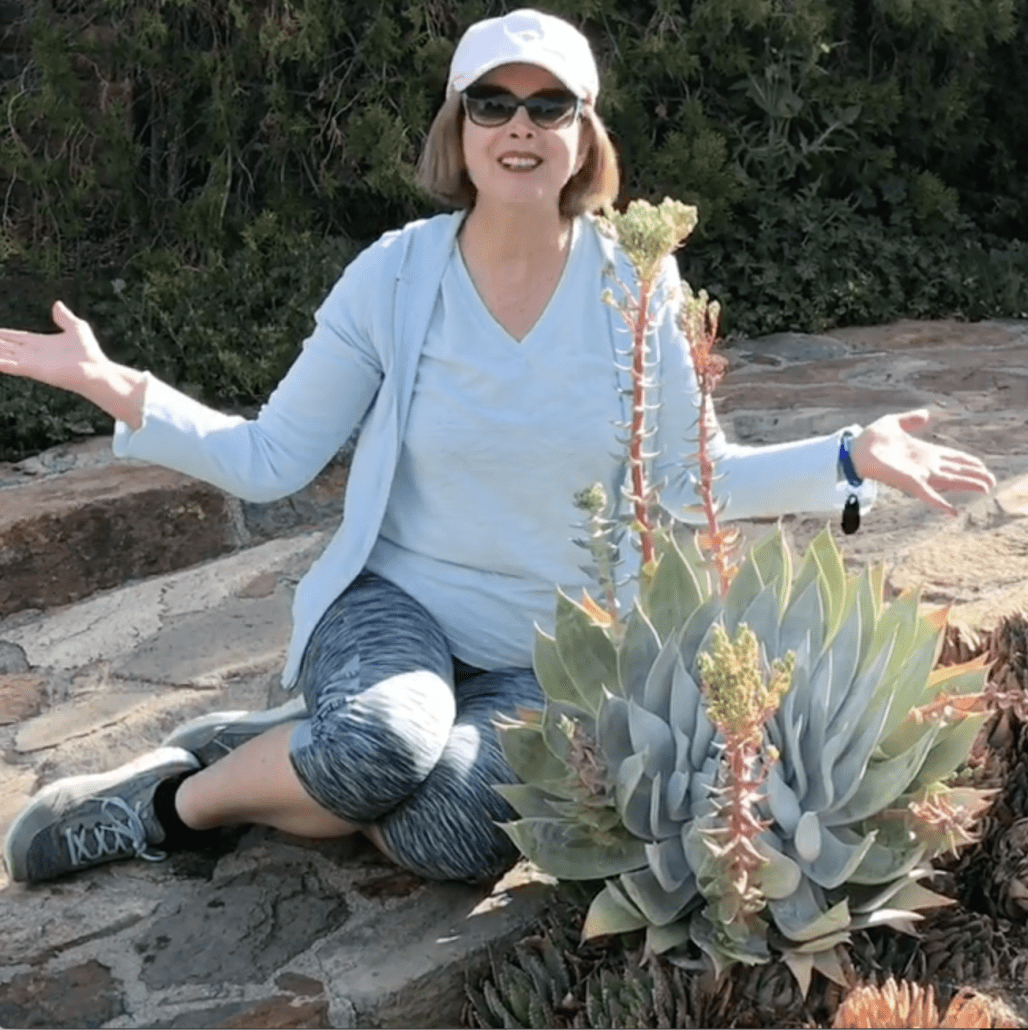
I fell in love with succulents while photographing cacti, aloes, agave and other varieties as a scout for Sunset Magazine, because of the plants’ sculptural geometry. I transformed my own hard-to-garden yard with these resilient plants, and through books, public speaking, YouTube videos, social media, and articles online and in print, I now advise others how to cultivate low-water landscapes with “plants that drink responsibly.”

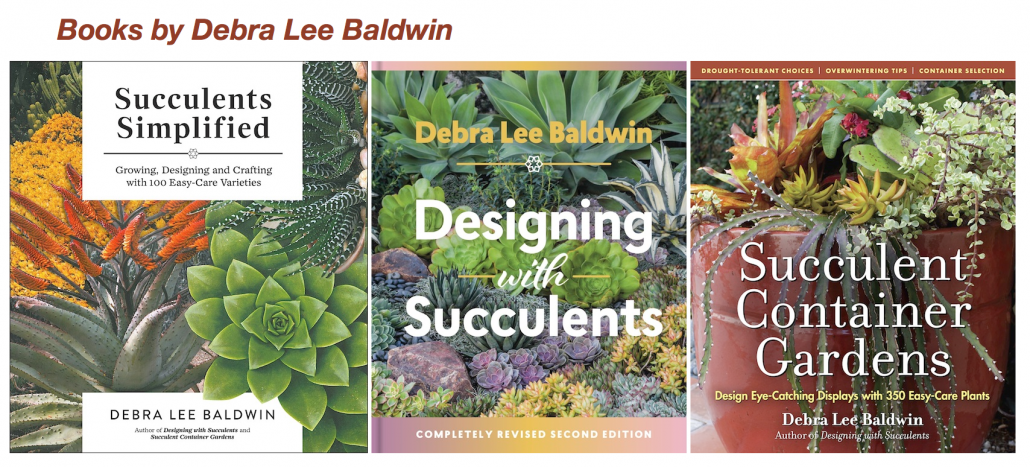
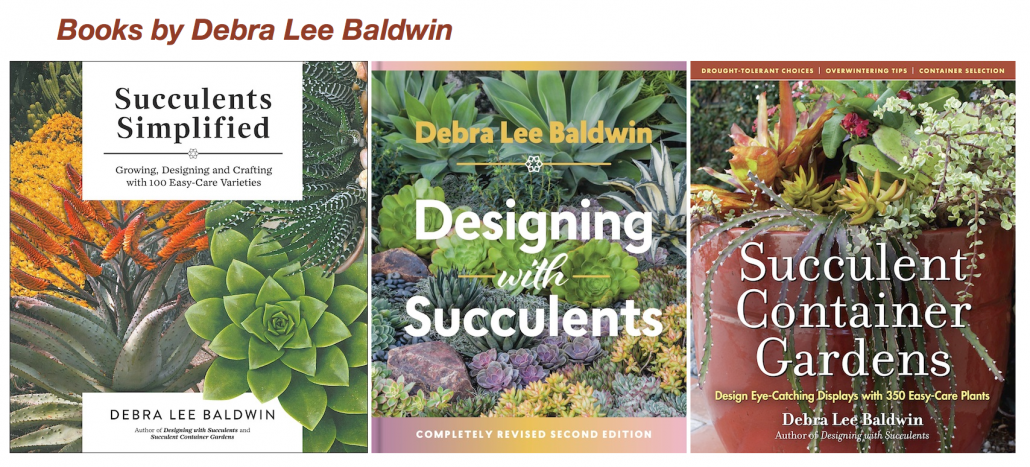
My three bestselling books are Designing with Succulents, Succulent Container Gardens and Succulents Simplified, all from the nation’s leading publisher of gardening books, Timber Press.

ACHIEVEMENTS:
— Author of the Timber Press bestsellers Designing with Succulents, Succulent Container Gardens and Succulents Simplified.
— Magazine contributor to Sunset, Better Homes & Gardens, Garden Design and more.
— Succulent expert quoted by the Associated Press, Huffington Post, Bloomberg News, KPBS TV, Garden America, Garden Design, and others.
— Producer of 100+ YouTube videos with over 3,000,000 views.
— Presenter at venues that include Epcot Center; the Cactus and Succulent Society of America convention; flower-and-garden shows in Philadelphia, Seattle and San Francisco; and botanical gardens, universities and horticultural groups nationwide.
— Profiled in Garden Design as the publication’s Spring, 2016 “Ground Breaker.”
— Instructor at Craftsy, the leading online purveyor of how-to videos in the US. Debra’s popular 7-lesson class is “Stunning Succulent Arrangements.”

AWARDS:
— Literary: Nineteen first-place awards from the Garden Writers Association of America, the Society of Professional Journalists and Authors, and the San Diego Press Club.
— Lifetime achievement: San Diego Horticultural Society “2017 Horticulturist of the Year.”

Has it been a smooth road?
I was a single mom when my son was ages 7 to 11. That instilled in me the desire to make a living at what I’m good at and love doing. It wasn’t easy, but it was essential to developing the person I was meant to be.

From 2000 to 2010 I suffered from a chemical imbalance that caused an anxiety disorder. I didn’t take medication because of the side effects. So to avoid being miserable, I stayed focused on the present moment via research, writing and photography. The result was a book that launched a worldwide gardening trend: Designing with Succulents (Timber Press, 2007). My therapist at the time told me, “You’re the highest achieving person with an anxiety disorder that I’ve ever seen.” I’m fortunate that I was able to handle it in a positive and productive way.

So let’s switch gears a bit and go into the Debra Lee Baldwin story. Tell us more about the business.
I’m proud and honored to have played a unique role in the history of horticulture and landscape design and to have been able to develop my skills in creative ways that help others, not only to use yards more sensibly, but also to enjoy them more fully.

You might describe me as an award-winning garden photojournalist who launched worldwide interest in succulents in 2007 with her first book, Designing with Succulents. I’m widely known as the “Queen of Succulents.” I’m especially proud of the book’s completely revised and updated second edition, released in 2017.

My mission is to increase awareness and appreciation of “plants that drink responsibly” through my books, articles, photos, videos, social media and more. During my 25-year career as a garden communicator, I have discovered and shared cutting-edge design ideas and interviewed renowned experts. To an ever-increasing fan base, I present information with the goal of “entertaining and enlightening in equal measure.”

How do you think the industry will change over the next decade?
It’s becoming politically incorrect to have a water-thirsty front yard and a lawn that isn’t used for anything but greenery. Yards are subject to fashion just like clothing, and furniture, and now we’re seeing more and more succulent landscapes replacing the turf.

But succulent gardens are not always done well. There’s a learning curve, and doubtless we’ll see smarter plant choices as homeowners and landscapers gain knowledge. For example, century plants (Agave americana) may be free for the asking, but they’re a poor choice unless you have a lot of land. All too often people put these plants, when small, alongside their driveways or in curb strips, little realizing that century plants eventually get as big as Volkswagens, and are extremely difficult to remove. Not only are they huge and heavy, the plants have sharply toothed, inflexible leaves. But this isn’t to say you shouldn’t plant agaves. There are numerous other kinds that make excellent garden plants.

I think we’ll see the trend toward low-water plants arrive at its inevitable conclusion: cactus. All cacti are succulents, but people haven’t wanted cacti in their gardens. That’s changing. The plants are supremely low-water—they get by on rainfall alone—and are beautiful when backlit. (Spines of many varieties are translucent and glow when low sun illuminates them.) Again, there’s a learning curve. People have yet to learn which cacti to stay away from because they’re too treacherous and to realize that there exist wonderful spineless varieties.

Contact Info:

The post Meet Debra Lee Baldwin: San Diego Voyager Interview appeared first on Succulents and Succulent Garden Design | Debra Lee Baldwin.


from Succulents and Succulent Garden Design | Debra Lee Baldwin https://ift.tt/2Jmq1EP
via IFTTT

lunes, 23 de abril de 2018

Ten Top Trends for Succulent Plants, Gardens and Design Amazing tips

Apr. 24, 2018 ~ If it seems that succulents are moving at warp speed in the world of gardens, nurseries and designers, they are. And as a journalist, I’m ON it. My predictions for succulent plants, gardens and design will help you stay on top of trends and maybe even make money from the plants you love.

Btw, I wrote this before all those native dudleyas were taken from Northern CA by tourists from overseas. Shocking. Goes to show how a little-known genus is gaining attention (see #8 below).

This is Part Two of my earlier post: Ten Predictions for the Succulent Decor Marketplace.

1. As no-water cactus gardens command the design scene, all eyes will be on high-end, professionally orchestrated, Arizona residential landscapes.

2. In Western gardens, large tree aloes, beaucarneas, Dracaena draco and columnar cacti will be sought-after focal points, commanding five figures per specimen.

3. Also popular will be golden barrels, blue baseball bats (Pilosocereus pachycladus), Cereus peruvianus‘ Monstrosus’ and any long-spined or filamented cacti (such as Pachycereus pringlei and Cleistocactus strausii) that glow beautifully when backlit.(For examples see Designing with Succulents, 2nd ed., pp 192-200.)

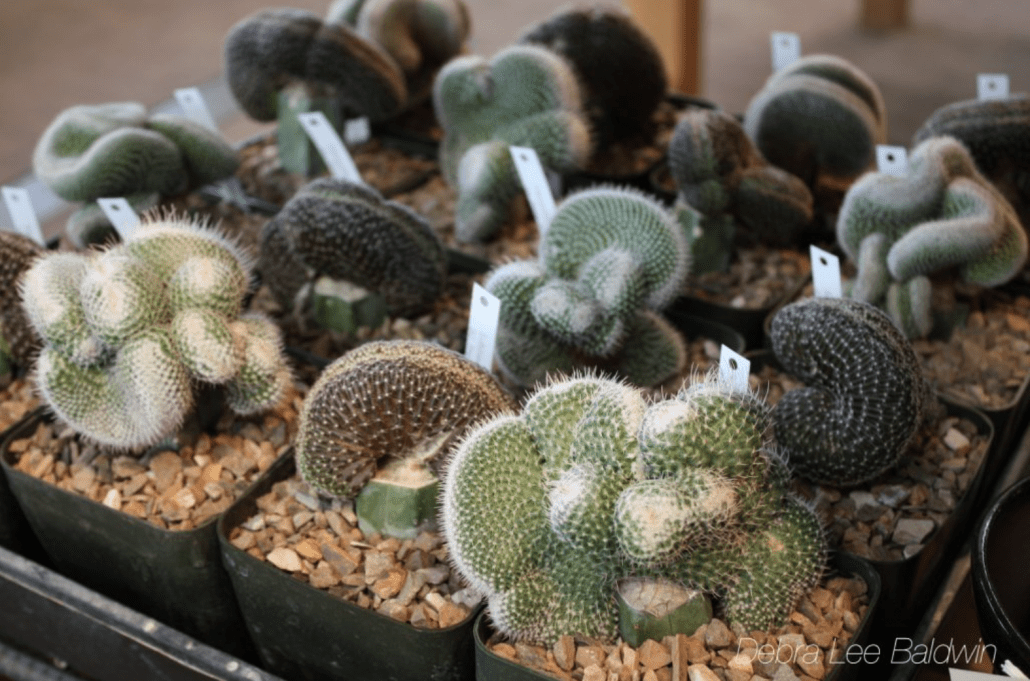
4. Beginning with collectors, the grafting of one type of cactus onto another will become fashionable, leading to groups on social media and a new market segment.

5. In southern and coastal CA from the Bay Area south, retail and hospitality destinations— such as theme parks, resorts, botanical gardens, restaurants and shopping malls—will hire celebrity designers to create innovative themed succulent gardens that boost traffic, PR and social-media shares.

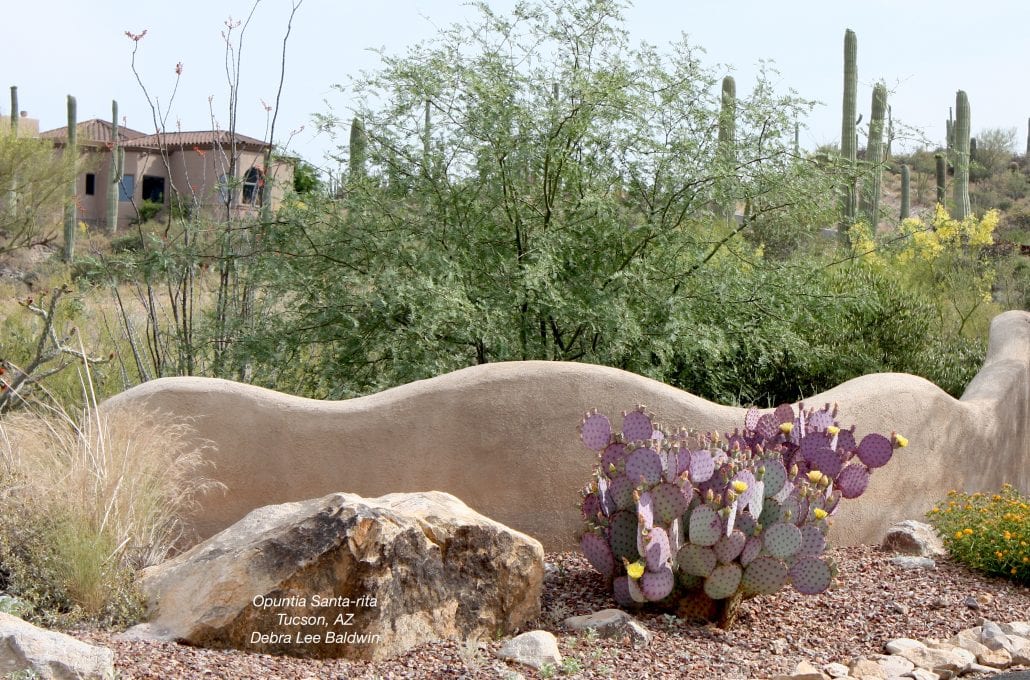
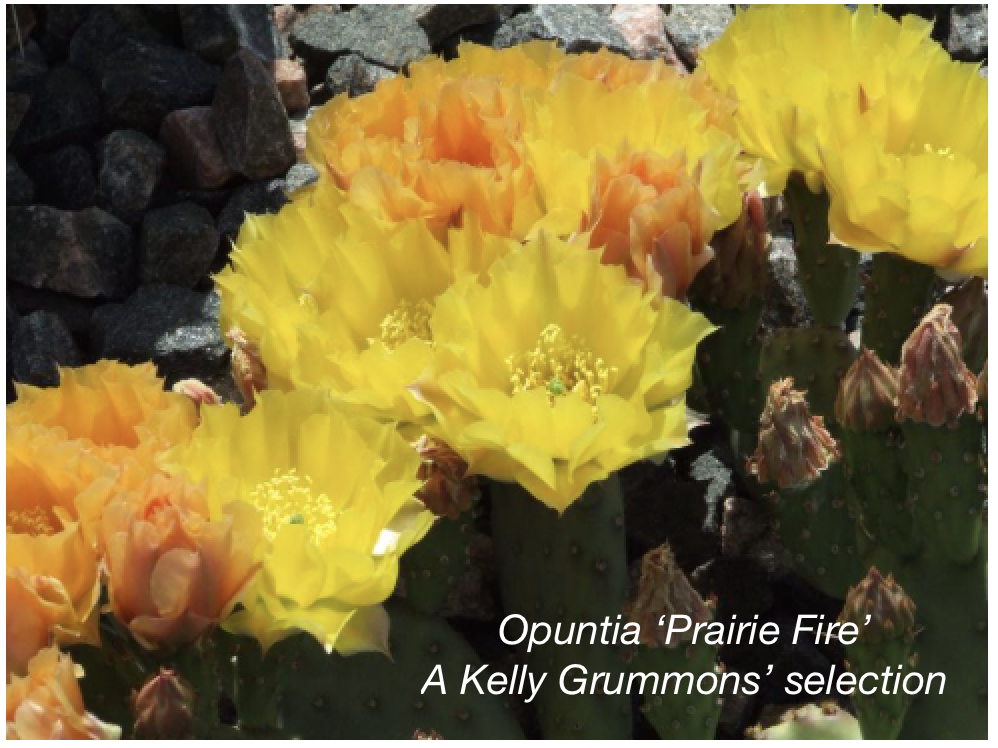
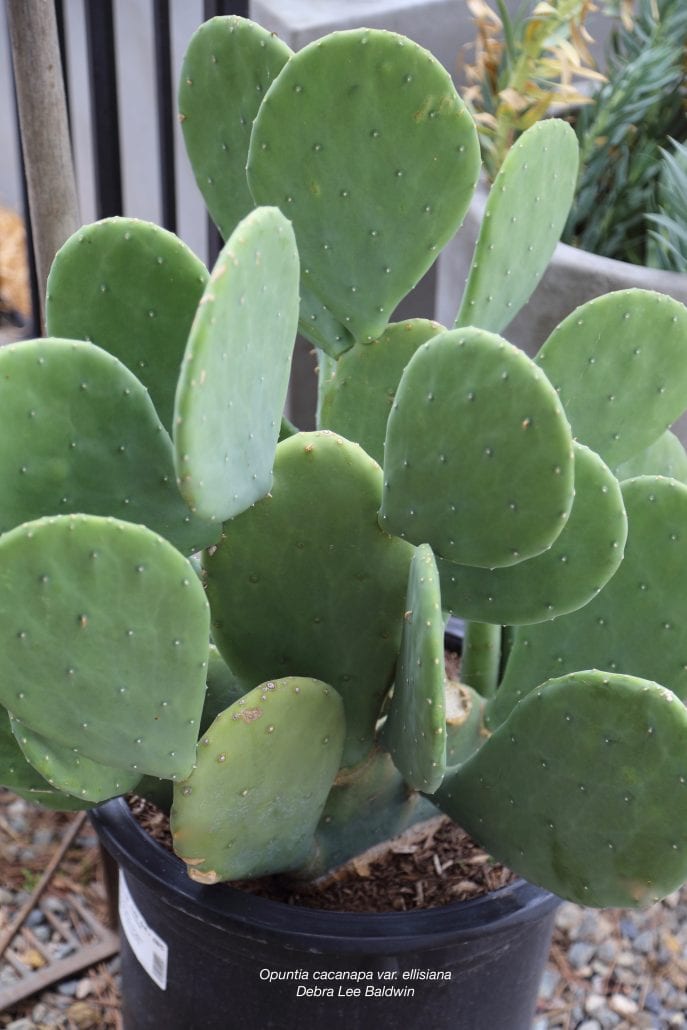
6. Opuntia (paddle cactus, prickly pear) cultivars will be acquired by homeowner-collectors for the color and variety of the flowers, especially those with prolific, multicolored, long-lasting blooms.

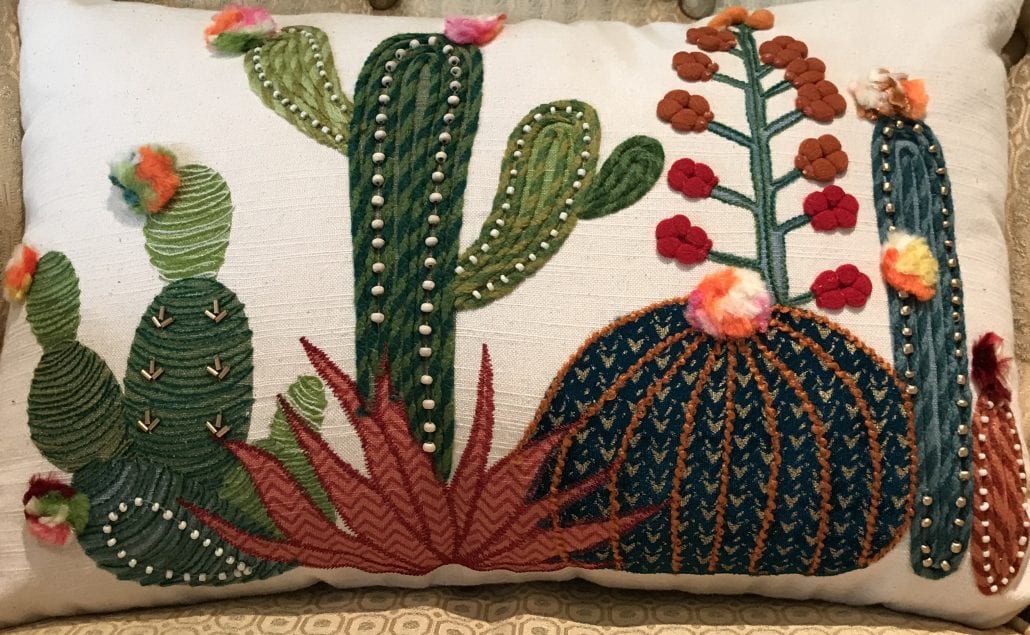
7. Nurseries, having to compete with homeowners who give succulent cuttings away via “Free” signs and neighborhood sites, will offer membership-based, trim-and-share services.

8. Dudleyas native to Mexico and CA will be THE sought-after rosette succulents, unfortunately leading to the poaching of rare species from the wild. Above: Watch my video of D. brittonii last week in Baja. 

9. The indoor, urban, and cold-climate markets for succulents will continue to increase. The money’s in haworthias, gasterias, dwarf aloes, sempervivums, and those genera’s tough-and-colorful hybrids; as well as windowsill mammillarias, parodias, rebutias, and anything monstrose or crested.

10. By 2020, spineless opuntia and other minimally spined cacti—the bigger, the better—will be the hottest plants for dry gardens in southern CA and beyond.


Related Info

On this site: 

Why Grow Paddle Cacti? My 16 Reasons

April 22, 2018— Of the dozen or so types of cacti in my garden, I have more opuntias than any other. Also known as paddle cactus or prickly pear… [Continue reading]

Ten Predictions for the Succulent Decor Marketplace

April 13, 2018— In fabrics, dishes and other decorative items, rosette succulents such as echeverias have… [Continue reading]


Dec. 27, 2017 — Whenever I’m asked how to find certain succulents or services that are in short supply, I wonder why so few offer them…[Continue Reading]

​Is Cactus the New Black?

Aug. 9, 2017 — Long a pariah plant, cactus is becoming cool. Spiny succulents are following smooth ones in popularity, notably in… [Continue reading]


The post Ten Top Trends for Succulent Plants, Gardens and Design appeared first on Succulents and Succulent Garden Design | Debra Lee Baldwin.


from Succulents and Succulent Garden Design | Debra Lee Baldwin https://ift.tt/2HX3fni
via IFTTT