sábado, 15 de agosto de 2020

Late Summer Succulent Care: Six Essentials Amazing tips

These six late-summer care essentials for succulents come from my own experience with growing hundreds of varieties over decades. In my inland Southern CA garden, late summer heat can do as much damage as midwinter frosts. Below is what I do routinely every year. Modify my suggestions according to your own climate and region.

1. Shade any smooth-leaved succulents that are not from the desert Southwest

Unless you live in a mild, maritime location, those that I call "the pretty little ones" need protection from scorching summer sun. Ideally they'll get several hours of early morning or late afternoon sun, and bright or dappled shade the rest of the day. (See how I define Types of Shade.) If need be, throw a sheet or shade cloth over exposed aeoniums, aloes, echeverias, kalanchoes, and the like.

2. Protect young desert plants

When established, most cacti, yuccas, agaves and other succulents native to Mexico and the Southwest sail through summer. However even in their native habitats, young cacti grow beneath "nurse plants" that shelter them from harsh conditions.
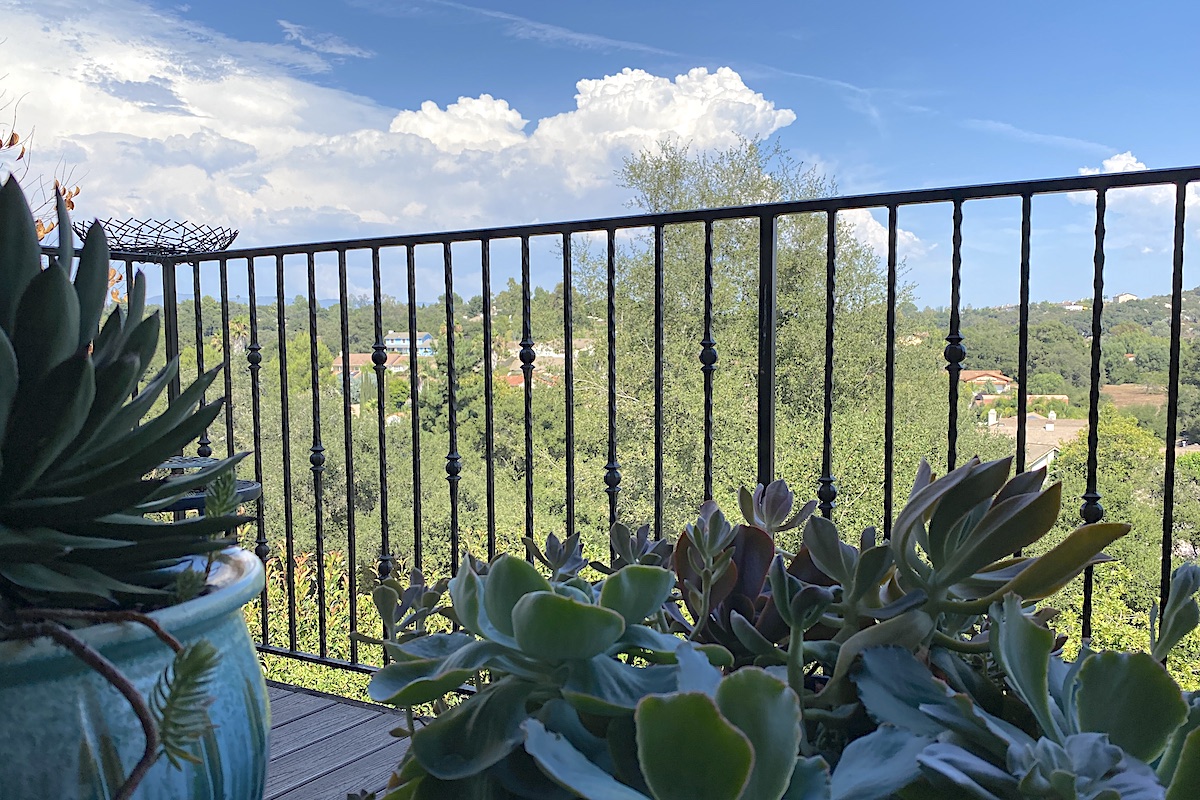
Desert thunderhead

Above: View from my deck during a mid-August heat wave that sent temps into the triple digits. I'm located midway between ocean and desert. When temps rise into the 90s in late summer, thunderheads appear in the eastern sky. Occasionally the storms drift this way and we see flashes of lightning and may even get rain.

3. Give cold-climate succulents preferential treatment

Rock-garden plants such as sempervivums (hens-and-chicks) and sedums (stonecrops) thrive in the northern and eastern US and in Europe. Farther south, these can go downhill when temperatures rise above 80 degrees F. Keep them shaded and cool. Exceptions are sedums (and Sedum crosses such as graptosedums) that have fat, thumb-sized leaves and that turn vivid shades of red and orange.

4. Monitor soil moisture

Soil that goes bone dry may not kill thick-leaved and -trunked succulents, but if fine root filaments desiccate, growth will slow or cease. In pots you can test soil moisture by inserting a chopstick; if soil clings, it's moist.

5. Soak plants before leaving town

Generally if other conditions are met, succulents won't miss you if you water them well before you leave, then again when you return. As an extra precaution in case temperatures rise significantly while you're gone, move potted succulents into shade.

6. Don't stress over your succulents

Gardening is a process, and sometimes the only way to know what will do well is to lose a few plants. Weather extremes lead to valuable lessons. Consider any casualties as annuals, and fill gaps when weather cools.

Related info on this site
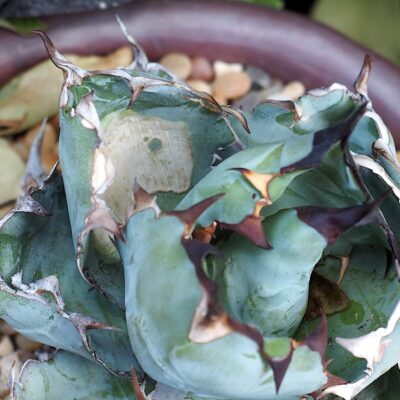
Summer Care for Succulents: Heat and Sun Concerns

Don’t let summer sun and heat harm your succulents! Heat generally isn’t a concern. Although some succulents (like sempervivums) tend not to thrive in temps above 80 or 90 degrees F, the majority are fine. It’s heat plus sun that’s the concern.
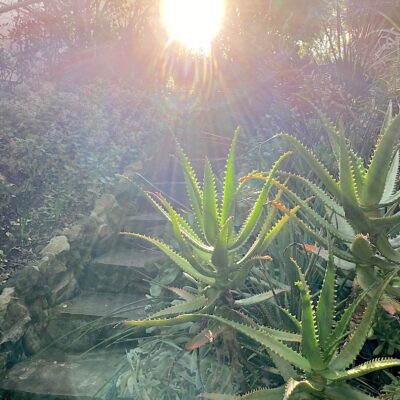
Sun and aloes

Don’t Let a Heat Wave Ruin Your Succulents

You have two options for protecting your succulents from heat waves that follow cool weather:
1. Move them. Of course this is only possible if they’re in pots. But don’t forget to do it! When sudden heat and sun hit, succulents that haven’t had time to acclimate may sunburn. There’s no reversing the resulting brown or beige patches. 
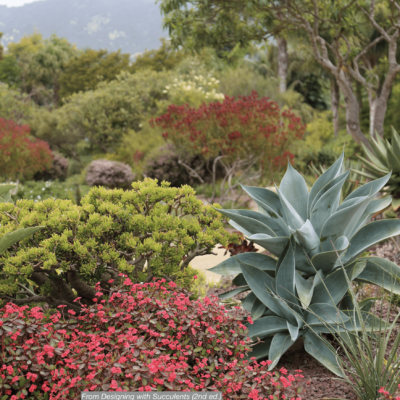
Agaves Handle Summer Heat

Late summer is when tough succulents really shine. Large agaves handle summer heat, and are unfazed by harsh sun, high temps and lack of rain. Their statuesque, fountainlike forms lend a sculptural element to any landscape, and contrast beautifully with fine-textured ornamentals. They also make good firebreak plants and security fences. With the exception of a few…

The post Late Summer Succulent Care: Six Essentials appeared first on Debra Lee Baldwin. Copyright © Debra Lee Baldwin.


from Debra Lee Baldwin https://ift.tt/2Y5mW5K
via IFTTT

viernes, 7 de agosto de 2020

Agave Dermatitis: How bad is agave sap? Amazing tips

You're already wary of poison oak, cactus glochids and the milky sap of euphorbias. Now add agave sap to the list. In susceptible individuals, it causes the skin condition "agave dermatitis."

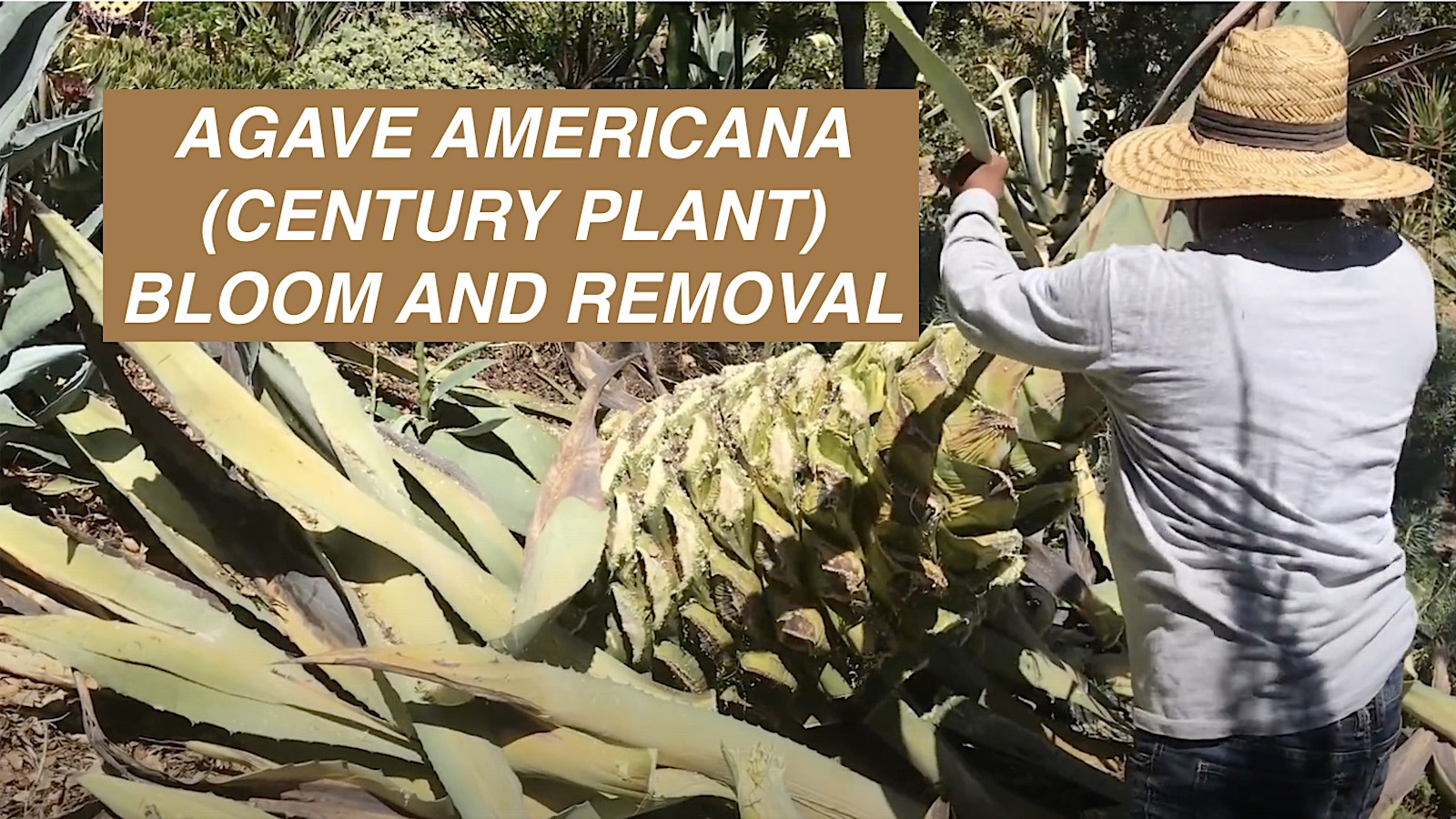
Case in point: I assumed my ex (my then-husband) was exaggerating when he said his skin itched like crazy. I mean, how bad can agave sap be? Don't they make syrup and tequila out of it? You never hear about agaves being toxic! While attempting to remove an overly large century plant (Agave americana), he didn't don protective clothing. It was a hot day, and he took off his shirt. That was 40+ years ago. (Yeah, I owe him an apology.)

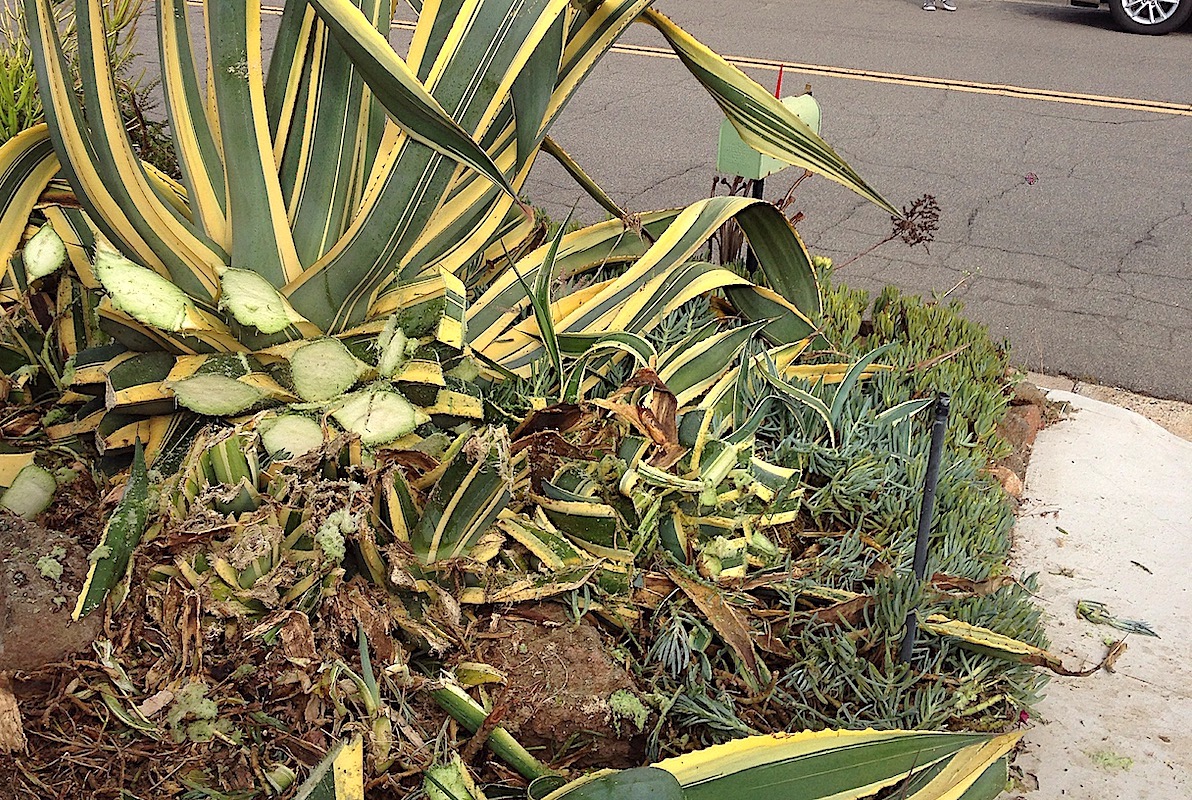
Chopped up agave

Chopped up agave

As recently as the fall of '18, I was unaware of the dangers of agave sap. Workers came to remove Big Blue, an Agave americana in my garden that had died after flowering. (See the video.)  They wore long-sleeves, trousers, sunglasses and hats. And they used a chain saw, which I've since learned is unwise, because it makes bits of the plant fly. Fortunately Big Blue was no longer juicy. Living agaves, though fibrous, contain much more sap.

With century plants getting larger than homeowners anticipated, throughout Southern CA, and inevitably dying after flowering, such removals are becoming commonplace.

Last year, without hiring help, I dealt with another big agave that bloomed. You know how I advise not bothering to cut off agave bloom stalks? I routinely say, "You might as well enjoy the show, the plant will die regardless." Well, find out why you should cut it off, on this site's Agave page.

Why is "agave dermatitis" unknown?

I predict it won't be for long. My ex merely itched. Greg M., who sent me an email earlier this week, said his skin felt like it was on fire. In Greg's case, the skin turned red and blistered. According to a dermatology site for MDs, agave sap can cause "CICD: Chemical Irritant Contact Dermatitis," which happens when oxalic acid crystals become embedded in the skin. The resulting "oxalism...may result in vascular damage." Another online source states that an estimated 30% of Mexico's tequila plantation workers experience agave dermatitis.

What to do?

I am not a medical practitioner. When in doubt, or if symptoms don't improve, contact your doctor or go to an urgent care clinic. Both my ex and Greg M. washed the sap off immediately, and both were fine. And just as you would do whenever considering contact with a potentially harmful substance, first do a patch test. The Mayo Clinic explains how.

Let me (and others) know

In the comments below, I'd be grateful if you'd share any experiences you've had with agave removal and sap exposure. Thanks!

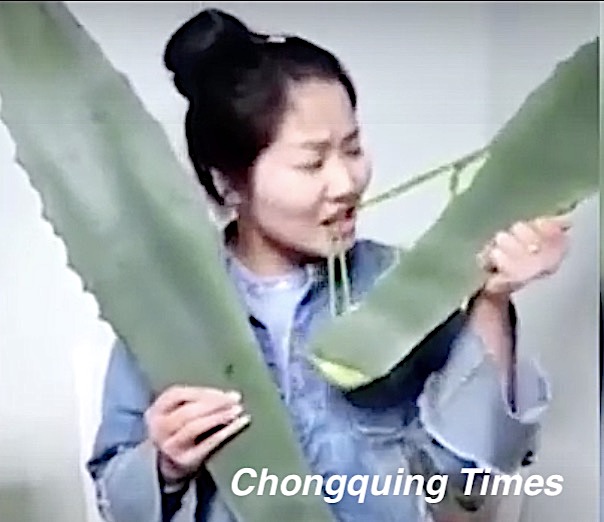
Girl eating agave

Girl eating agave

P.S. Don't eat raw agave!

According to the Chongquing Times, "Zhang," 26, thought the agave leaf she was taking a bite out of was Aloe vera. She expected it to be bitter, but not that bitter. Her mouth and throat burned. Zhang is one of many Chinese vloggers who earn money from live-streaming their day-to-day activities. She cut short her video and rushed to a hospital, where they pumped her stomach. (You can't make these things up.) Btw, if Zhang vlogs a re-do, she'll likely discover that eating raw aloe isn't a good idea either---it's a strong laxative.


The post Agave Dermatitis: How bad is agave sap? appeared first on Debra Lee Baldwin. Copyright © Debra Lee Baldwin.


from Debra Lee Baldwin https://ift.tt/2DOIFaI
via IFTTT

jueves, 30 de julio de 2020

Fuzzy Kalanchoes: Varieties, Uses and Tips Amazing tips

I'm eager to share with you my fondness for fuzzy kalanchoes! The varieties and design uses of these unusual succulents are diverse and wonderful. I've included important tips to ensure success.

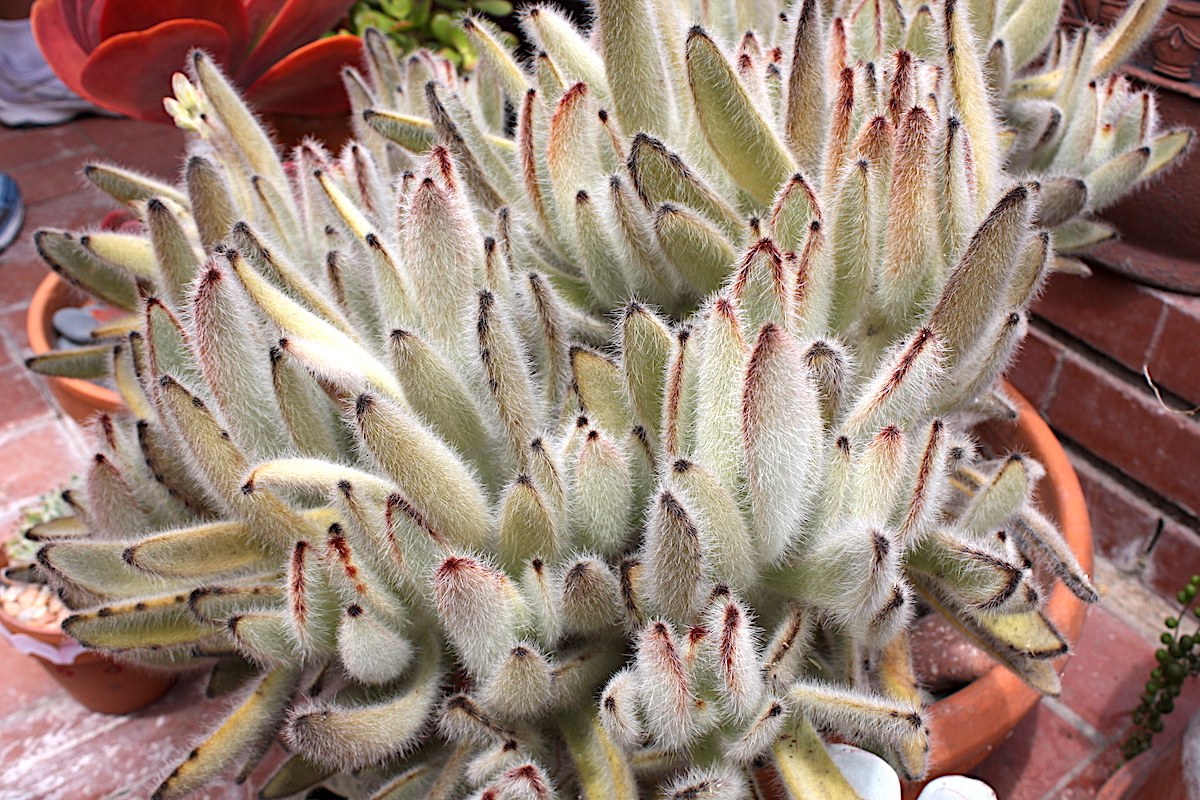
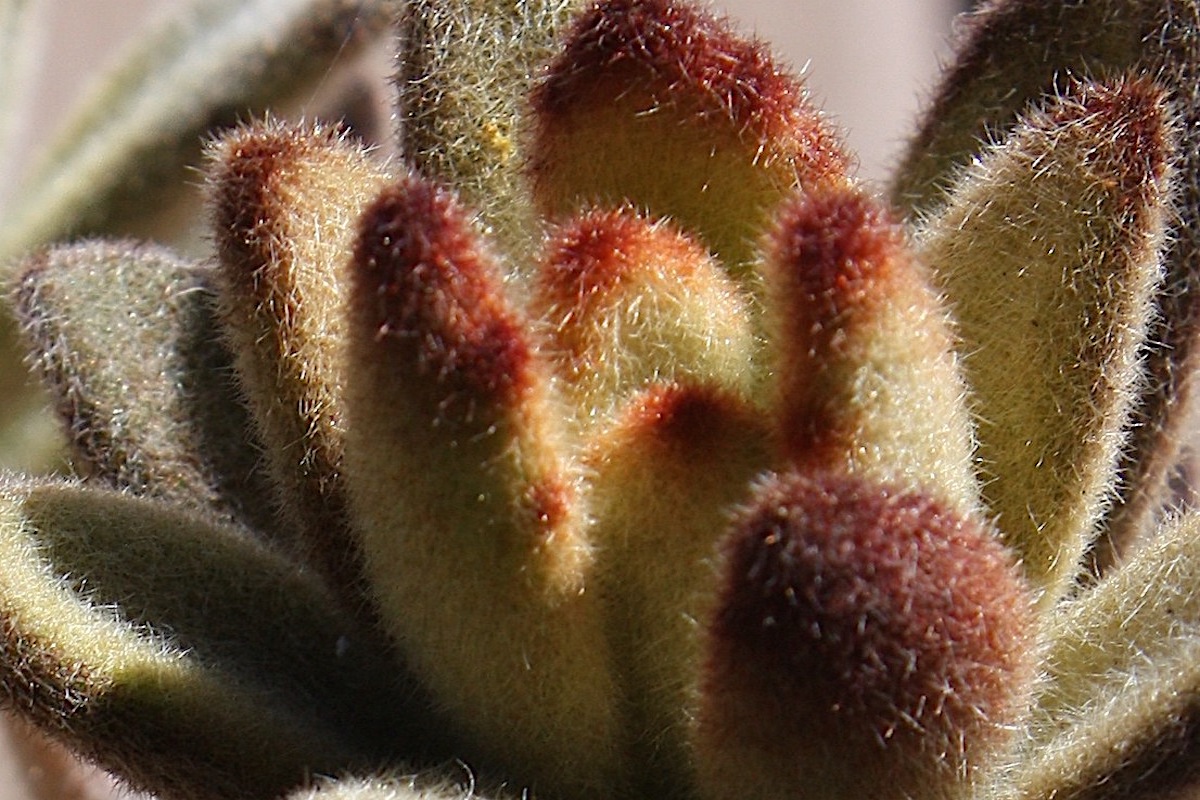
The first time I saw a fuzzy kalanchoe, of course I had to touch it. It proved as photogenic as it was pettable. When backlit, velvety, fingerlike leaves glowed. Brown dashes along leaf margins suggested the stitches of a plush toy.

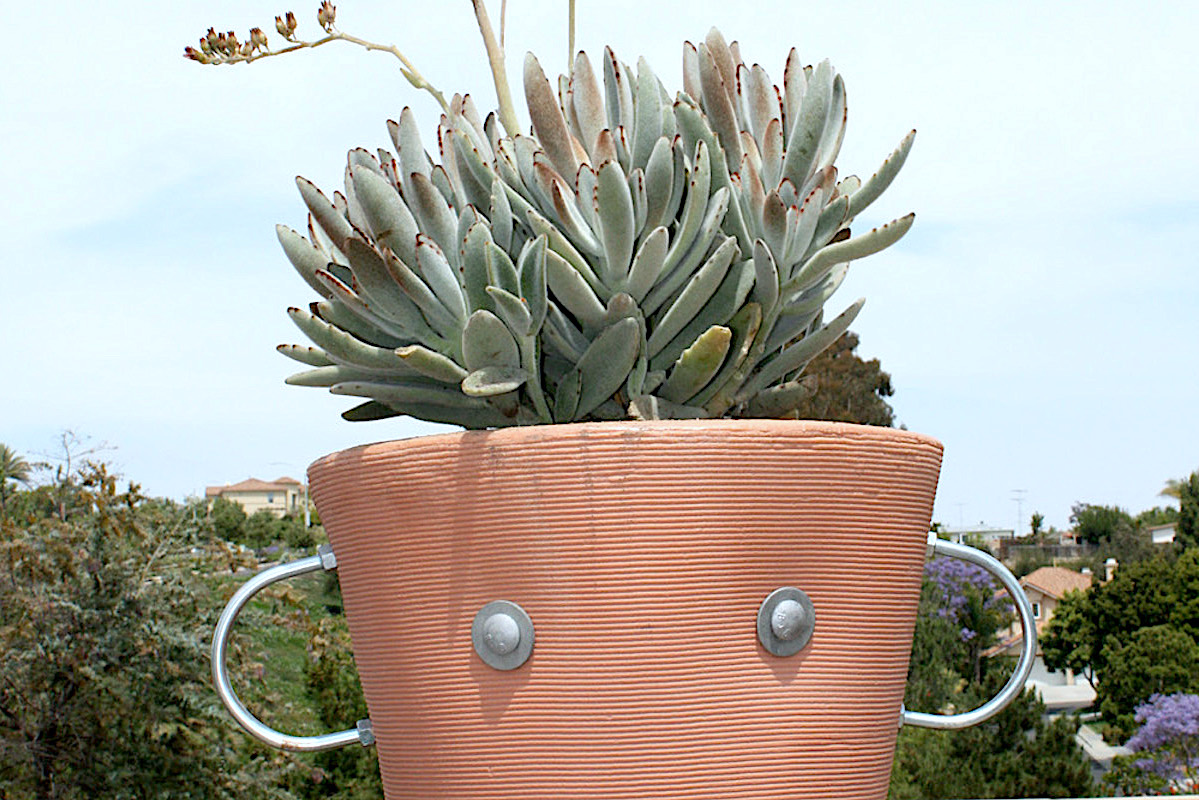
Face pot w Kalanchoe tomentosa (Children's garden at San Diego Botanic Gdn) Face pot of Kalanchoe tomentosa (panda plant) at the Children's garden at the San Diego Botanic Garden.
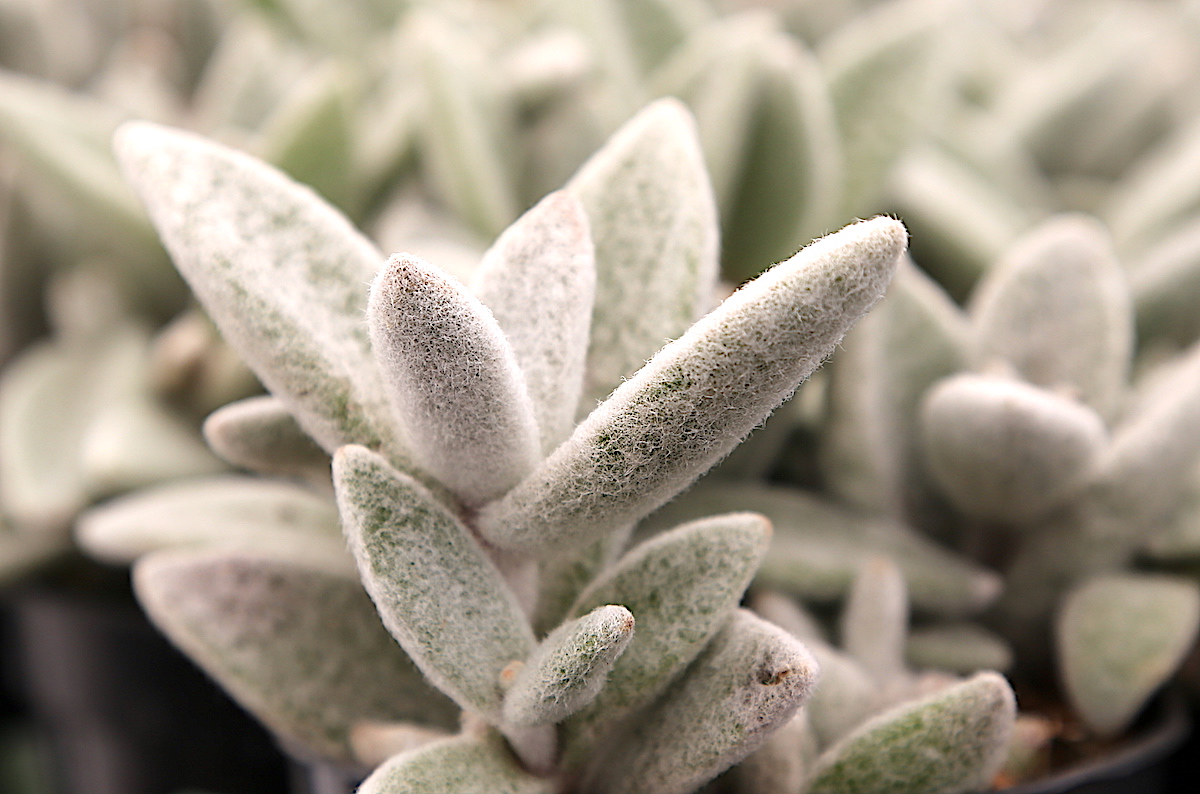
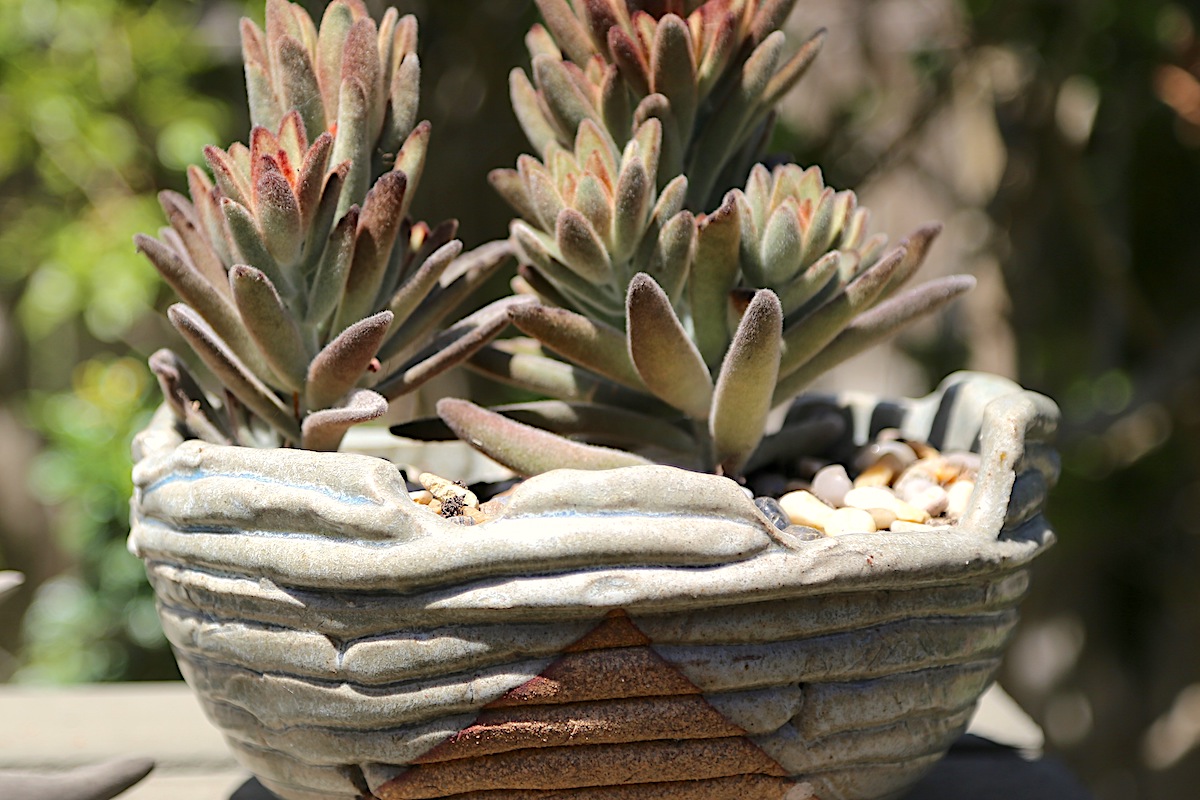
Tomentose (fuzzy) kalanchoes thrive in pots, and look good solo or combined with crassulas, sedums and other small succulents. Their pet-me texture is striking in contrast with smoother leaves and glossy pot glazes. Most make good gifts for kids and adults alike.

In this post you'll see and discover:

  • Silvery-blue Kalanchoe tomentosa (shown above)
  • Golden-brown 'Chocolate Soldier' and 'Teddy Bear'
  • Dainty white Kalanchoe eriophylla 
  • Kalanchoe orgyalis (copper spoons)
  • Kalanchoe bracteata (silver teaspoons)
  • Treelike, tricky-to-grow Kalanchoe beharensis (felt bush).
  • A desirable one I saw on the Laguna Beach garden tour (want!).

Below: Snow White panda plant (Kalanchoe eriophylla) is a diminutive novelty succulent useful for adding interest to container gardens.

Kalanchoe eriophylla Kalanchoe eriophylla
Why the fuzz?

Botanists conjecture fine hairs help to shade the plant, deflect the sun's ultraviolet rays, keep pests away, and lessen moisture loss.

Fuzzy Kalanchoe tomentosa 'Teddy Bear'

Kalanchoe tomentosa 'Teddy Bear' 

Above: Kalanchoe tomentosa 'Teddy Bear' is an Altman Plants introduction.

Kalanchoe tomentosa (panda plant)

Kalanchoe tomentosa (panda plant) and its cultivars are among the easiest succulents to grow, and excellent for beginners. One small nursery plant, after a year's growth, will yield three or more cuttings you can use to start new plants.

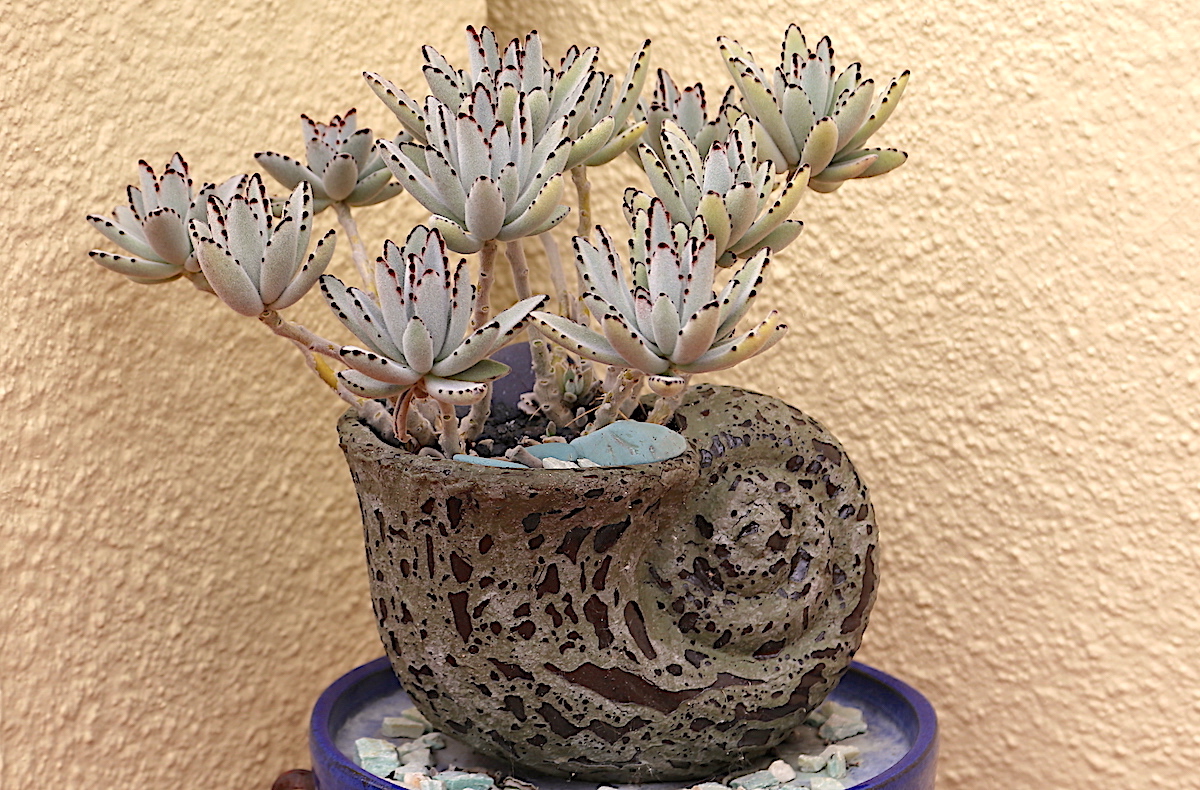
Kalanchoe tomentosa, texture repetition I love the color and texture repetition of this pot pairing.
The Kalanchoe tomentosa in the photo above is getting a bit leggy---meaning rosettes perch atop denuded stems. Fuzzy kalanchoes typically need refreshing sooner or later. See how, step-by-step, on this site's Kalanchoe page.

Kalanchoe tomentosa 'Chocolate Soldier', pairing by Diana Clark Kalanchoe tomentosa 'Chocolate Soldier'. Plant-pot pairing by Diana Clark
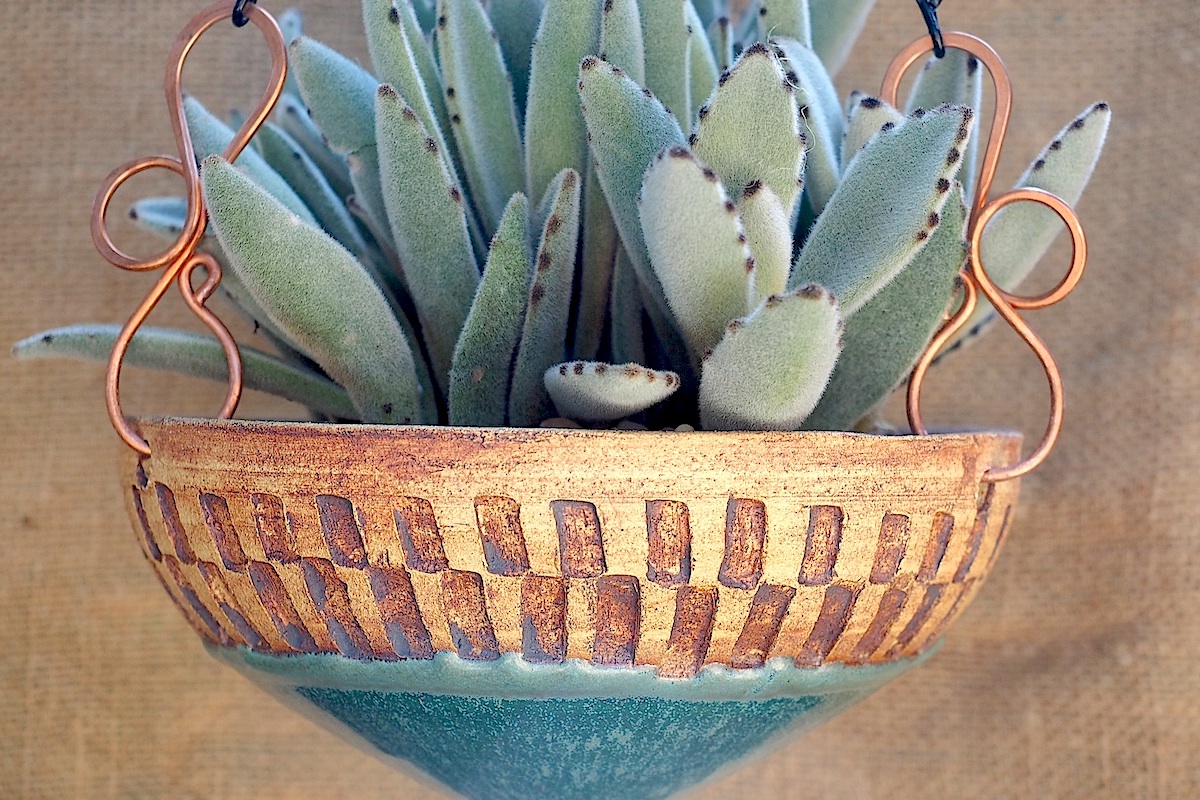
Silvery-blue panda plant---the most common of the fuzzies---is a go-to succulents when I want to repeat a container's blue-gray hue. Golden brown cultivars of Kalanchoe tomentosa provide a similar effect in warmer-toned pots.

Kalanchoe tomentosa, pot by Alicia Iraclides of Potted Arts This Kalanchoe tomentosa graces a hanging pot by Alicia Iraclides of Potted Arts. See us at the nursery making plant selections and how they came together in the video, How to Pair Succulents with Hanging Pots (5:45).
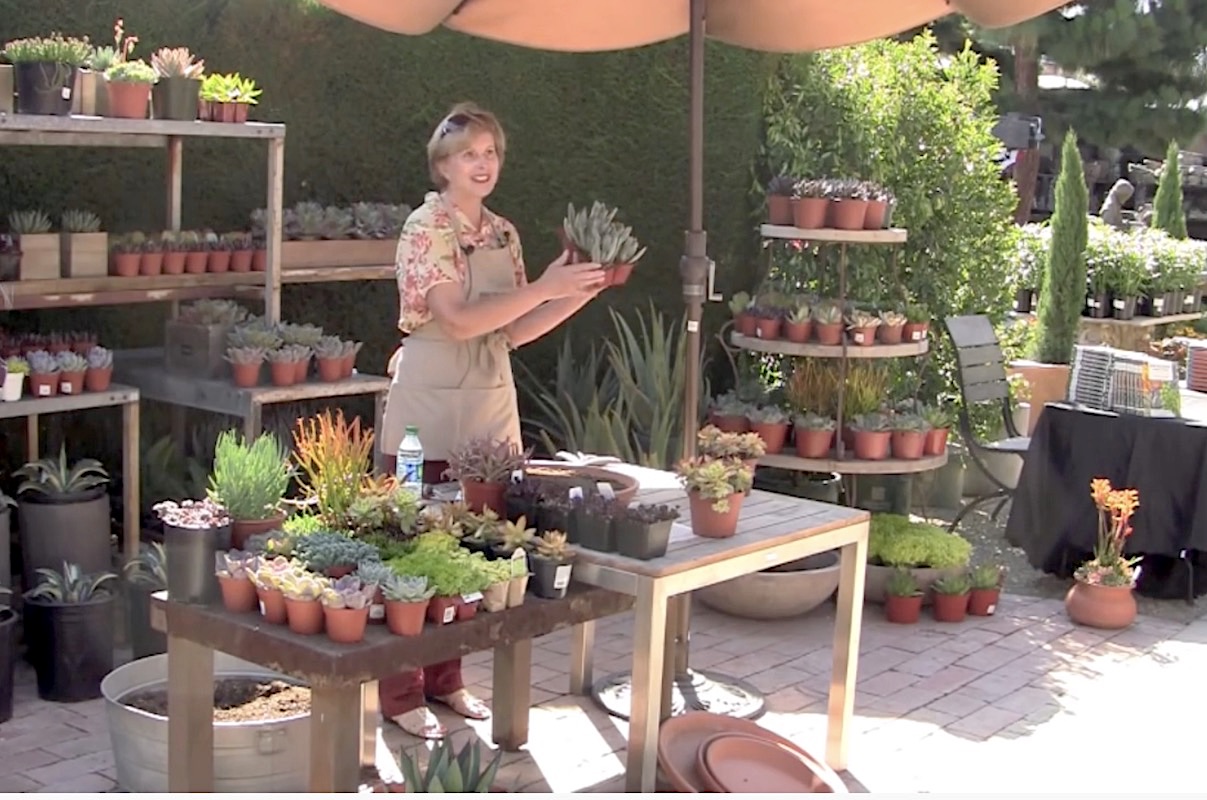
See a happy panda plant in my video

Kalanchoe tomentosa in video Kalanchoe tomentosa (panda plant) is one of "Ten Terrific Colorful Succulents" I show in this presentation, above, at Roger's Gardens nursery. See it beginning at 5:25. 

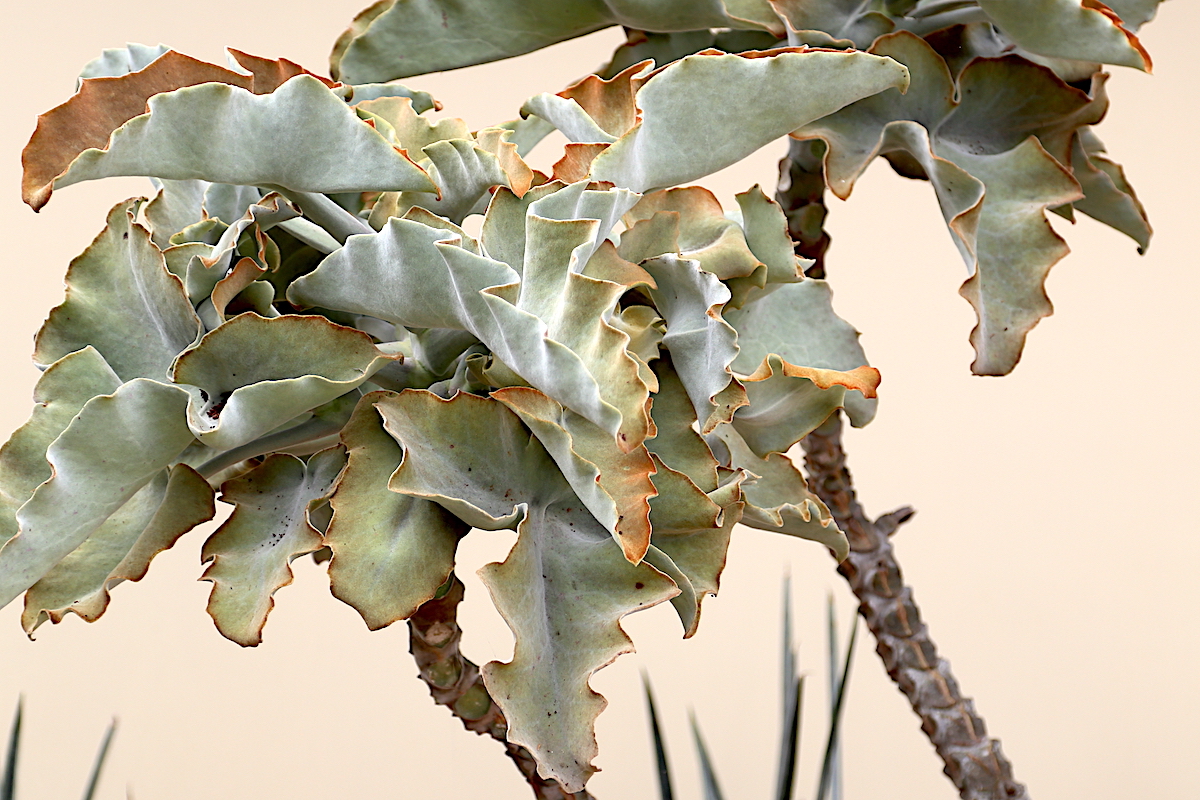
Felt bush and 'Fang'

Kalanchoe beharensis (Napoleon's hat) Kalanchoe beharensis (felt bush) as shown in my book, Designing with Succulents (2nd ed.)
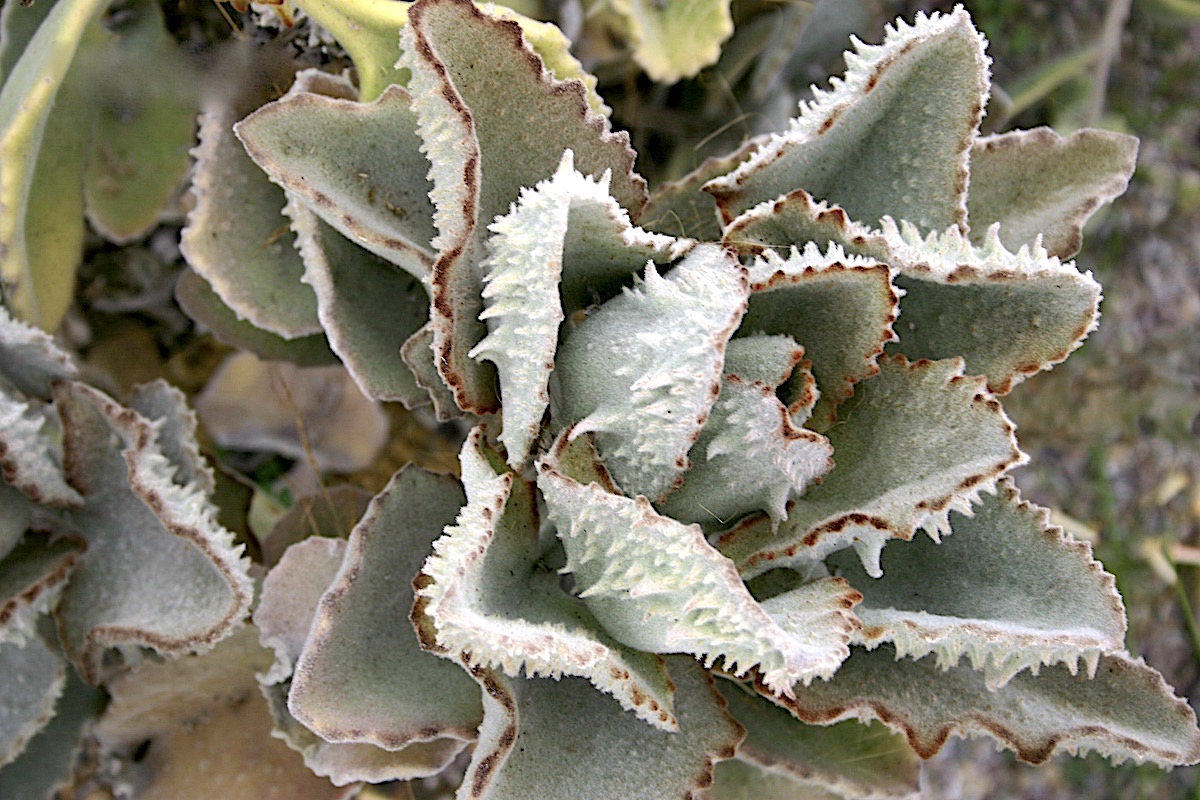
Treelike Kalanchoe beharensis, named after the southern Madagascan town of Behar, grows to about six feet tall with arrowhead-shaped leaves averaging 18 inches long. A wonderful aspect of this large succulent and its whiskery cultivar 'Fang' is that you can grow new plants from a single leaf. Lay it atop potting soil in bright shade, and as the leaf shrivels, a baby plant will grow where stem meets leaf.

Kalanchoe beharensis 'Fang' Kalanchoe beharensis 'Fang'
It's tempting to plant treelike kalanchoes in the garden as focal points, but they can be tricky. Felt bush and 'Fang' prefer temperatures between 40 and 85 degrees, and coastal conditions like those of Santa Barbara, Laguna Beach or Coronado. Otherwise they tend to drop their leaves, exposing a spindly trunk lined with divots where stems were attached. Conversely, if Kalanchoe beharensis gets too happy, heavy clusters of leaves can cause weak limbs to break. If necessary, prop up the branches.

Copper spoons and silver spoons

Kalanchoe orgyalis (Copper spoons) Kalanchoe orgyalis (Copper spoons)
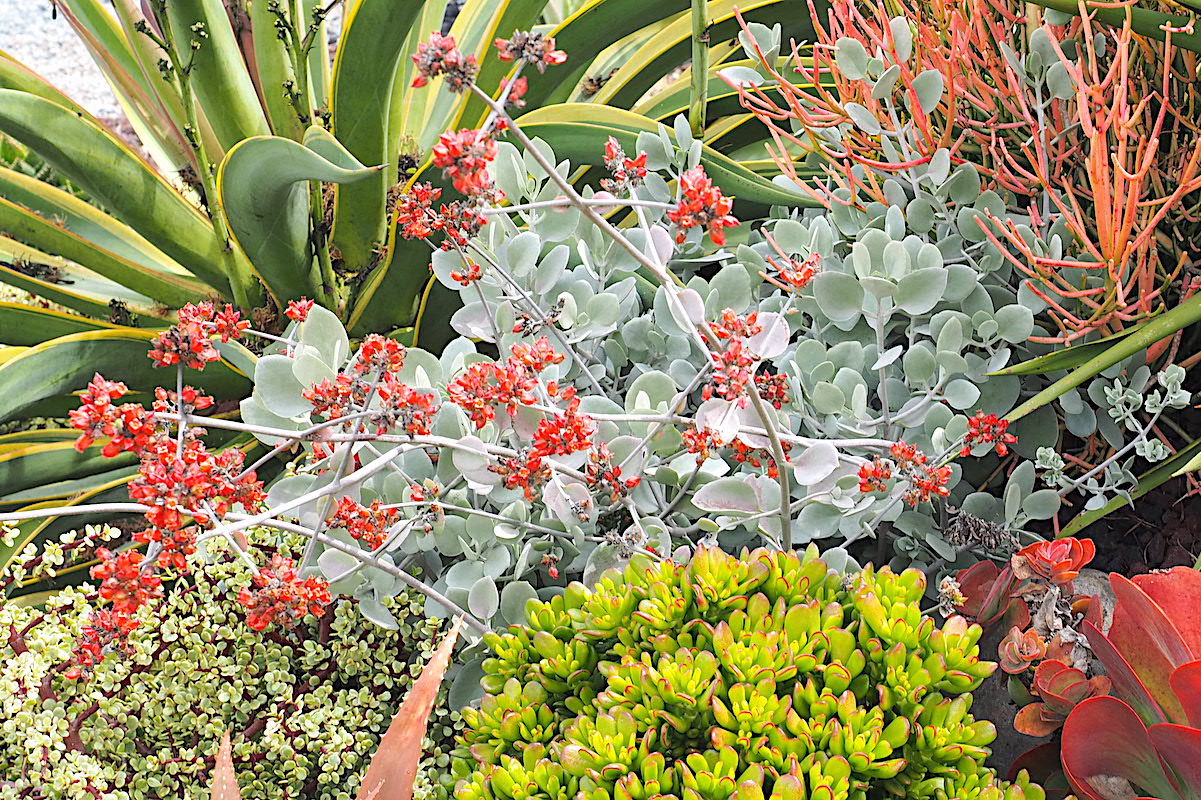
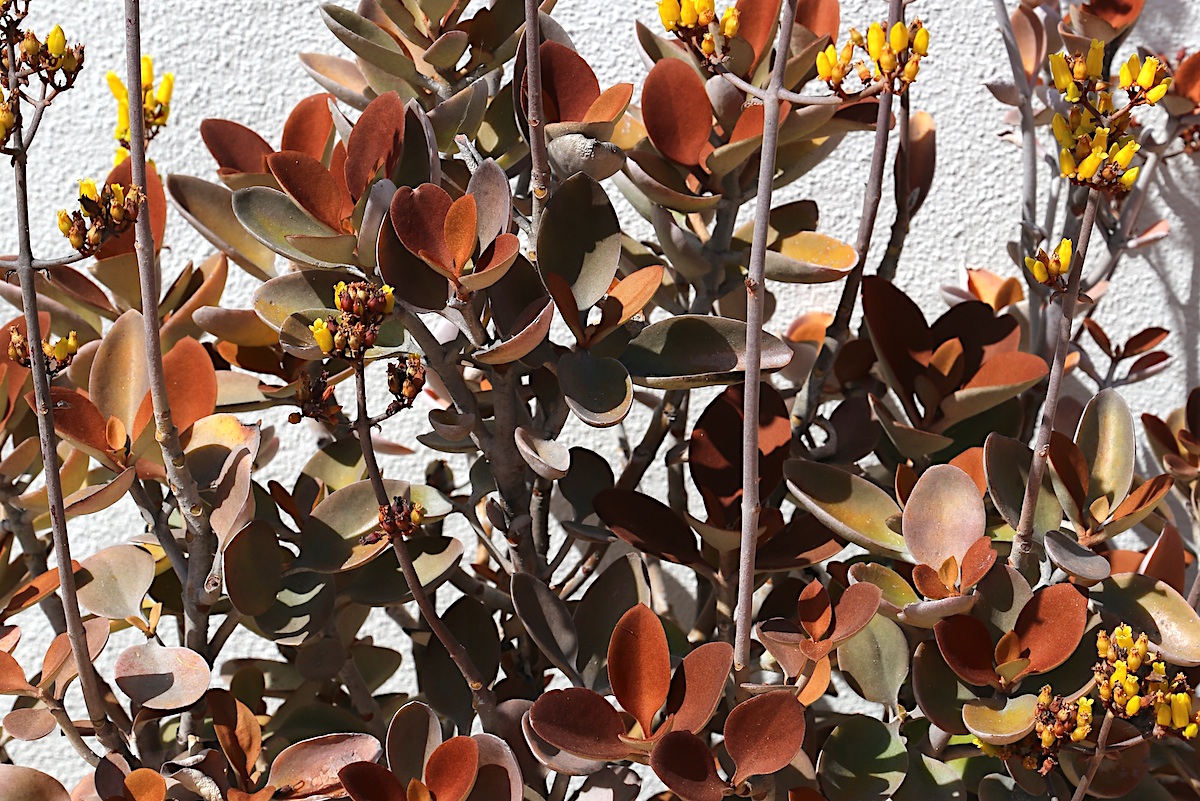
These oval-leaved shrub succulents do best in coastal gardens. Leaves of copper spoons are velvety brown on top and silvery gray underneath; flowers are yellow on branching stems.

Silver spoons (Kalanchoe bracteata, below) looks similar but leaves are uniformly silver-gray. It's often confused with nearly identical Kalanchoe hildebrandtii, which has greenish-yellow flowers instead of red.

Kalanchoe bracteata Kalanchoe bracteata in bloom

Above: Isn't this a gorgeous garden? In it the designer used several different fuzzy kalanchoes. See it in my video: A Colorful Succulent Garden to Copy (3:51).

The fuzzy kalanchoe on my wish list

Kalanchoe tomentosa 'Super Fuzzy' Kalanchoe tomentosa 'Super Fuzzy'
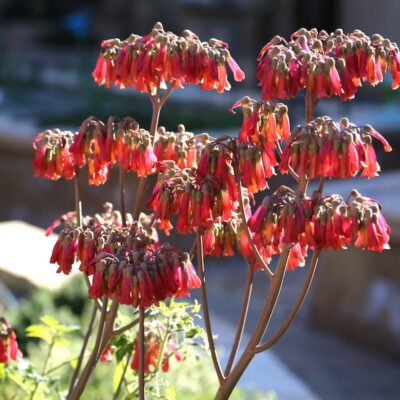
I met Kalanchoe 'Super Fuzzy' on a Laguna Beach garden tour ages ago. I've since looked for it everywhere. If you have a source, would you kindly LMK? Thanks!

Care and cultivation

The care, cultivation, propagation and refreshing of tomentose kalanchoes is the same for non-fuzzy varieties. Learn more on this site's Kalanchoe page.

Kalanchoe mother of thousands

Kalanchoe: Details, Photos and Varieties

Kalanchoe: Details, Photos and Varieties Native to Madagascar, kalanchoes thrive outdoors in zone 9 (and higher if in dappled shade). Protect from frost. >>Jump Down to the Gallery About Kalanchoes Kalanchoes are beautiful soft succulents, easy to propagate from cuttings, with showy flowers. It’s a highly diverse genus, so to help you make sense of it,…

The post Fuzzy Kalanchoes: Varieties, Uses and Tips appeared first on Debra Lee Baldwin. Copyright © Debra Lee Baldwin.


from Debra Lee Baldwin https://ift.tt/33gW9qN
via IFTTT

sábado, 25 de julio de 2020

Which Shade Succulents Are Best for You? Amazing tips

You requested more info on low-light succulents, and I happily complied. I've added a Shade Succulents page to my site and created a YouTube video of the same name.

It probably won't surprise you that I watch my succulents like a meerkat atop her mound. I grow everything that's reasonably available, research plants' native growing conditions, and learn from my mistakes (which you'll see).

My big challenge was to winnow the selection. No sooner did I sort through hundreds of photos, I'd notice a demure little shade succulent I'd overlooked and think, "Oh! I've got to show them this!"

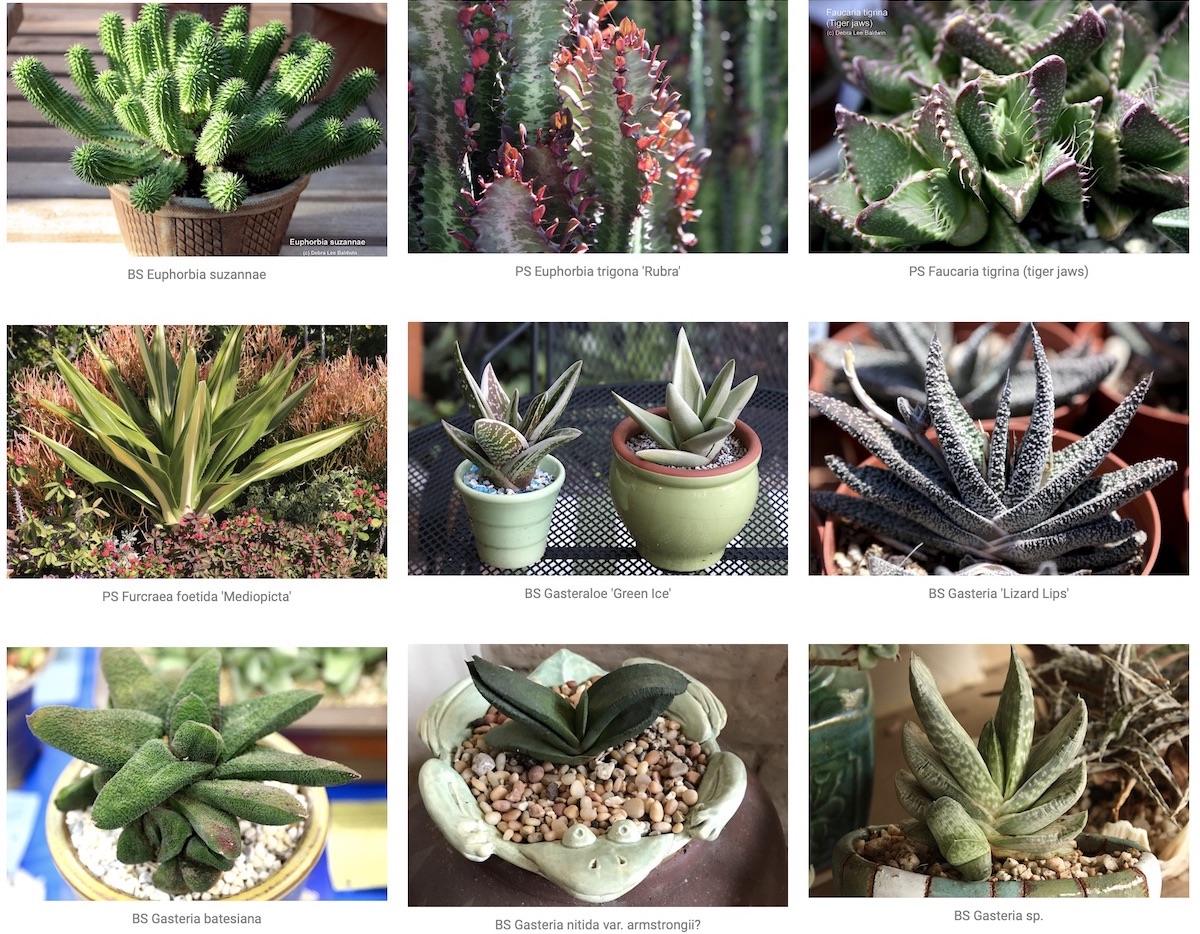
As a result, my site's new Shade Succulents Gallery shows a whopping 80+ varieties, many growing in my own climate-challenged garden. From the gallery:

Shade succulents gallery

Shade Succulents gallery (6 photos of 80+)

"But Debra, of course you can grow anything, you're in Southern California!" you may think. Not so! That may be true along the coast (where the millionaires live, you know who you are), but I'm 15 miles east as the crow flies at an elevation of 1,500 feet. OK, it's not that bad here. But we do get frost in winter and searing, scorching, beastly heat in summer.

Creating the new page and video took me nearly a month. I'm so eager for you to enjoy both! Do let me know what you think. Did I miss a succulent you love? Do you have questions? Please leave any and all comments below or on YouTubeAlso be sure to "Like" the video (if you do), and subscribe to my channel (if you've yet to).

Oh! I also created a fun quiz for you at the end of the video. If I've done my job, you'll ace it. ;+)

Related info 

Crassula multicava flowers

Grow Shade-Loving Fairy Crassula

Fairy crassula (Crassula multicava) is a great succulent ground cover for shade. In winter, like jade (Crassula ovata), it has dainty star-shaped, pinkish-white flowers. Here are 15+ reasons to grow it in your garden.

The post Which Shade Succulents Are Best for You? appeared first on Debra Lee Baldwin. Copyright © Debra Lee Baldwin.


from Debra Lee Baldwin https://ift.tt/30JIbuE
via IFTTT

viernes, 3 de julio de 2020

Grow Shade-Loving Fairy Crassula Amazing tips

Fairy crassula (Crassula multicava) is a great succulent ground cover for shade. I've grown it since the '90s under oaks on a steep slope. It has sentimental value: My dad gave me the first cuttings. But like its cousin jade (Crassula ovata), this simple green succulent gets no respect. What is it with us gardeners that we sneer at easy-care plants that work well where nothing else does? "Common" isn't a compliment!

Case in point: At Waterwise Botanicals nursery, I ran into an old friend who is a renowned succulent gardener. He was curious what I had in my cart. I showed him something I'd found that thrilled me. He barely glanced at it. "Oh that," he said dismissively. "I had to pull it out of my garden because it was taking over."

I stammered, "Yes, but this one has red on the underside of its leaves." But he'd moved on. Maybe he already knew about Crassula multicava 'Red' and wasn't impressed. Yet I thought it gorgeous, and it's doing as well in my garden as the good ol' green one from dad's. As for the species taking over, certainly it spreads, but slowly. It's never been a problem. In fact, it has a handy way of filling gaps.

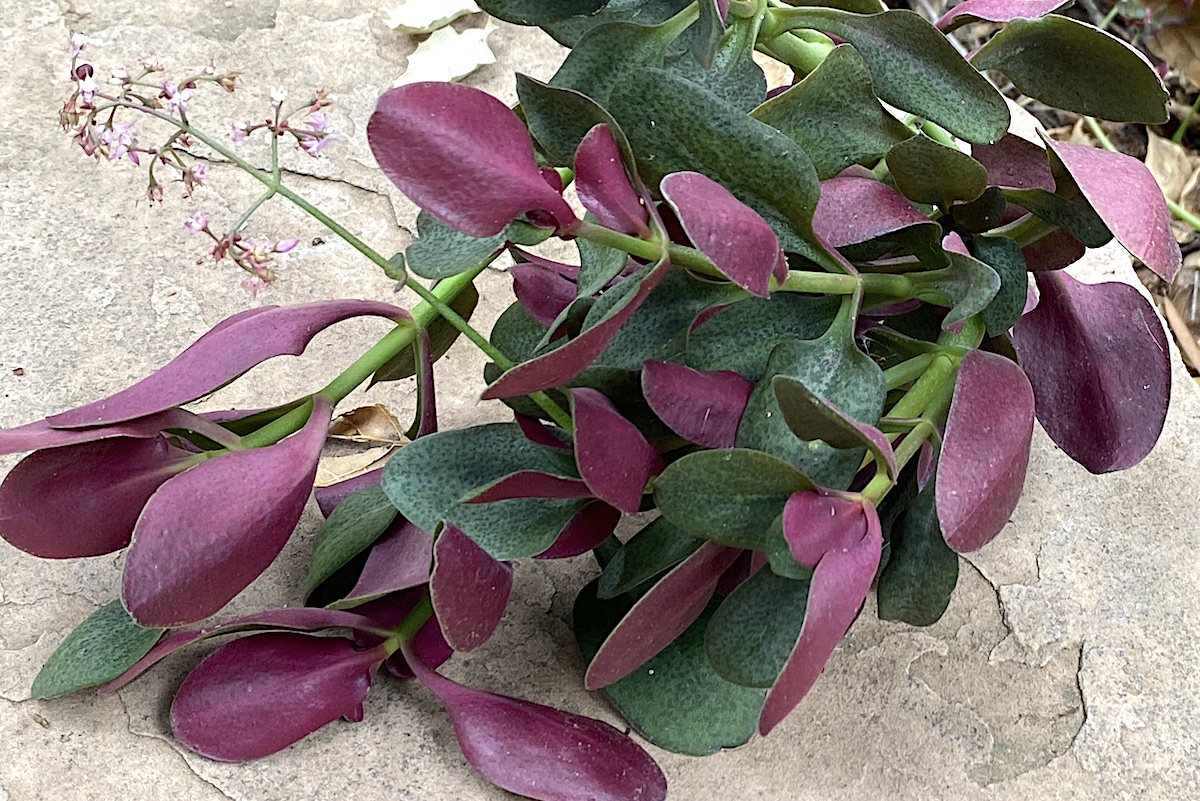
Crassula multicava 'Red'

Crassula multicava 'Red' (red fairy crassula) has other cultivar names, including 'Purple Dragon' and 'Ngabara'.

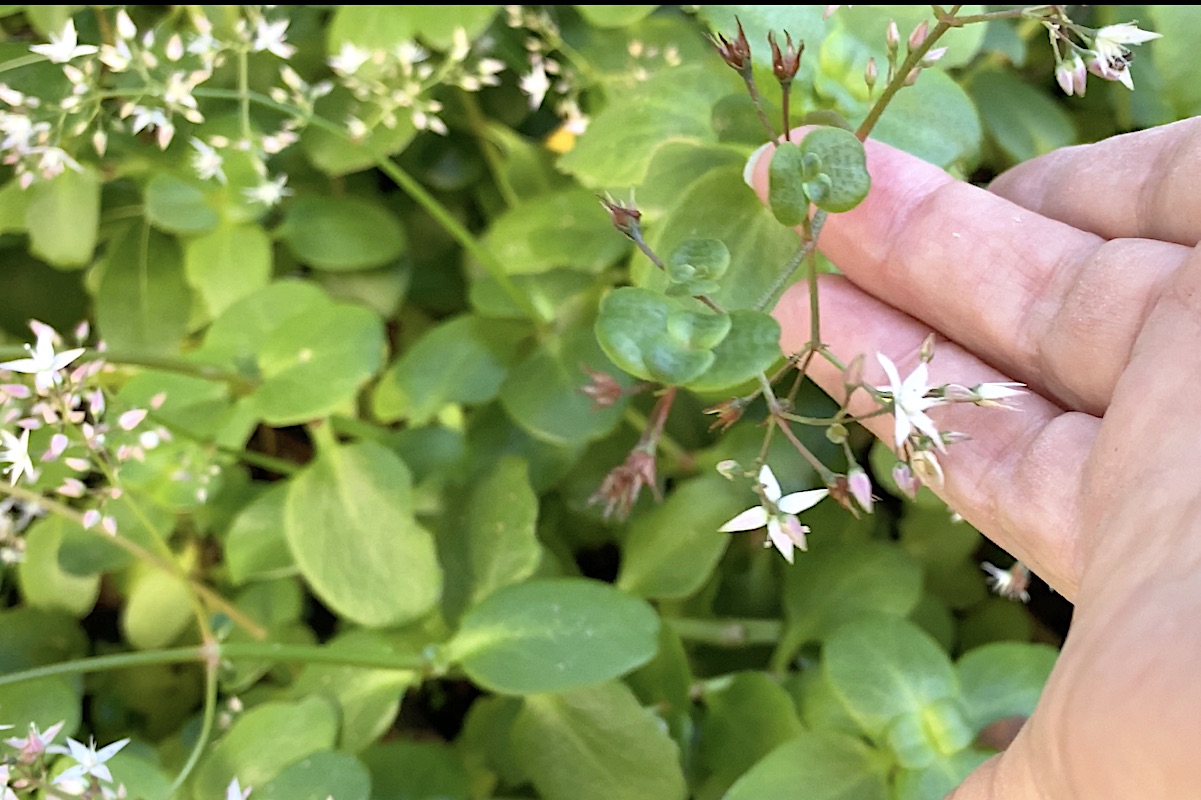
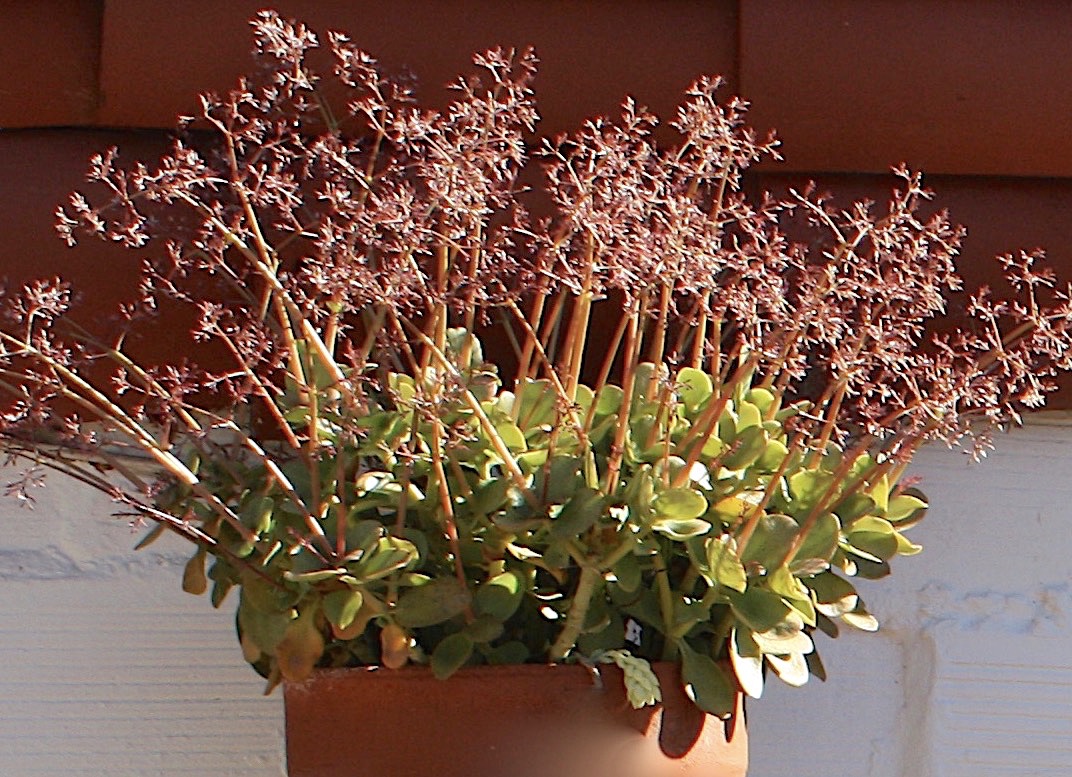
In winter, typical of the genus, fairy crassula produces dainty star-shaped, pinkish-white flowers. By spring, masses of airy blooms on slender, branching stems float above oval green leaves. That is, if frost doesn't get them...which is likely why mine is less vigorous. Nearly every winter, frost hits exposed garden areas, confining tender plants to more sheltered spots. But fairy crassula prefers shade regardless. It burns in searing summer sun here (inland CA, Zone 9b).

Crassula multicava plantlets

Crassula multicava plantlets

It's fascinating how fairy crassula spreads. As flower stalks elongate, they produce itty-bitty plantlets that become heavier and more pendant. When about dime-sized, they touch the ground and take root. This often happens far enough from the mother ship that plantlets don't compete for light and nutrients.

As for Crassula multicava being invasive, it usually grows in leaf duff, so a gentle yank removes it. That said, if you do have ideal conditions for succulents---temps between 40 and 90, low humidity, good soil, and bright shade---it may be more vigorous than you prefer. But in less-than-ideal gardens, you'll love it and it'll love you.

Fairy crassula in a pot

Smaller, lighter green  leaves and red stems indicate Crassula multicava is getting more sun than normal. But that's OK near the coast.

15 reasons to grow fairy crassula (Crassula multicava)

  • It's a great beginner's succulent that starts readily from cuttings.
  • It tolerates difficult conditions: poor soil, deep shade, steep terrain.
  • It appreciates regular water but gets by without it.
  • Dark green mounds look good close up or far away.
  • It's free and common at plant swaps. Neighbors happily give cuttings.
  • Messy tree leaves fall into the plants and disappear. (To recall its name, think "multiple caves.")
  • It helps tree leaves decompose into rich, crumbly leaf mulch.
  • By robbing them of sunlight, it keeps weed seeds from germinating.
  • It diffuses the impact of rain, preventing soil erosion.
  • Roots, being shallow, don't compete with those of nearby trees or shrubs.
  • Dainty white flowers contrast with deep green leaves.
  • Flower stalks, bejeweled with starlike blooms, are lovely backlit.
  • It needs almost no care and is pest- and problem-free. Even snails don't bother it.
  • It's pretty in pots and as a filler in hanging baskets (cut back to encourage fullness).
  • Like most succulents, you shouldn't walk on it, but it recovers if you do.

See Crassula multicava in my garden and watch me start cuttings of  'Red' in my new video: A Shade Succulent I Love and You Will Too


The post Grow Shade-Loving Fairy Crassula appeared first on Debra Lee Baldwin. Copyright © Debra Lee Baldwin.


from Debra Lee Baldwin https://ift.tt/2ZzsO7n
via IFTTT

martes, 9 de junio de 2020

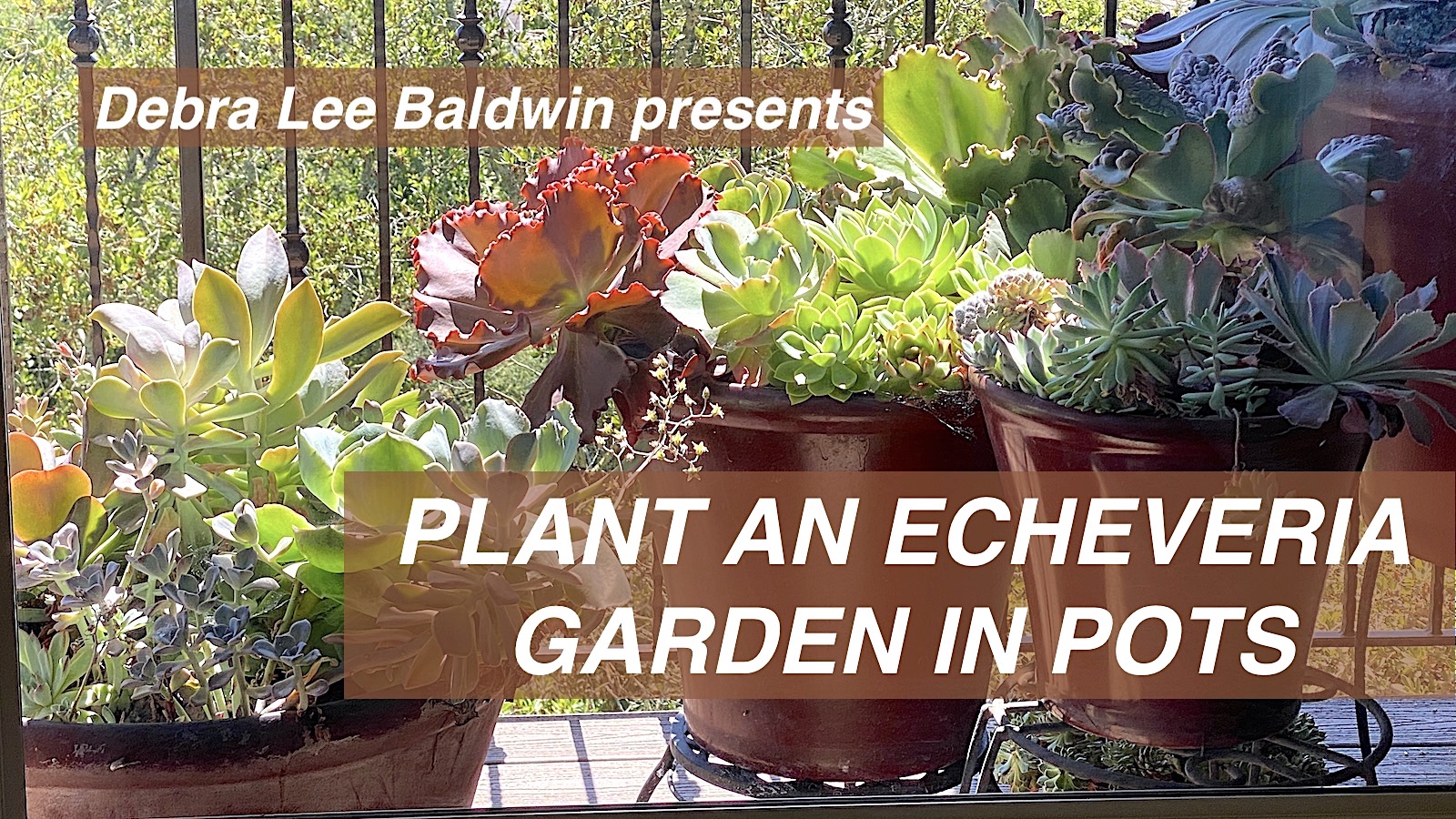
Plant an Echeveria Garden in Pots Amazing tips

Echeverias do great in containers, so why not plant an echeveria garden all in pots? Because echeverias have great color, symmetry and resemble fleshy flowers, my own potted collection suggests an exotic flower garden. Although a few Echeveria cultivars do OK in garden beds---notably 'Sahara', 'Blue Sky' and 'Crimson Tide'---most need and deserve TLC. Nothing is as gorgeous as a perfectly grown echeveria. Otherwise, why have them?

A year ago, after a trip to Wright Nursery (owned by famed echeveria hybridizer Dick Wright), I planted an echeveria garden in five large pots on my home's east-facing deck.

The 30-square-foot potted garden enhances my dining room view and is easy to tend. In winter I move pots closer to the railing to give them rain or greater sun. In summer, I slide them back into a north-facing corner for greater shade. Every couple of months year-round, I rotate the pots 180 degrees for balanced light exposure. This is important because echeverias lean toward greatest sun, which can spoil their symmetry.

Is it a lot of work? Not at all. The pots are lightweight, and I'm blessed with a hose bib on the deck. My biggest challenge is not splashing the window. The pots sit atop plant stands to give them greater prominence and height, and to enhance air circulation. (This also helps protect a wood deck, but ours is now a synthetic impervious to water. Over the years, potted plants rotted the original wood deck, which we had to replace.)

To celebrate its one-year anniversary, I did a 5-minute video of my potted echeveria garden. I think you'll agree it's both practical and eye-catching. As for which varieties I used, there are so many to choose from! Find specific names on this site's Echeveria page photo gallery, noted with an asterisk. But I don't think it matters much. I basically mixed what I liked and was available, then filled in with graptoverias and other common intergeneric crosses.

Floral style succulent arrangement

Echeveria Info, Photos & Varieties

Echeveria Info, Photos & Varieties How to grow echeverias perfectly, plus an extensive gallery, all ID’d About Echeverias Here you’ll find expert advice to help you grow echeverias perfectly, with a gallery of 150+ beautiful, notable species and cultivars. Learn about the plants’ native habitat, optimal care, light and water requirements, flowering, soil, fertilizer, pests,…

The post Plant an Echeveria Garden in Pots appeared first on Debra Lee Baldwin. Copyright © Debra Lee Baldwin.


from Debra Lee Baldwin https://ift.tt/2ATDgOs
via IFTTT

jueves, 7 de mayo de 2020

Make Succulent Teacup Gardens Amazing tips

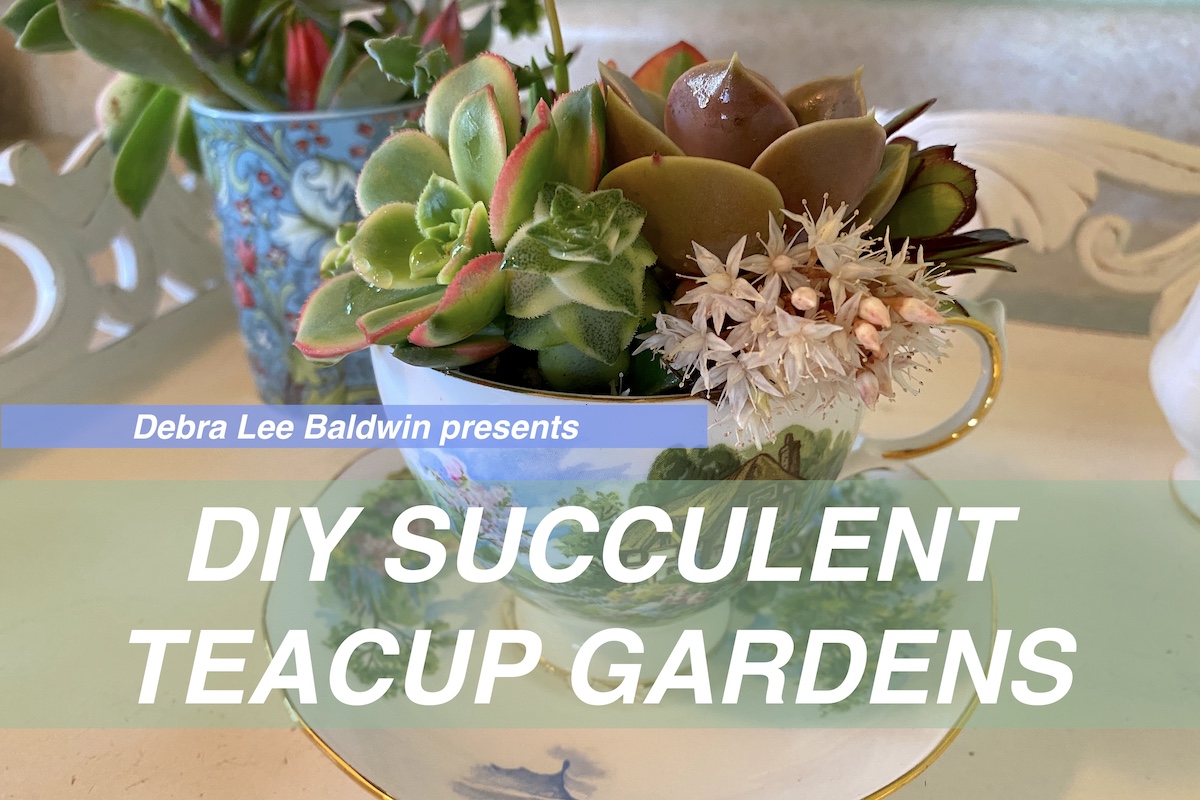
Succulent teacup gardens are lovely on windowsills, sunny shelves and outdoor tables, either individually or grouped. They're quick and easy to make and are ideal gifts for succulent lovers. When cuttings outgrow the cups, transplant them into larger pots or the garden. No need to add drain holes; simply water minimally. As you'll see, I've had a teacup arrangement thrive for 18 months!

Debra's Succulent Teacup video

Watch Debra's new DIY Succulent Teacup Gardens video (6:38)

In my new video, DIY Succulent Teacup Gardens (6:32), I use an assortment of cups to showcase colorful cuttings. Teacups---which often come in sets of china---tend to be unused and take up cupboard space. Give them new life as mini-planters. To make these cutting combos look high style, use dainty, thumbnail-sized rosettes. The more color the better, especially if it matches colors in the cup. If you also echo a pattern---like daisies or roses---your mini-garden will look amazing.

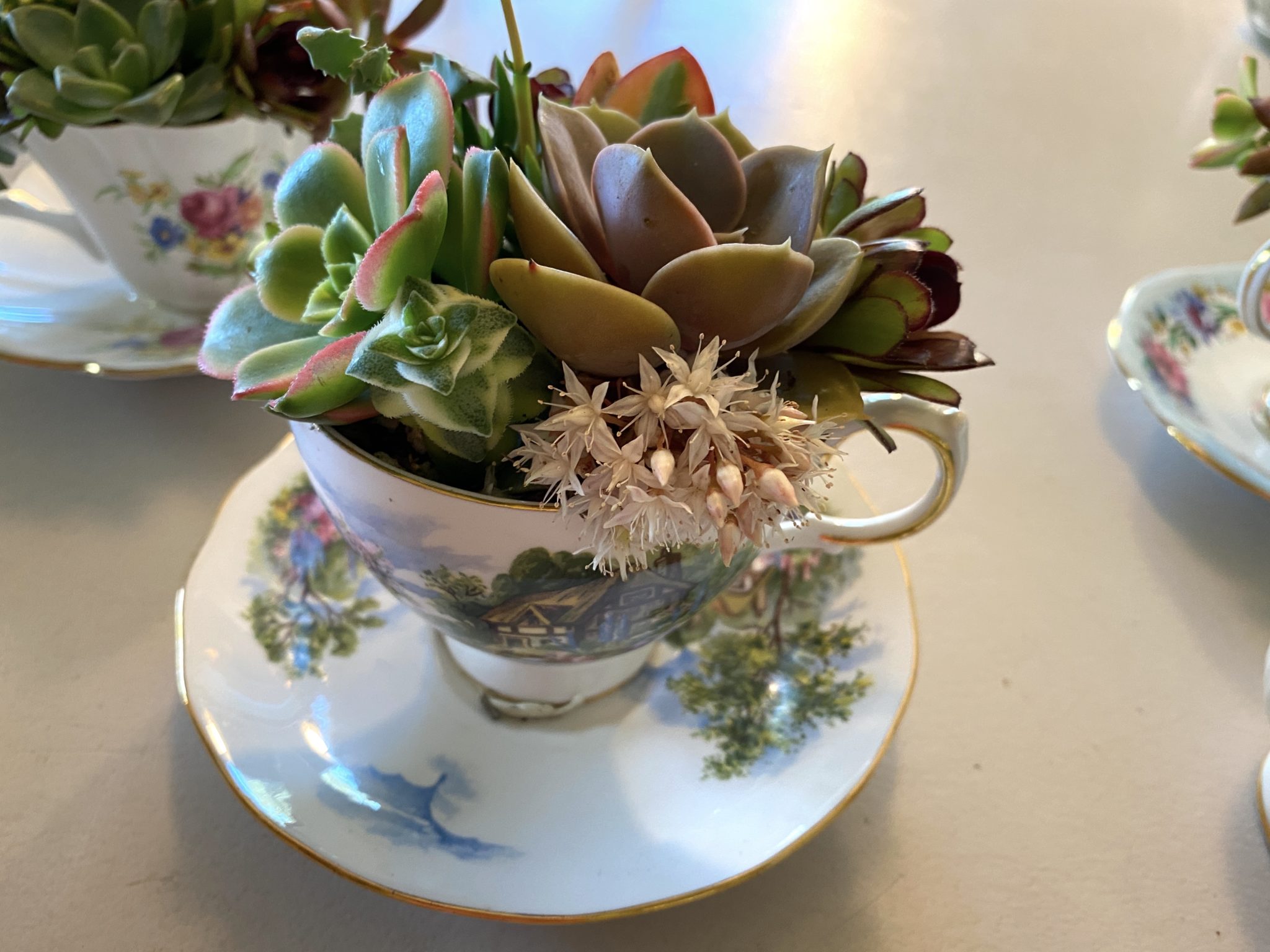
Teacup succulent garden

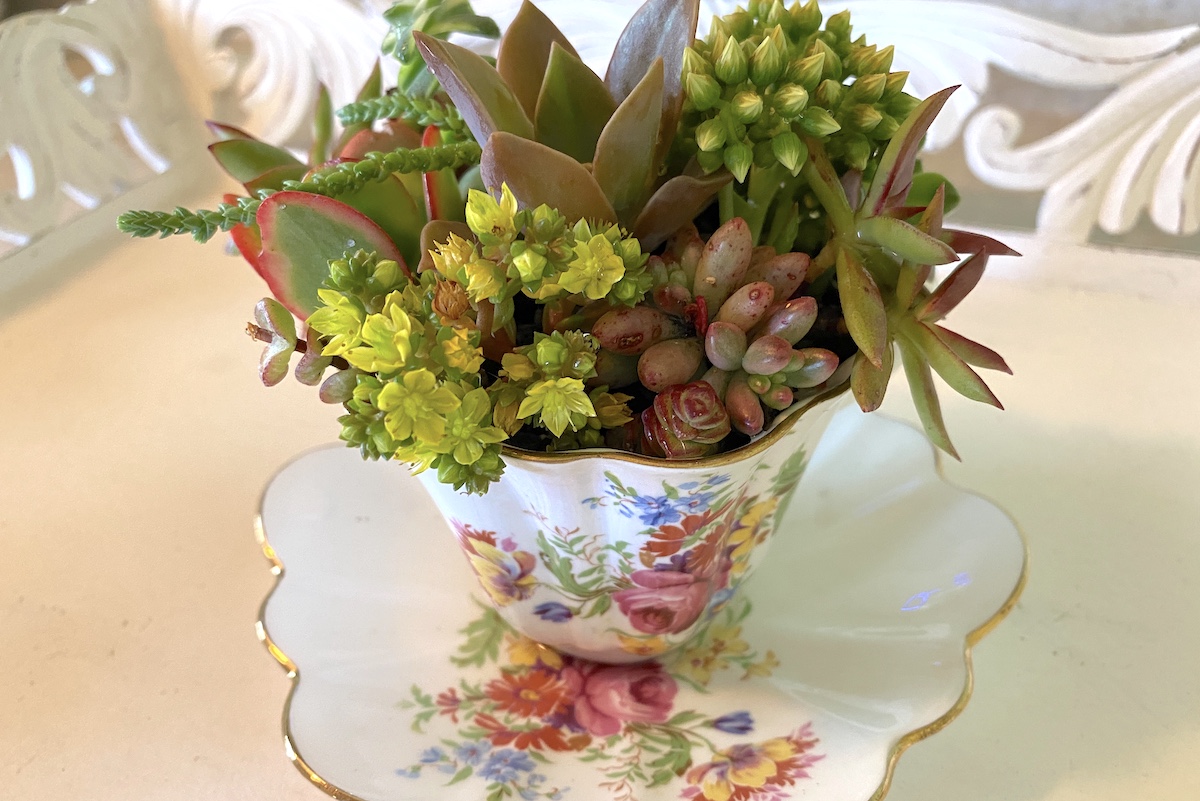
If a teacup has flowers in the design, add a few flowers to the arrangement.

How to Make a Succulent Teacup Garden, DIY

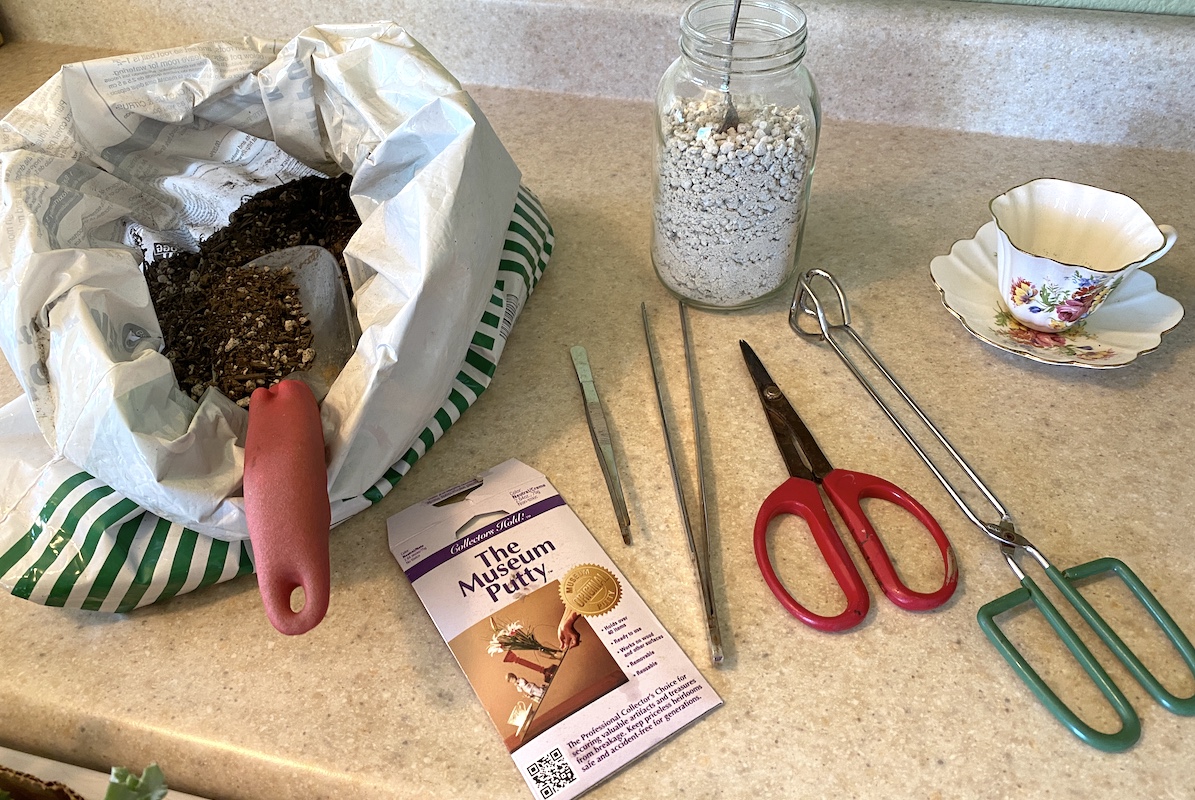
Materials for one teacup

Click links for sources. Some are affiliate.

Tools and materials for succulent teacup gardens

Tools and materials for succulent teacup gardens

Method

  1. Assemble your cuttings. Trim lower leaves so each has about an inch of stem to insert into soil.
  2. Attach cup to saucer to secure it, so it won't slide, using museum putty or floral clay.
  3. Fill cup halfway with pumice and the rest with "cactus mix" potting soil...or just fill to the brim with cactus mix.
  4. Arrange cuttings, starting with the largest. Position it just off-center.
  5. Add assorted smaller cuttings until no soil shows.
  6. Optional: Add a dainty spray of succulent flowers.
  7. Brush spilled soil from the saucer.
  8. Dribble water onto the arrangement to clean and settle it.

Care

Once a week or so, depending on the weather, give the mini-garden about an ounce of water. Think of it as adding cream to your coffee. Soil dries out quickly in a small container, so there's little danger of roots rotting, especially if you've added pumice to absorb excess moisture. Aim to keep soil barely moist. An hour or two of sun daily keeps plants compact and colorful. Protect from frost. Don't let any nondraining container stay soggy due to rain or automatic irrigation.

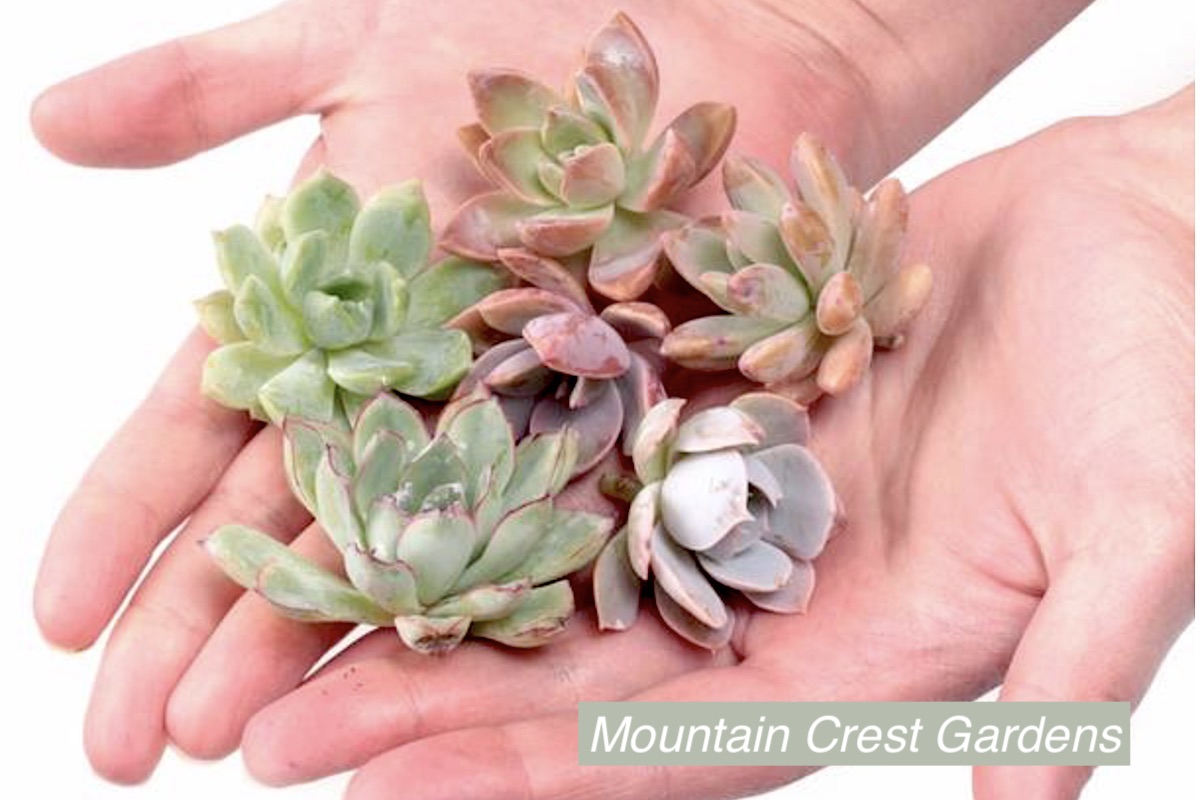
Cuttings from Mountain Crest Gardens

Cuttings from Mountain Crest Gardens

Cuttings will likely root in a few weeks. As succulents grow, they can remain in the arrangement, or be transferred into a larger pot or the garden. Succulent flowers last about a week without water. Unlike cuttings, flowers won't root and will need replacing.

Succulents I used

For my video's three teacups, I used a cheerful assortment of cuttings from my garden, including Echeveria 'Perle von Nurnberg', Crassula 'Hummel's Sunset', Crassula tetragona, Crassula 'Baby's Necklace', Crassula platyphylla (regular and variegated), Crassula perforata 'Variegata', a spray of white flowers from Crassula multicava, Cremnosedum 'Crocodile', tiny aeonium rosettes (notably Aeonium 'Kiwi'), yellow and white sedum flowers, pale yellow aeonium flowers, Senecio serpens, Sedum rubrotinctum, Lampranthus deltoides, Portulacaria afra 'Variegata', and Kalanchoe daigremontiana. But it really doesn't matter.

Succulent Teacup garden

Sedum flowers enhance a succulent teacup garden that includes Echeveria 'Perle von Nurnberg', Aeonium 'Kiwi' and Crassula perforata 'Variegata'

See the video

In my new DIY Succulent Teacup Gardens video, you'll watch me assemble five different mini arrangements.

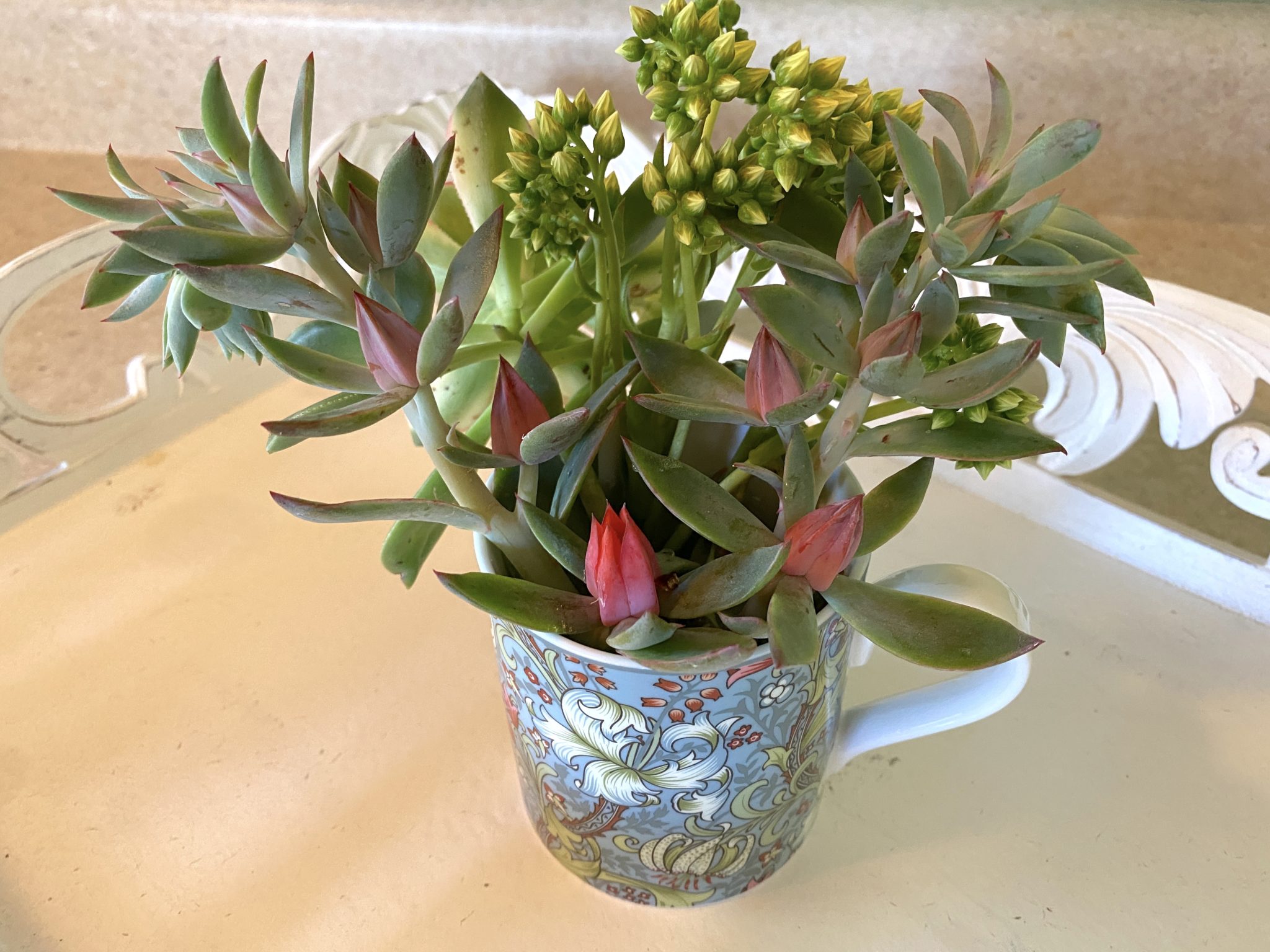
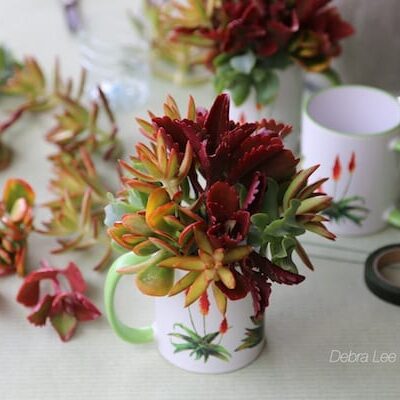
Succulents in water

Succulents in mug used as a vase (it's filled with water) create a simple bouquet. Note how the pink echeveria buds echo those in the mug's pattern.

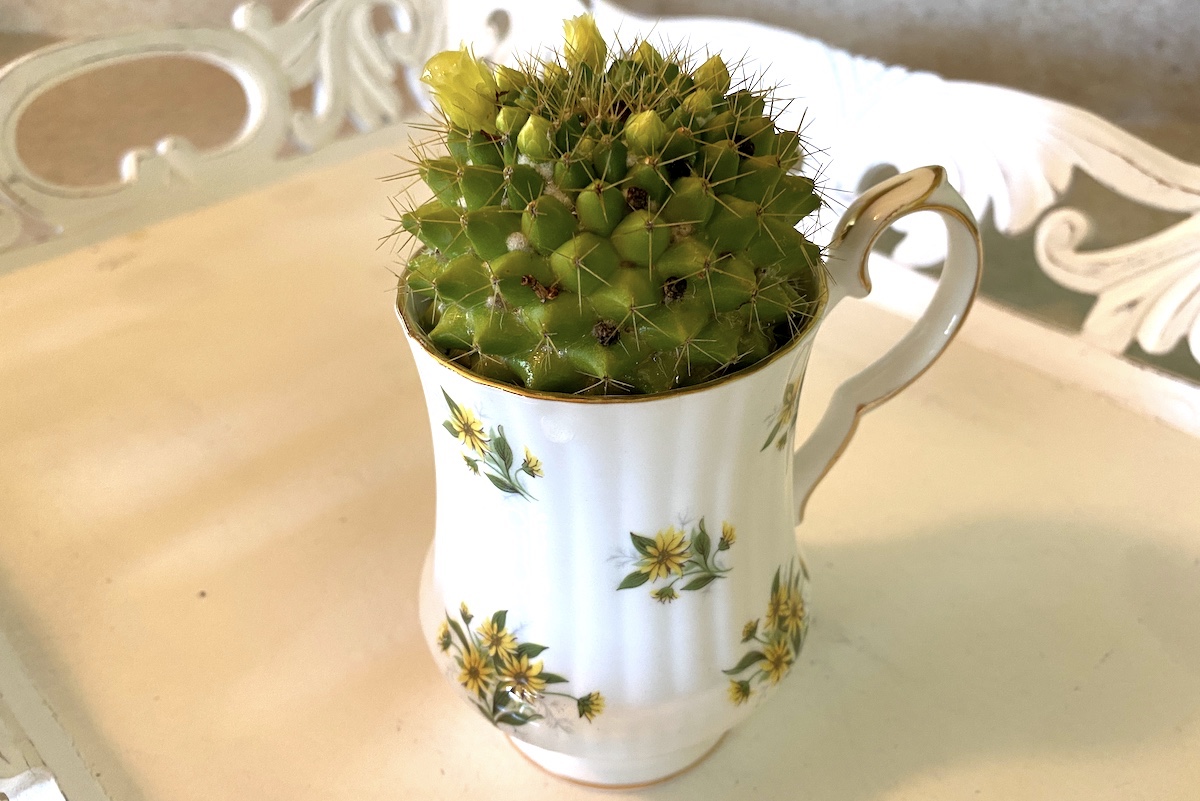
Additionally, I used two mugs---one as a vase filled with water for a bouquet, and the other as a pot for a mammillaria cactus.

Mammillaria in mug

The mam's yellow flowers and bright green color are a perfect match for this mug.Yes, you can plant cacti in nondraining containers. Case in point is this precedent-setting one, below.

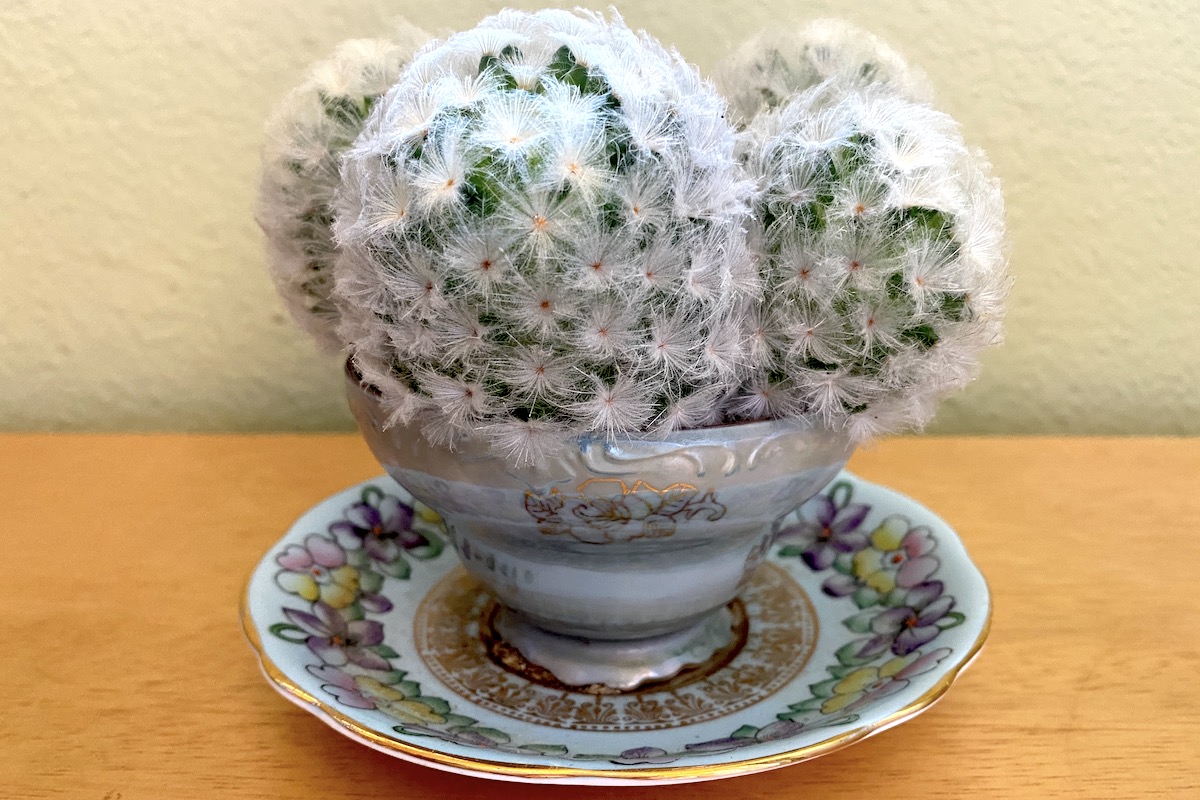
Mammillaria plumosa in teacup

Mammillaria plumosa I planted in a teacup 1-1/2 years ago

Also in the video I show a teacup I planted 18 months ago. The cup's  Mammillaria plumosa has nearly doubled in size!

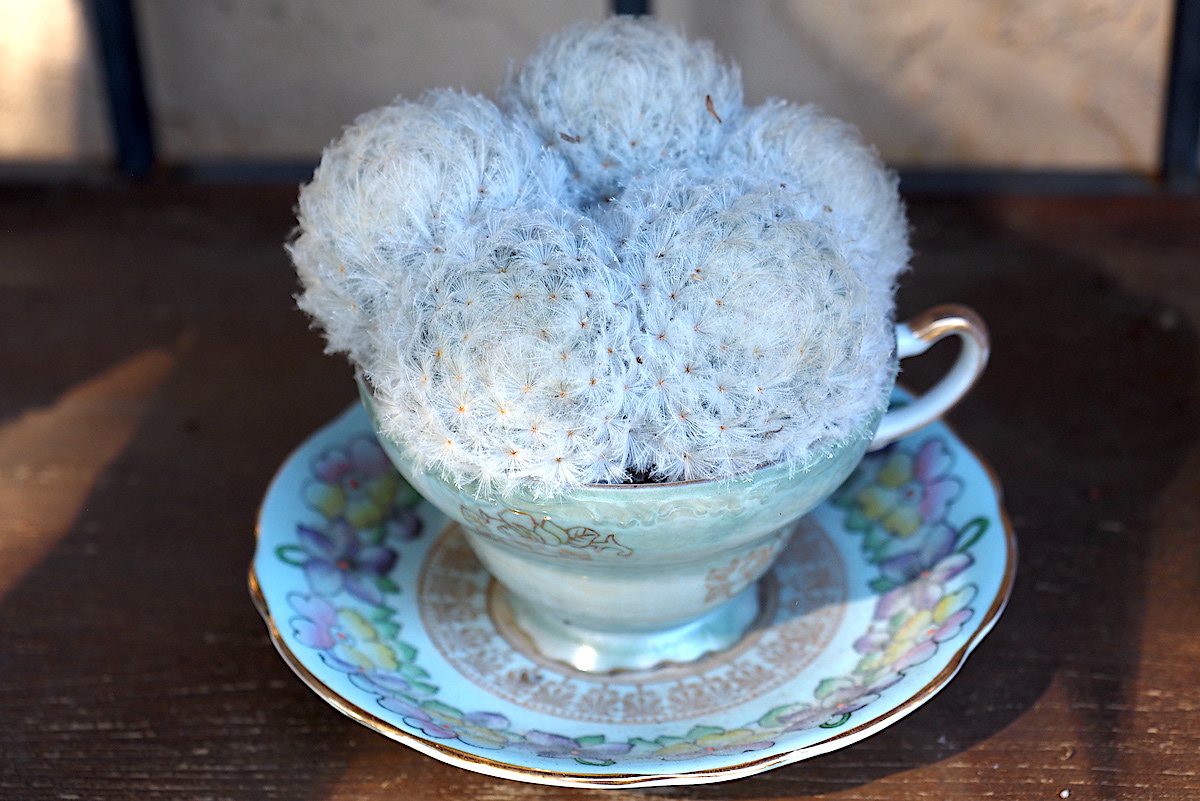
Mammillaria plumosa in teacup

Mammillaria plumosa in teacup, newly planted

I chose that cactus originally because it's white and fluffy-looking, and it reminded me of whipped cream. What do you think: Does this suggest a cup of hot cocoa to you?


Make a Succulent Mug Gift Bouquet

Make a succulent mug gift bouquet the next time you need a little something for a friend or hostess. This transcends the traditional flower-stand bouquet and has utility long afterwards. 

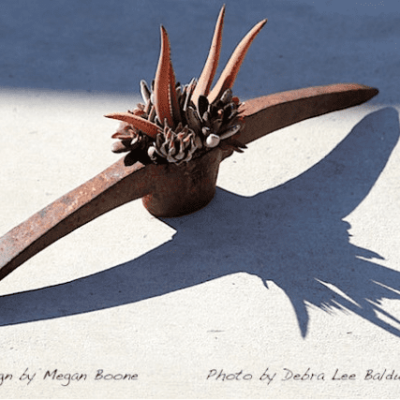
Vintage Containers for Succulents

Megan Boone of Nature Containers Vintage Garden Art uses cast-off objects to showcase succulents. As shown by the planted pick above, Megan brings elegance and whimsy to her artistry. I love how the aloe perfectly repeats the shape and color of the rusty metal, and also emphasizes its arc.

The post Make Succulent Teacup Gardens appeared first on Debra Lee Baldwin. Copyright © Debra Lee Baldwin.


from Debra Lee Baldwin https://ift.tt/2SM6UuV
via IFTTT