lunes, 30 de octubre de 2023

Crested and Monstrose Succulents with Normals Amazing tips

This is the only YouTube video and Gallery showing both normal and crested succulents side-by-side---nearly 90 different kinds!

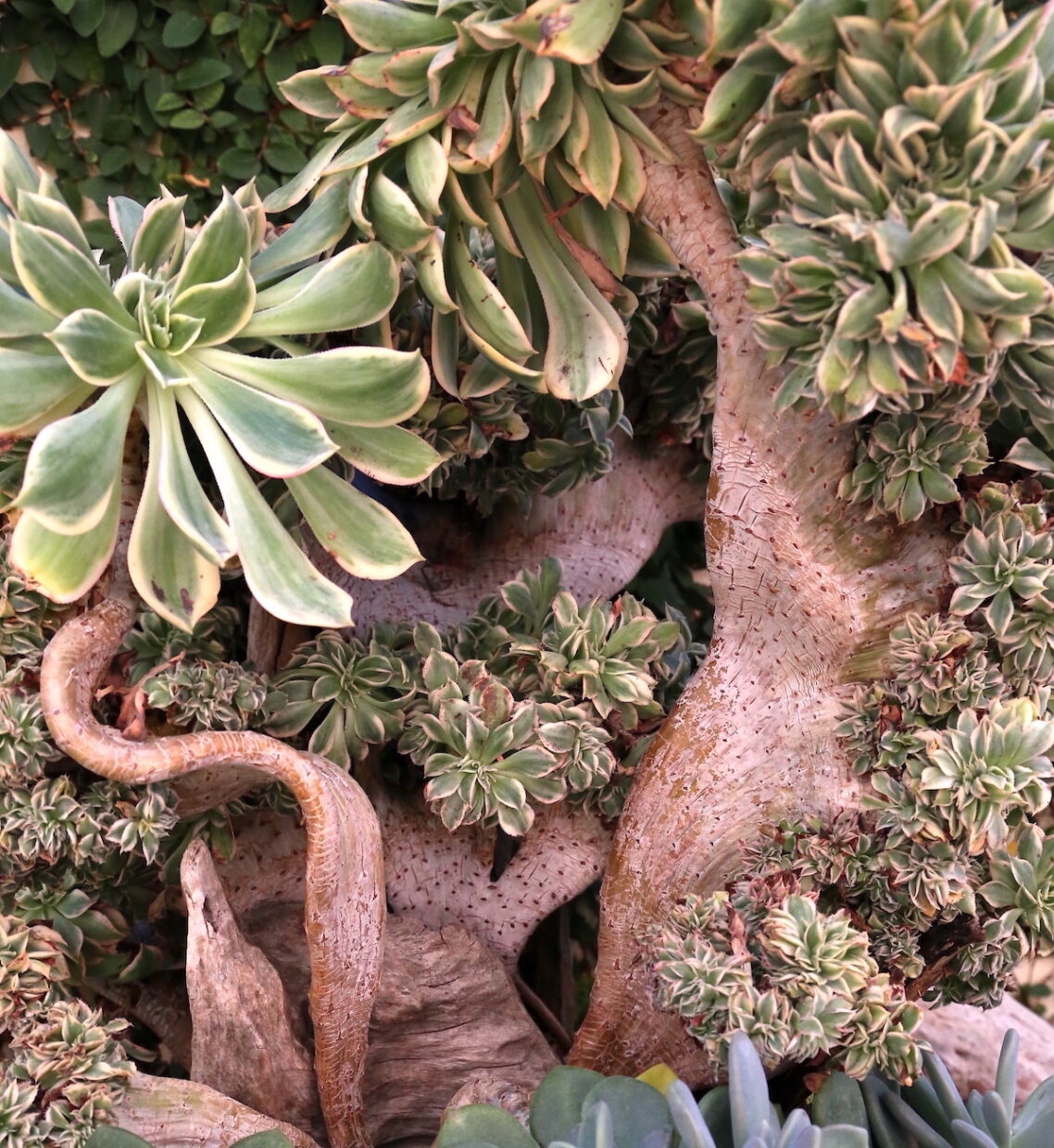
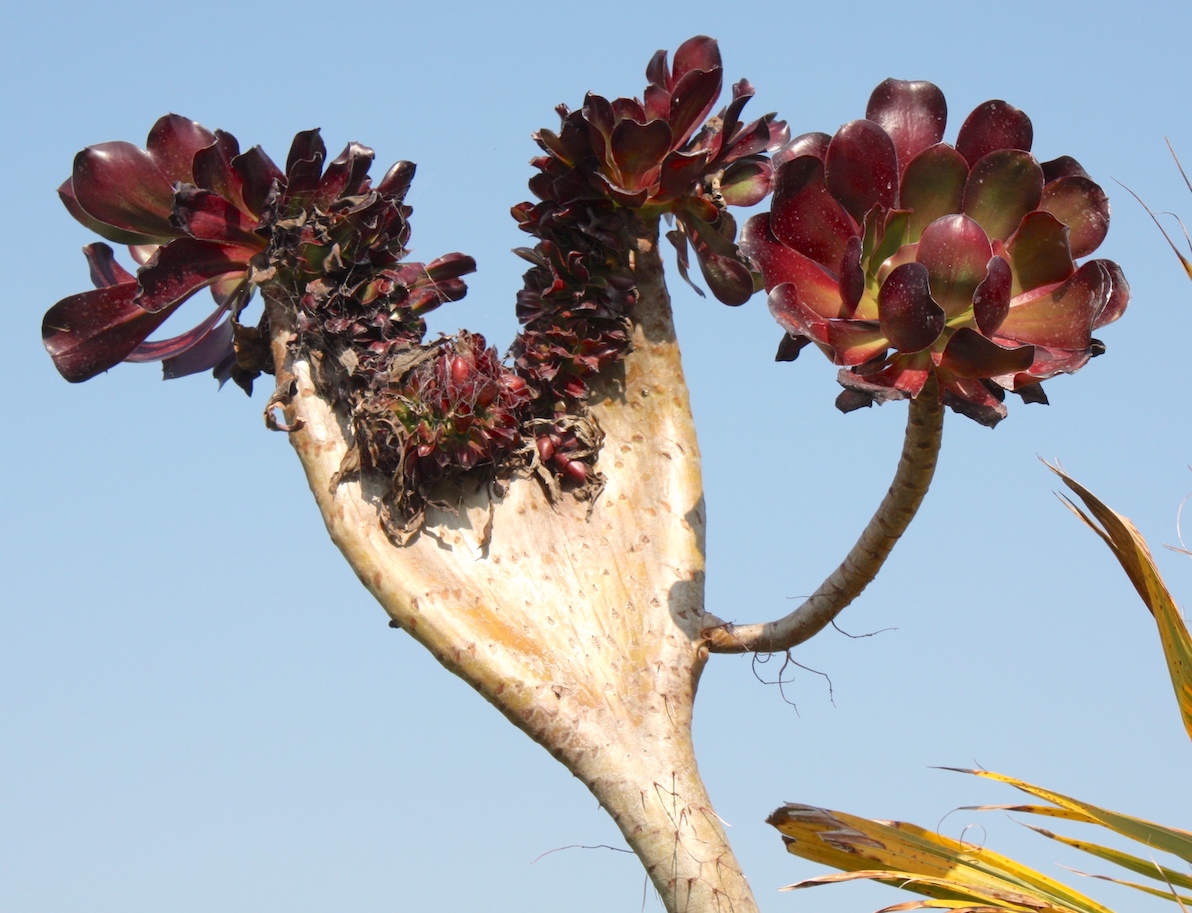
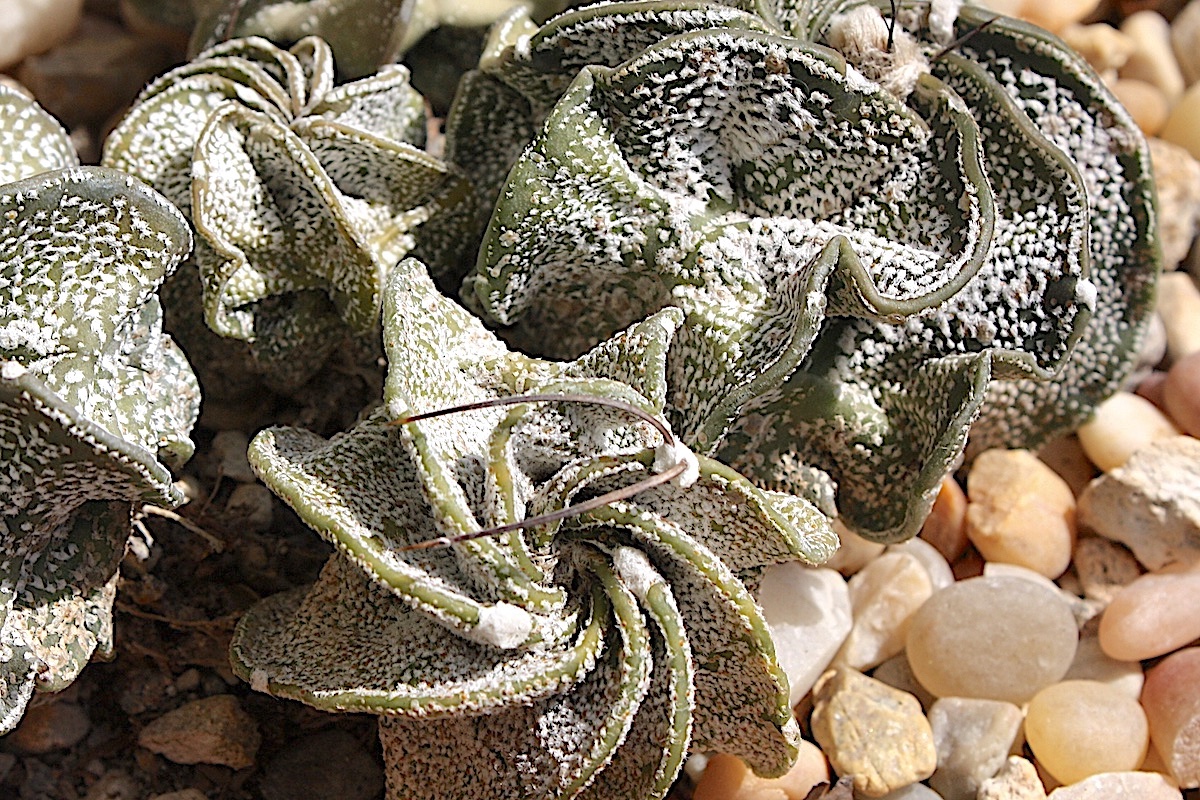
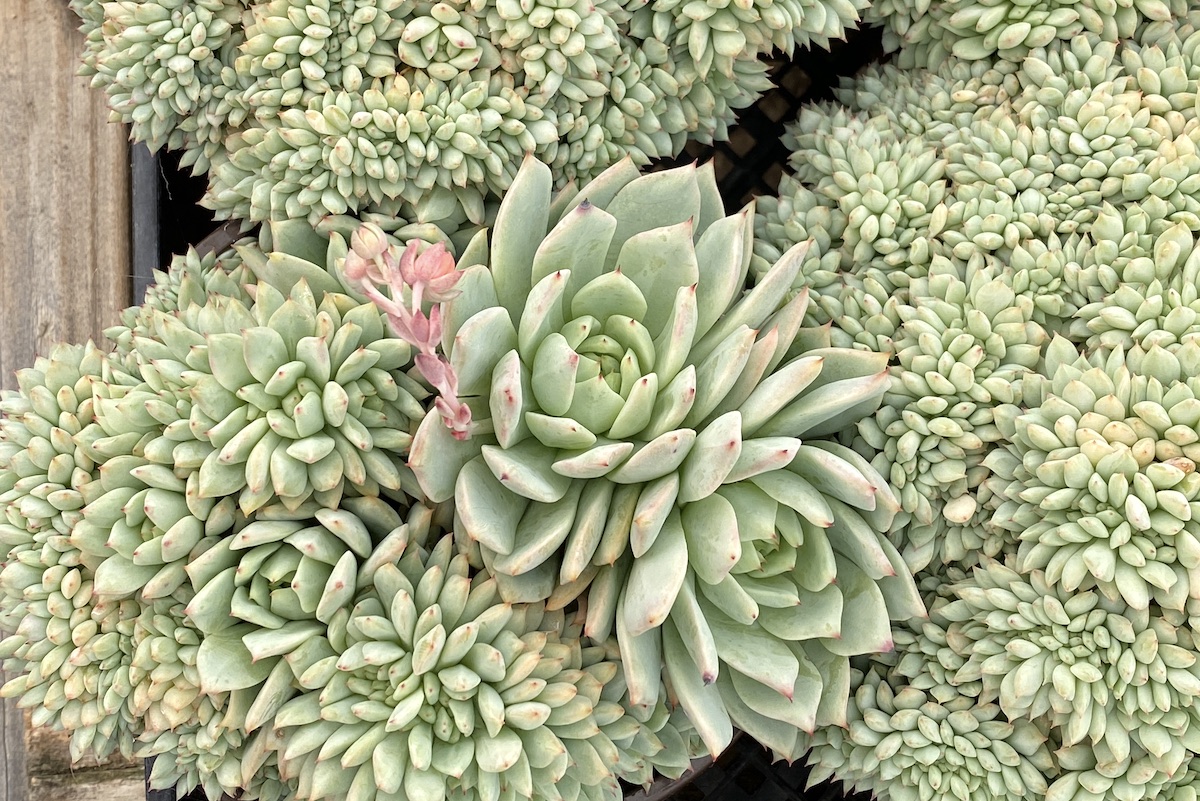
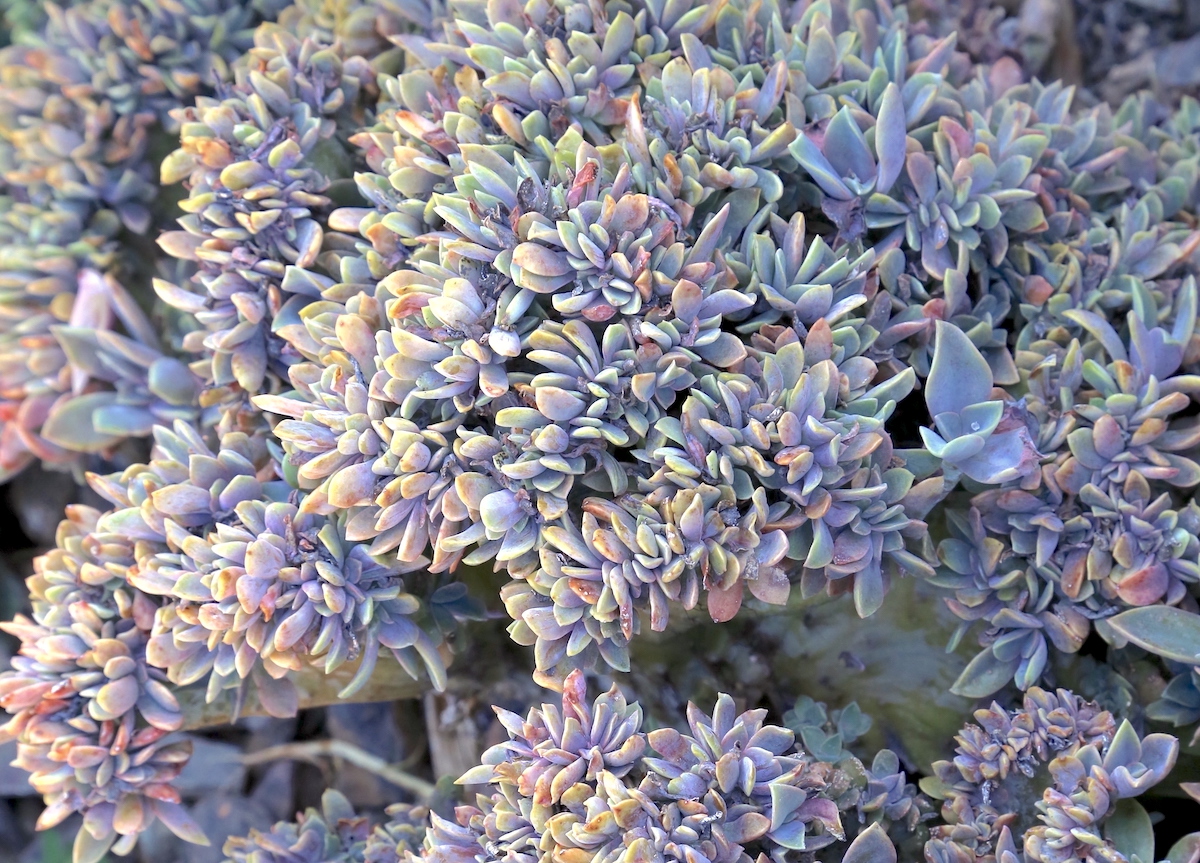
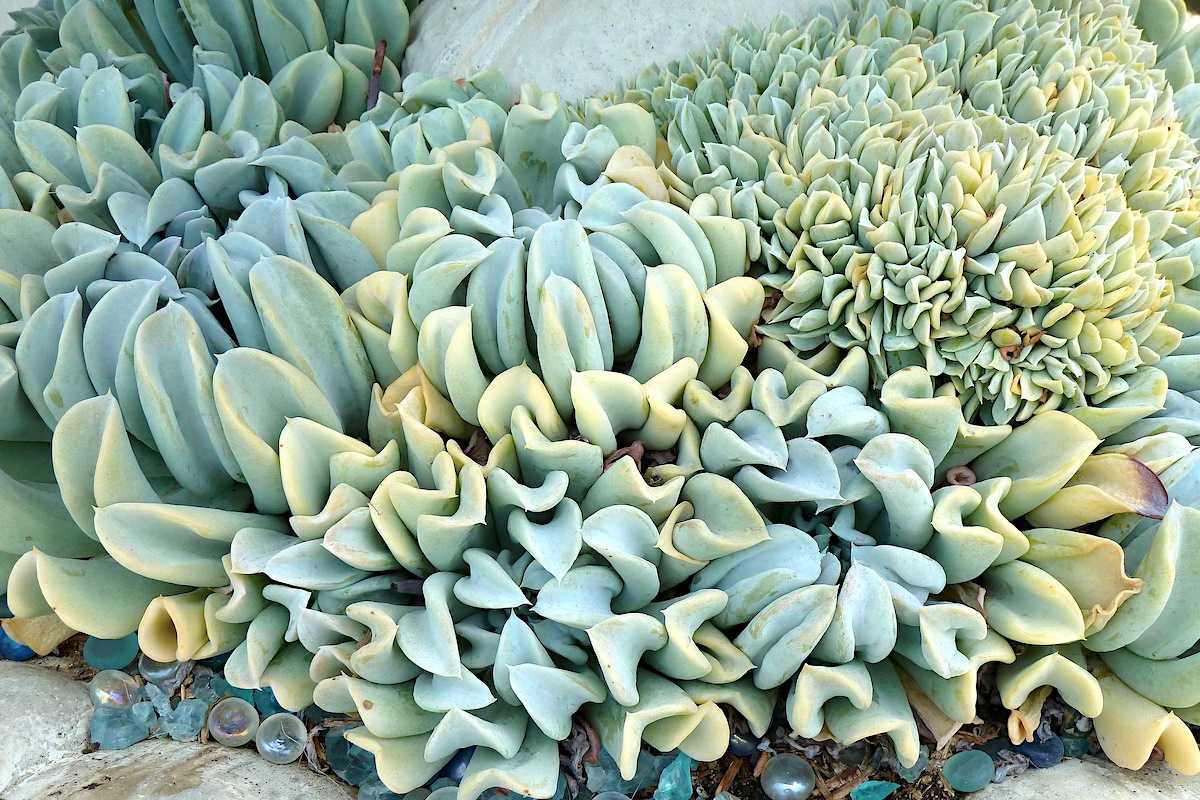
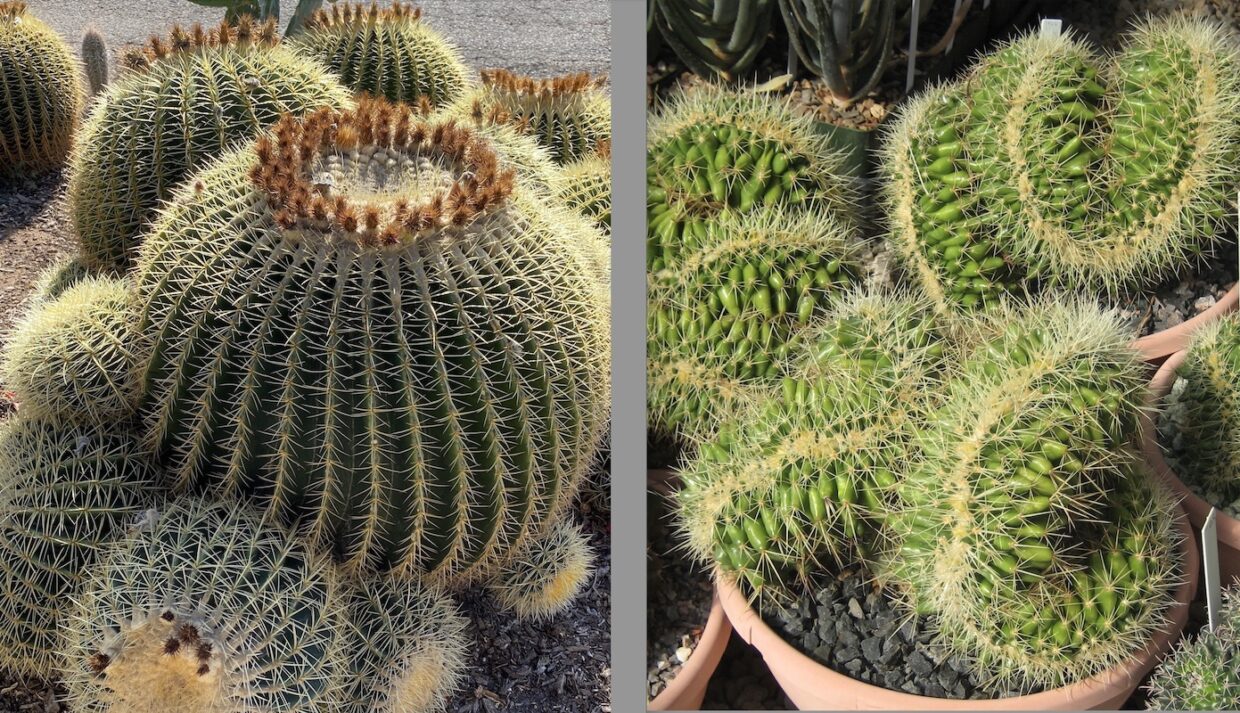
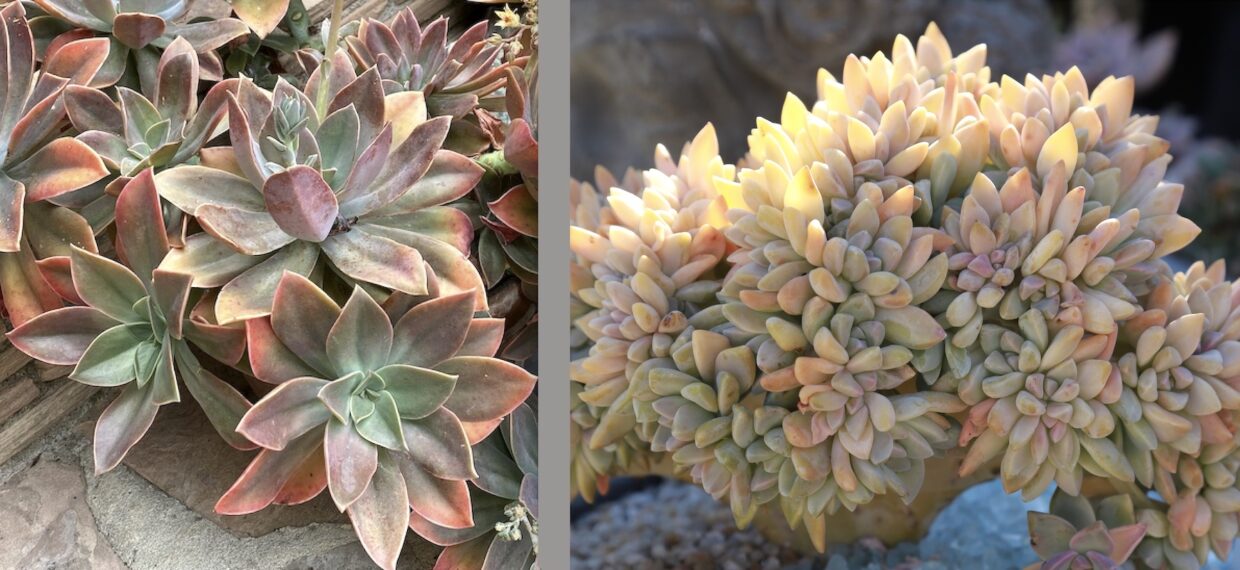
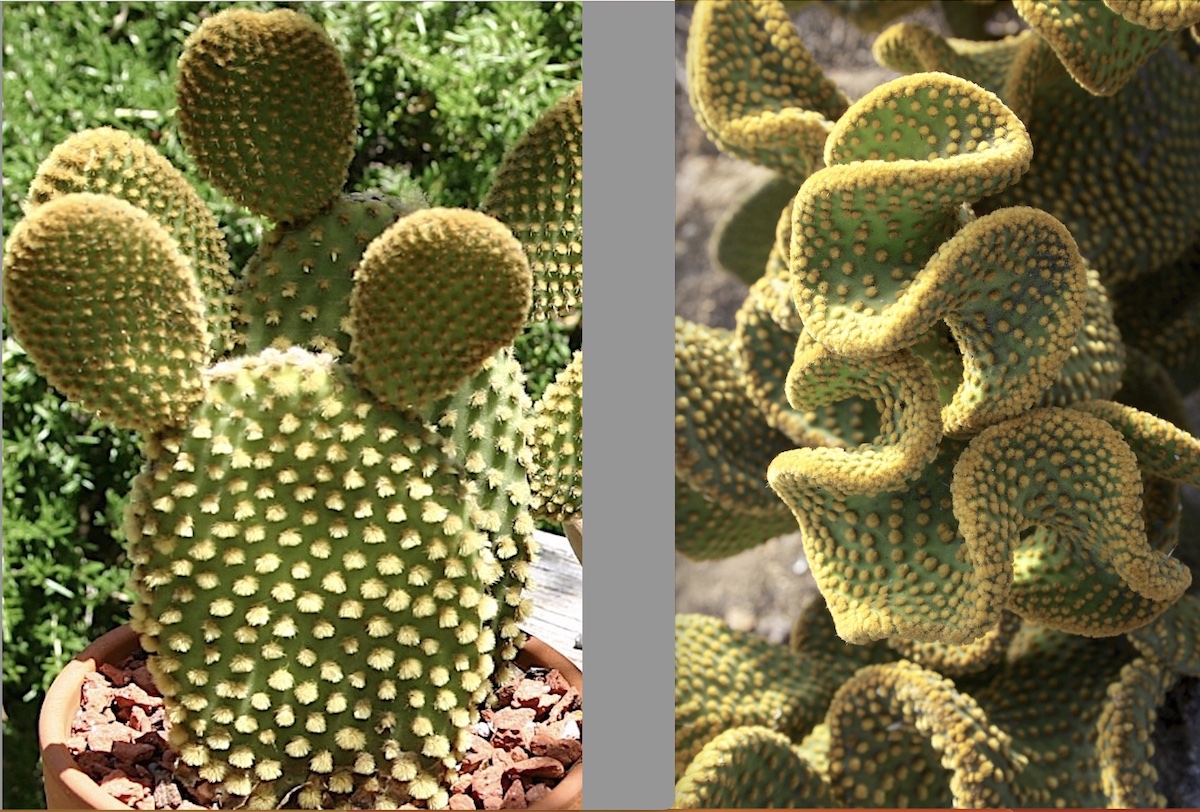
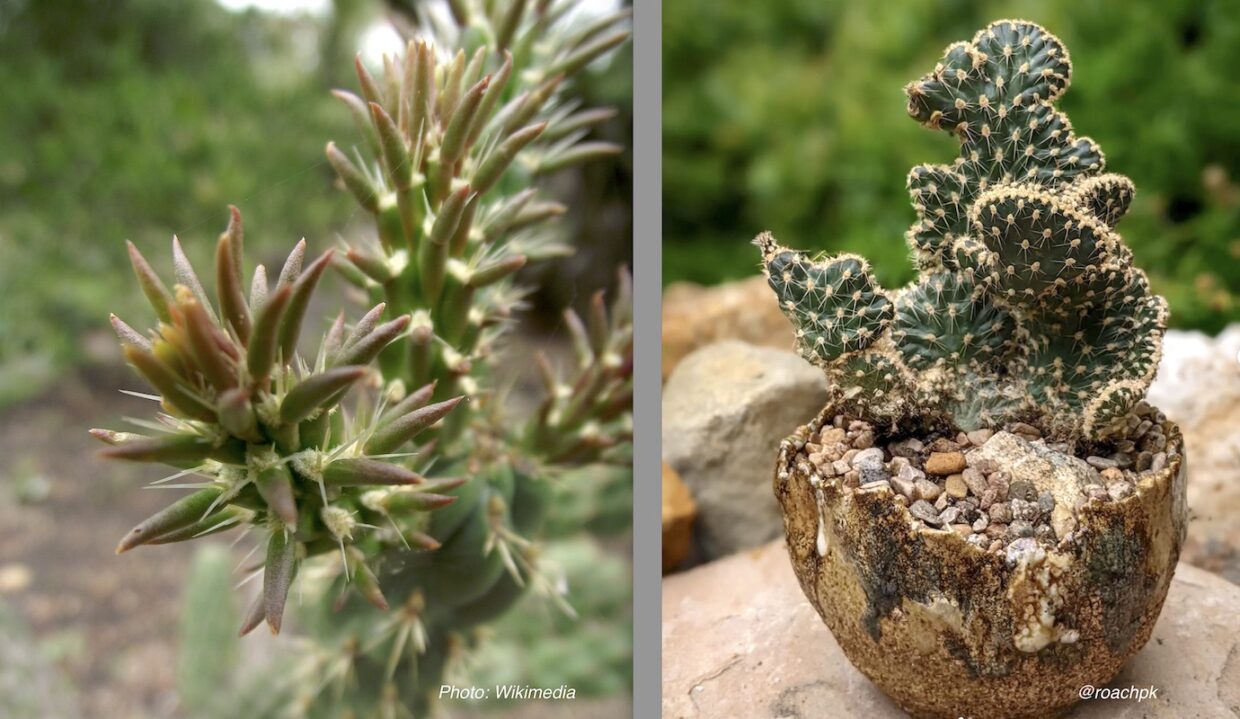
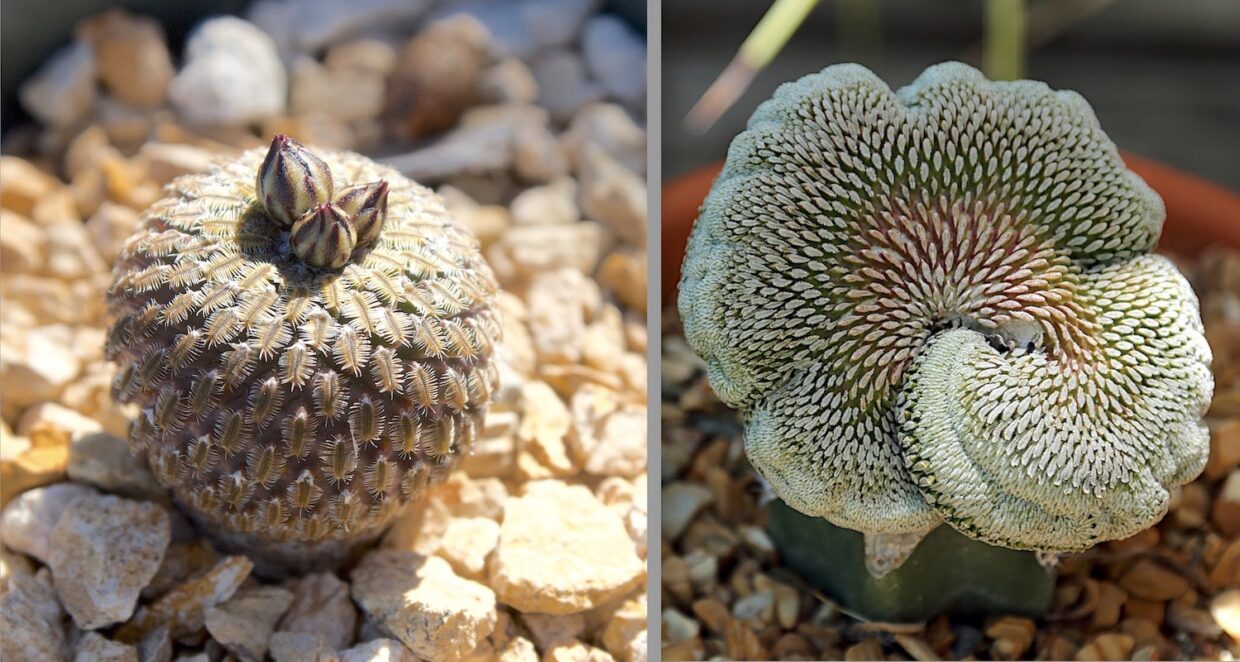
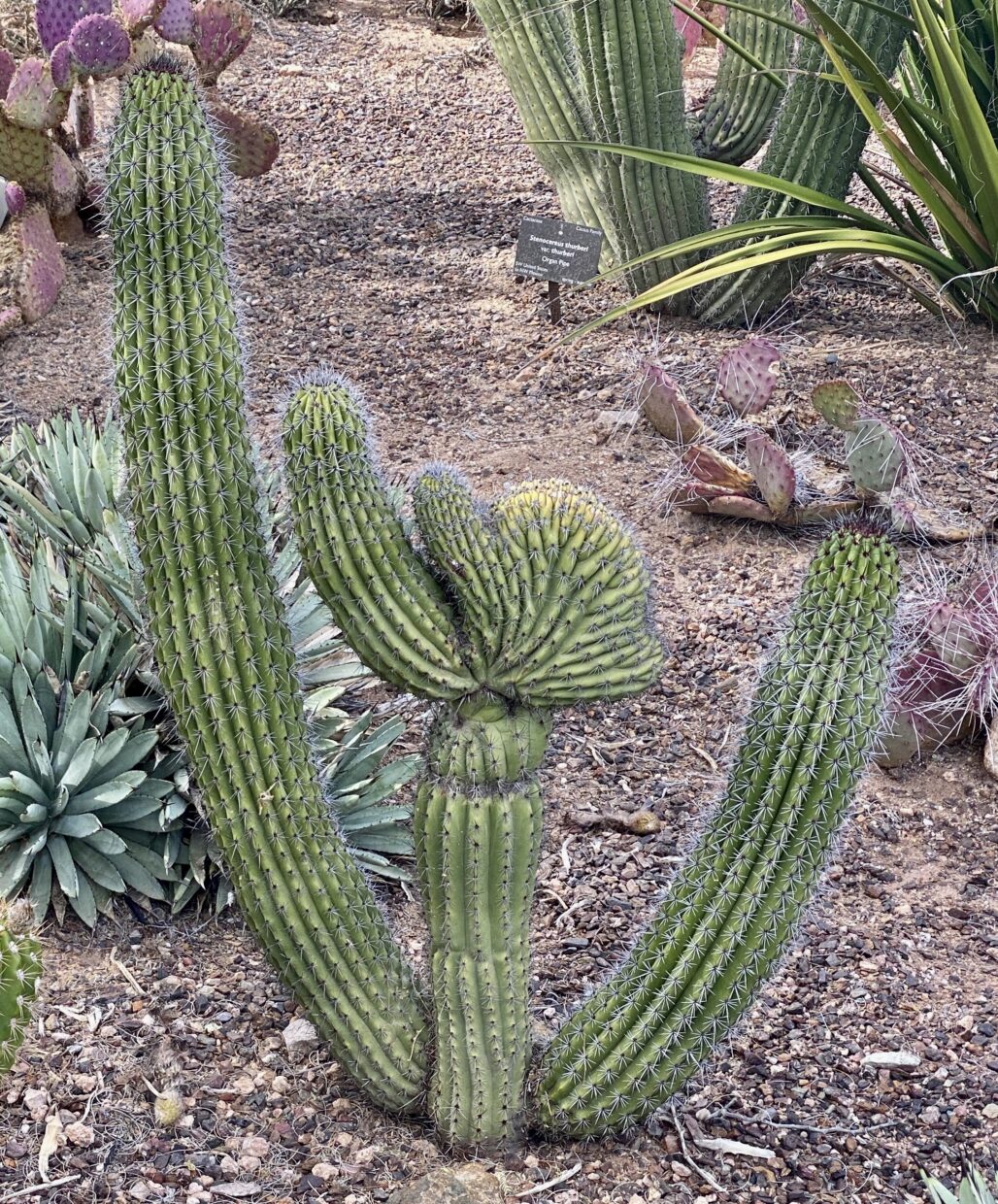
Succulents are unusual in the plant kingdom in that numerous varieties will grow convoluted, twisted, or puckered forms called crests. These look gathered like a waistband or a drawstring purse, and follow curved or serpentine lines. No two are exactly alike---and no succulent collection is complete without a few!
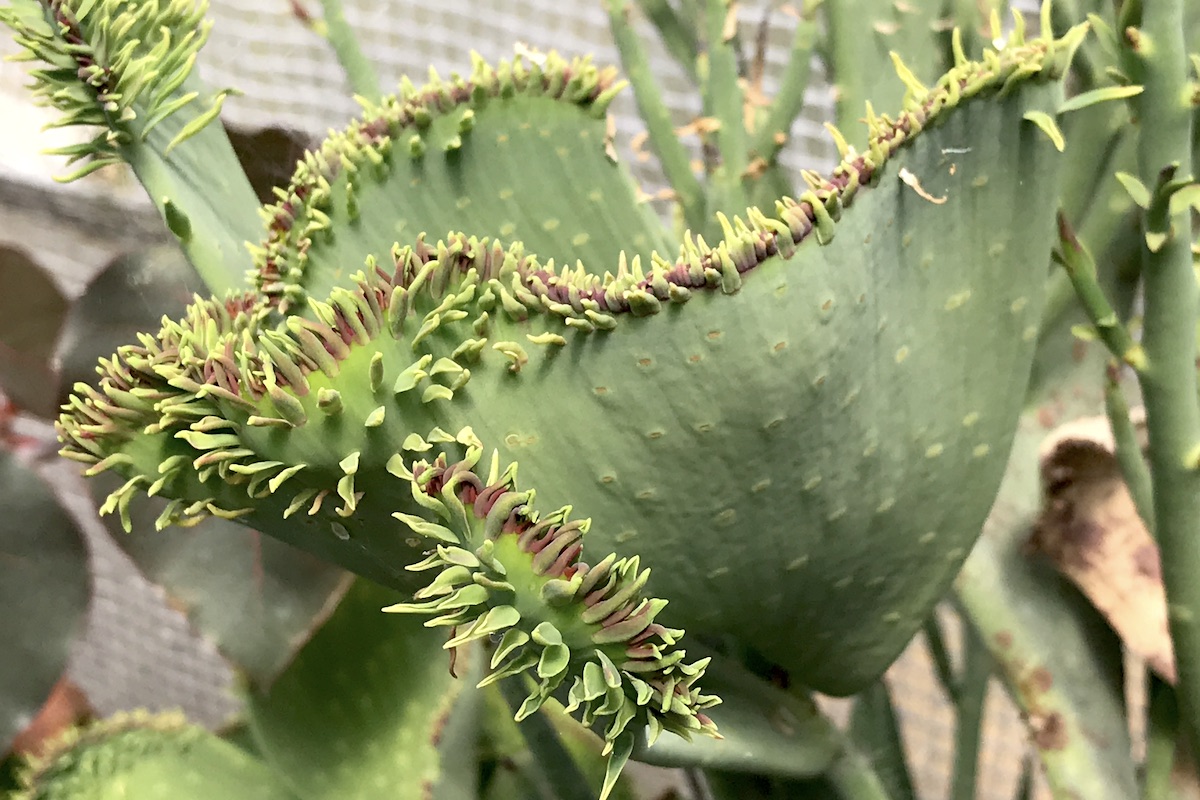
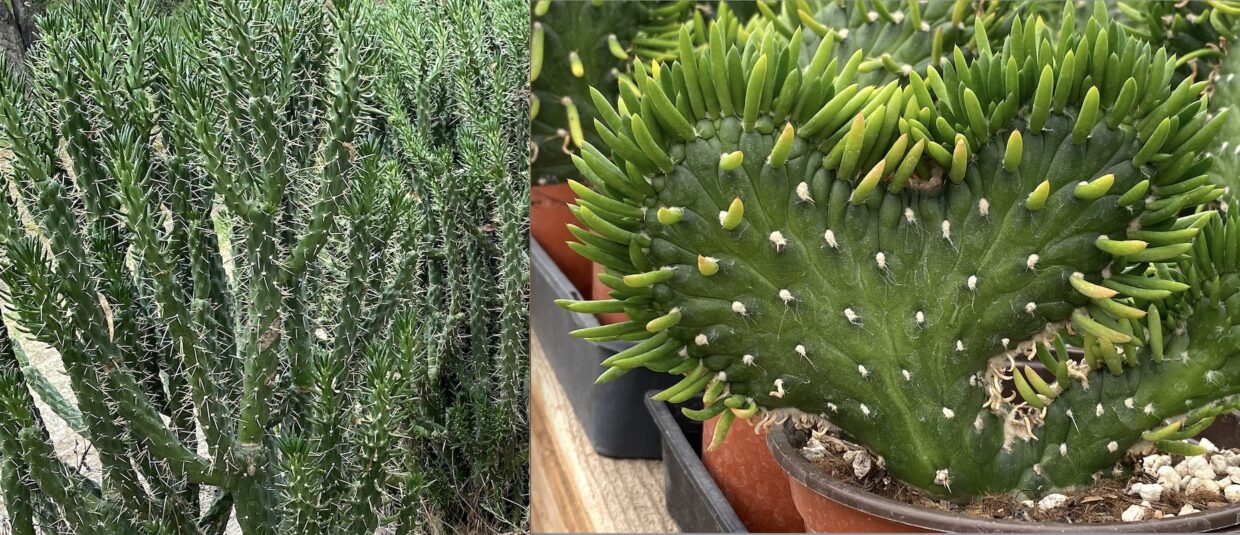
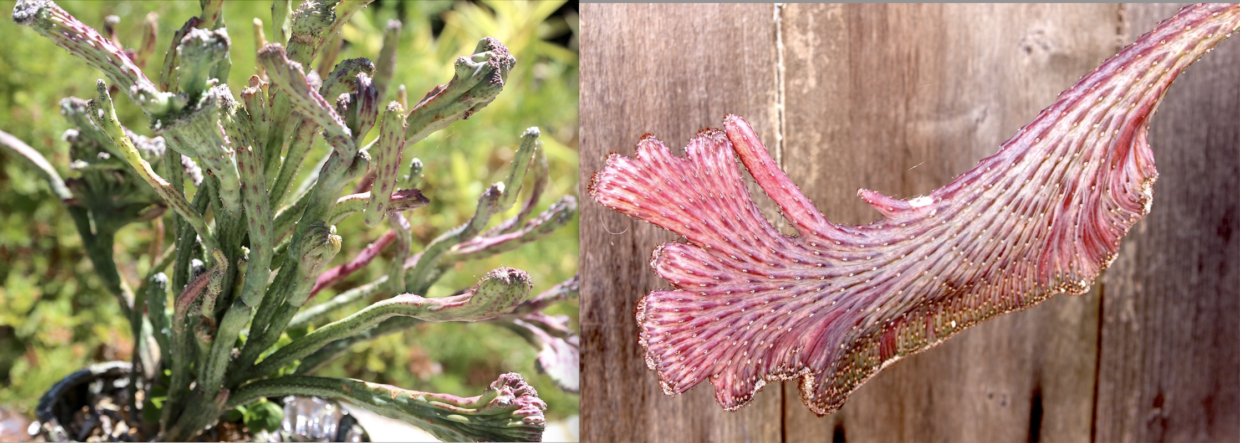
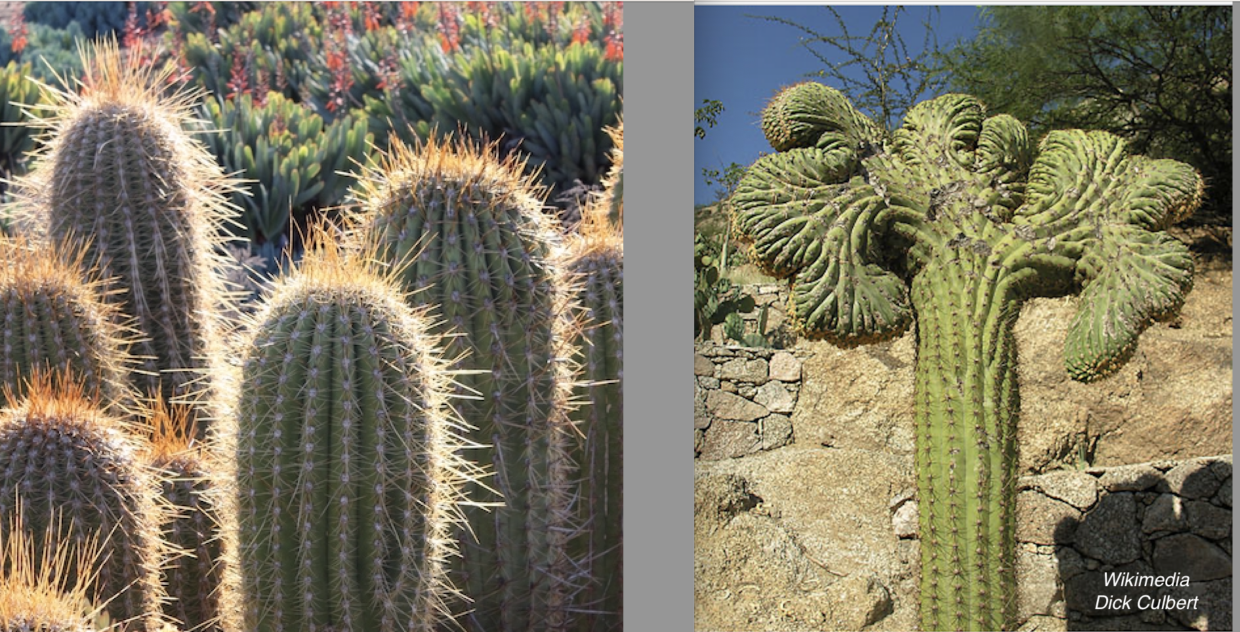
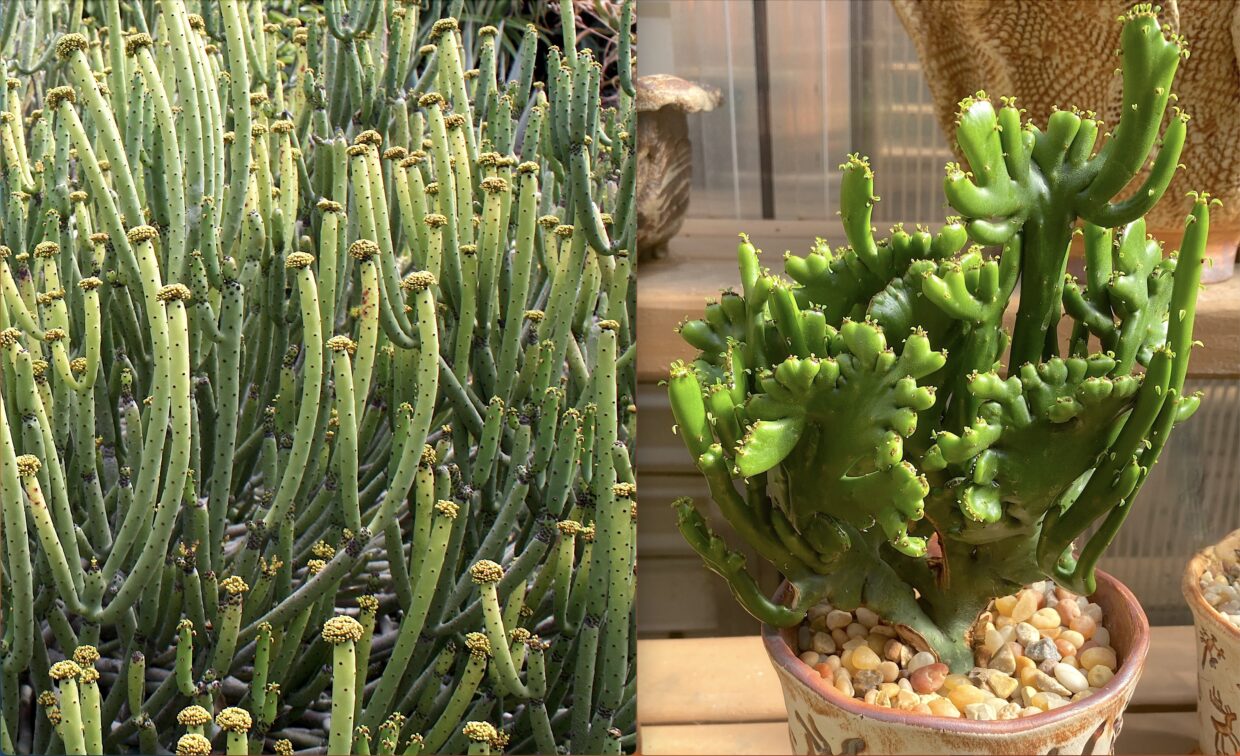
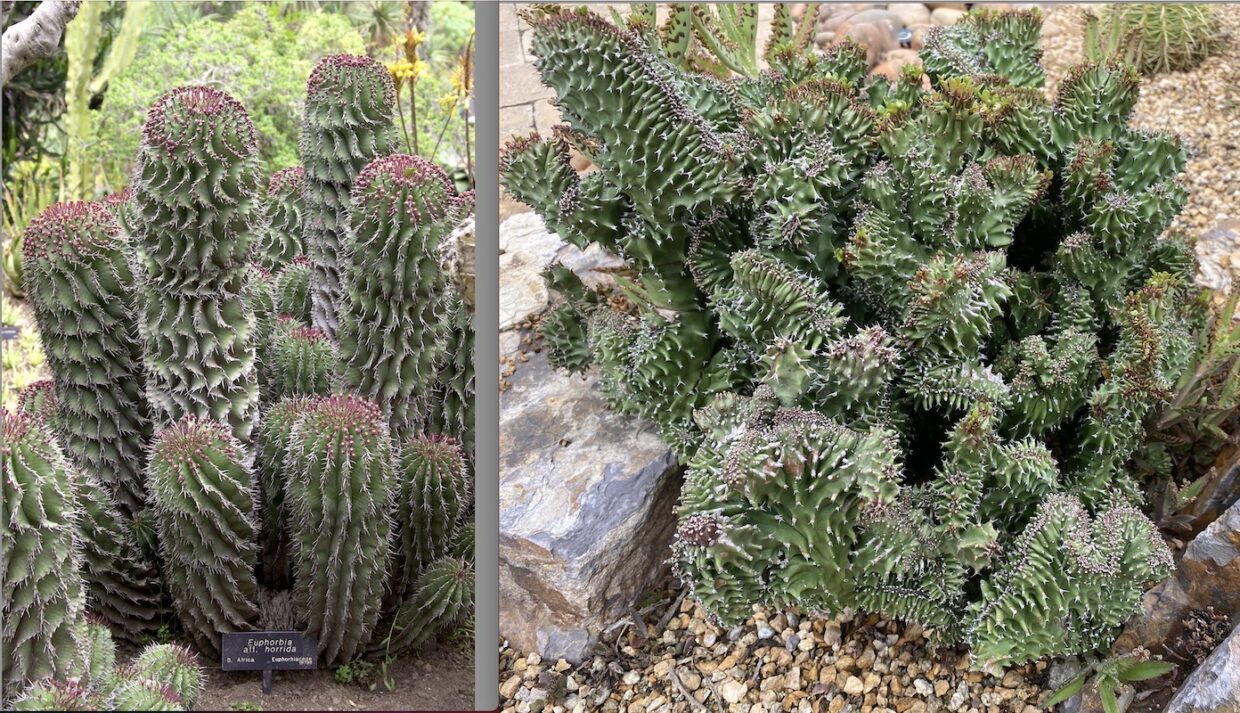
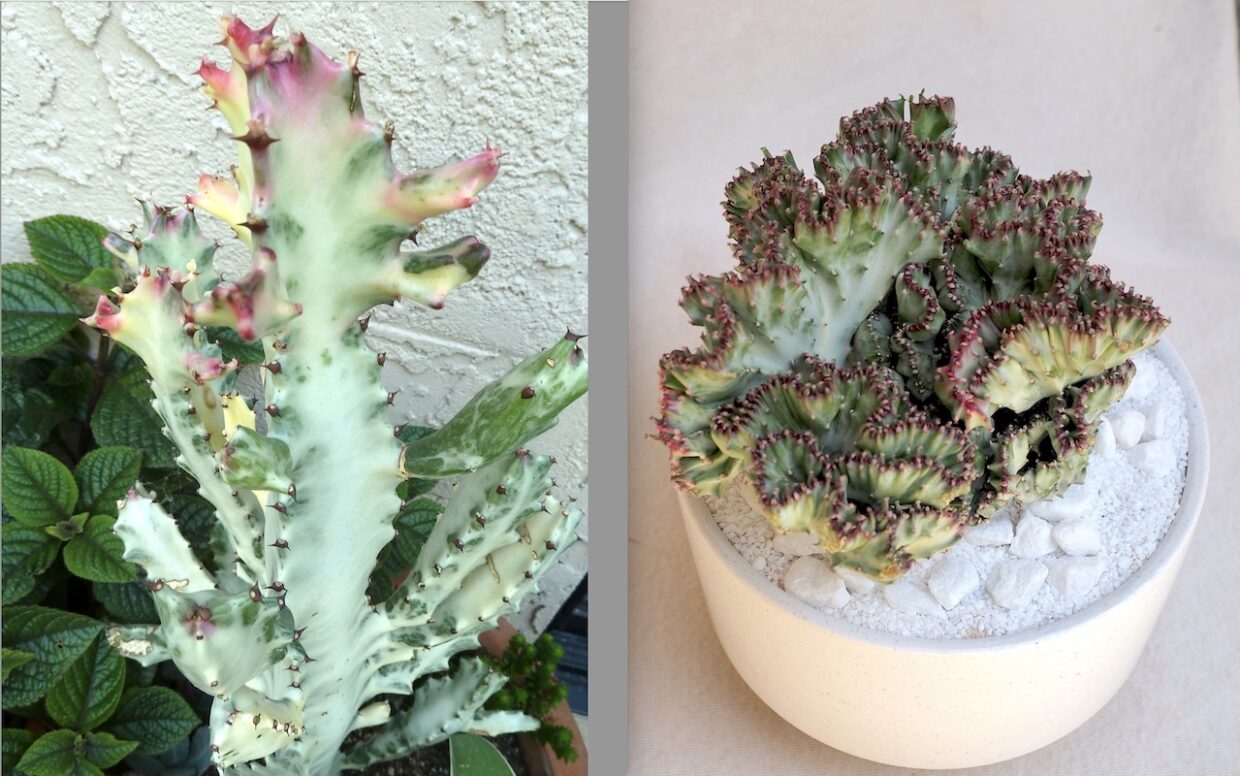
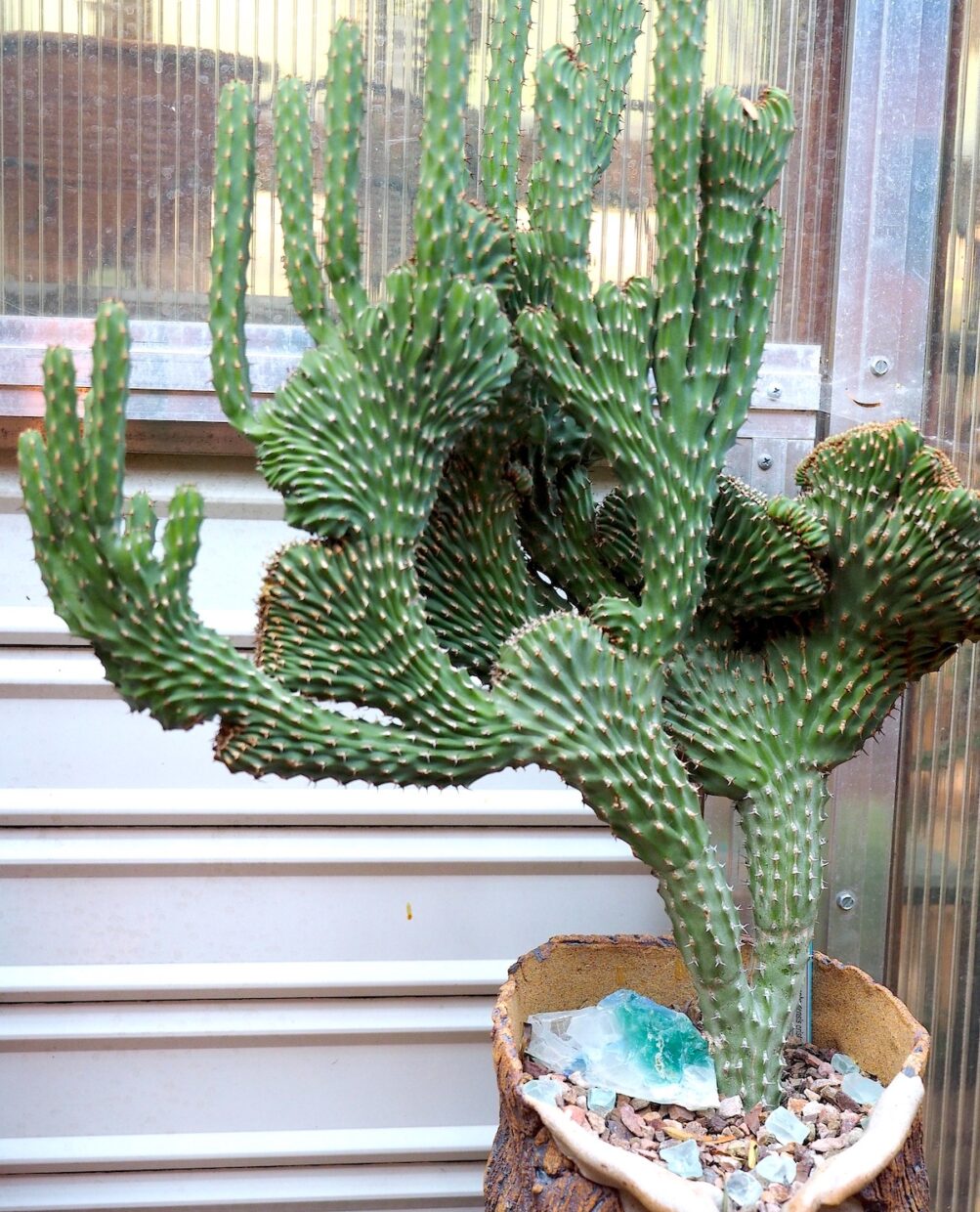
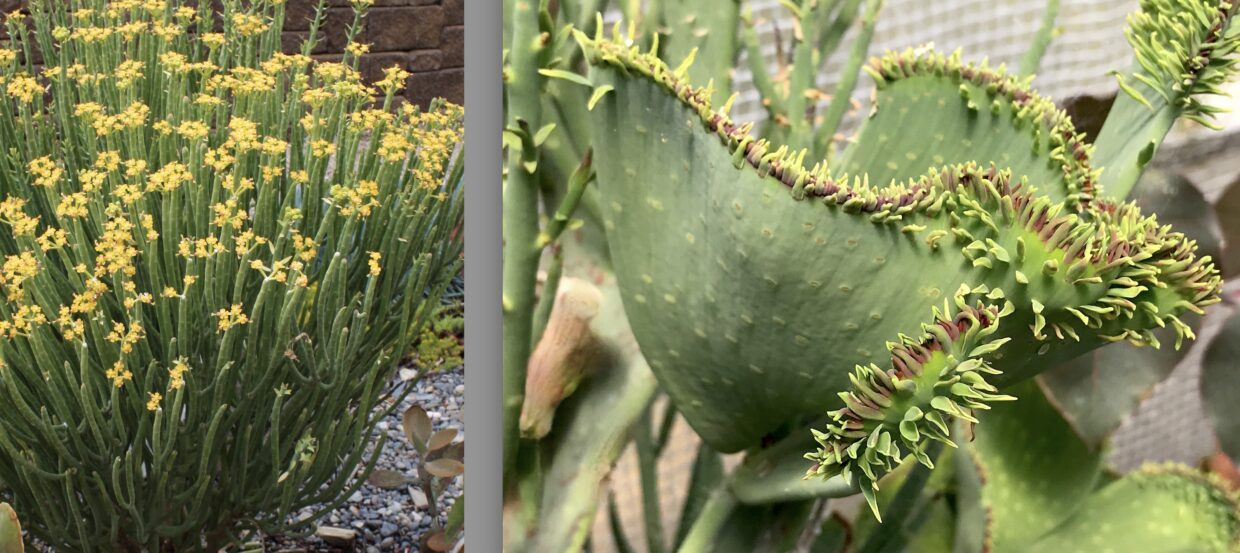
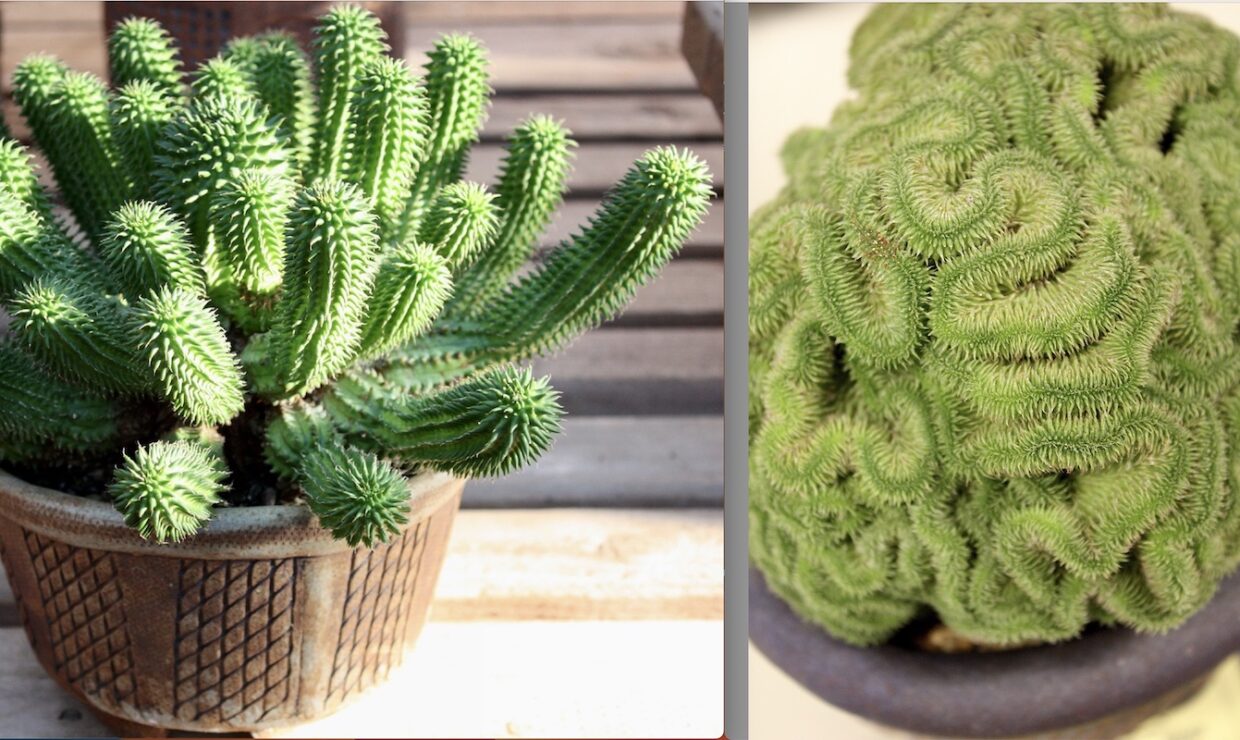
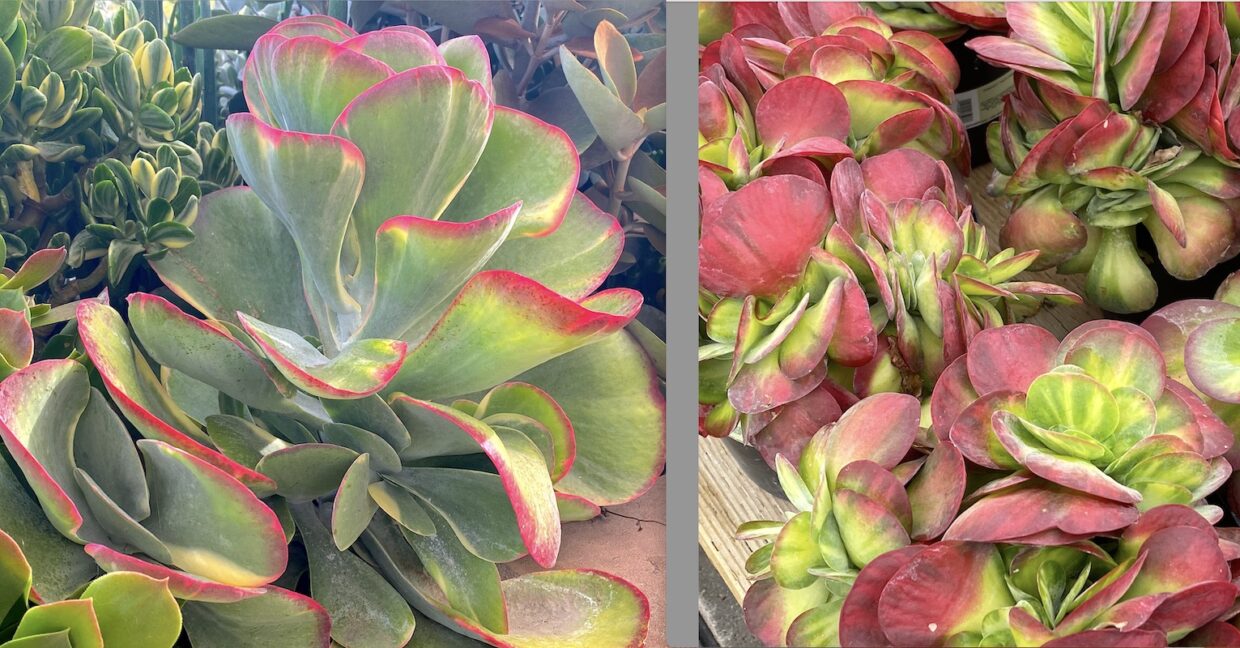
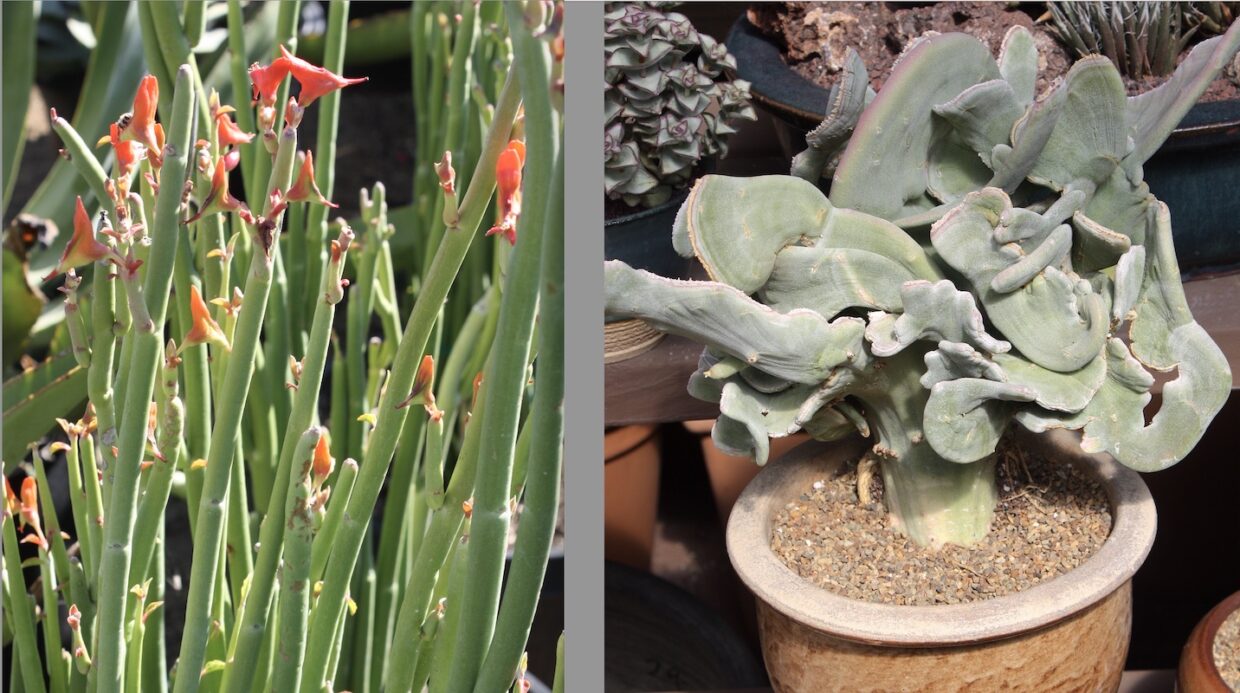
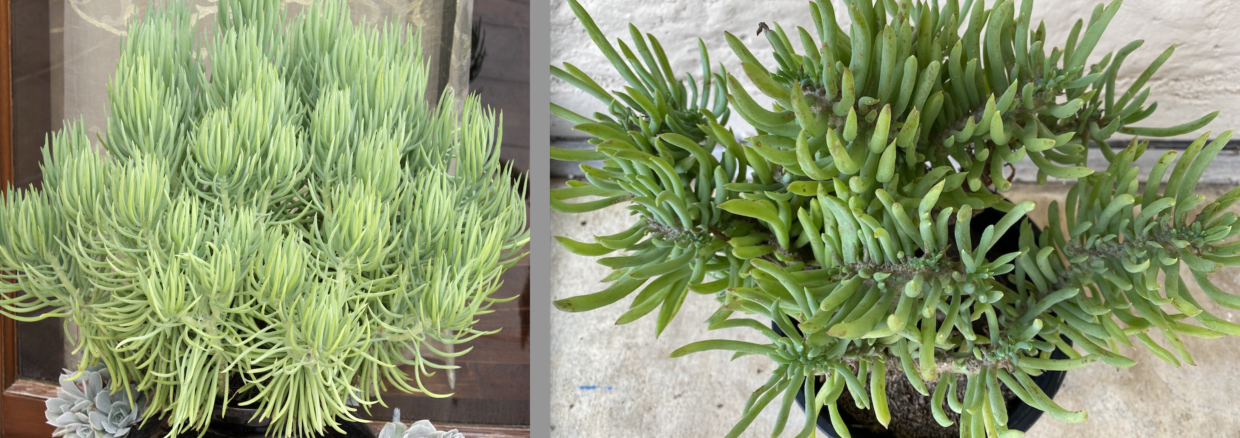
Euphorbia mauritanica (c) Debra Lee Baldwin

Euphorbia mauritanica crest, fasciated. Collection of Tina Zucker

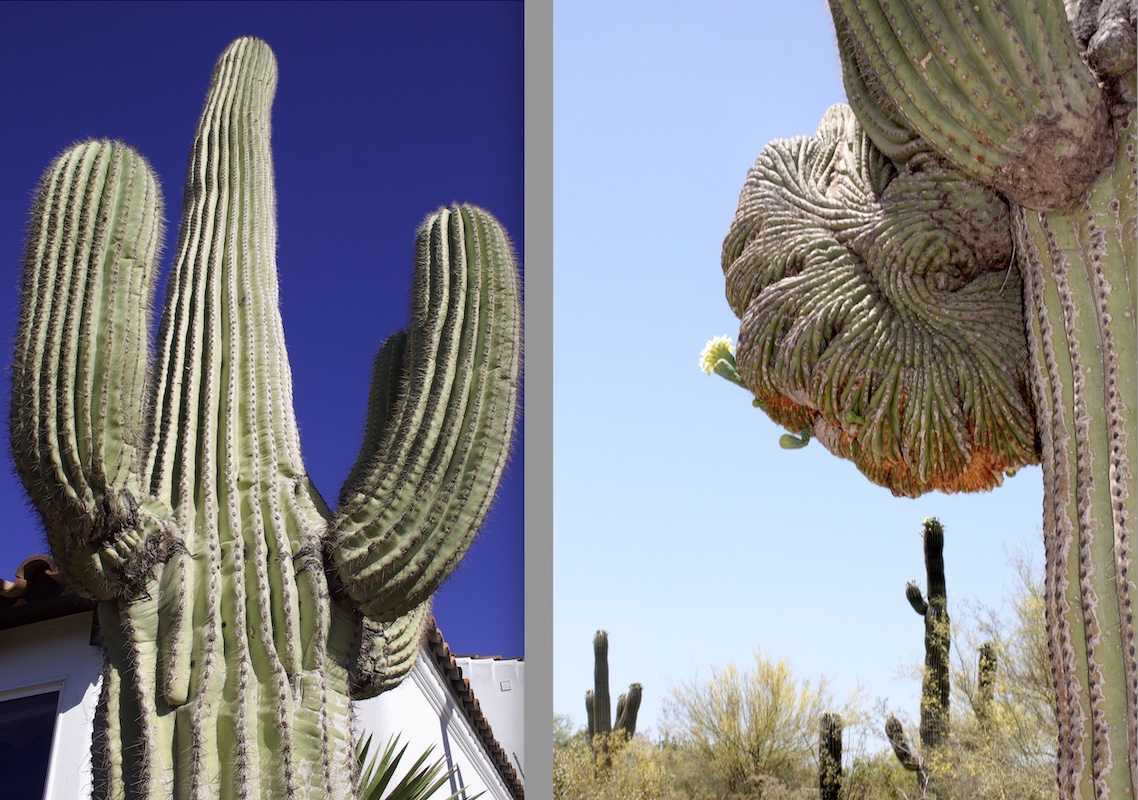
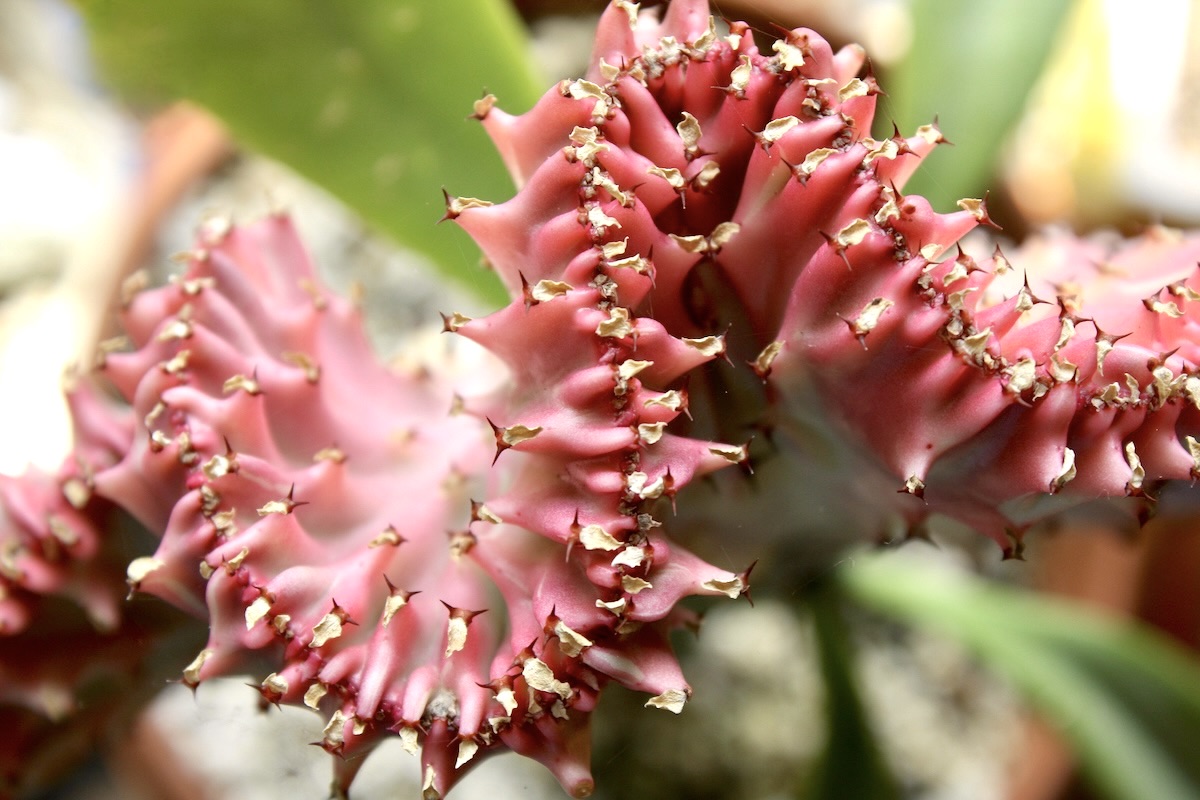
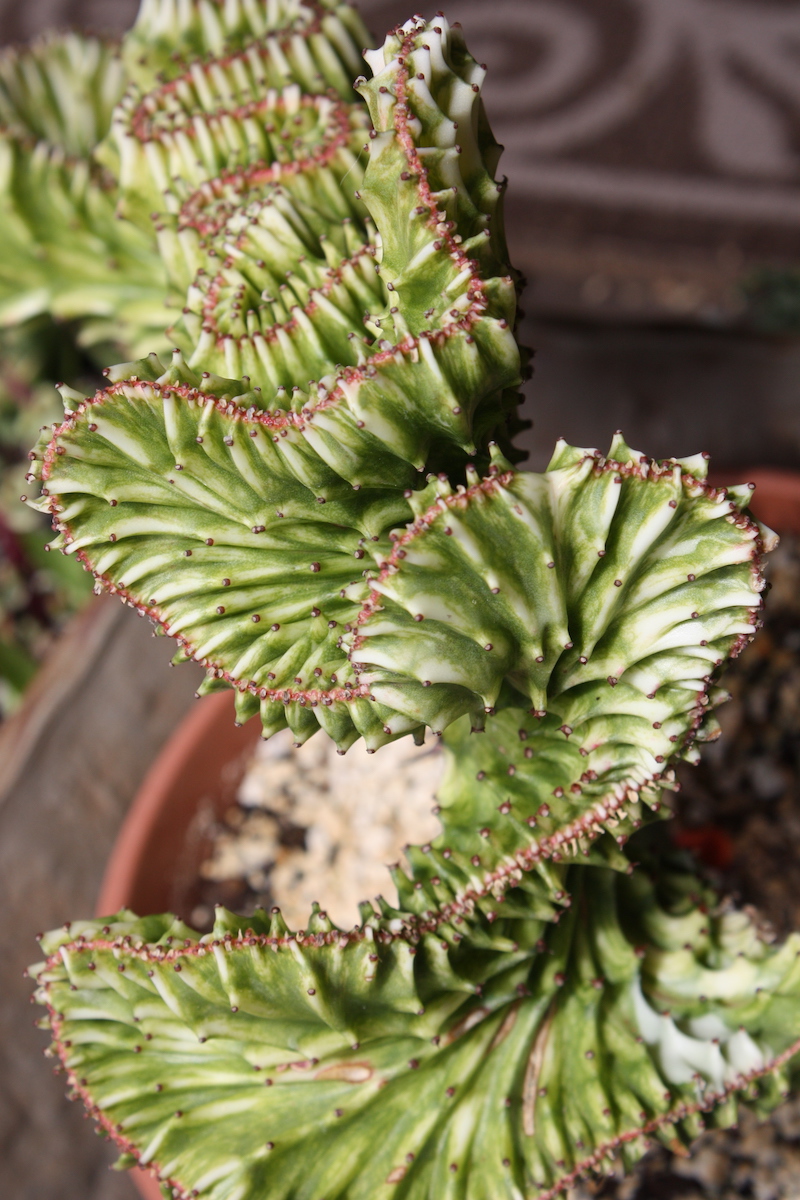
Fasciation is when growth cells flatten and form what looks like a fan. These may be fringed with leaves or spines that are smaller and more crowded than those on the  normal plant.

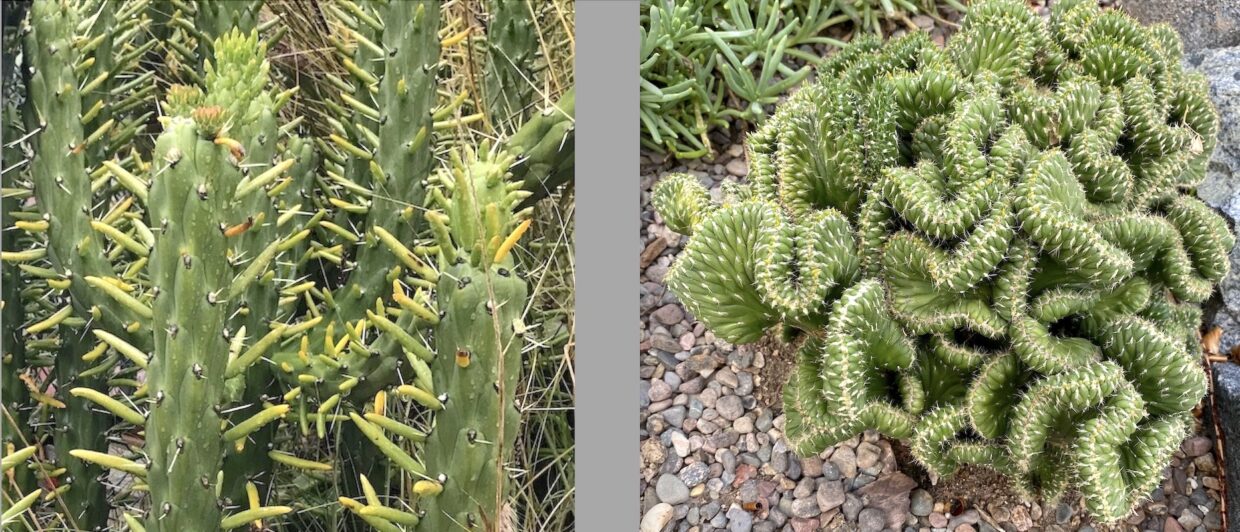
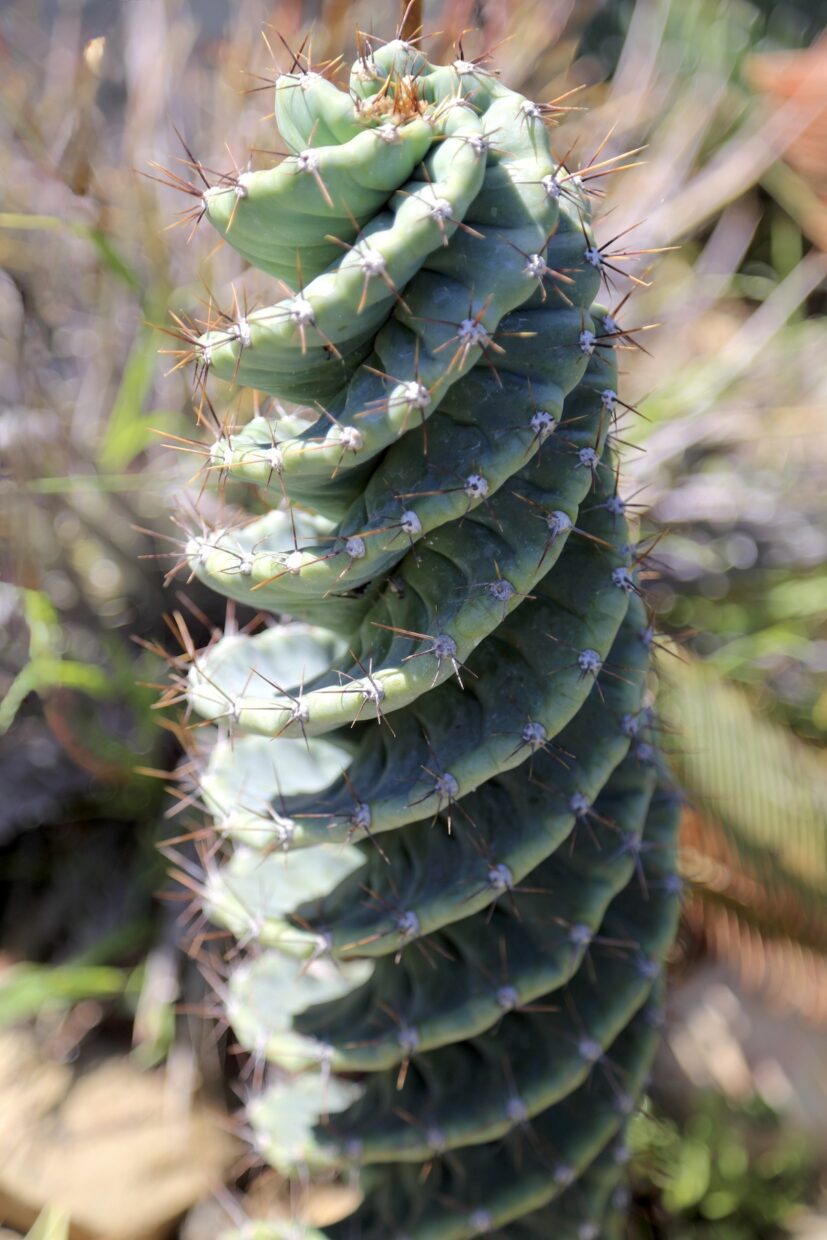
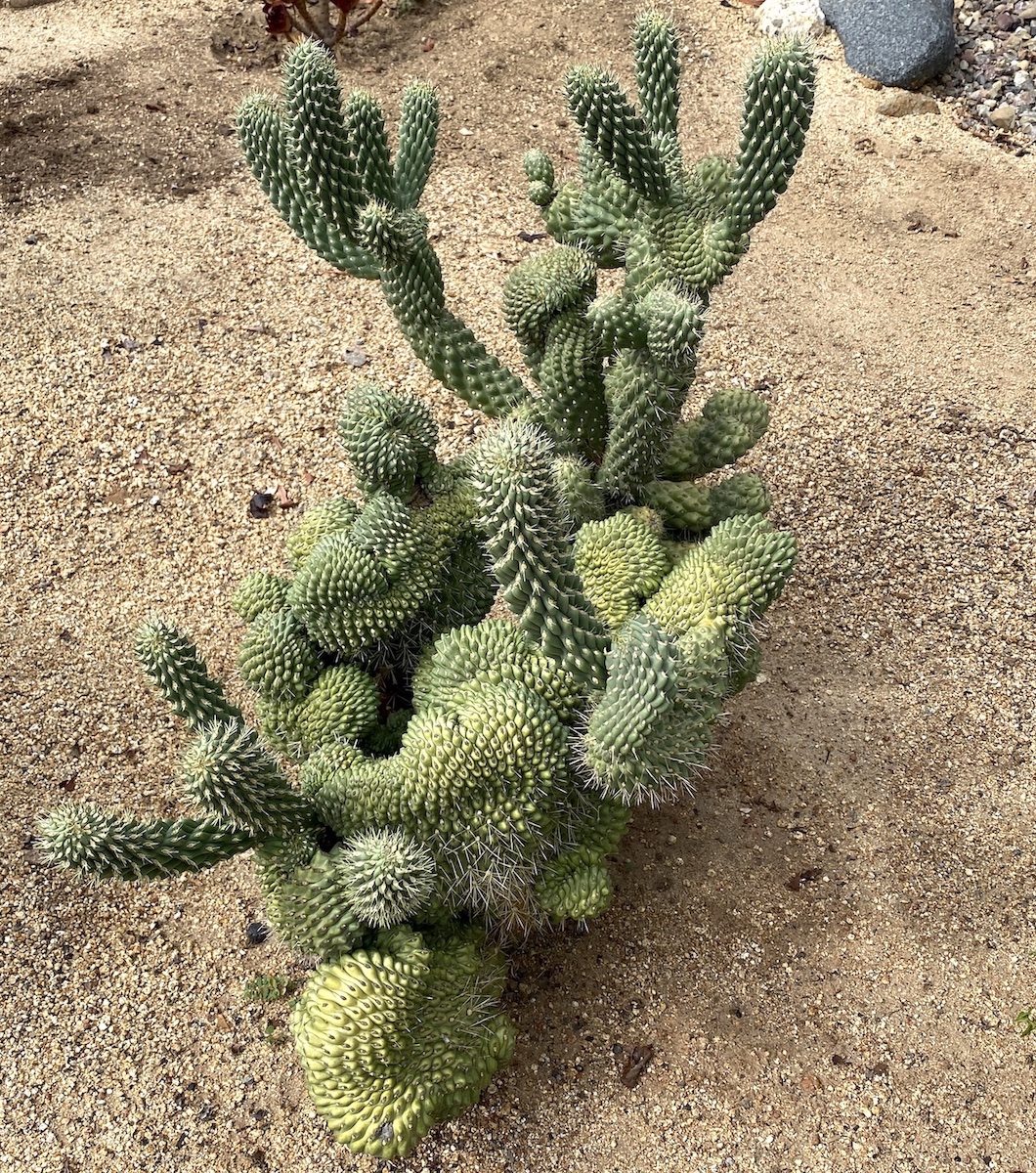
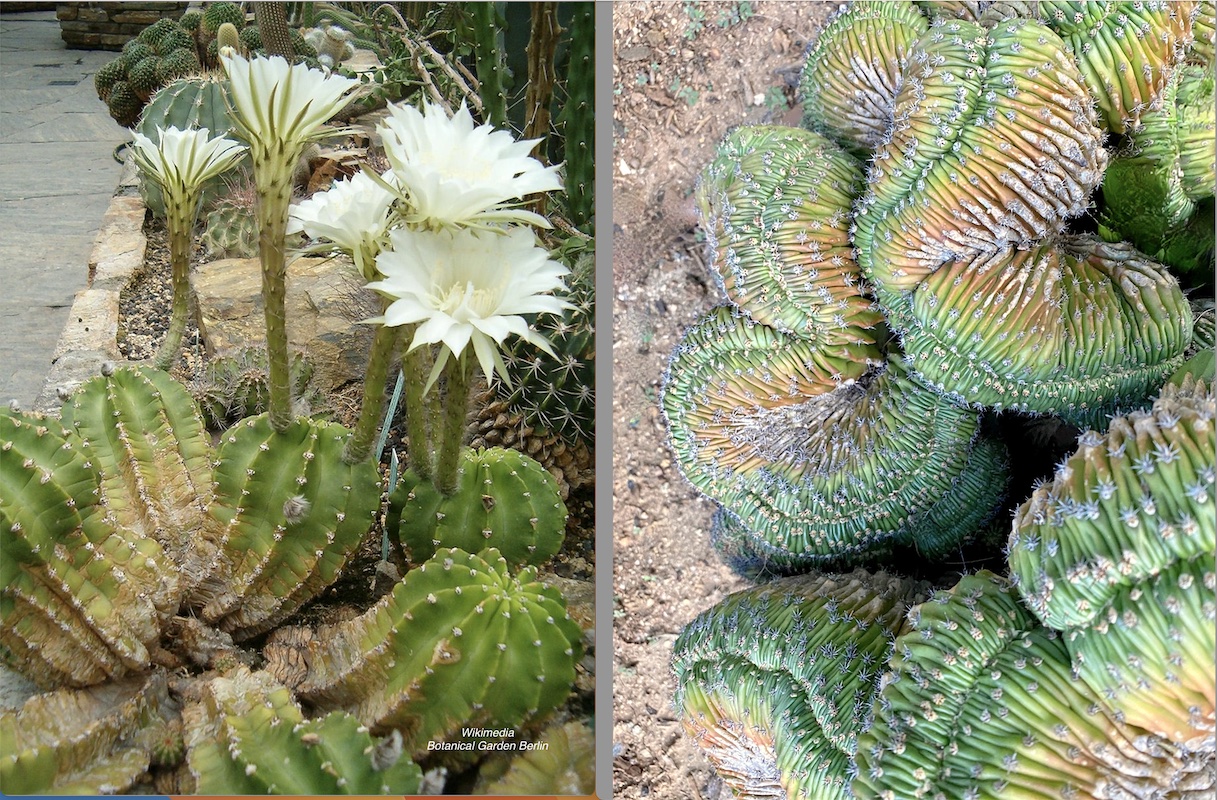
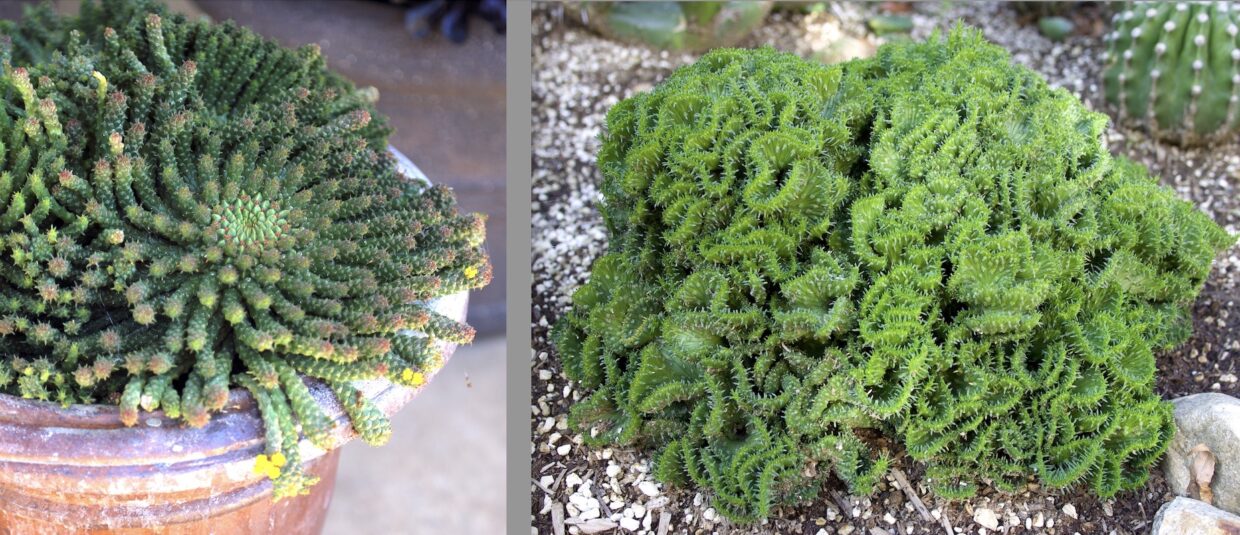
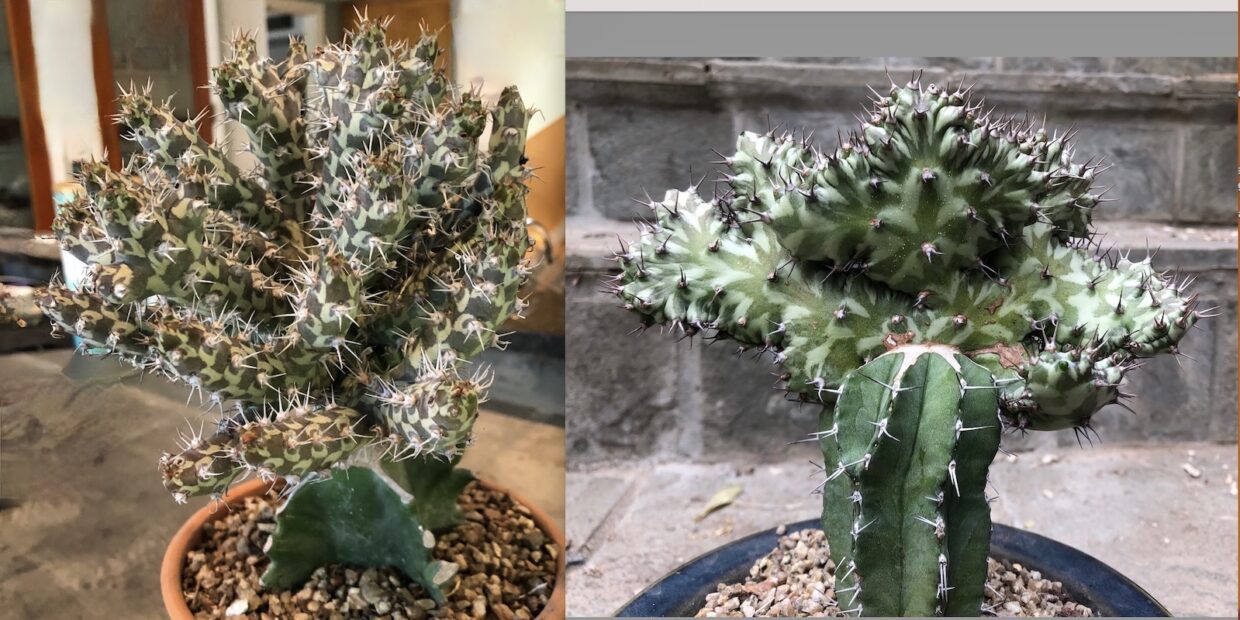
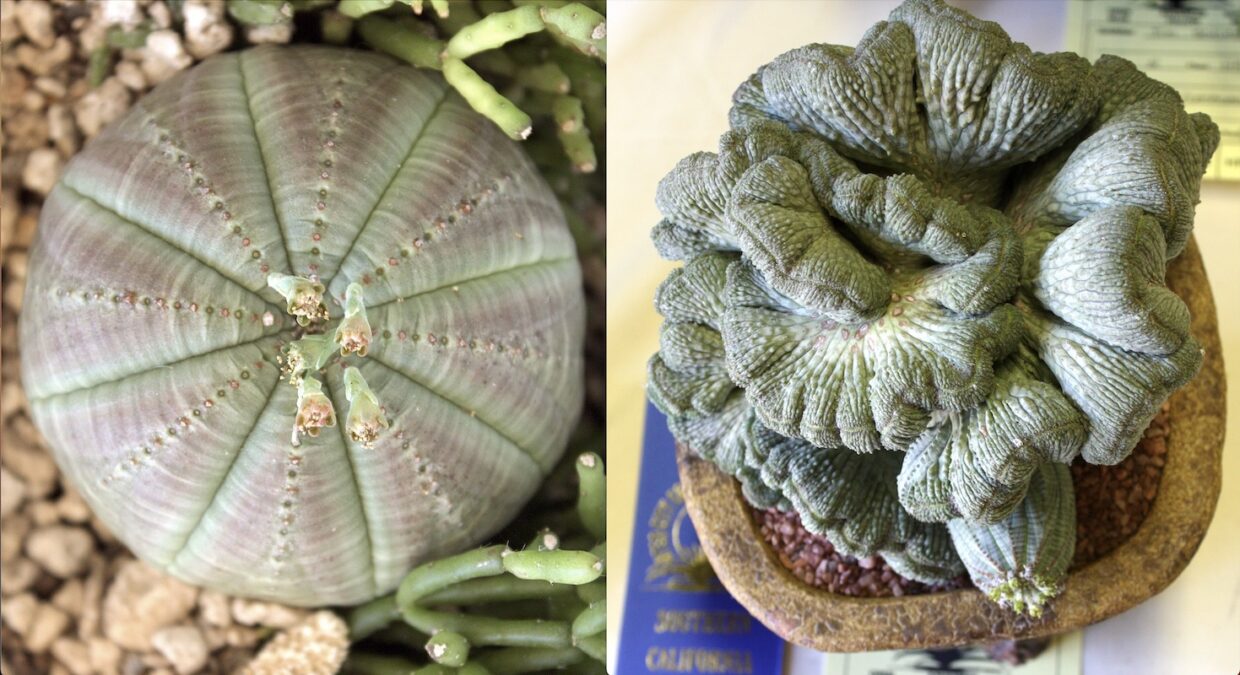
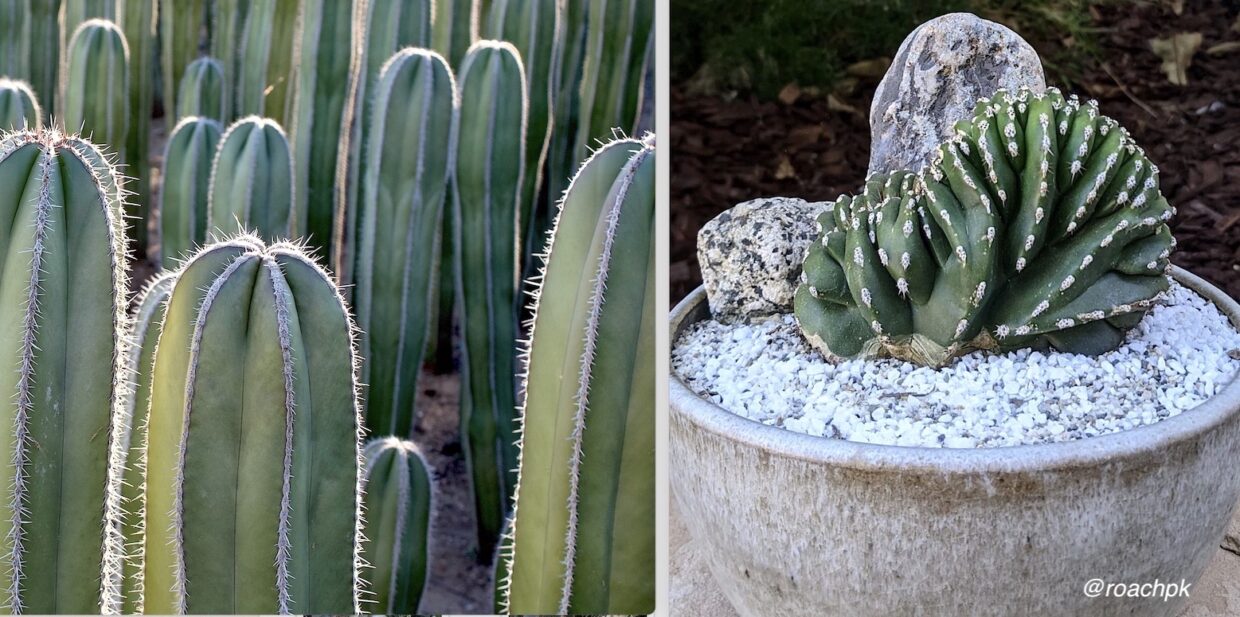
Monstrose is the term for growth that is erratic, lumpy or bizarre (rather than bunching up along a line like a crest).  Succulents may exhibit both crested and monstrose growth simultaneously.
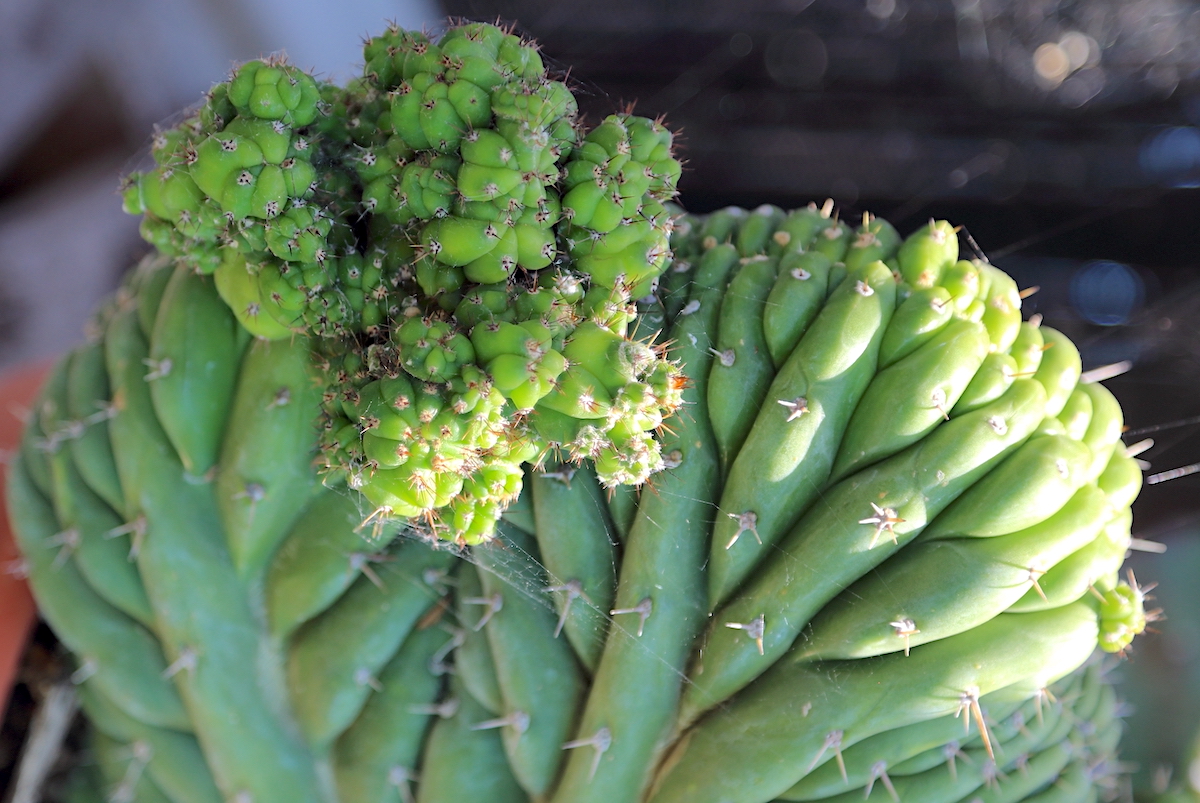
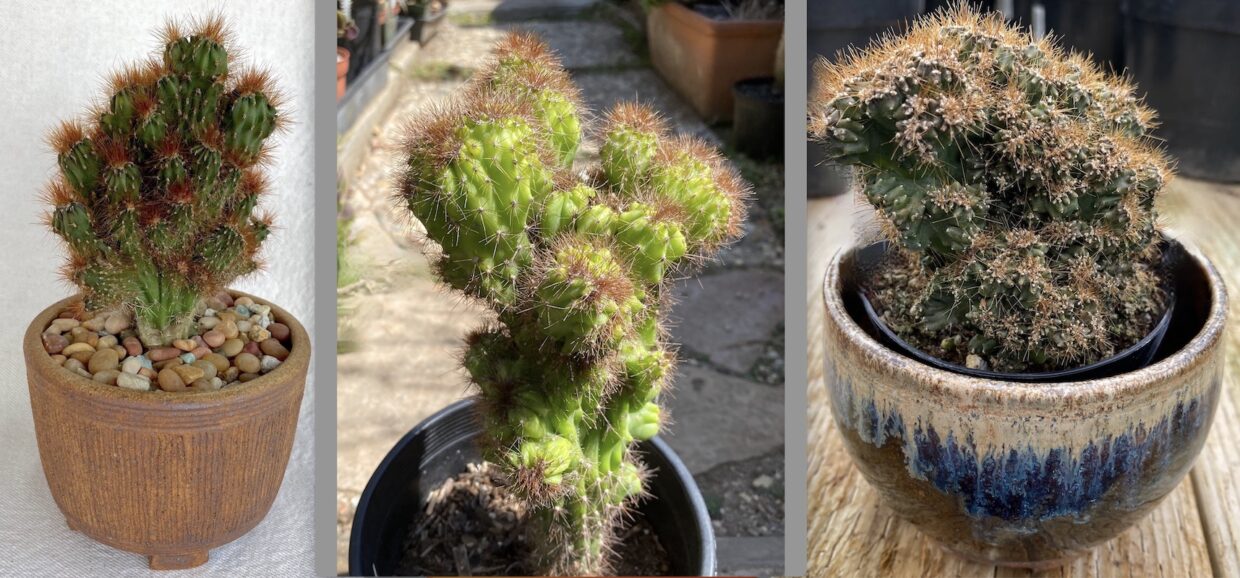
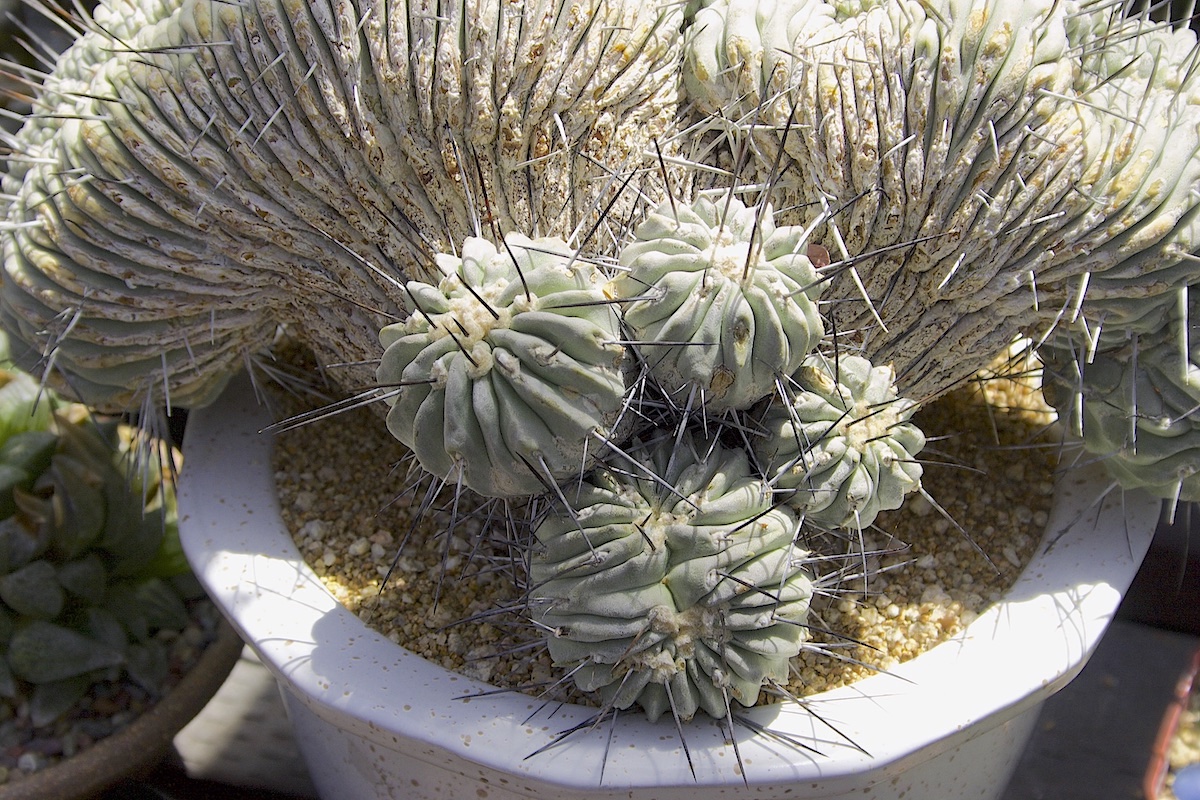
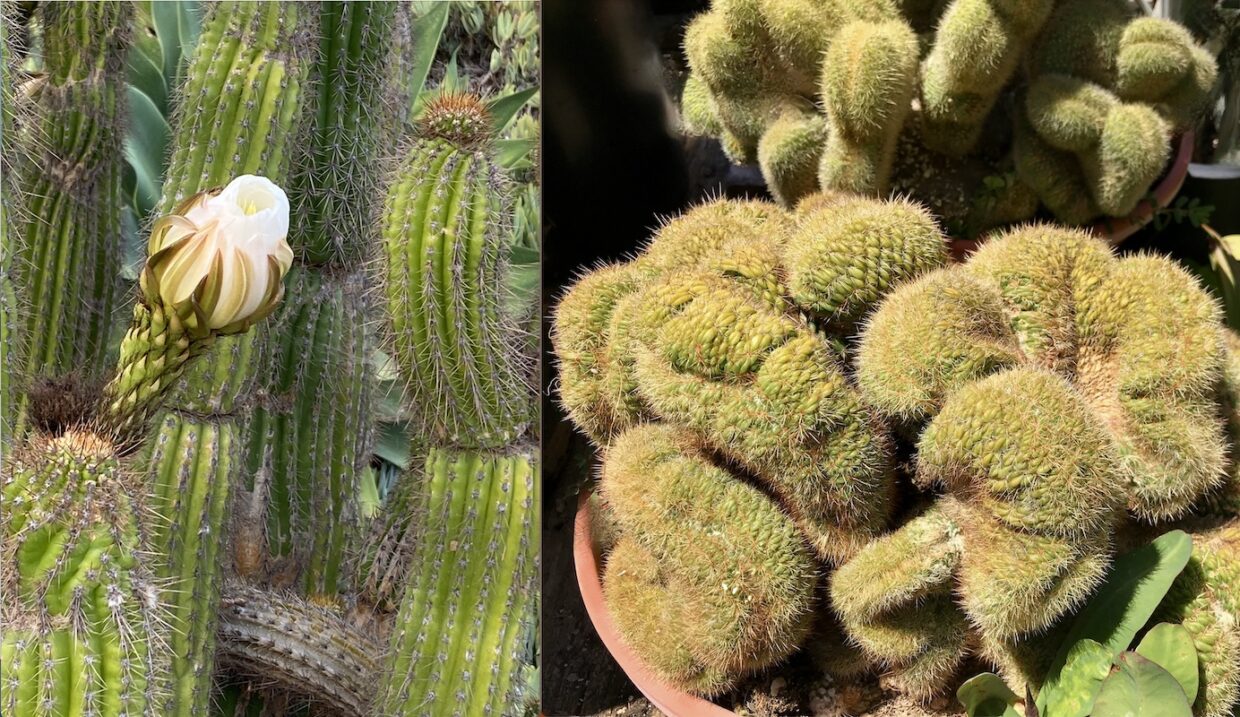
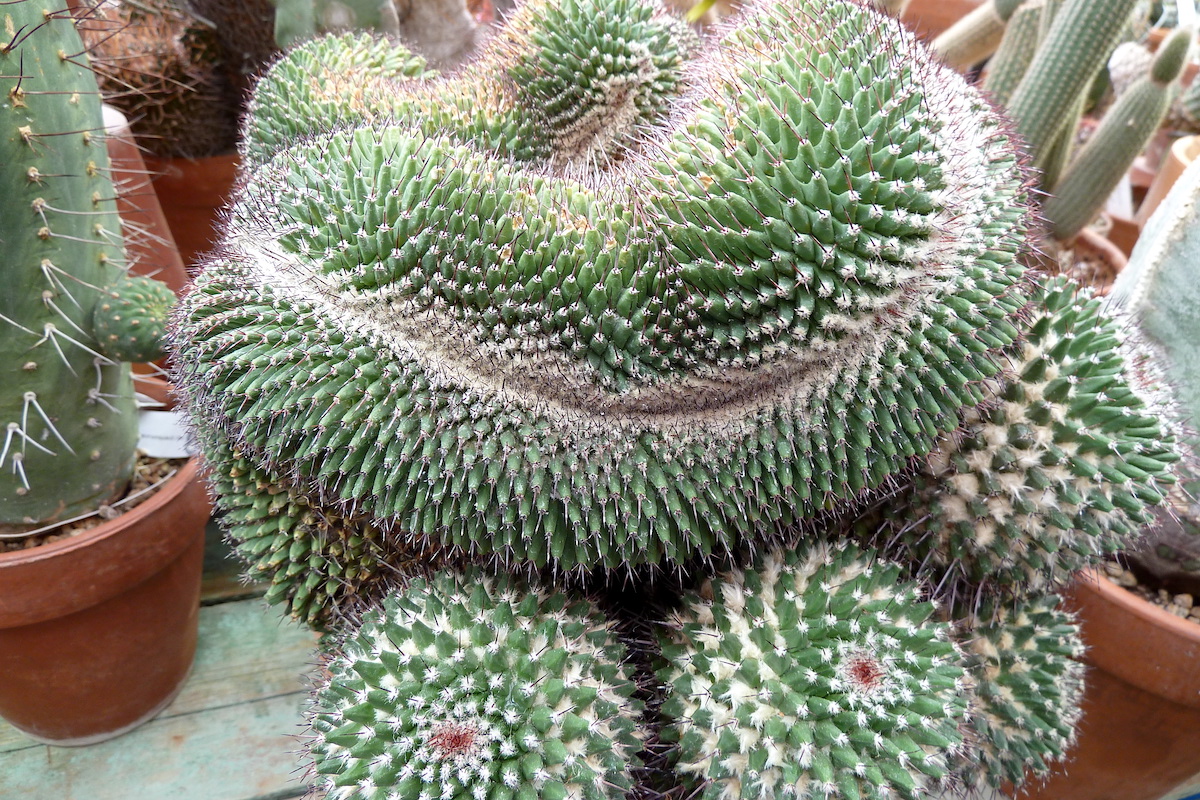
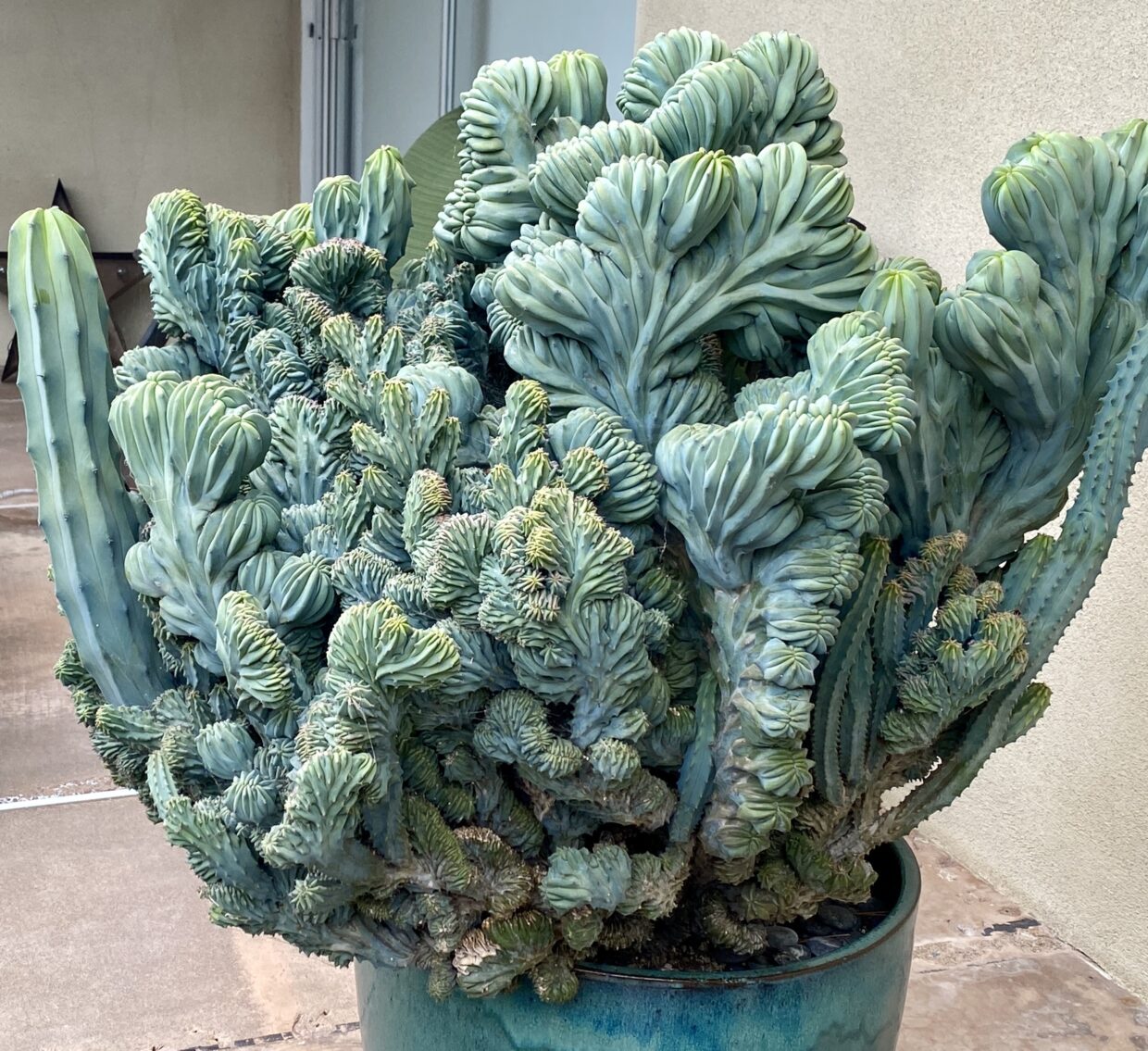
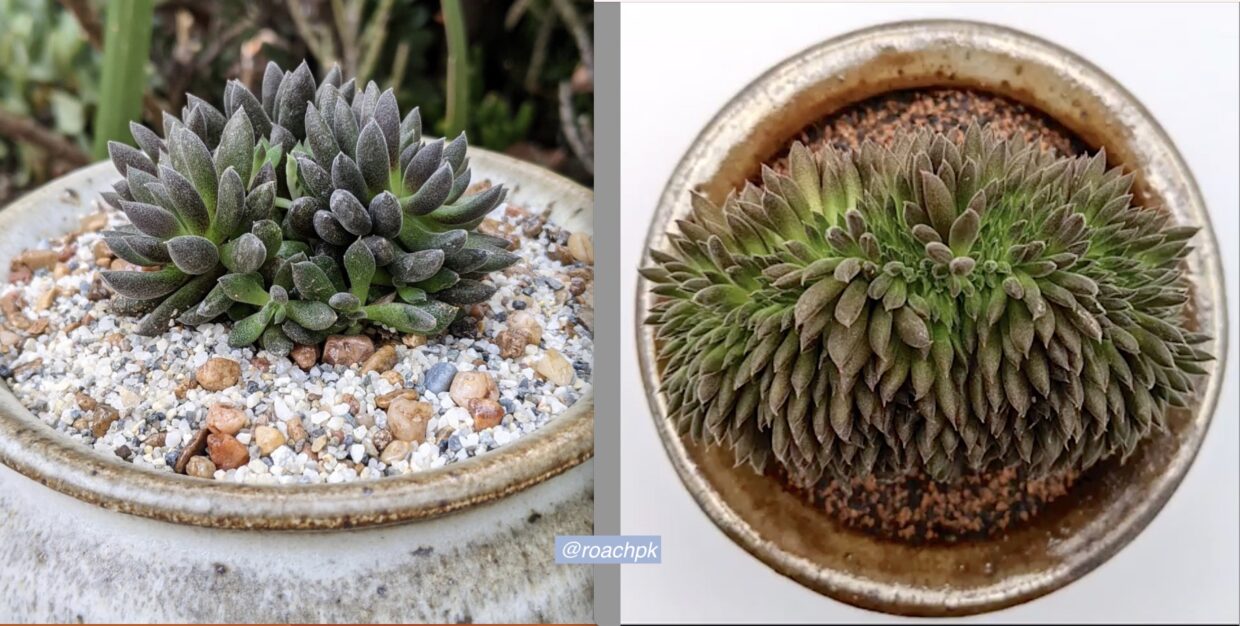
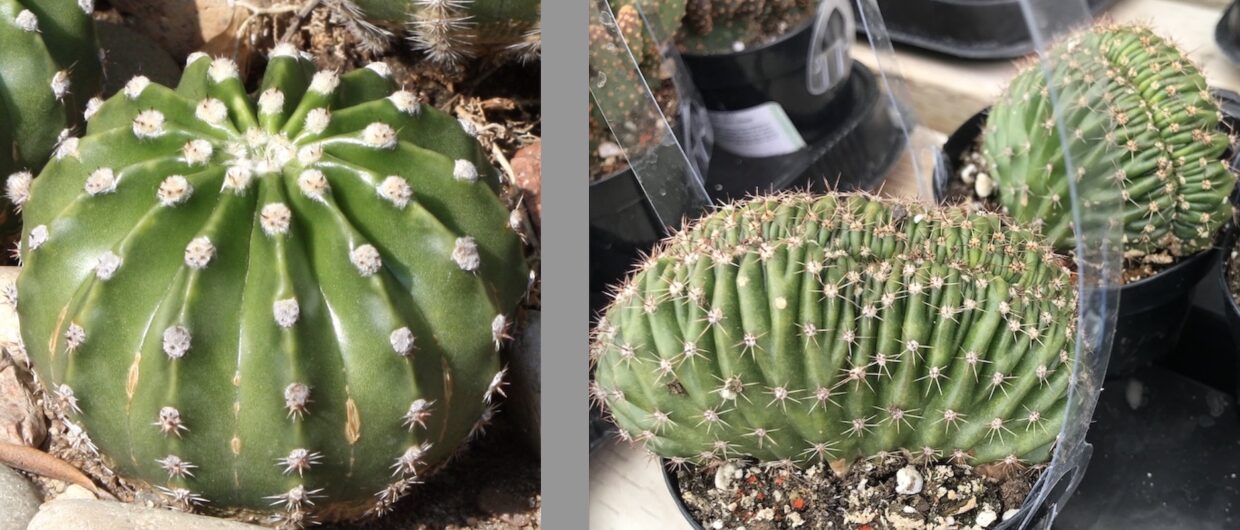
Echinopsis, monstrose & crested (c) Debra Lee Baldwin

Crested echinopsis with monstrose growth. Collection of Tony Krock

It’s fun to spot a crest. You can’t help but wonder: How and why did it happen? Actually, no one knows for sure what causes tissues to convolute. But what is known, is that rather than having a single growth point, cells have multiplied and crowded together.
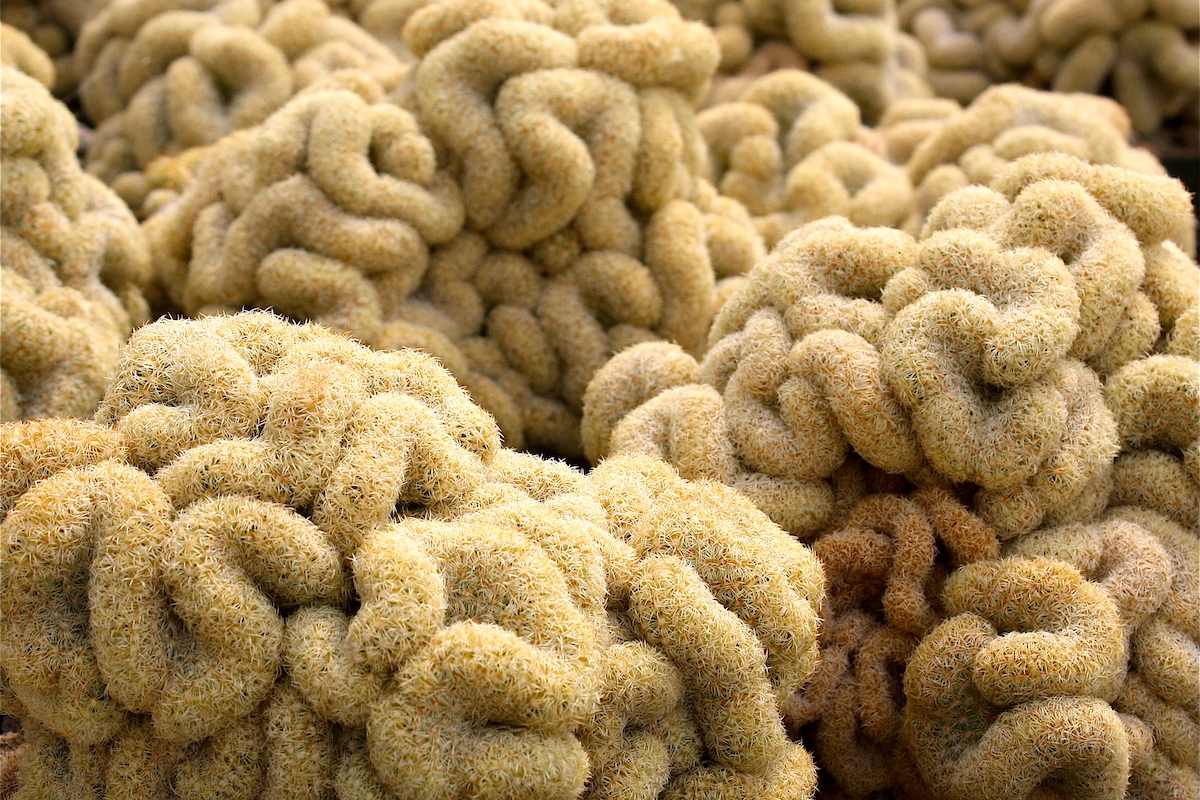
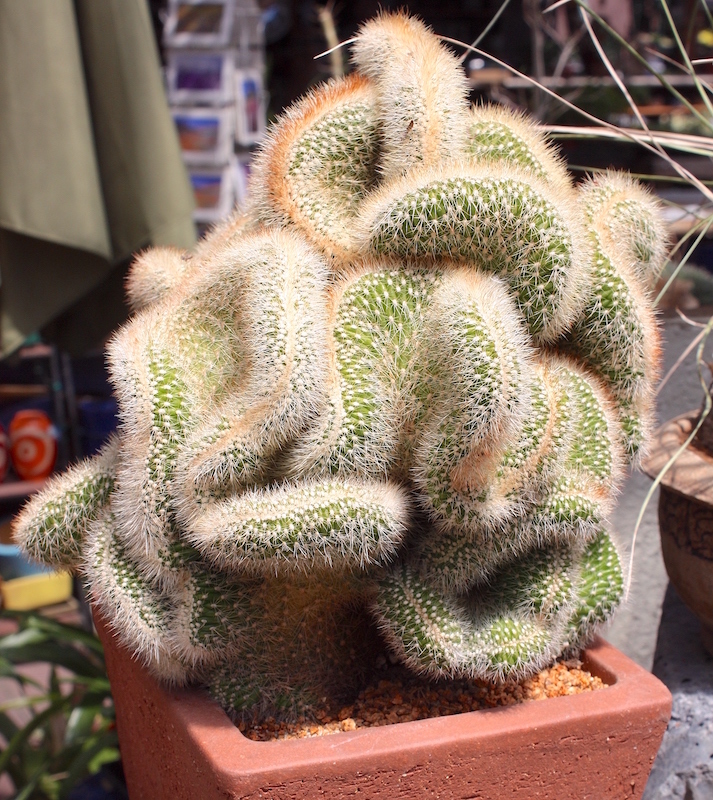
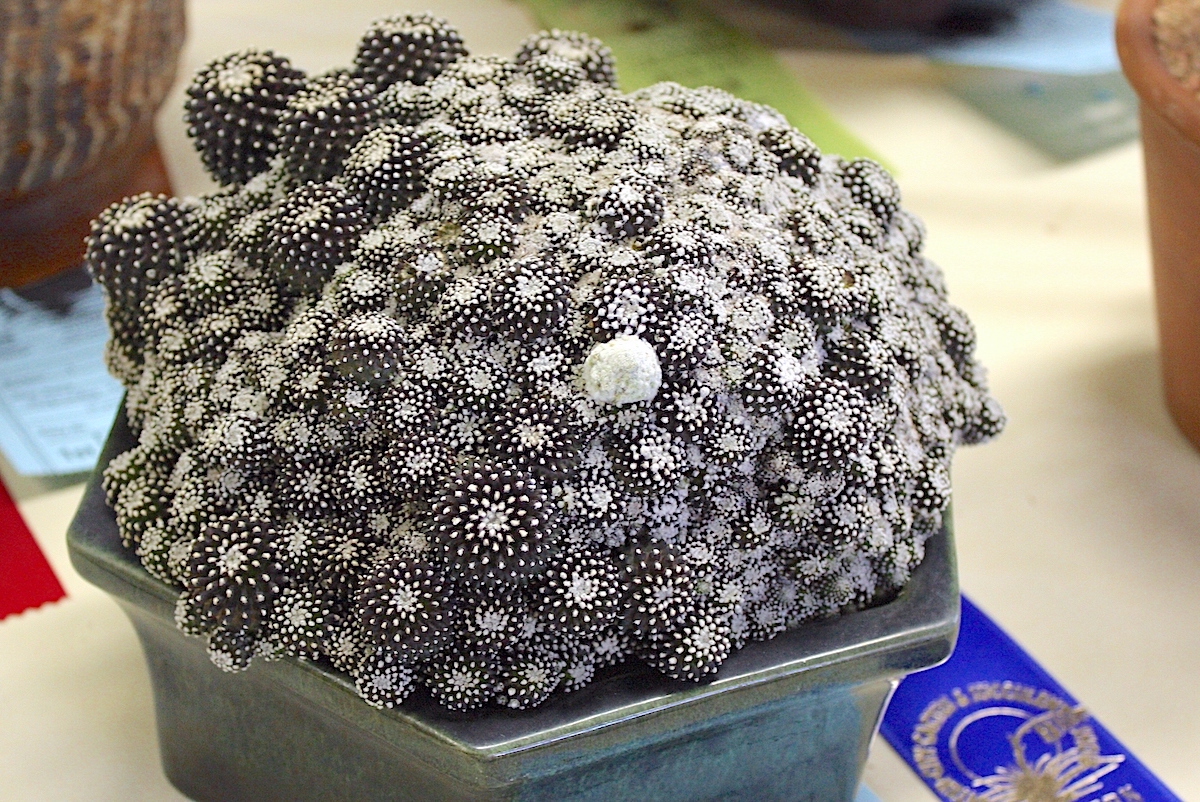
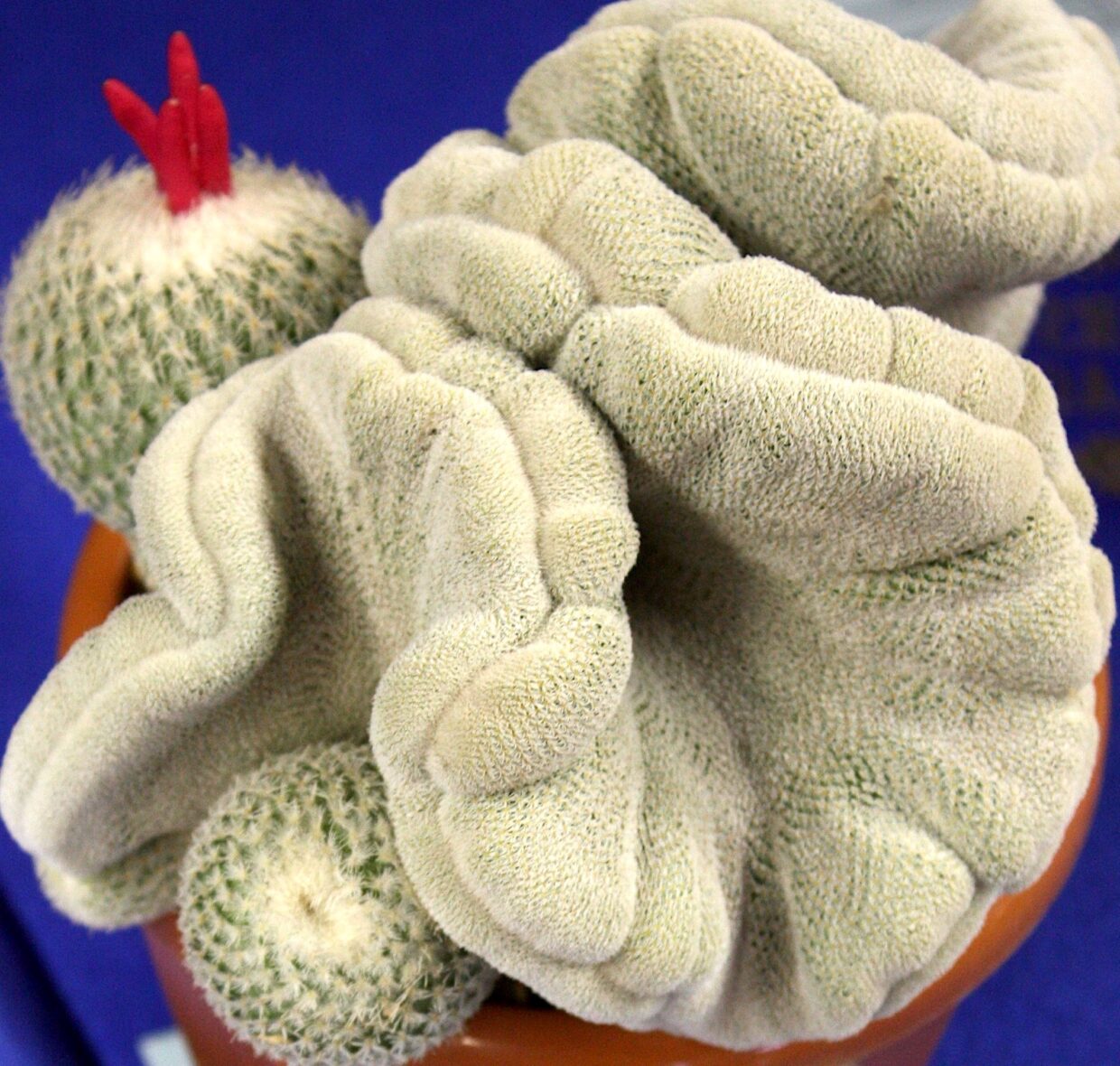
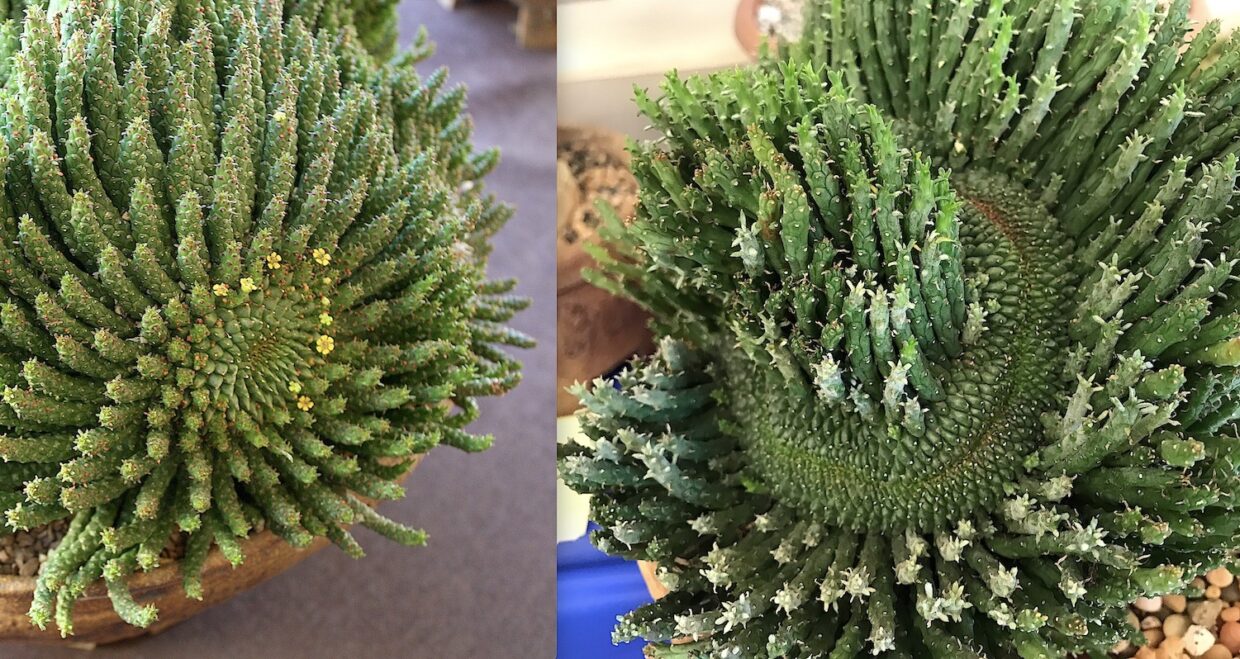
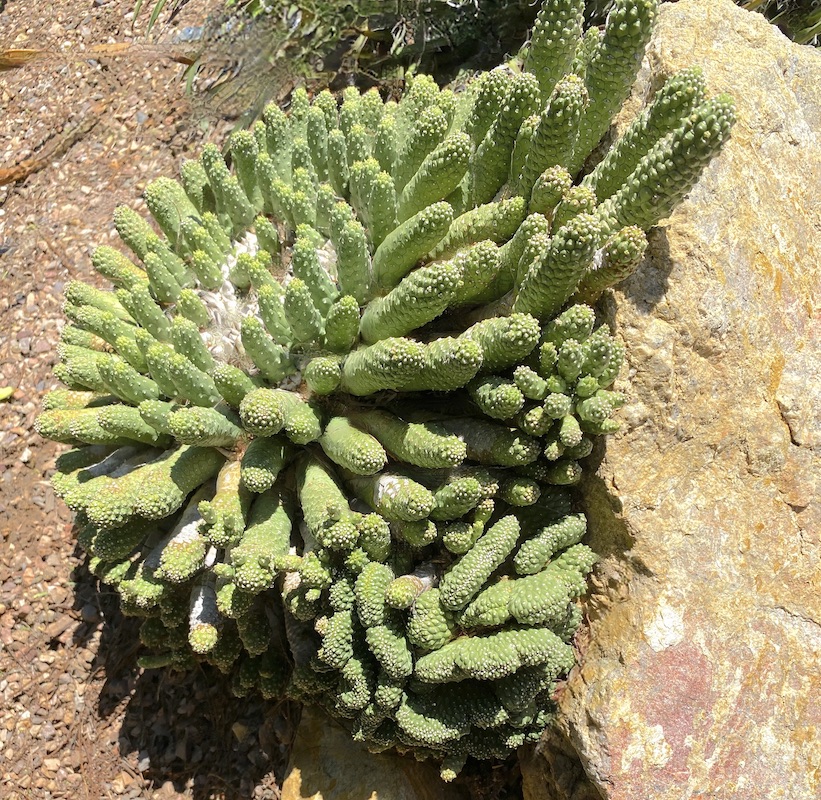
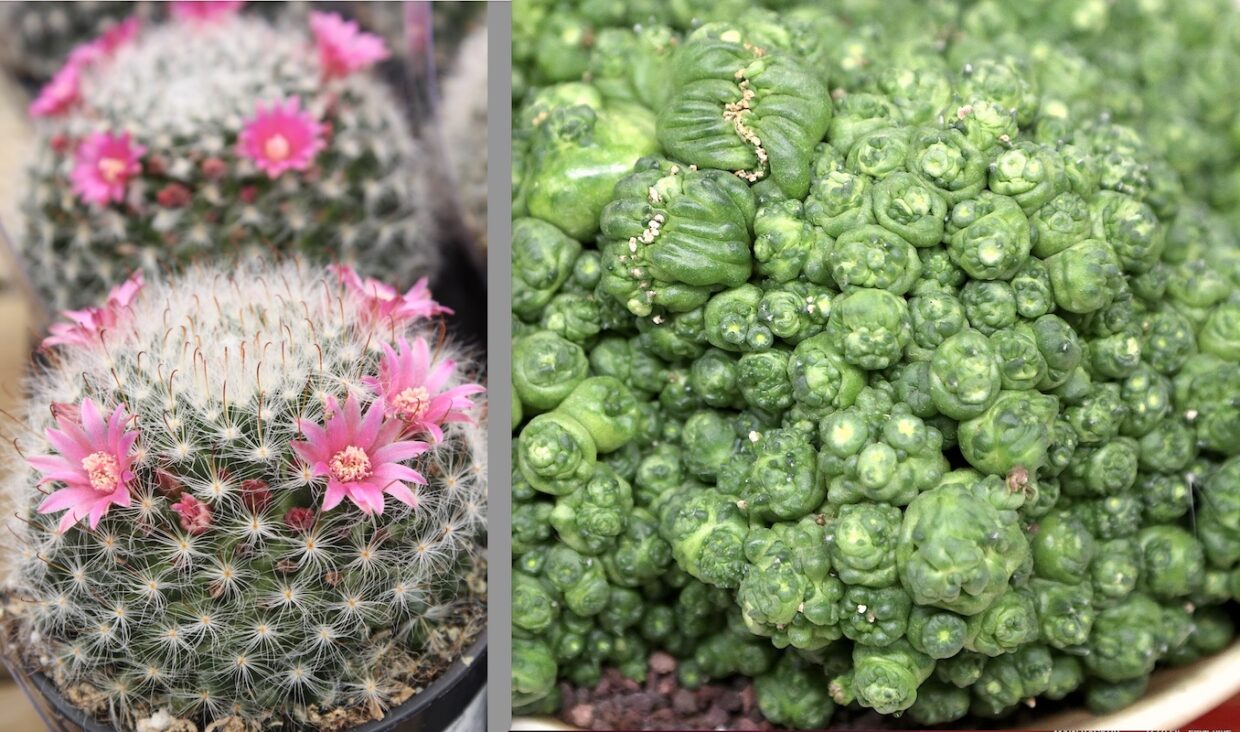
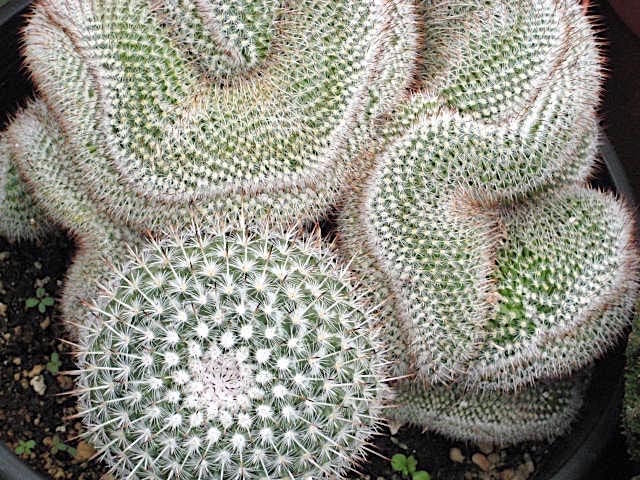
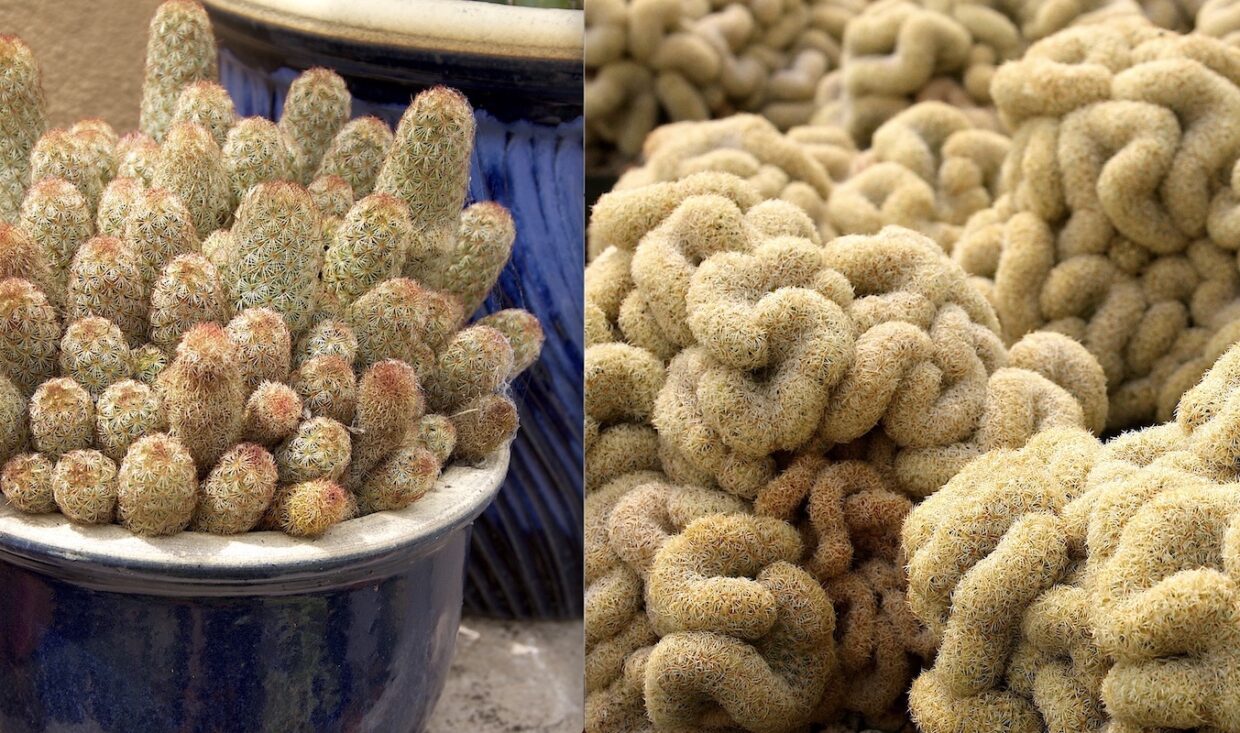
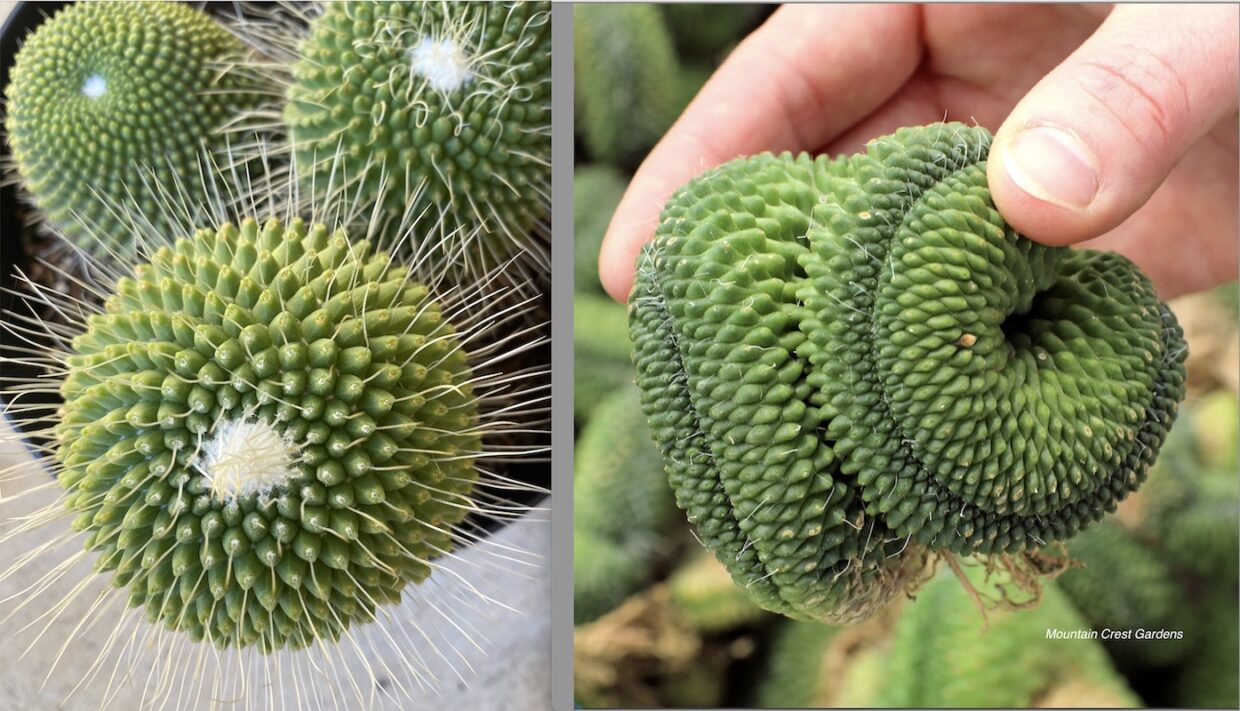
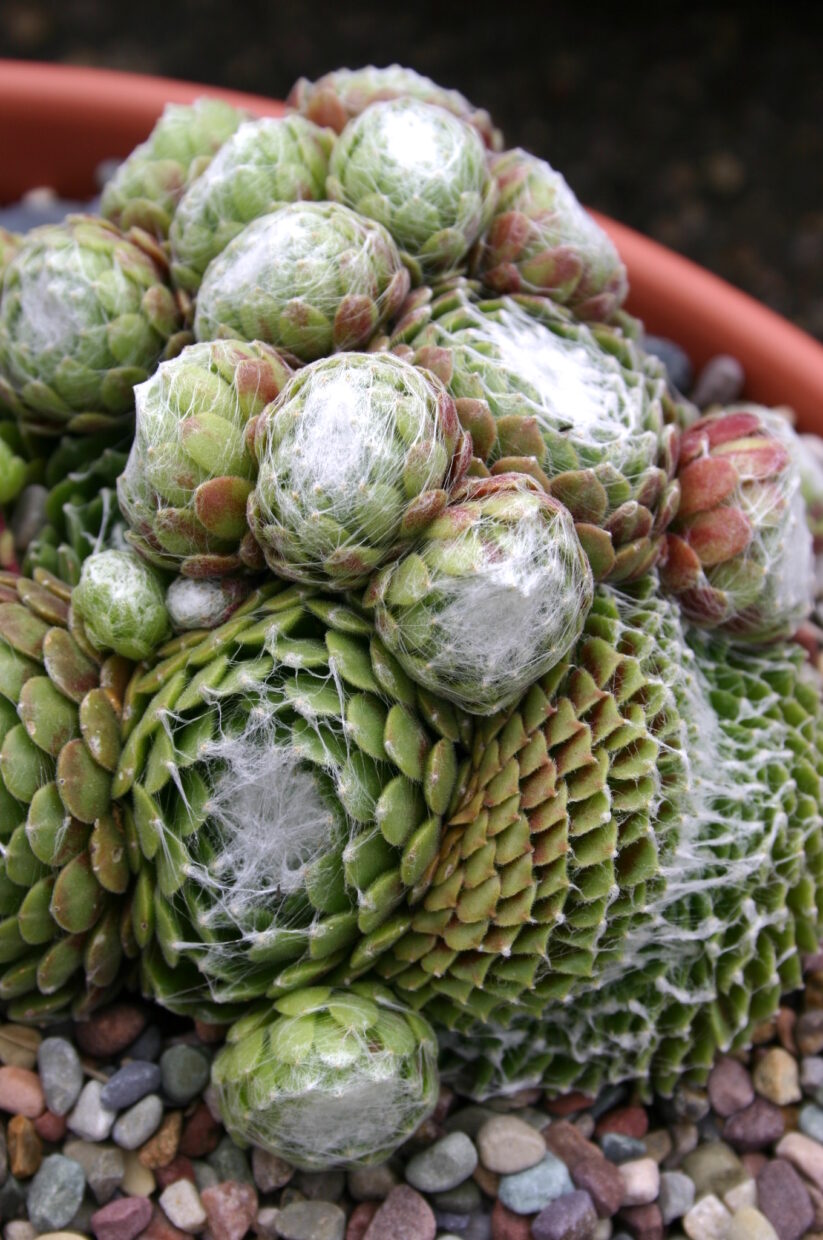
Mammillaria elongata crested (brain cactus) (c) Debra Lee Baldwin

Mammillaria elongata cristata. No surprise, its common name is "brain cactus." 

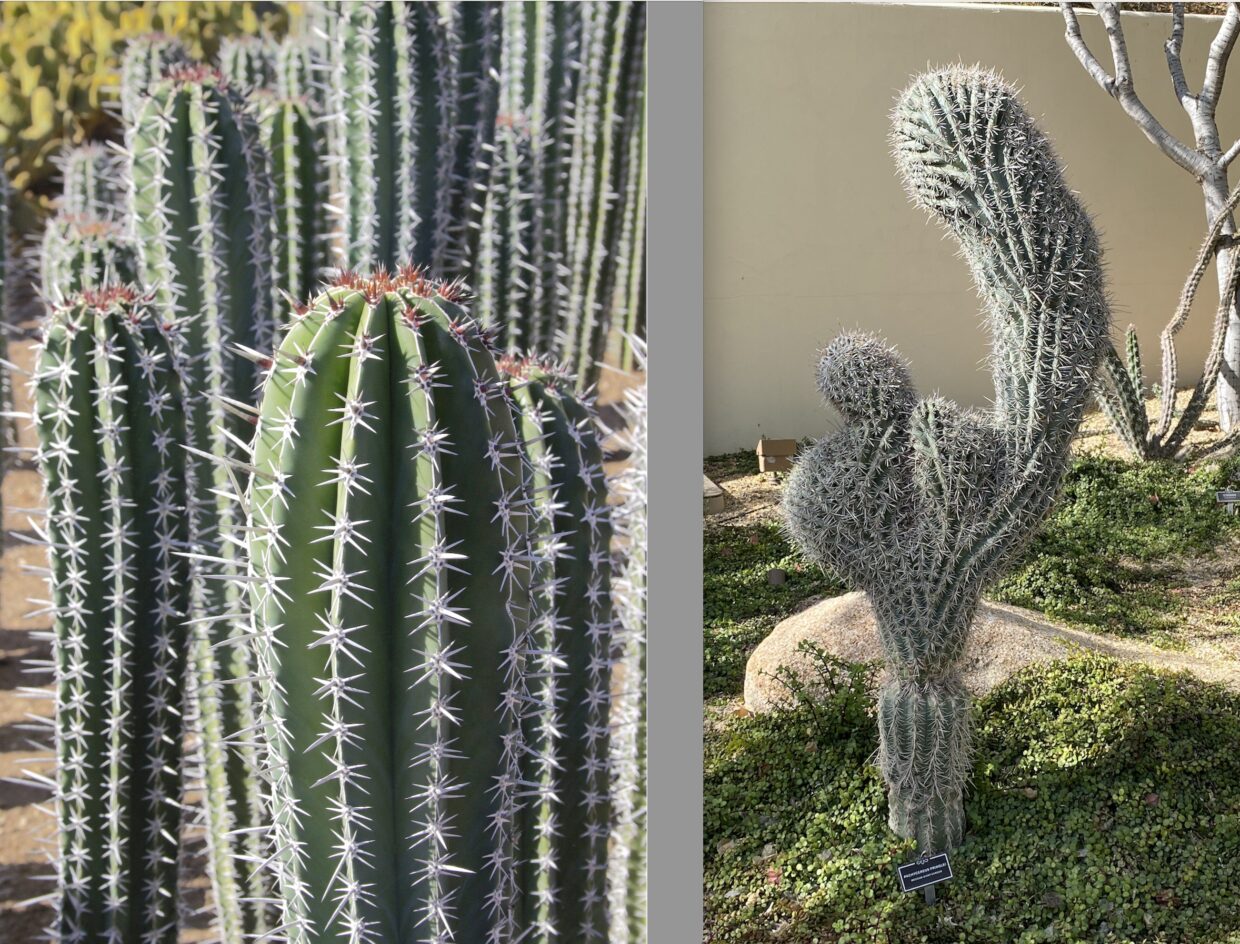
Much of the appeal of crested and monstrose succulents is how they suggest geologic formations, undersea plants, animals, and even body parts.
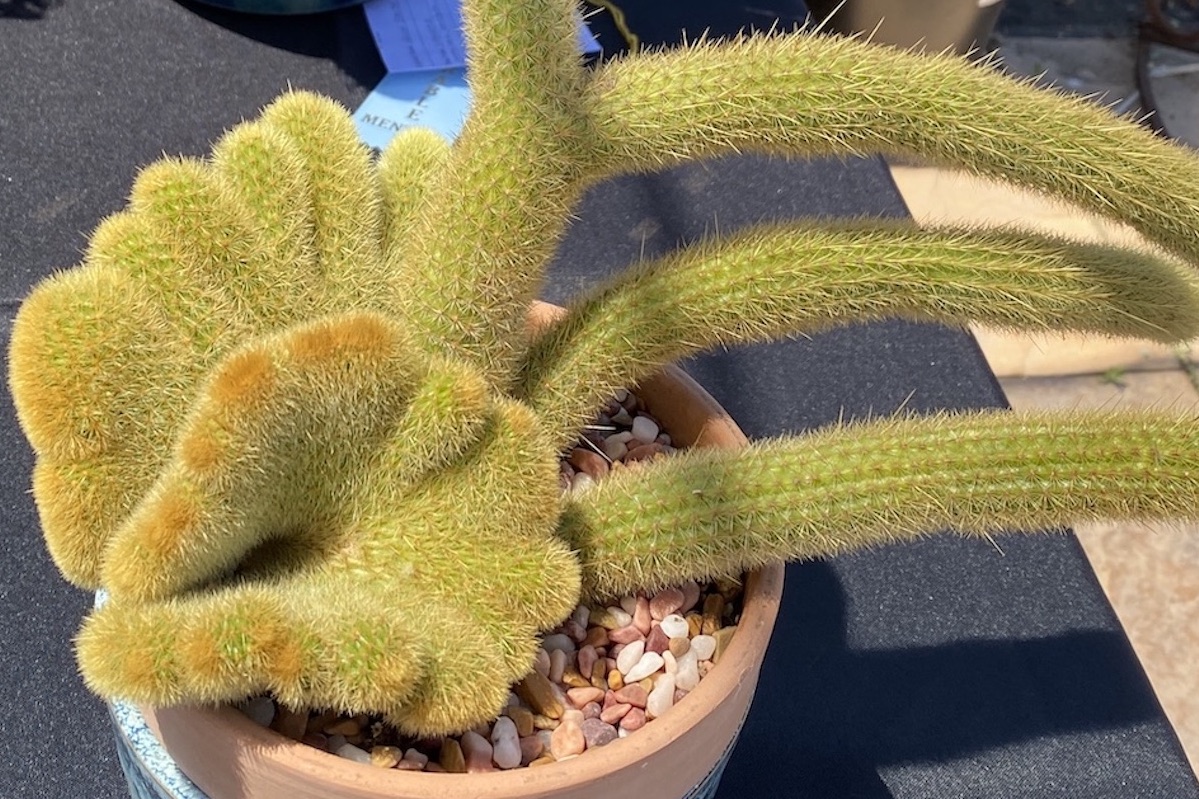
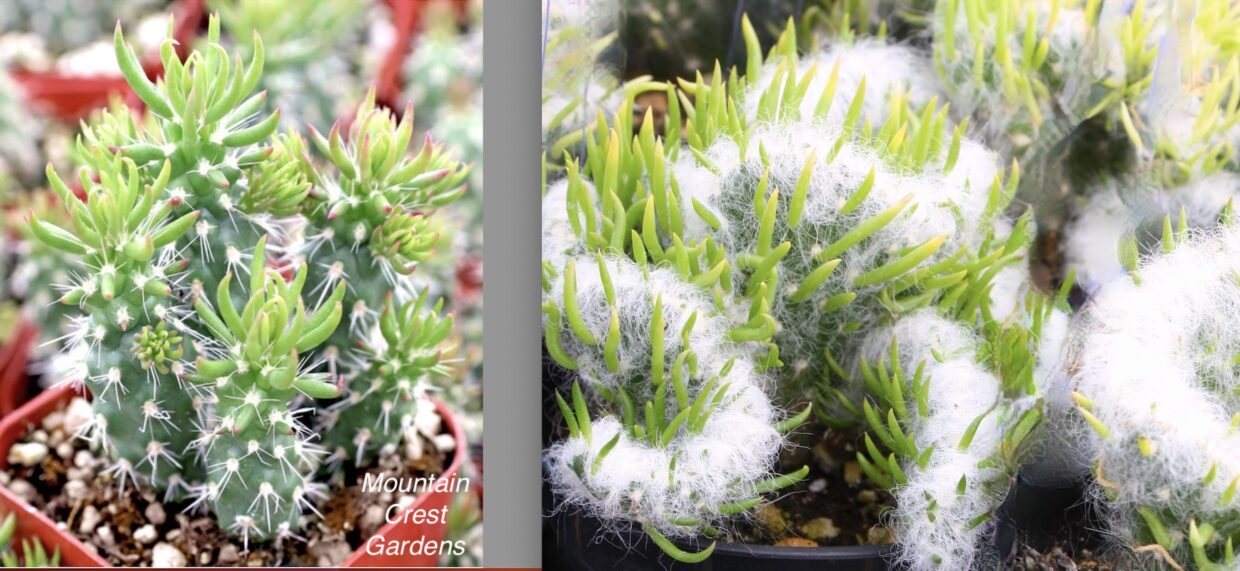
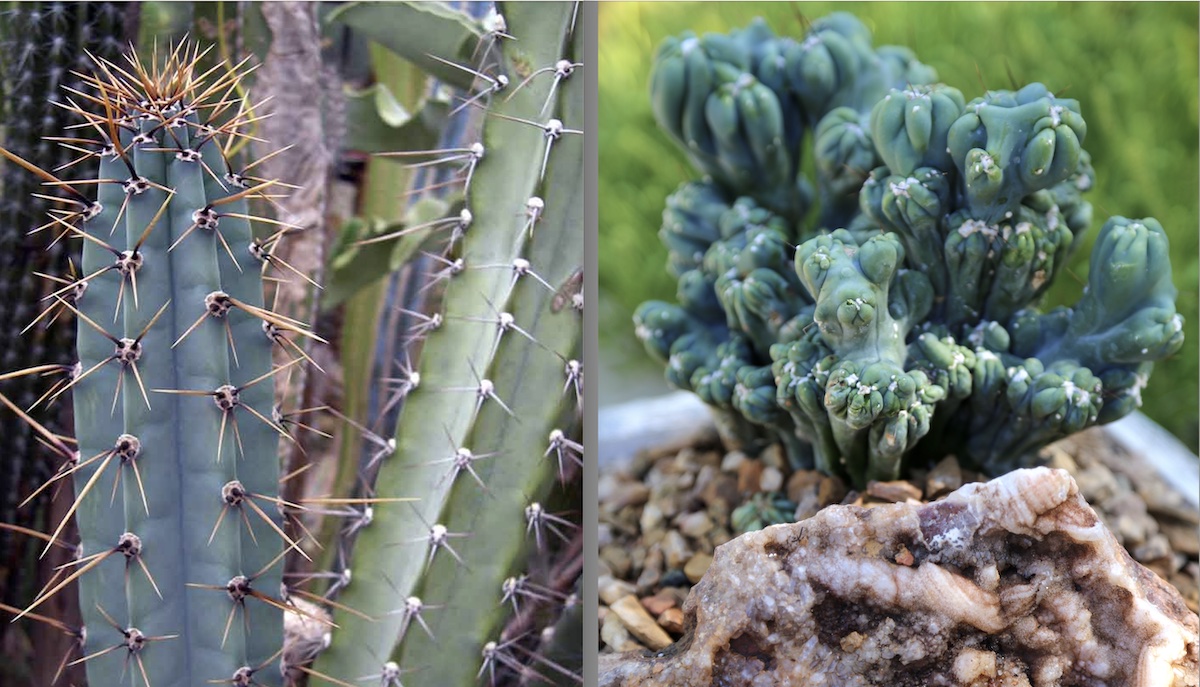
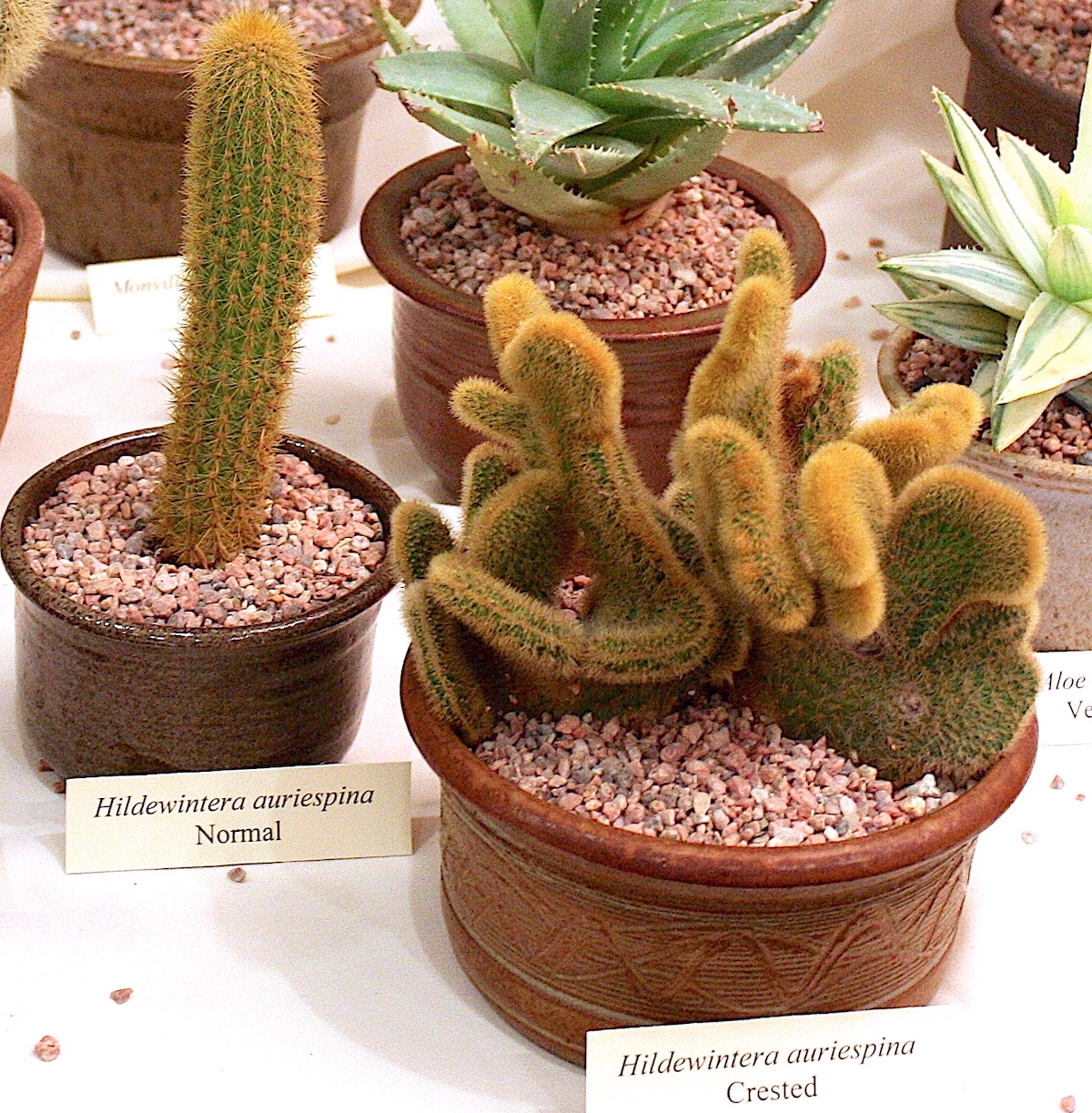
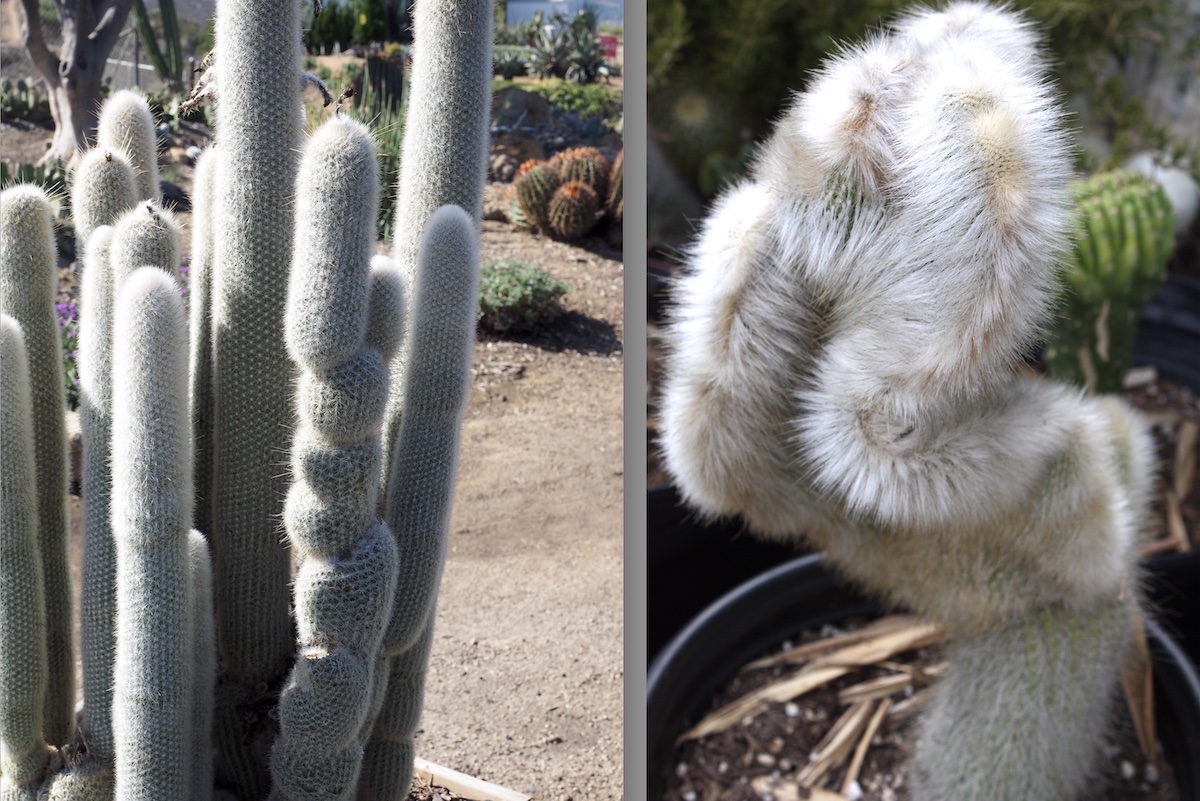
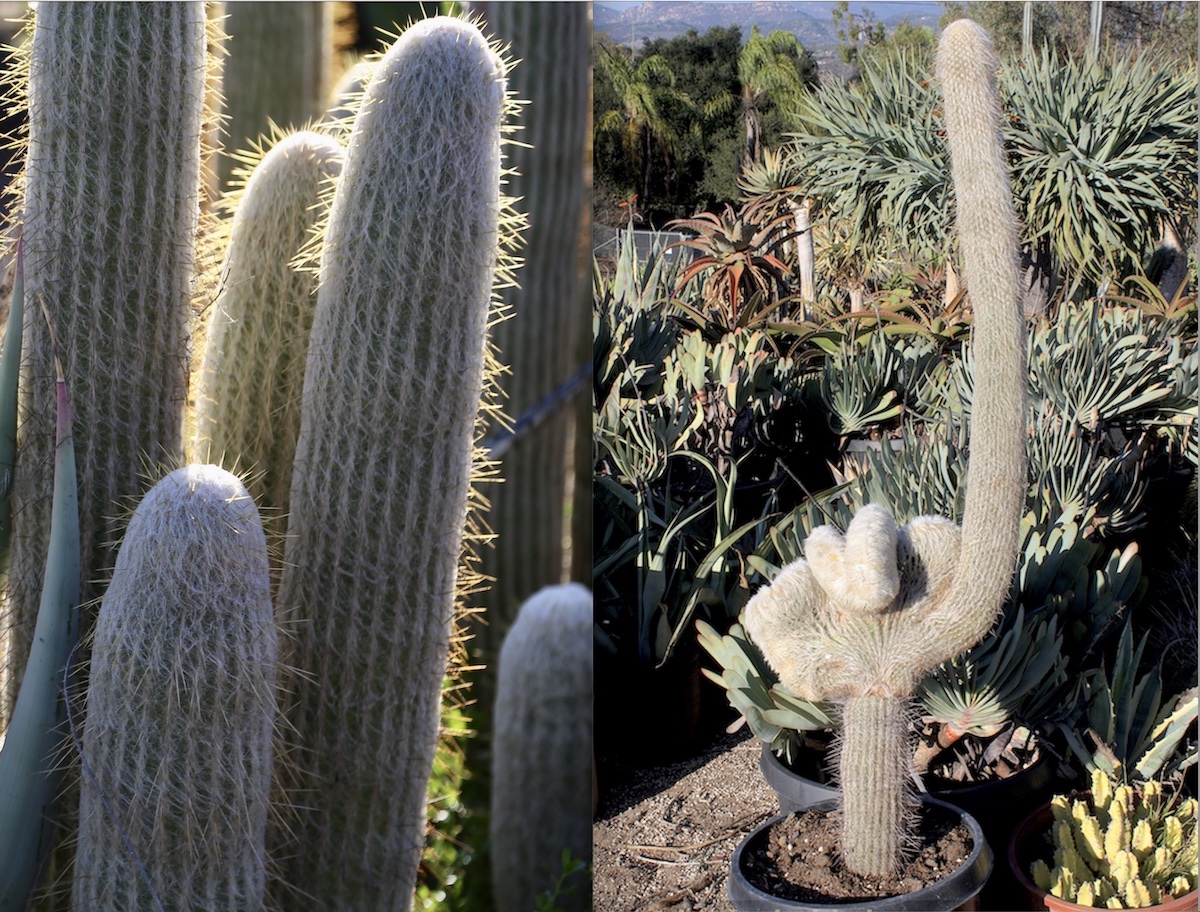
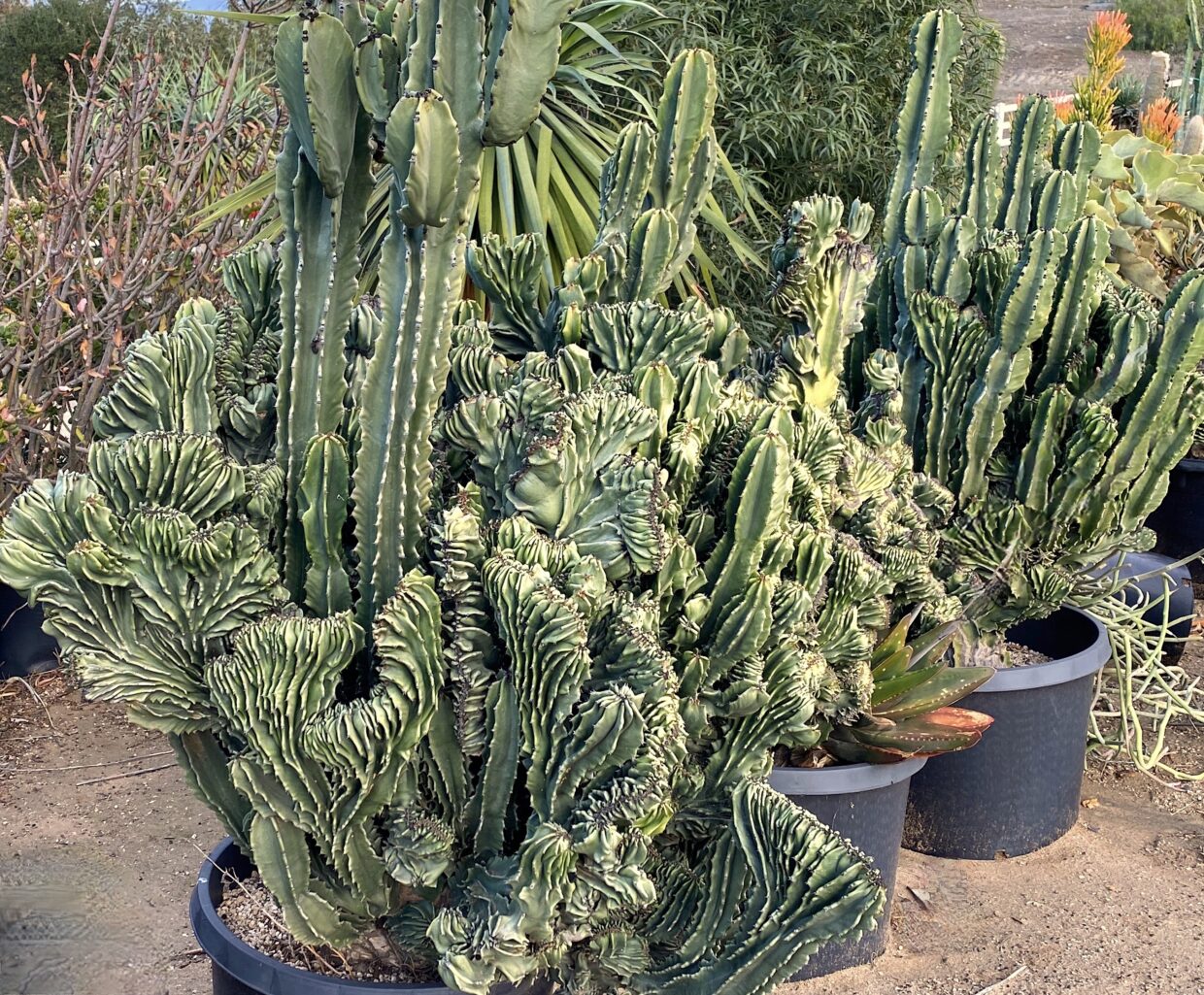
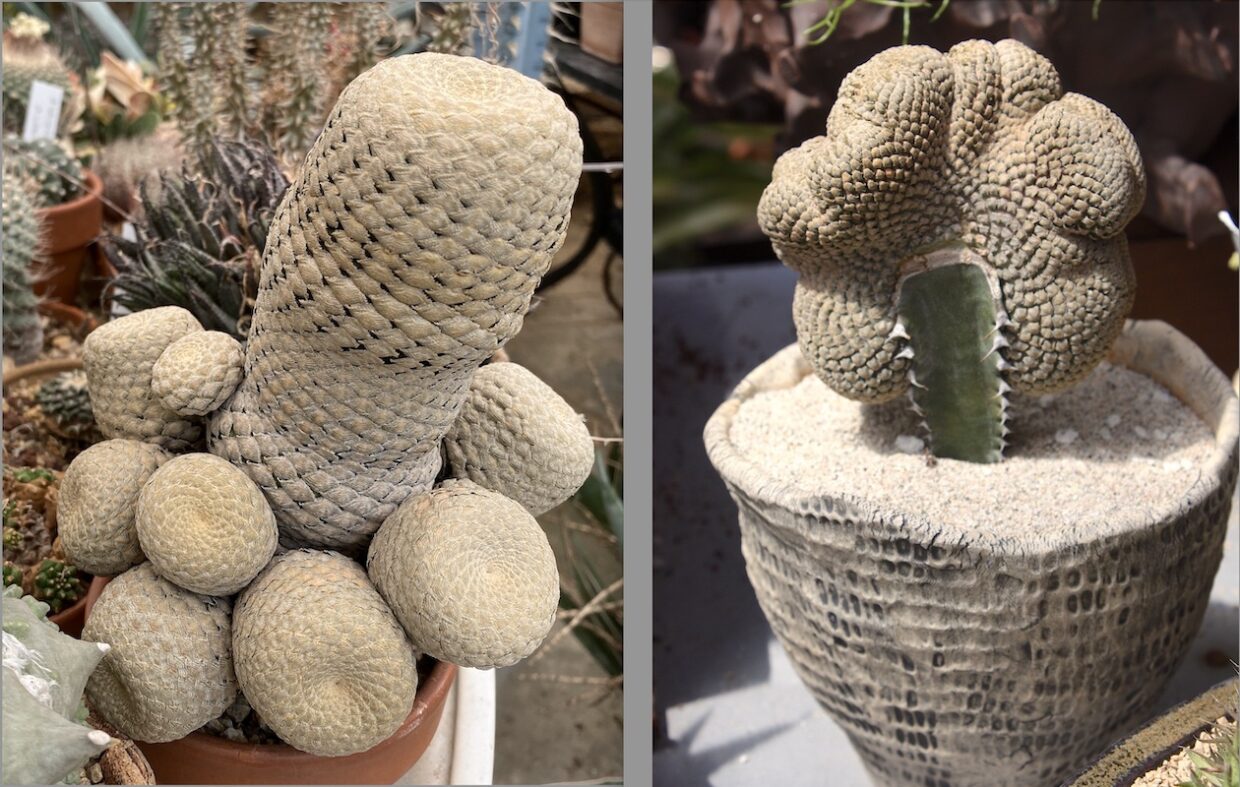
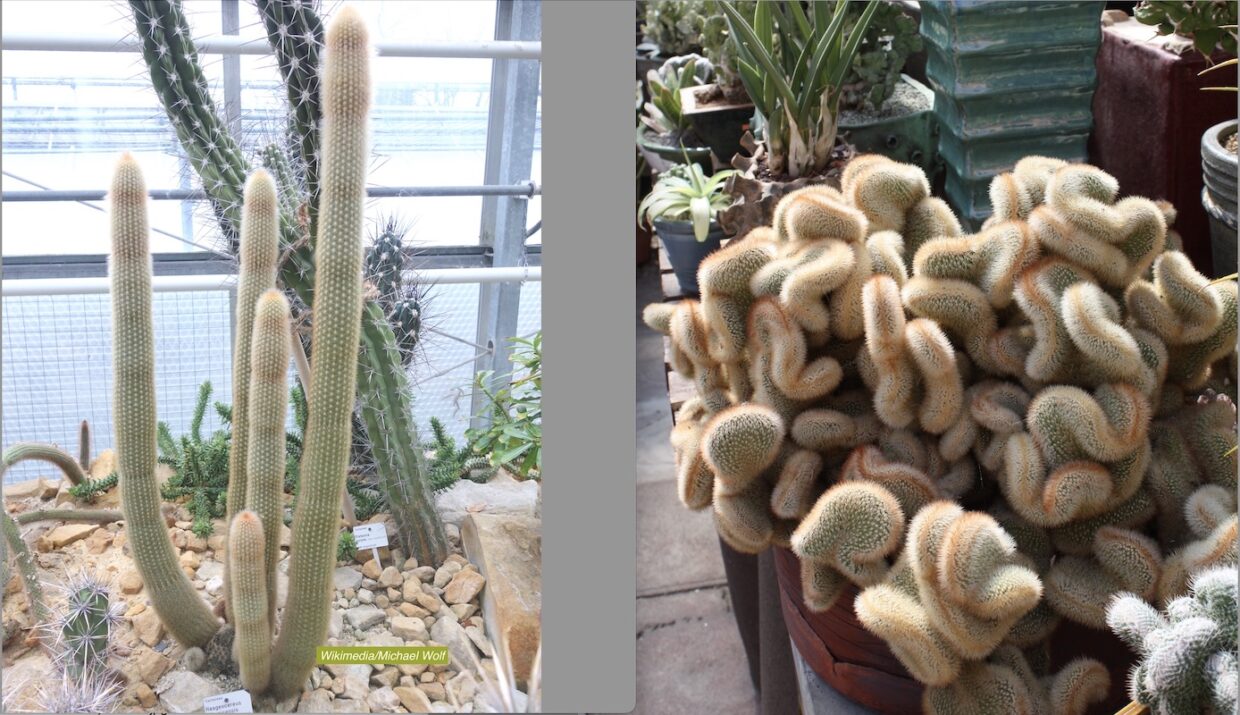
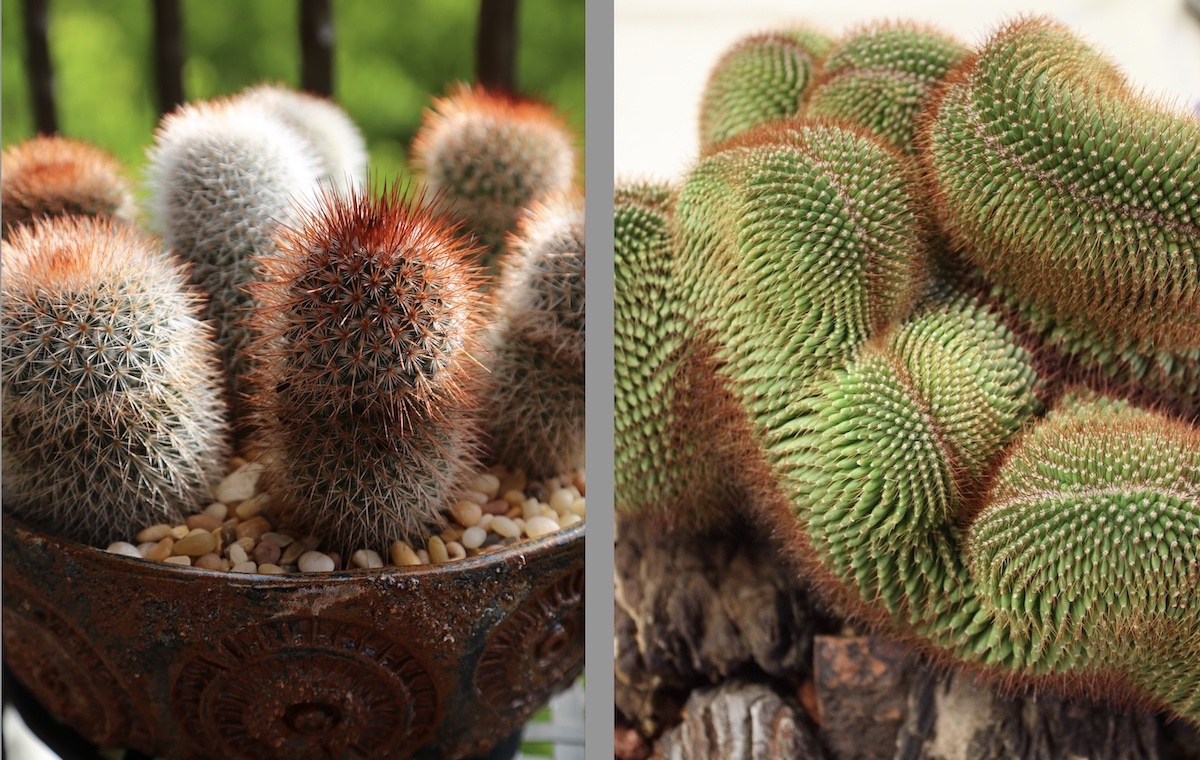
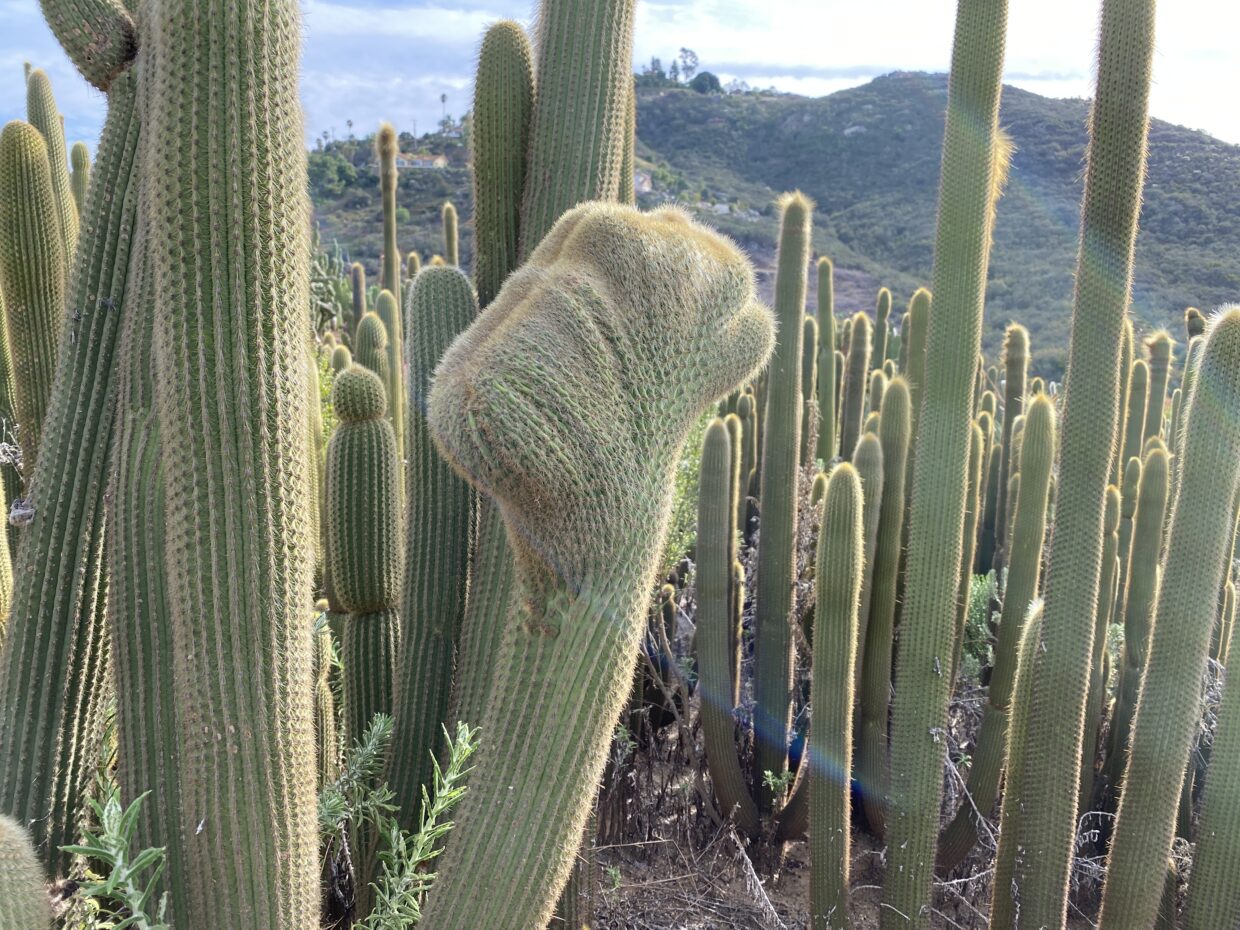
Cleistocactus aureispina crested with normal growth (c) Debra Lee Baldwin

Cleistocactus aureispina crested at left. Normal growth at right

When cresting or monstrose formations happen in nature, they eventually get overwhelmed by normal, more vigorous growth. Collectors remove reverted stems so the energy of the plant goes into the crest. Some will keep both because they find the combination interesting. Personally, I like seeing some normal growth with a crest because it helps me ID the plant.

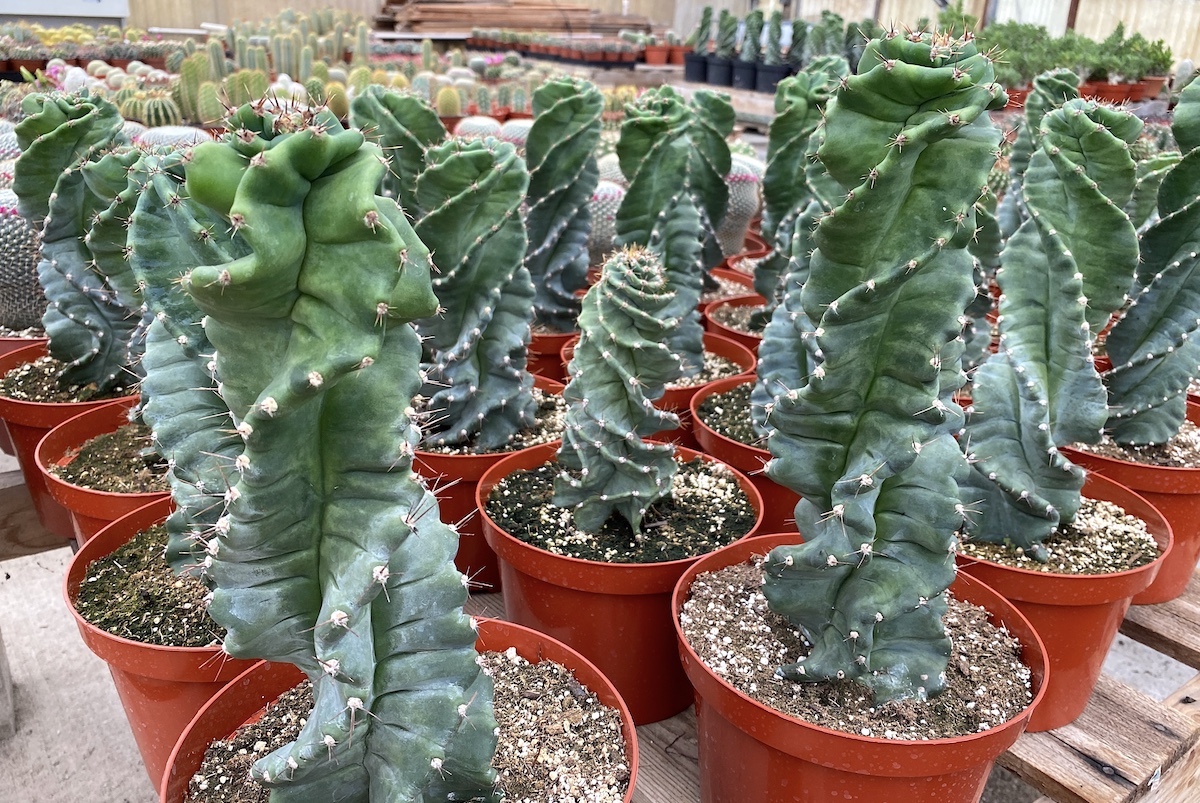
Due to demand, crested succulents are becoming common in nurseries. Most are easily propagated from cuttings, but it does mean sacrificing a plant or causing one to be deformed or scarred. Crested tissue is capricious, and not all cuttings root, and those that do can be very slow growing.

To get crests to grow more rapidly, propagators graft cuttings onto a hardy rootstock that pumps energy and nutrients into weaker top growth. The downside is that crests eventually outgrow their grafts, which then must be redone.

Care of crested and monstrose succulents

In general, give crested and monstrose succulents the same growing conditions as the normal version of the plant, but do keep these cautions in mind:

Water: Take care not to overwater a crested or monstrose succulent, or expose it to excessive sunlight. The plants tend to be more vulnerable to rot and sunburn than their normal counterparts.

Expect slow growth: Crests in colors other than green or that are streaked cream or white tend to be less vigorous than their all-green alternates. The strongest crests have ample chlorophyll---the pigment that plants use to convert sunlight into energy.
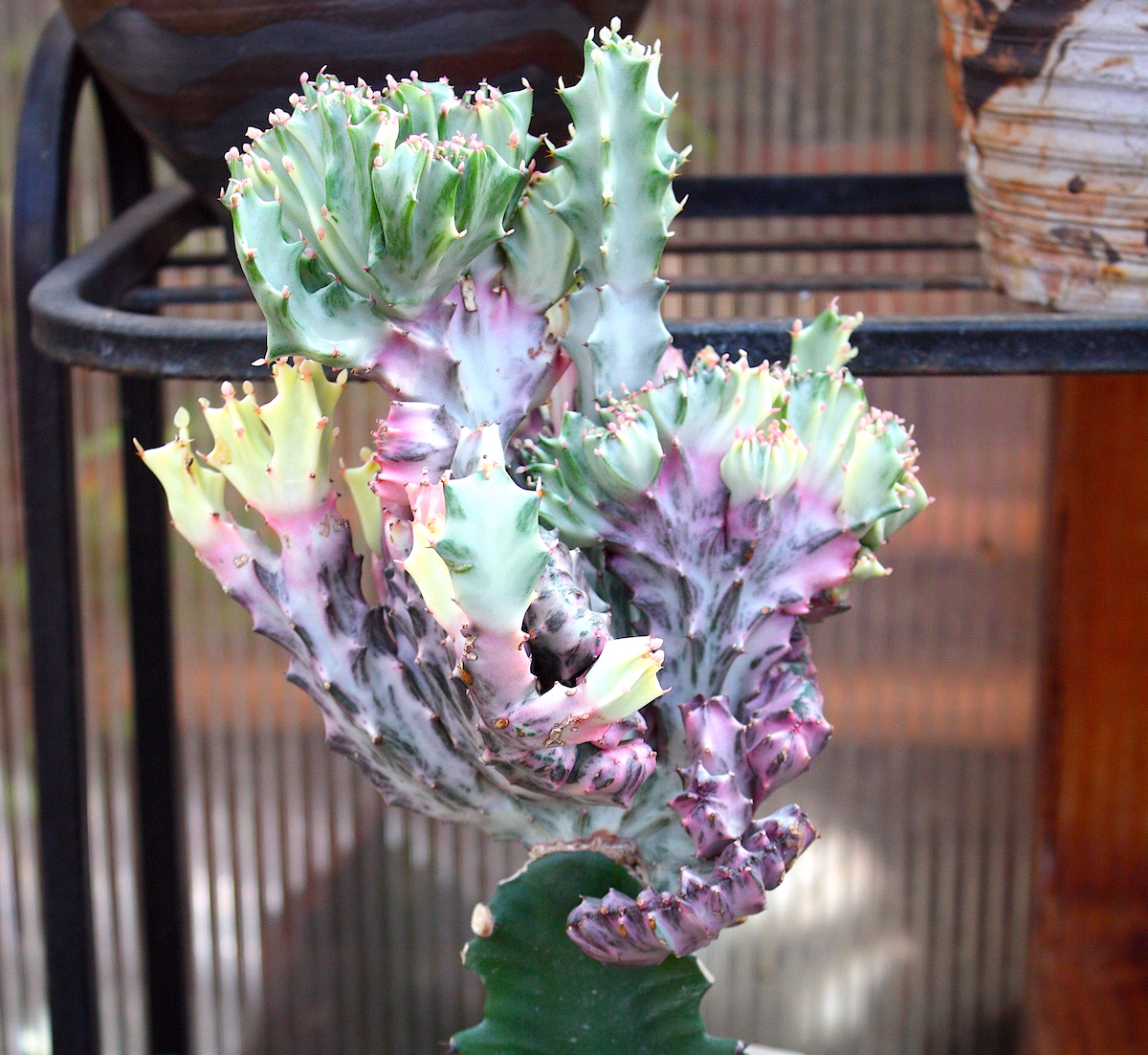
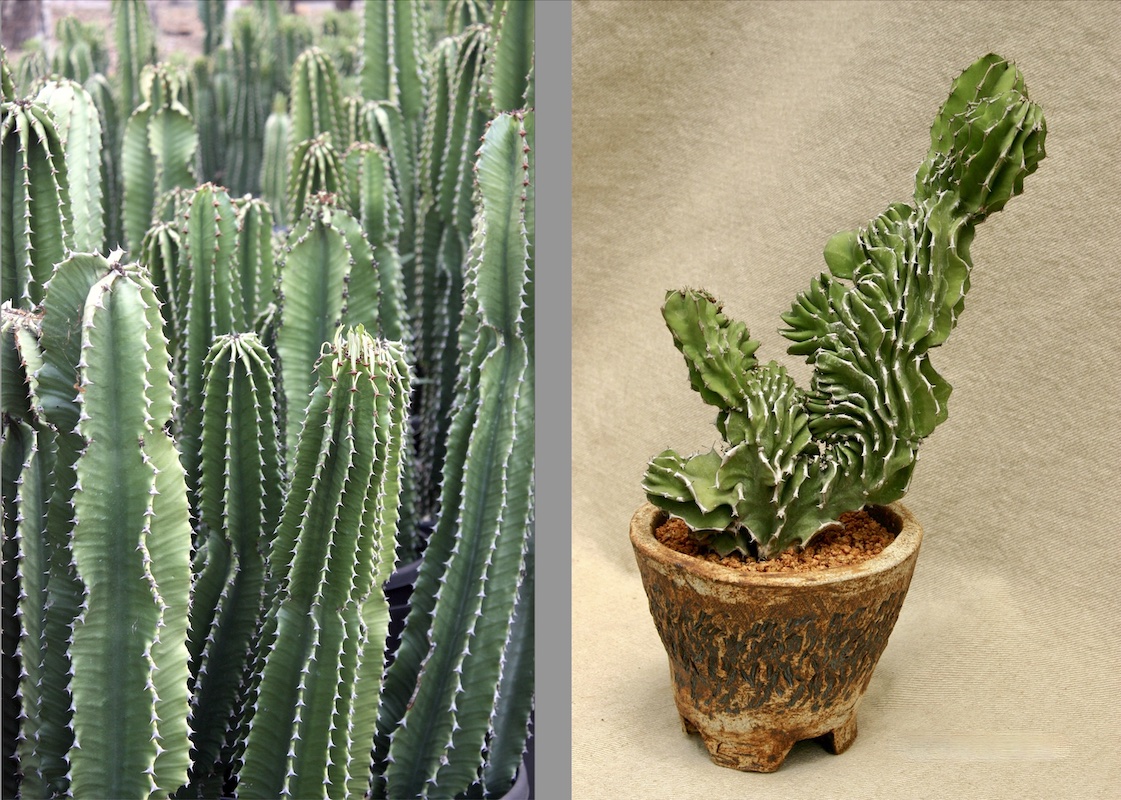
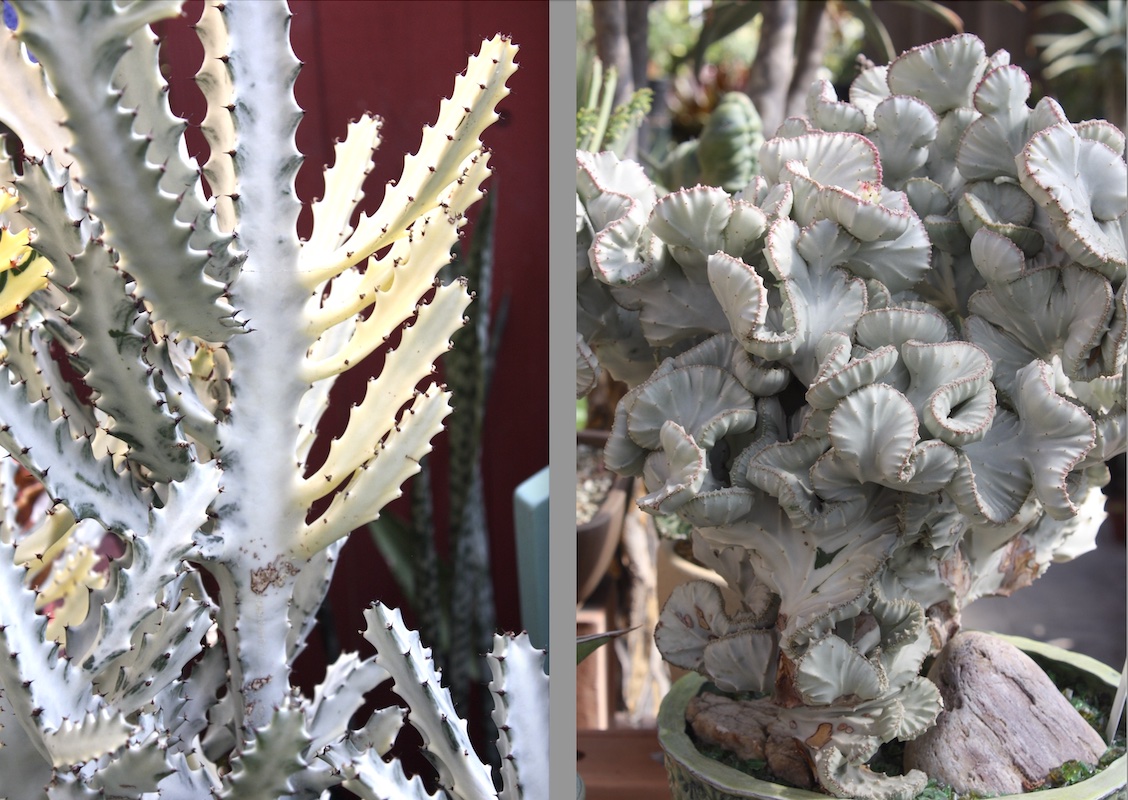
Grafted Euphorbia lactea crest (c) Debra Lee Baldwin

Grafted Euphorbia lactea crest

Be vigilant about pests: Thrips, mealy bugs and scale need to be treated immediately lest they get out of hand. Once pests infest a crest’s tight folds, they’re difficult to get rid of and will eventually kill the plant. See my site’s Pests, Diseases and Problems page for how to spot and combat infestations.

About the Gallery

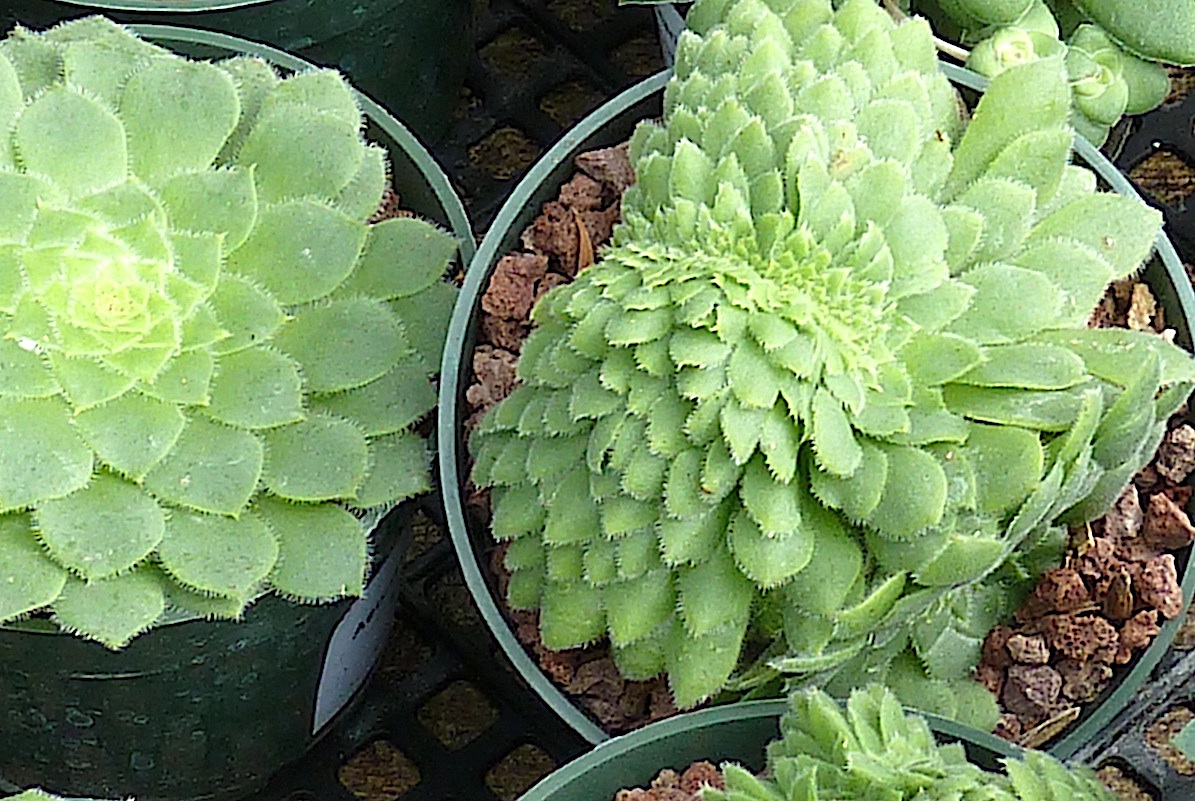
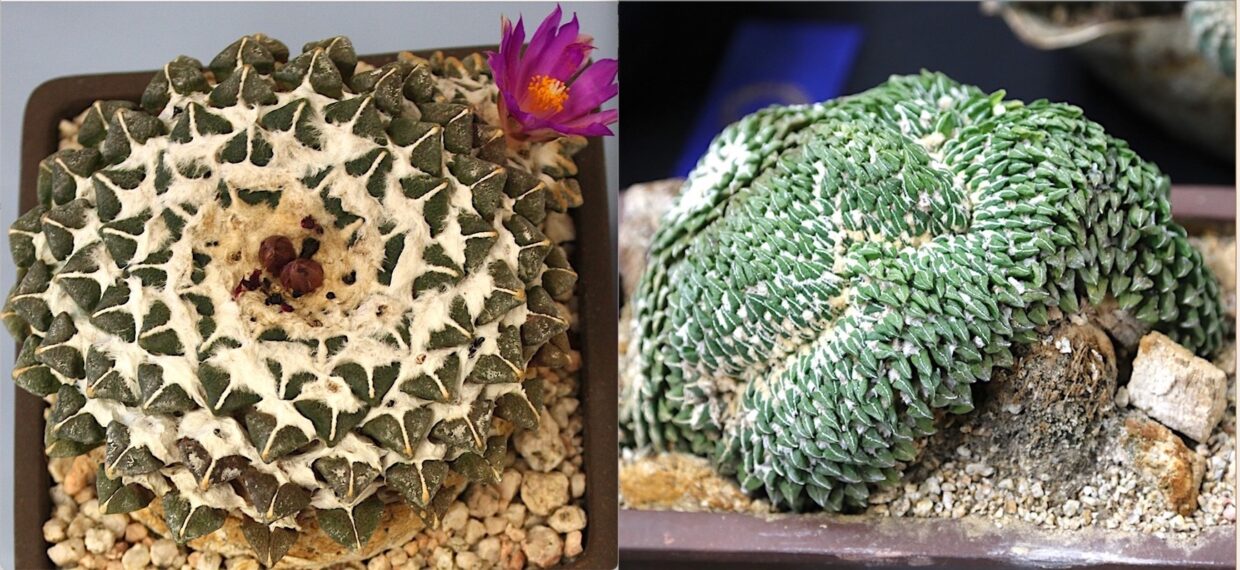
Below you'll see normal and crested and/or monstrose forms of nearly 90 different kinds of succulents, on the same plant or side-by-side. I'm proud that this is the only compendium of its kind online. 

Can you guess my most difficult challenge? Getting names correct. Not only did I wade through numerous changes in nomenclature, certain crested succulents look entirely different from their corresponding "normals."
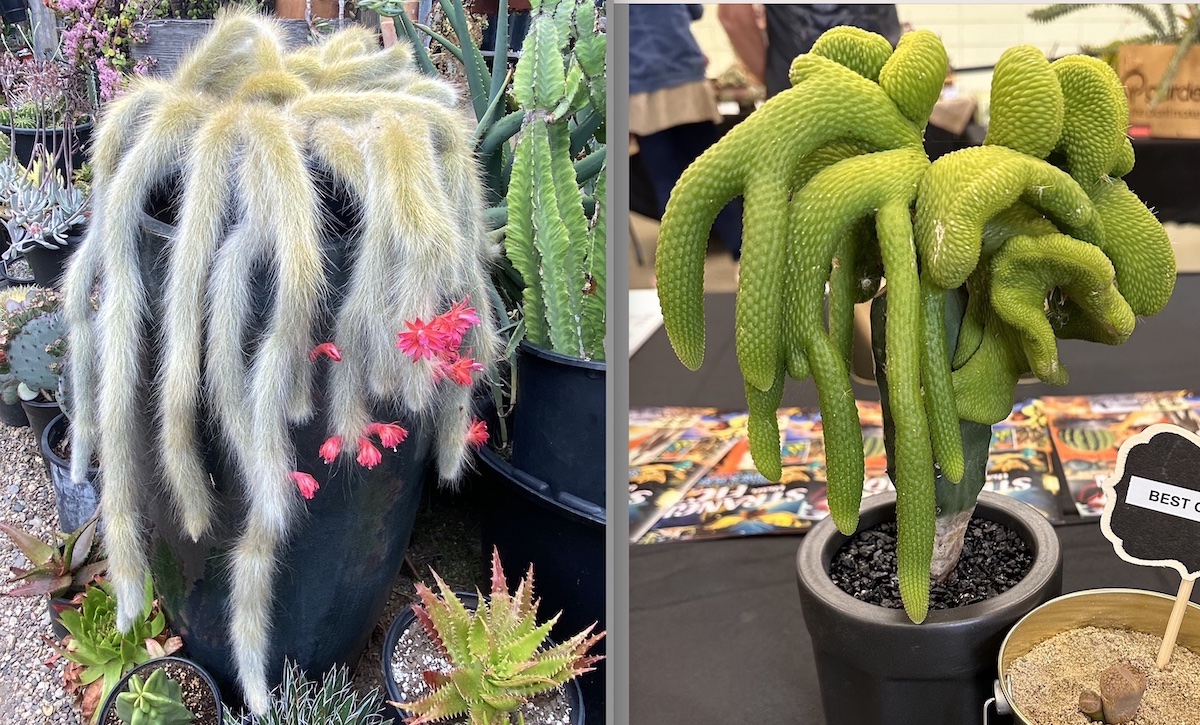
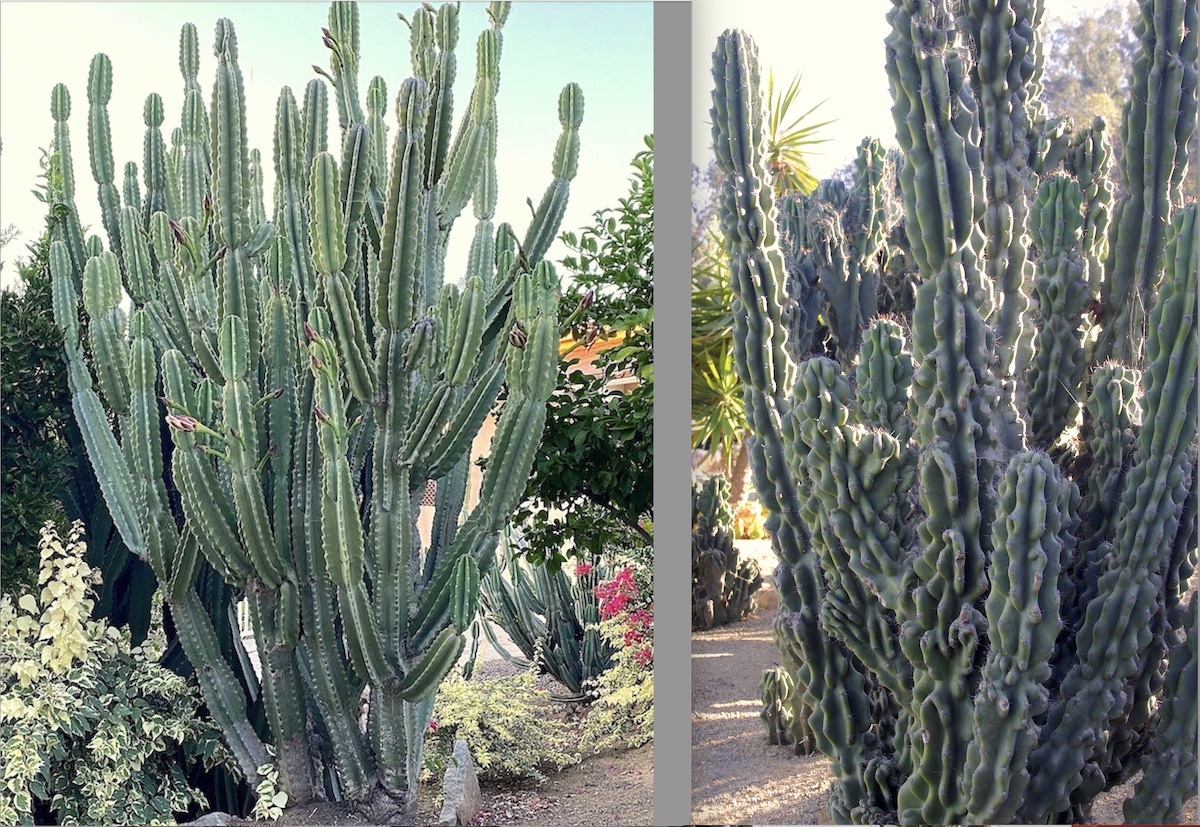
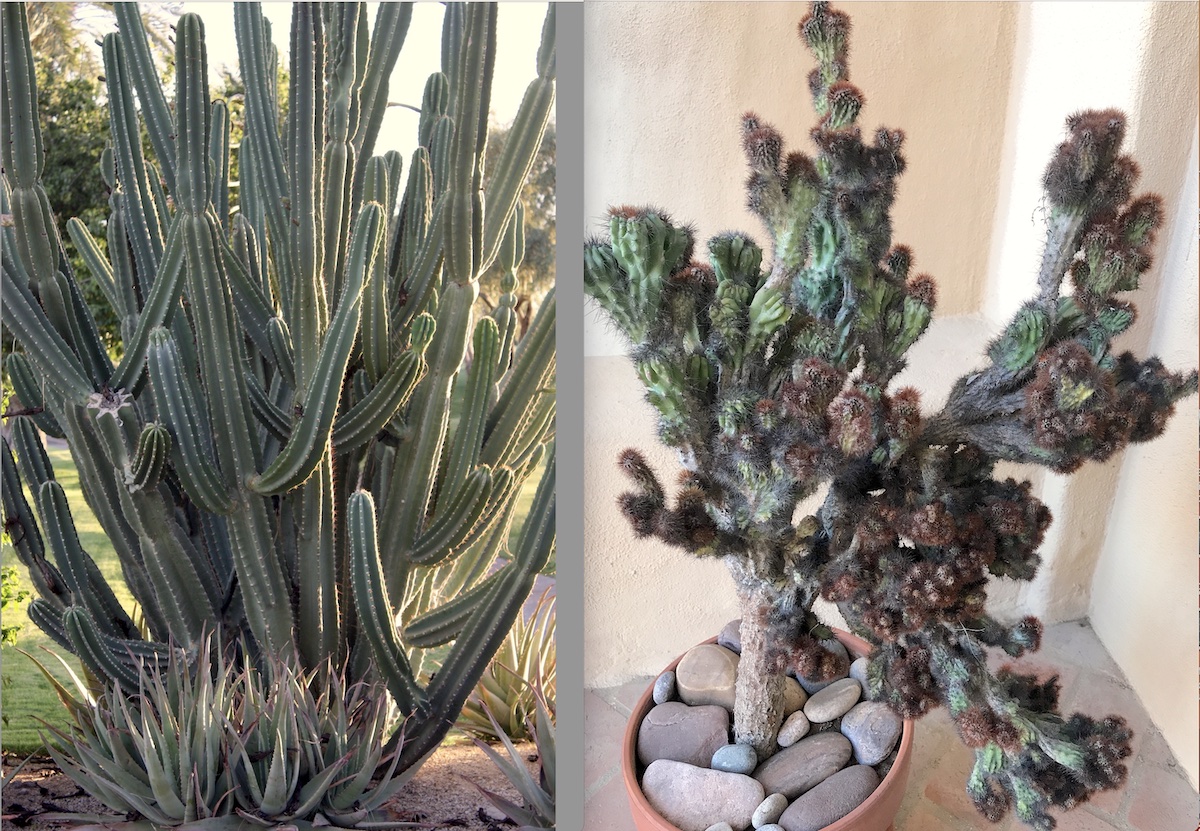
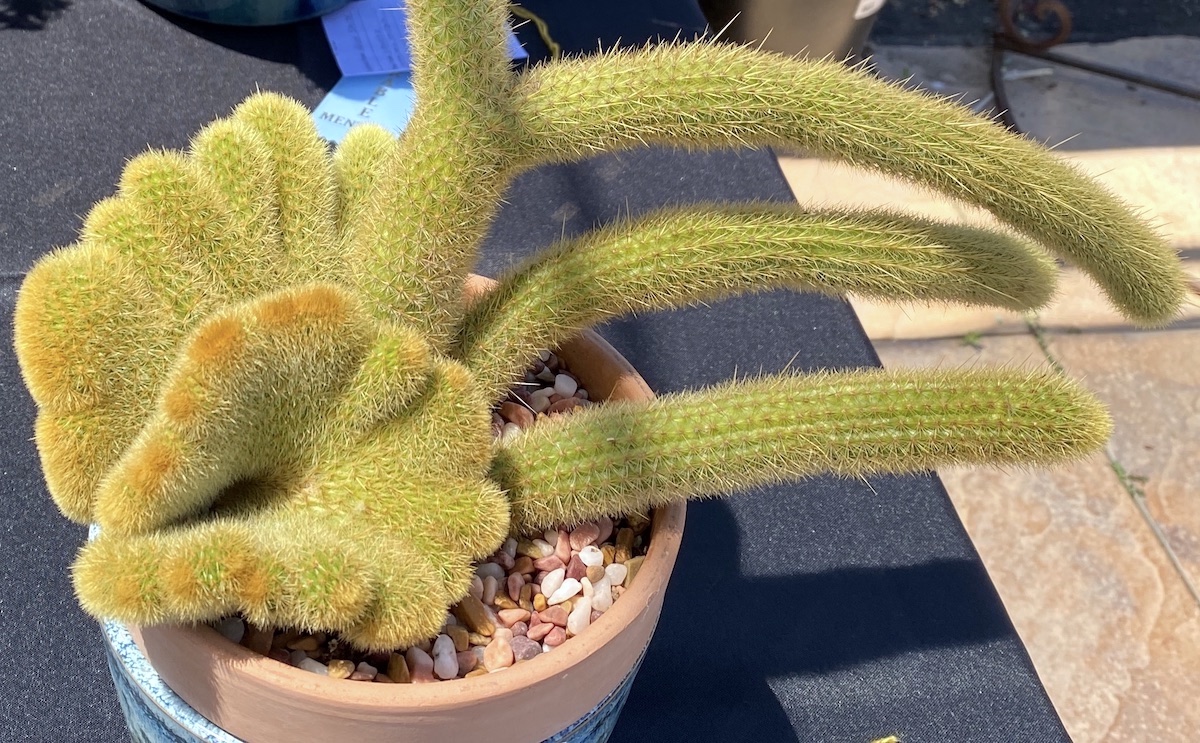
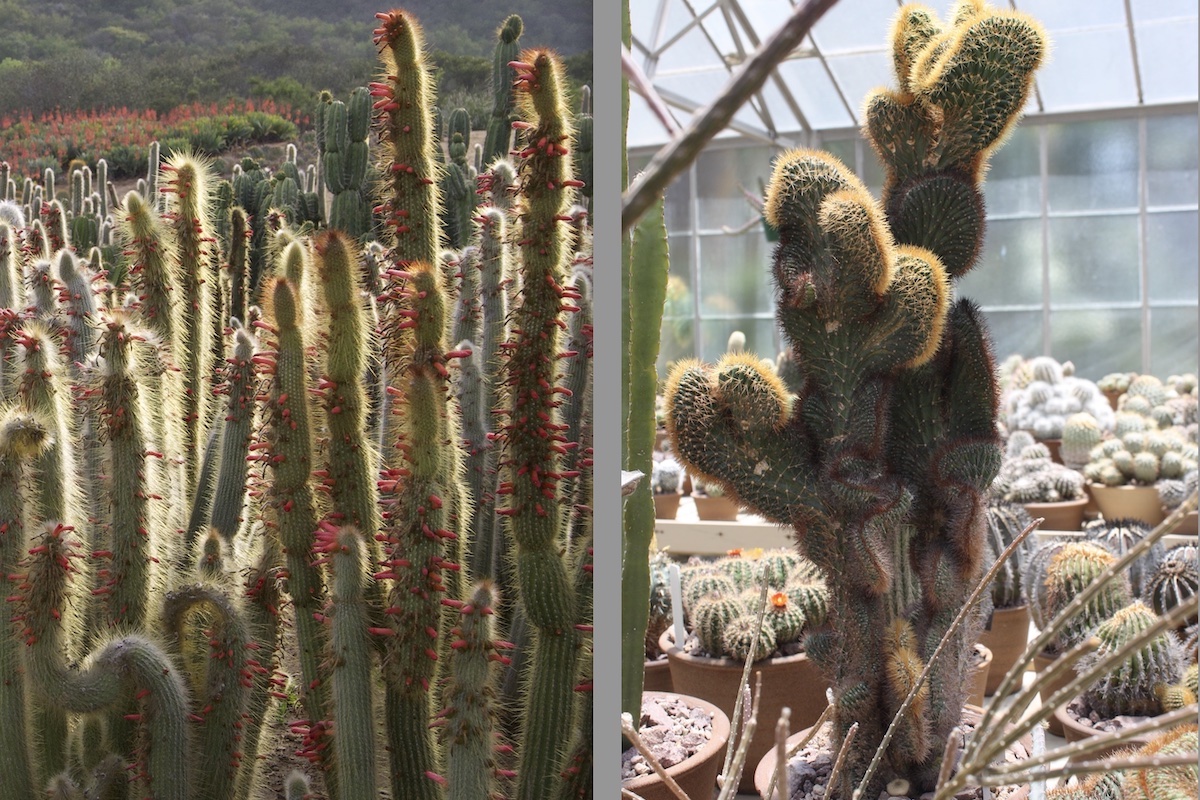
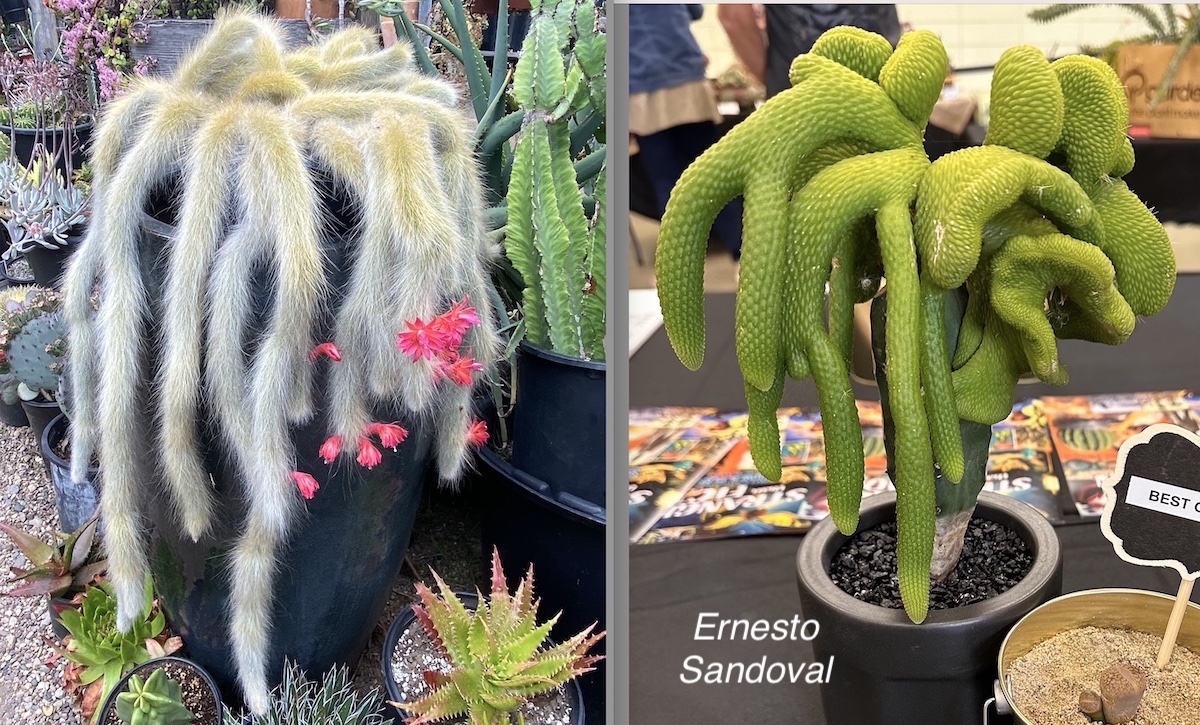
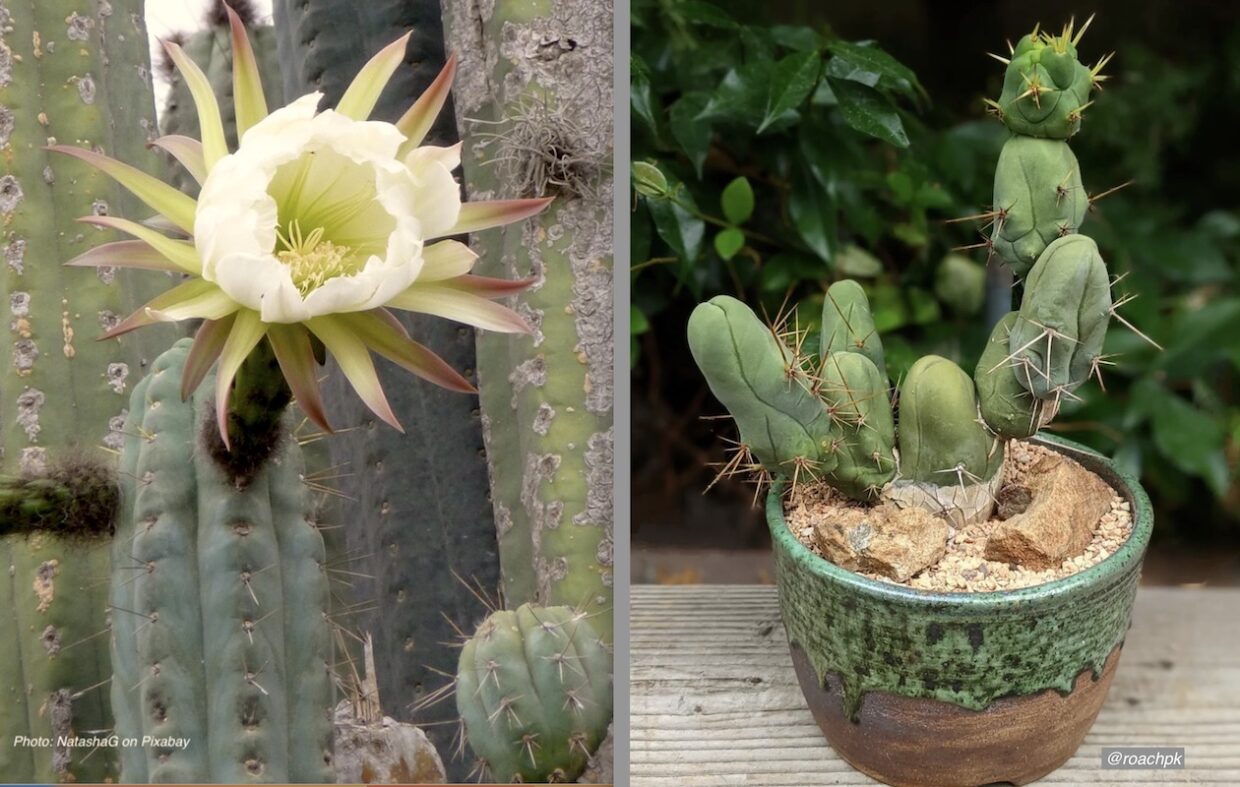
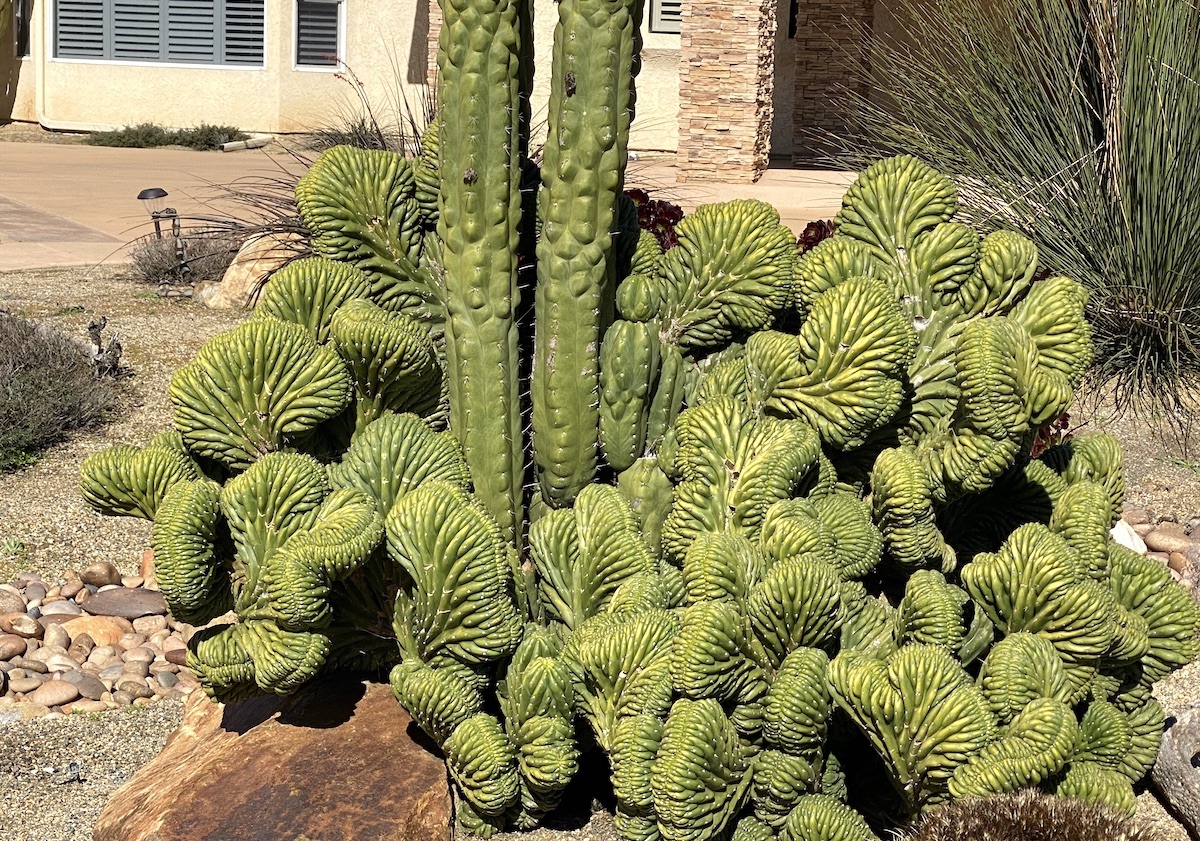
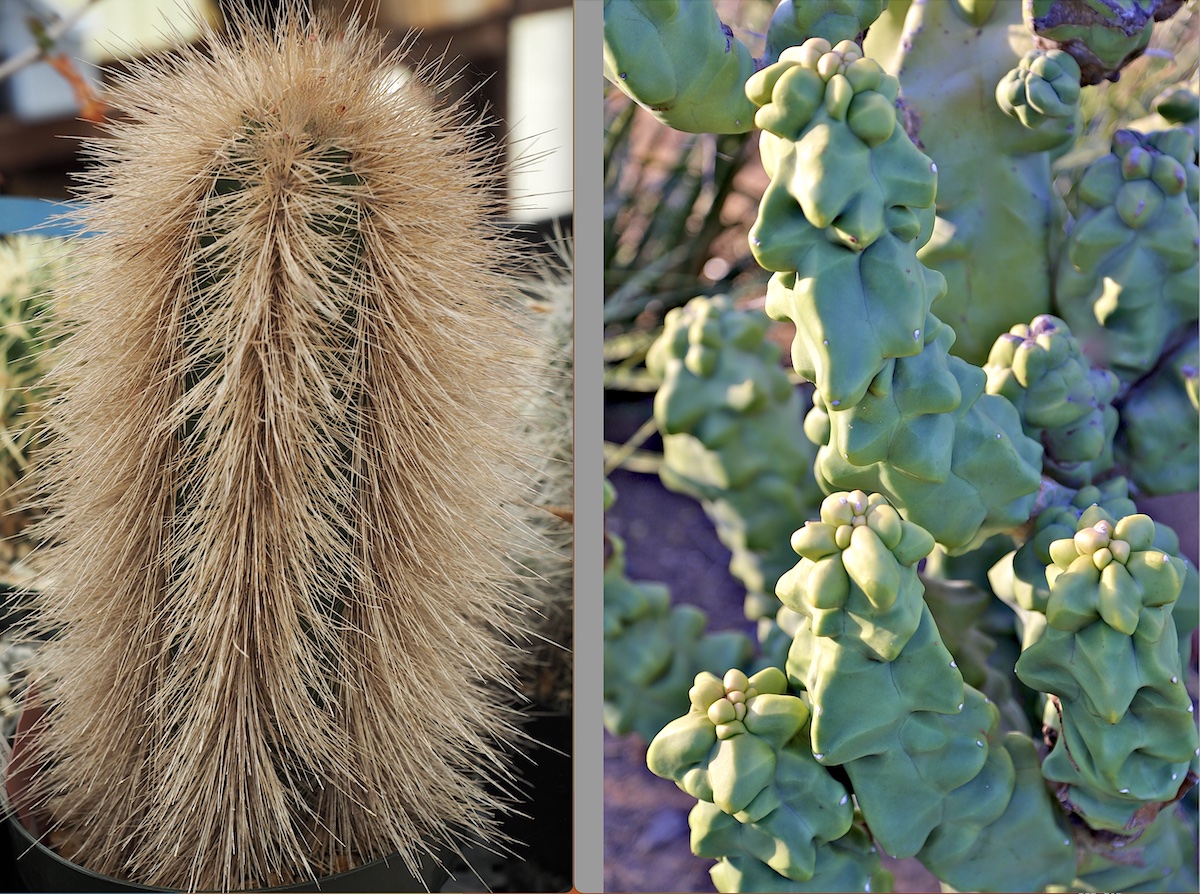
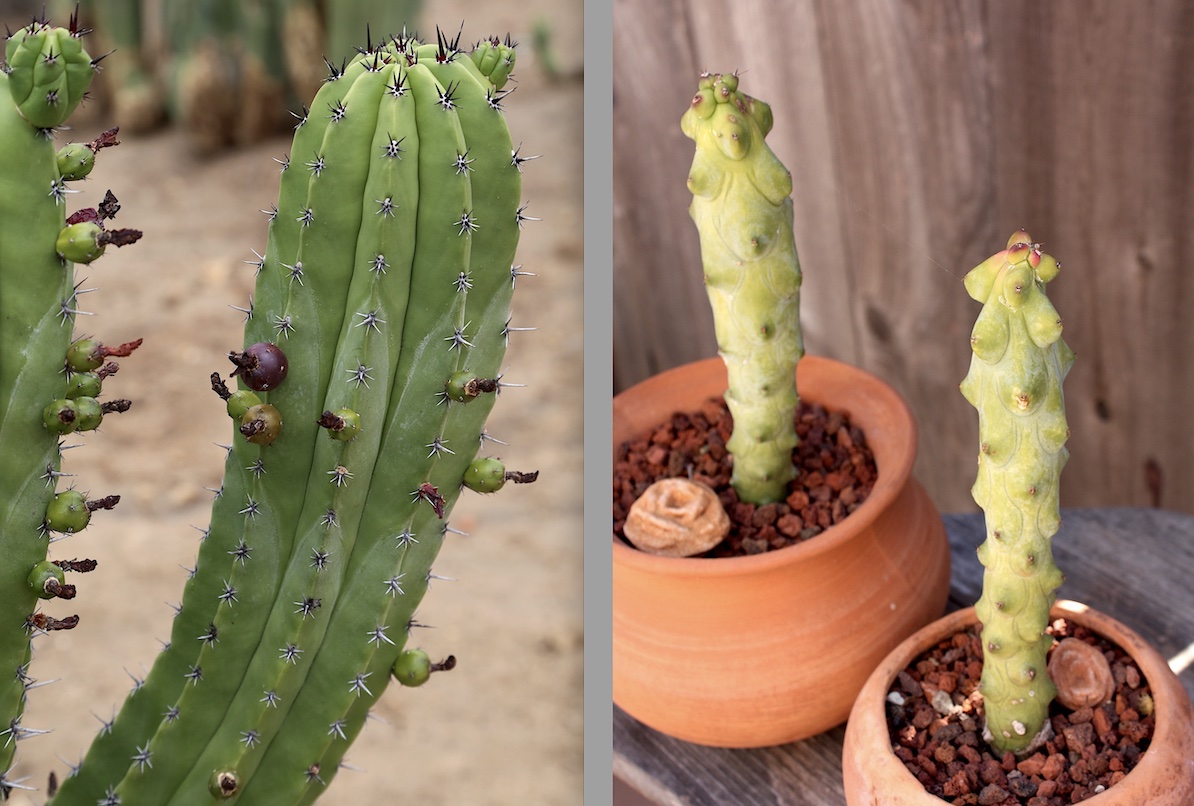
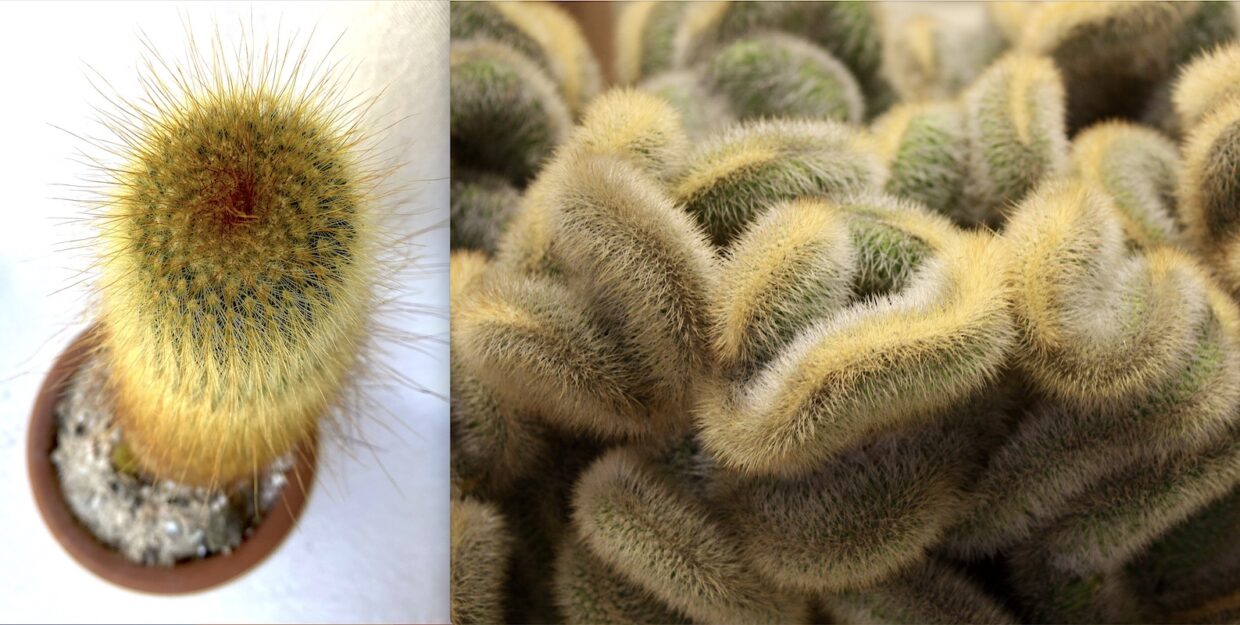
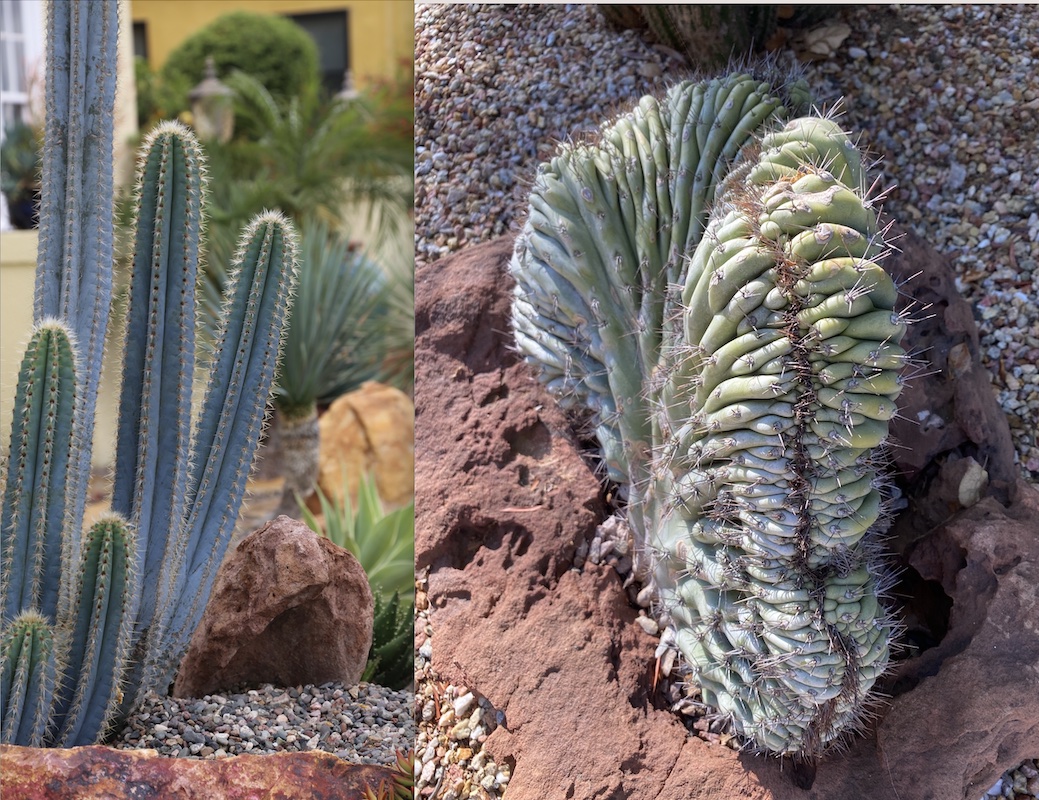
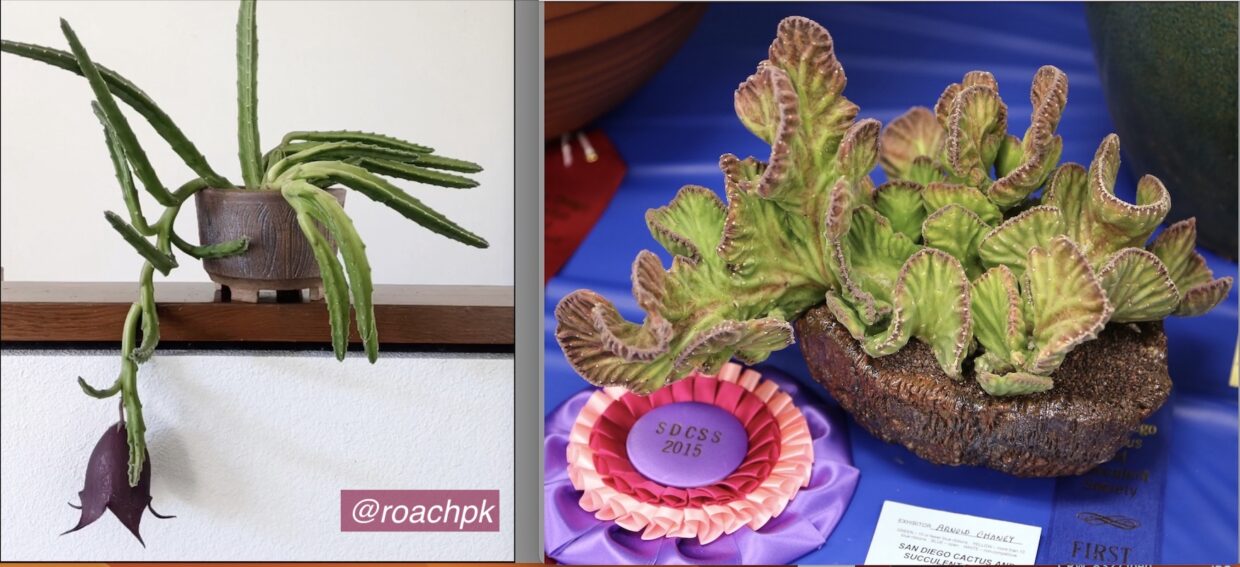
Cleistocactus (Hildewintera) winteri ssp colademonois (Monkey Tail) & crest (c) Debra Lee Baldwin

Cleistocactus (Hildewintera) winteri ssp colademonois (monkey tail) & crest. Left: Solana Succulents. Right: Collection of Ernesto Sandoval

As you browse the Gallery, you may think, "No way!" Well, that's what I thought at first, too. I've researched each one thoroughly, and am confident my IDs are correct. However, as always, I welcome your comments and corrections. If you find an error---here or anywhere else on my site---do LMK in the Comments.

Btw, there are still crests in my files that I've yet to ID. As I track them down, I'll add them to the Gallery. It's a fun, if sometimes frustrating, pursuit, but I do love the ah-ha! moment of nailing one.

Do let us know in the Comments your own experiences with crested and monstrose succulents.

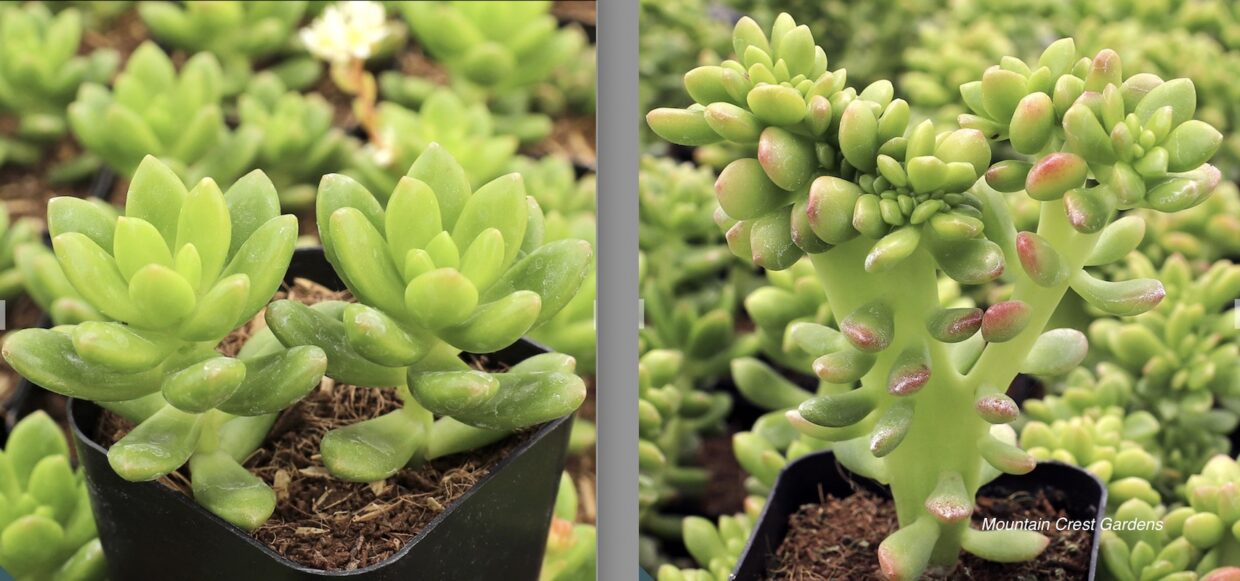
And if you're eager to own more, do check the Resources page of this site for Southern CA nurseries, or contact mail-order growers Mountain Crest Gardens, Altman Plants and Rojas Succulents.

Gallery: Crested & Monstrose Succulents with "Normals"

Related Info on This Site

Types of Succulents from Aeonium to Zebra Plant, Photos & IDs

Debra’s Dozen Easy-Grow Succulent Plants for Beginners
Trying to make sense out of succulents? There are numerous varieties, but these are the most common succulents and those you’ll likely run across. Enjoy growing and discovering these fascinating “plants that drink responsibly!”

The post Crested and Monstrose Succulents with Normals appeared first on Debra Lee Baldwin. Copyright © Debra Lee Baldwin.


from Debra Lee Baldwin https://ift.tt/y87D1fR
via IFTTT

lunes, 9 de octubre de 2023

How I Understand and Remember Succulent Names Amazing tips

Ever wish you could understand and remember succulent names? It's especially challenging when they've changed, multiple common ones exist, and Latin binomials (genus + species) are long and unpronounceable. Here I share my own experiences in order to help, offer hope, make you feel better and entertain you.

It kills me when I get a plant name wrong

I agonized over getting Latin botanical names right when writing the first edition of Designing with Succulents. When the galleys arrived, I watched my son---still at home at the time---turn the stack of glossy pages. “Looks great Mom, but why all the Latin?" he asked. "Why not just use common names?” Hm. Just stab me.
A decade later, as I revised and updated the same book---which (modesty aside) had managed to propel succulents into the stratosphere---my publisher wanted both Latin and common names. Certainly common ones are easier to remember. However, they tend to vary regionally and even among growers and nurseries, are often inaccurate, and confound non-English speakers.

Granted, Latin binomials may strike readers as irrelevant, even ridiculous. Whenever I browse the Internet for fascinating animals (recently, weedy sea dragons) I care little that they're, say, Phyllopteryx taeniolatus. But then I'm not a marine biologist. For us horticulturists, Latin plant names fling open windows of knowledge. It thrills me how two words---genus and species---can reveal so much.

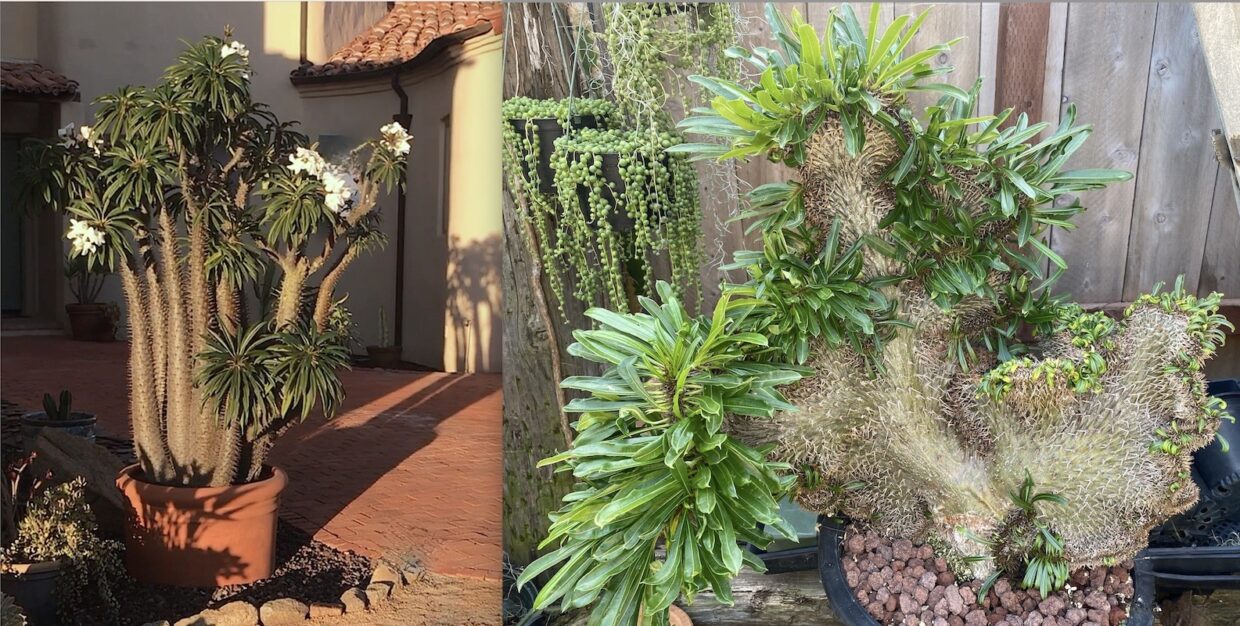
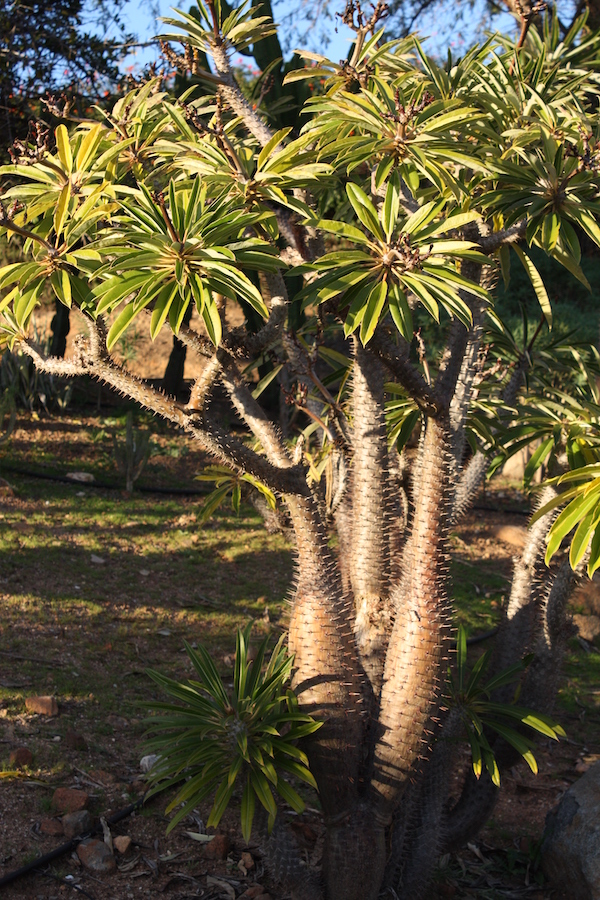
Pachypodium lameri

Pachypodium lamerei

Take Pachypodium lamerei. Its common name “Madagascar palm” is misleading; it is indeed from Madagascar, but (aiyee!) NOT a palm. The genus emphasizes its shape: Pachy means fat (an elephant is a "pachyderm") and podium means base. By the Latin alone, one might deduce that it's a caudiciform (has a water-storing trunk or caudex). Lamerei acknowledges the explorer who sent it back to France in the 1800s. OK, we don't really need to know about Monsieur Lamére. Still.

Ages ago in high school Latin class, under the glaucous gaze of Sister Fidelis, I saw no reason to study a dead language. If only Sister had flung open a second-story window, gestured at fragrant purple blooms of Wisteria sinensis in the convent garden below, and announced that the species name meant “from China”...and perhaps added it's in the family Papilionaceae---so like a song when said aloud, “pah-pil-ee-oh-nay-see-ay”---and which (gasp!) means “flowers that resemble butterflies.”

Instead we slogged after Caesar as he divided Gaul into partes tres and were fascinated only by a full-page Reubens of the Rape of the Sabine Women. Yep, hard to believe, but back then that eye-popping painting was in Latin textbooks in the hands of 14-year-olds.

Decades later my own teen saw no reason for Latin in a book his mom had authored. Naturally I blame myself. I failed to engender in him a keen delight in gems hidden within seemingly intimidating syllables.

Teeth-gnashing name changes

The succulent names you and I learned a decade ago may be incorrect today. Go to the Internet for an ID, and "our" plant may have several names---more, if capricious spellings count. Apps that ID plants from photos are OK for general IDs but not necessarily species and rarities. Yes it’s an agave, but which one?

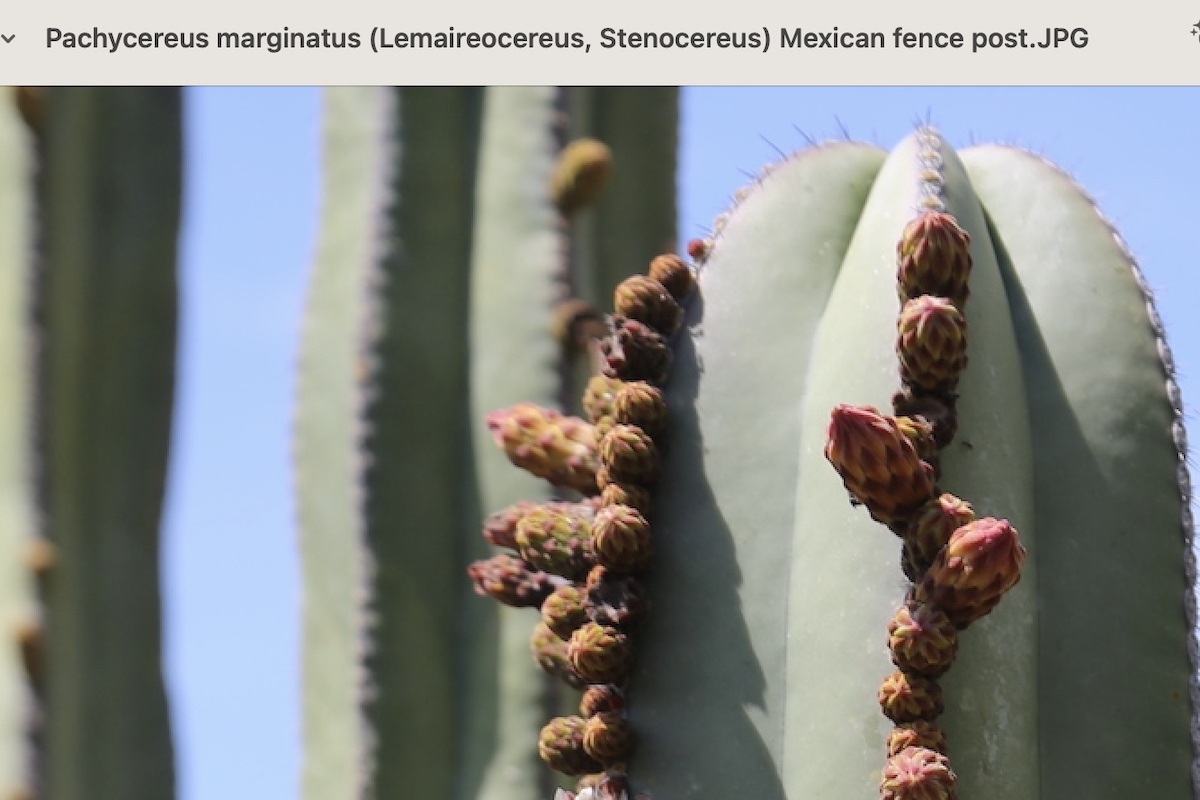
When the botanical powers-that-be change names based on "new research," I wince. I know I won’t remember the revision. I want to rebel, but as a plantsman advised me long ago, “Debra, there’s no such thing as nearly correct.” So I duly note updates. Labels on photos in my files are getting lengthy with succulent names-as-I-know-them plus their new ones. For example...

Pachycereus buds (c) Debra Lee Baldwin

Check out the file name at top!

It doesn't help that vendors of in-demand succulents, eager to sell them on Ebay or ad-stuffed sites, add to the confusion. They guess what a plant might be, then give it a common name in large letters and a botanical name in tiny ones (because, who knows, buyers may search for that too). Why triple-check IDs or spellings? All you really need to sell a succulent is a killer photo!

The editors and proofreaders at Timber Press trained me to nitpick names. But now, rather than doing more books, I prefer to add posts, pages and galleries to my site. They're so much easier to correct or update.

The Delights of Latin Binomials

IMHO the easiest-to-understand guide to “Demystifying Plant Names” is on pp. 738-739 of the Sunset Western Garden Book, ninth edition. In addition to explaining the rationale behind Latin binomials, it translates common species names that describe colors, flower and leaf forms, plant origins and more. Some examples...

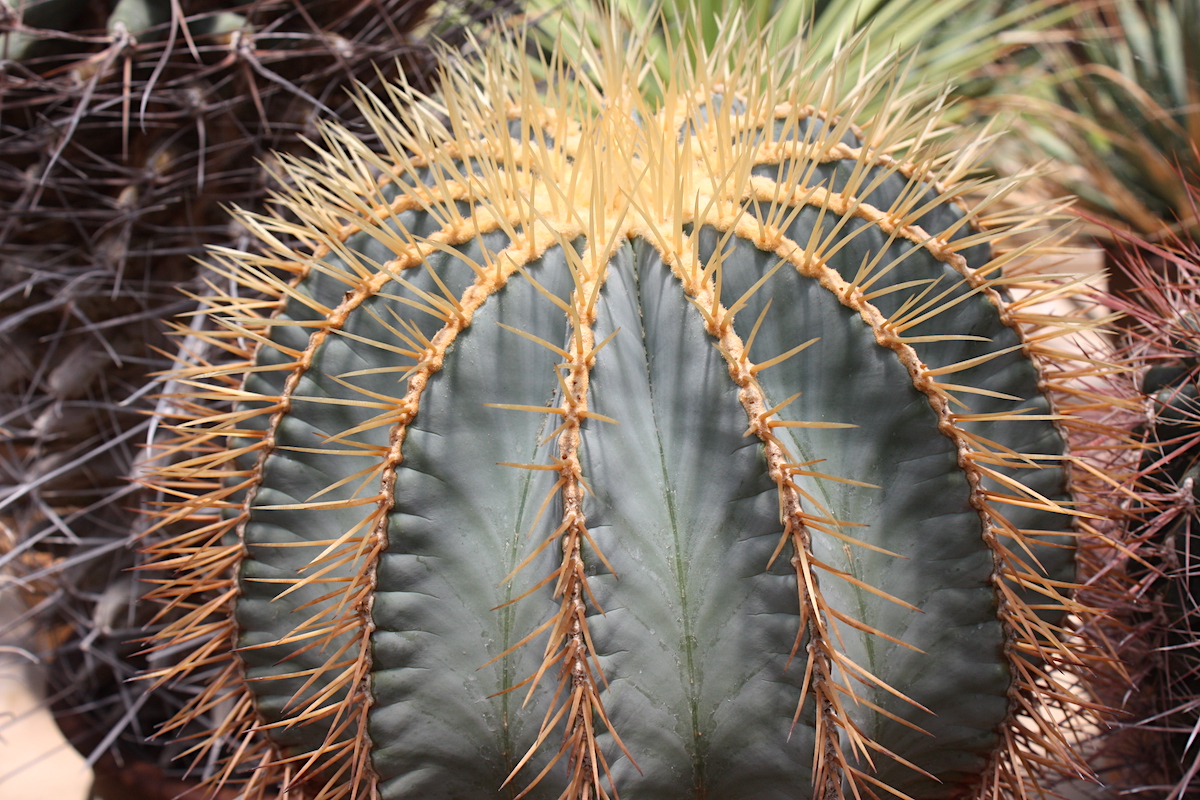
Ferocactus glaucescens (c) Debra Lee Baldwin

Ferocactus glaucescens 

Ferox (Latin) = fierce

Kaktos (Greek) = thistle

Glaucus (Latin) = gray, blue-gray

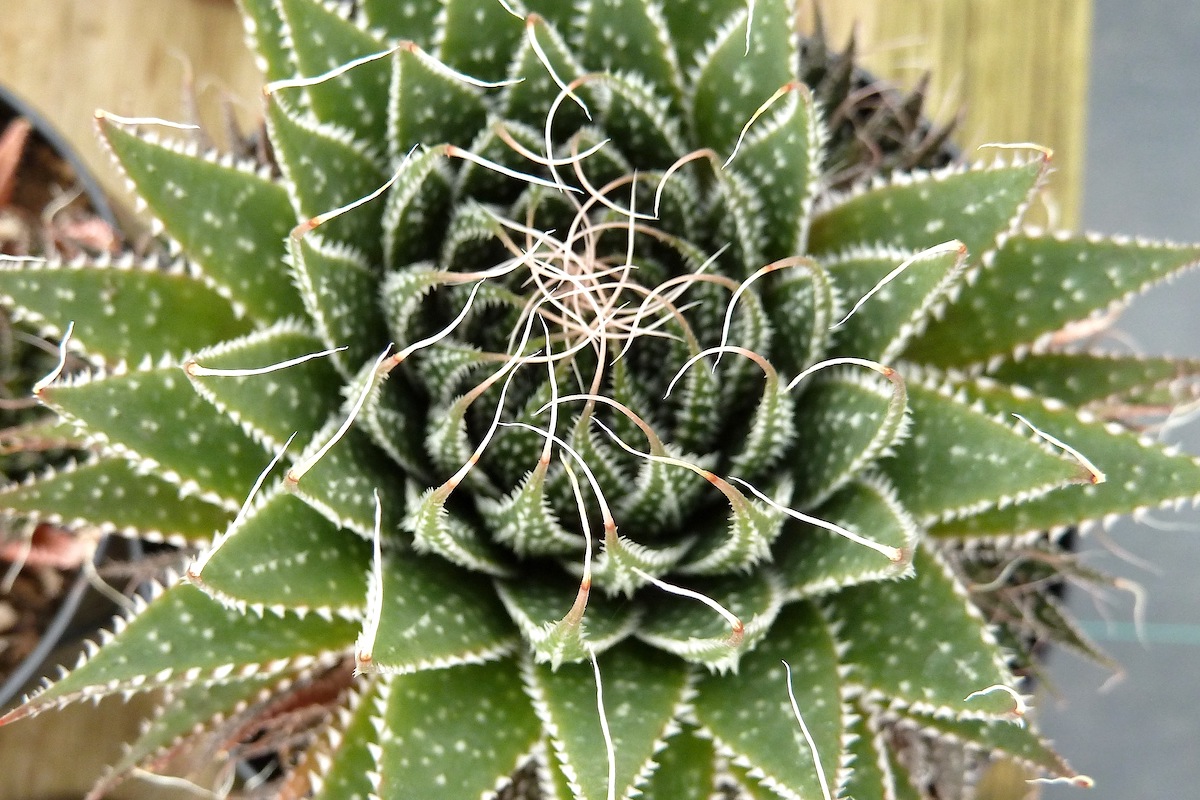
Aloe aristata (c) Debra Lee Baldwin

Aloe aristata

Alloeh (Arabic) = bitter

Aristata (Latin) = bearded, hairy

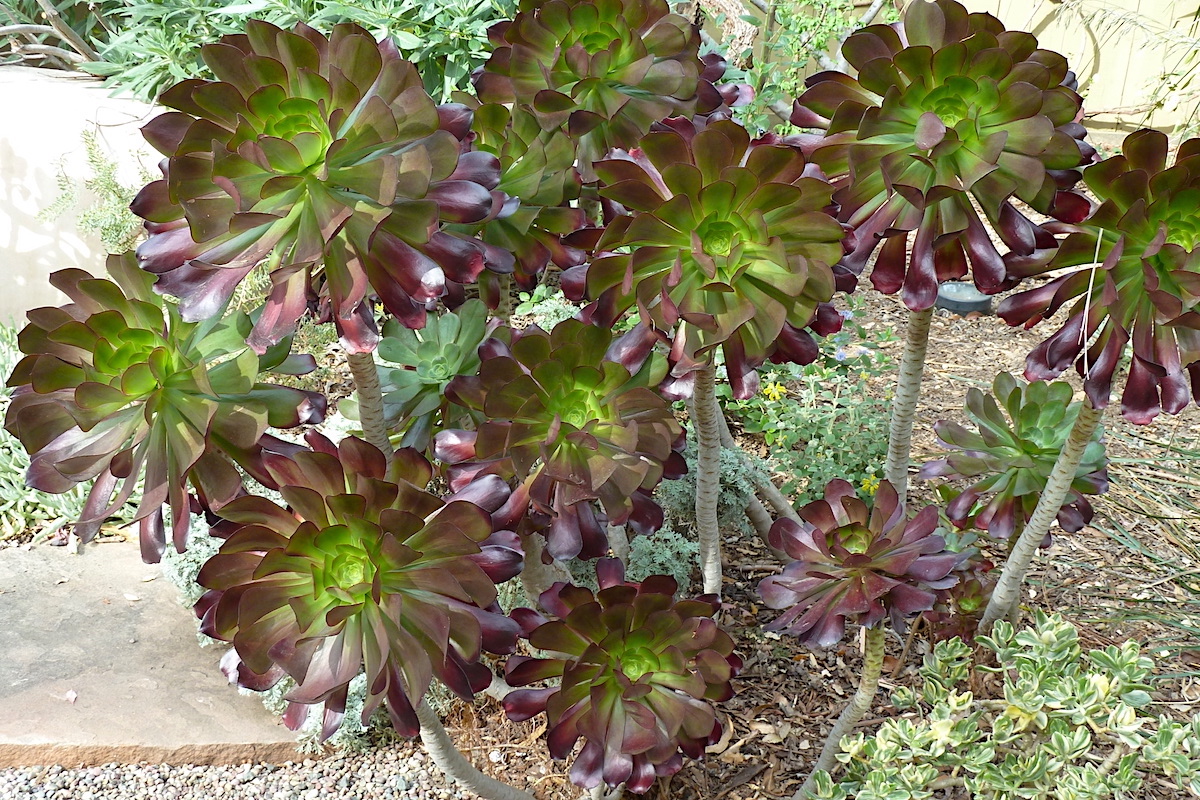
Aeonium arboreum atropurpureum (c) Debra Lee Baldwin

Aeonium arboreum atropurpureum

Aionion (Greek) = long lasting

Arboreus (Latin) = treelike

Atrox (Latin) = intensely

Purpurea (Latin) = purple

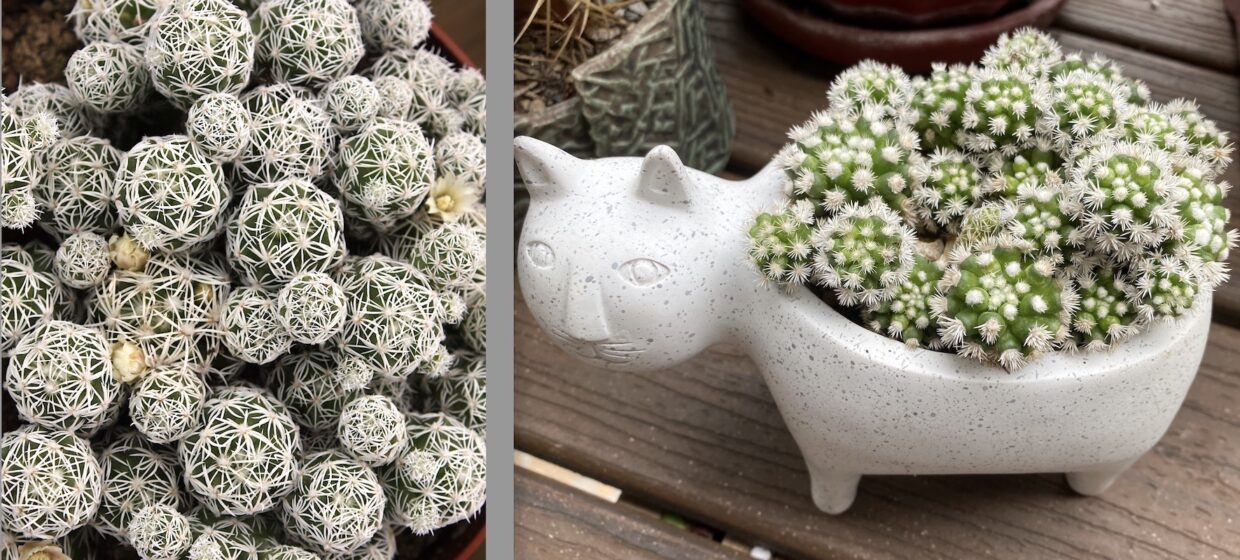
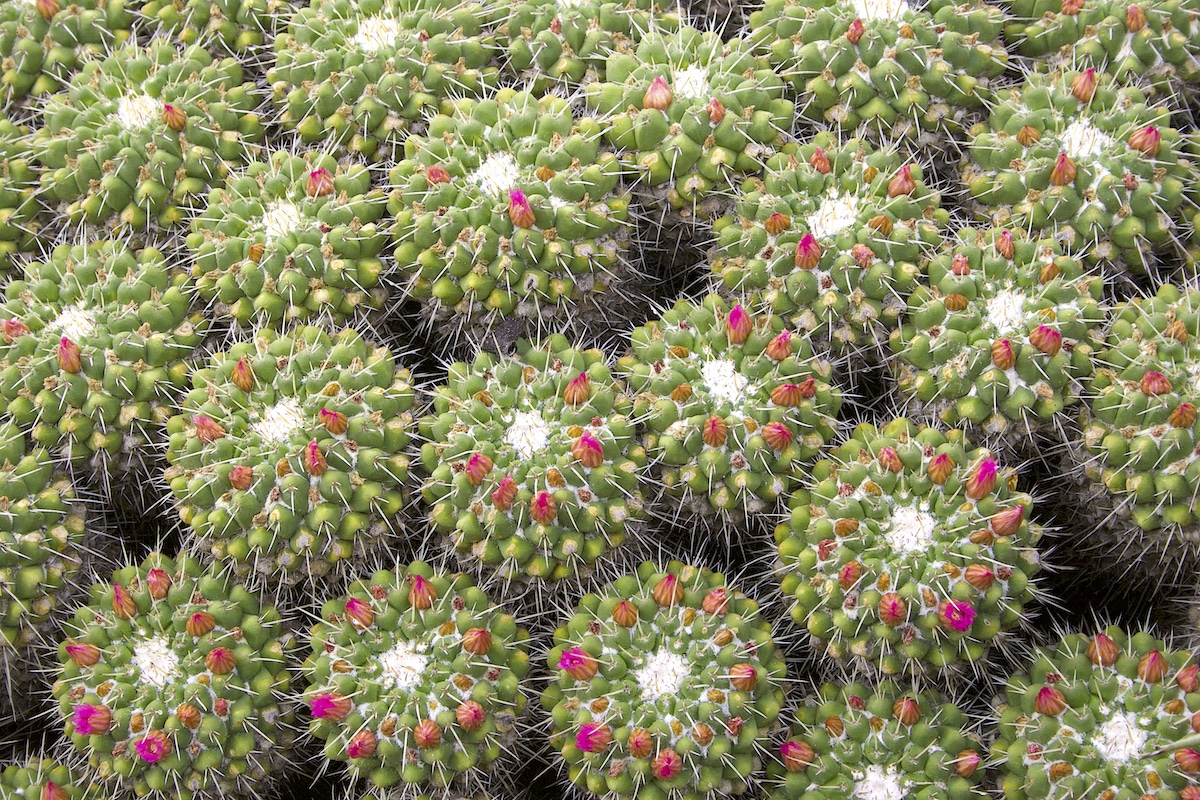
Mammillaria compressa (c) Debra Lee Baldwin

Mammillaria compressa

Mammilla (Latin) = nipple

Compressus (Latin) = compressed

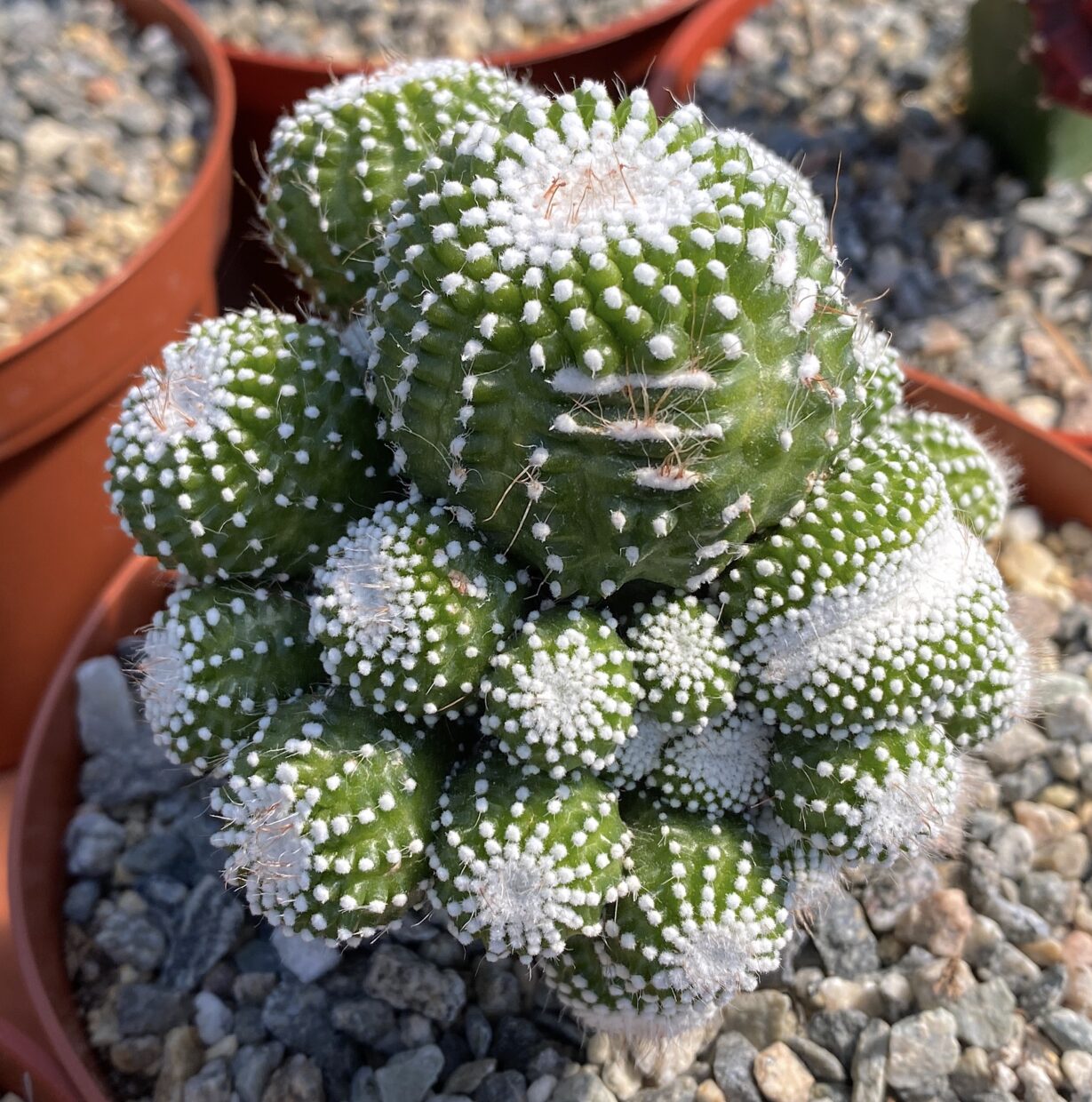
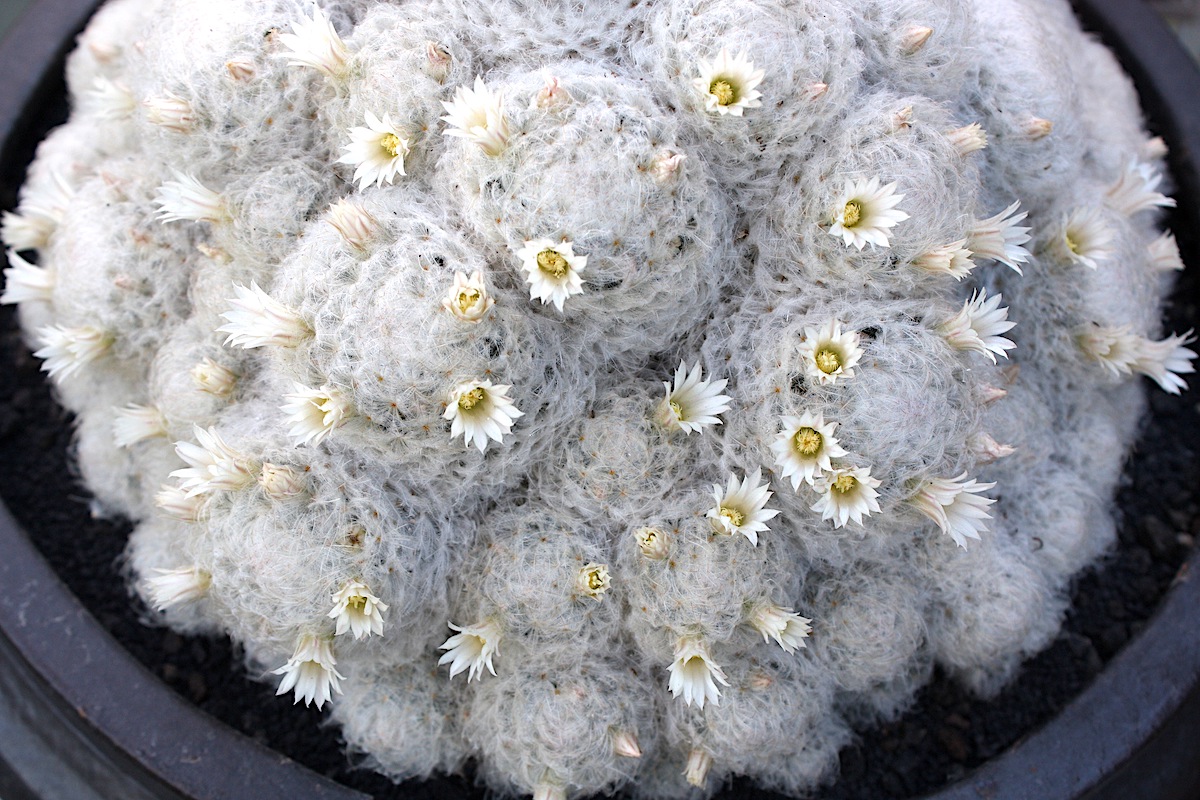
Mammillaria plumosa

Mammillaria plumosa

Plumosus (Latin) = feathery

Have a succulent name you enjoy? Or that mystifies you? Do share it in the comments below!

Books for plant geeks and Latin lovers

More info on this site

Types of Succulents from Aeonium to Zebra Plant, Photos & IDs

Debra’s Dozen Easy-Grow Succulent Plants for Beginners
Trying to make sense out of succulents? There are numerous varieties, but these are the most common succulents and those you’ll likely run across. Enjoy growing and discovering these fascinating “plants that drink responsibly!”

The post How I Understand and Remember Succulent Names appeared first on Debra Lee Baldwin. Copyright © Debra Lee Baldwin.


from Debra Lee Baldwin https://ift.tt/aM17q2m
via IFTTT