viernes, 23 de febrero de 2018

Spring in the Succulent Garden Amazing tips

Spring is the season of flowers, so get outside and enjoy them. Soon enough, in summer, those hot colors will fade and your garden will go back to being mainly about shapes and textures—which of course succulents do best. What many people  don’t realize is that flowers are ephemeral—they flash and fade, and then you’re left with foliage. (I say that sentence often in my talks. Try it. The alliteration rolls lusciously off the tongue.)
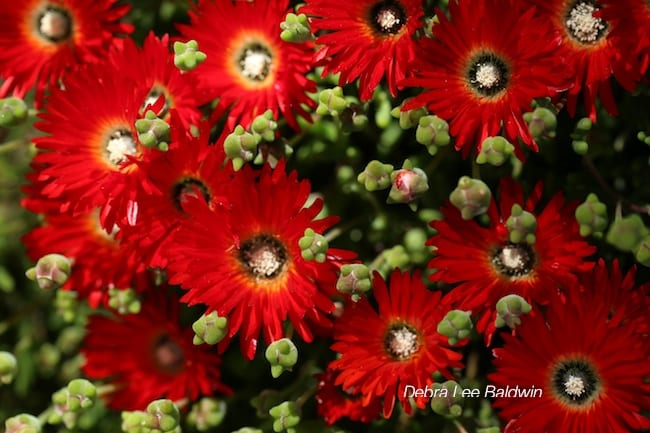
A spring garden’s most vivid blooms often are those of succulent ice plants. Aloes, bulbine and numerous arid-climate companions are bright and beautiful from March through mid-May. Increasing temps tend to put the kibosh on delicate spring flowers. If you live near the coast of CA, you’ll enjoy a longer spring, but you may not get the sun and heat that makes many flowers blaze.
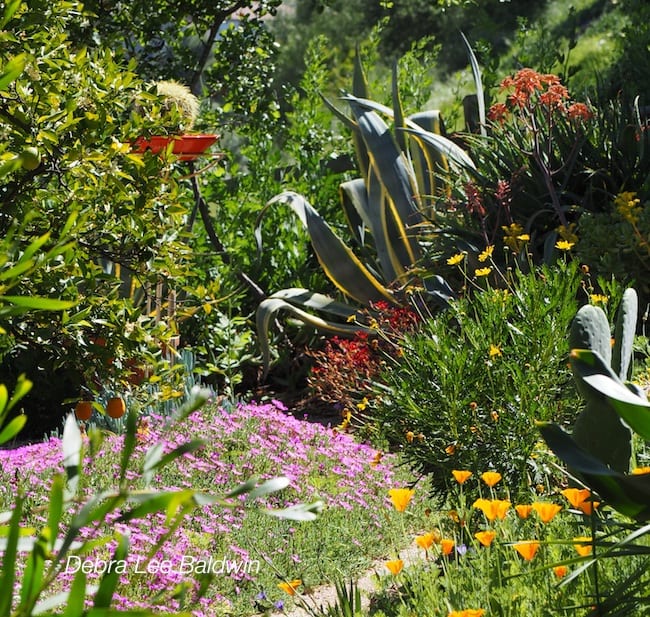
Above: A normally uninteresting corner of my garden is stunning in spring because of all the flowers. Red ones at center are Sparaxis tricolor, a bulb from South Africa. Easy-grow shrub daisies (Euryops pectinatus) echo the yellow margins of Agave americana ‘Marginata’—which though nearly engulfed, still makes a bold statement.

California poppies pop in spring. These bright orange annuals reseed every year. Behind them is Drosanthemum floribundum (rosea ice plant). Adding contrasting form is spineless opuntia. Almost incidentally, fruit on citrus trees repeat the poppies, and elevate their color to eye level.
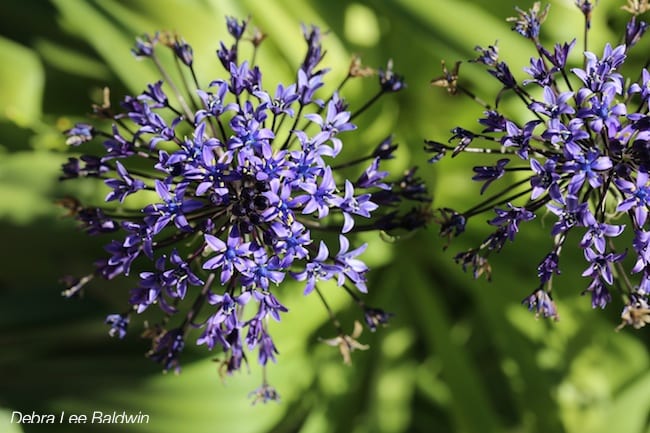
Scilla peruviana, returns every March. It produces large, purple-blue snowflake flowers and then disappears for nine months. It was planted by the previous owner and I don’t do a thing to keep it going. But like all bulbs, it leaves behind droopy, messy foliage which you need to allow because it’s nourishing the bulb for the next g0-round.

Related articles:

Succulent garden design essentials

How to grow succulents

Debra’s own garden 

My succulent meditation garden

YouTube video: Debra Lee Baldwin’s Succulent Garden in Spring.

Flowering Plants in My Spring Garden: Inland Southern CA, Zone 9b

Spring (peak): mid-March to early April

Annual: California poppies

Bulbs:

Babiana stricta (baboon flower)

Scilla peruviana

         Sparaxis tricolor

Succulents:

Aeonium arboreum

         Aloe maculata

         Bulbine frutescens ‘Hallmark’

Gasteria sp.

Ice Plants:

Delosperma congestum ‘Gold Nugget’

Drosanthemum floribundum

                  Drosanthemum speciosum

         Sedum ‘Firestorm’

Perennial shrubs:

Euryops pectinatus

Gazanias (African daisies)

Pelargoniums (geraniums)

Rose, climbing: ‘Altissimo’

Wisteria


The post Spring in the Succulent Garden appeared first on Succulents and Succulent Garden Design | Debra Lee Baldwin.


from Succulents and Succulent Garden Design | Debra Lee Baldwin http://ift.tt/2BLnkvT
via IFTTT

miércoles, 21 de febrero de 2018

What You Didn’t Know About Debra Lee Baldwin Amazing tips

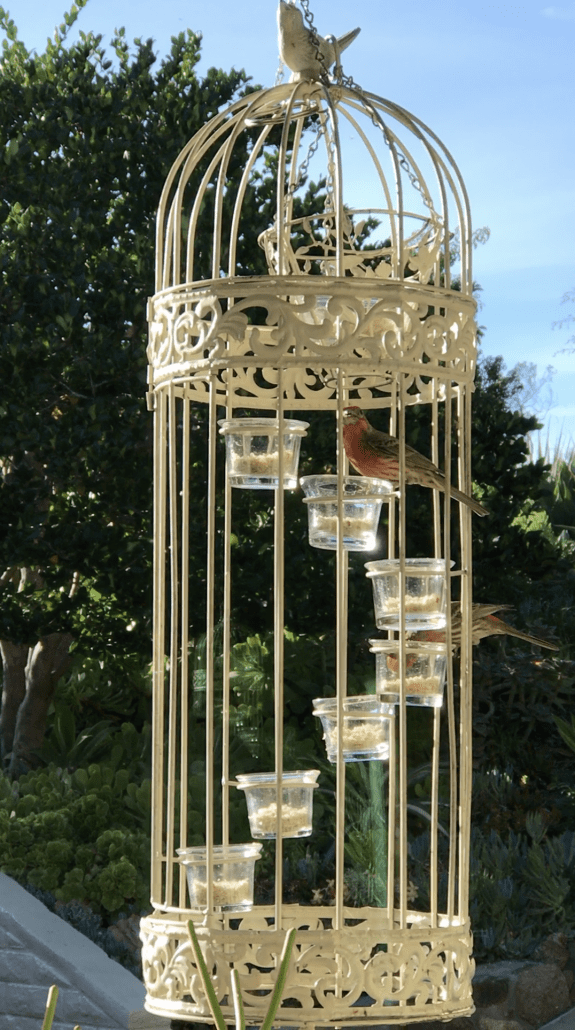
My hobby is making bird feeders out of repurposed objects. I’m highly visual and love to watch wild birds interacting with airy feeders, so I repurpose candle holders that have glass votive containers, which I fill with birdseed.
I use wire bird cages for feeders. I think it’s fascinating (and ironic) to watch wild birds squeeze into a cage. This one is outside my office window. My Instagram feed has more examples.
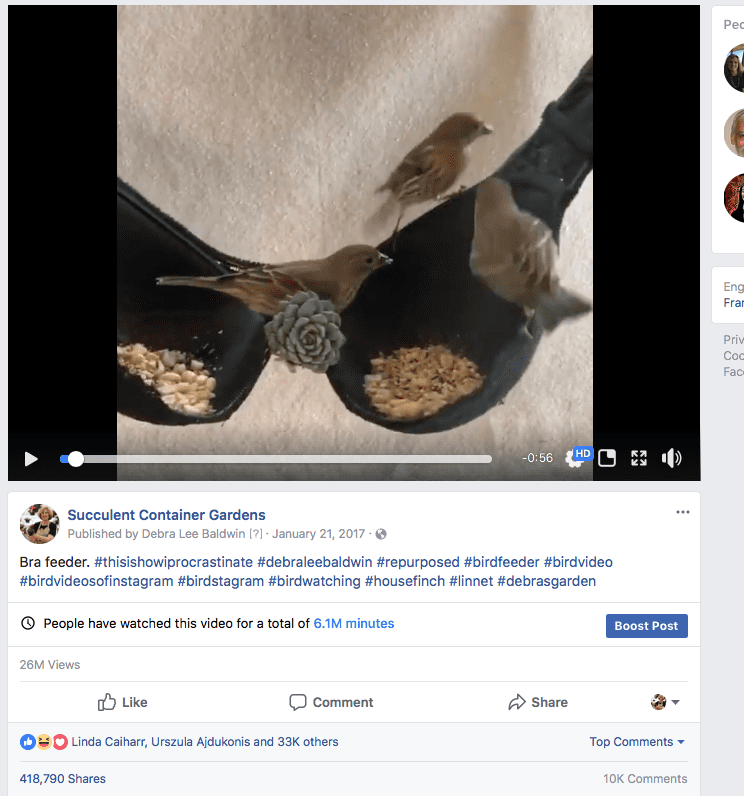
Most of the feeders tend to be elegant and pretty, but a silly one—made from a brand-new bra (not mine, it’s way too big)—went viral on Facebook a year ago and has since had 26,000,000 views. Yep. Twenty-six. MILLION.
It’s a perfect example of how combining disparate items—in this case birds and bras—makes a third concept that transcends both. And because it’s amusing, never-seen-before and a bit naughty, people share it to a fare-thee-well. If only I might have made a penny per view!
Something else about me: I have clever ideas that don’t make me rich. But that’s another story, and one that’s not as cynical as it sounds. As game and reality show losers invariably say, “Hey, I had fun!”

The post What You Didn’t Know About Debra Lee Baldwin appeared first on Succulents and Succulent Garden Design | Debra Lee Baldwin.


from Succulents and Succulent Garden Design | Debra Lee Baldwin http://ift.tt/2FfHmhL
via IFTTT

lunes, 19 de febrero de 2018

Designing with Cold-Hardy Succulents Amazing tips

From my YouTube video: Sedum Chicks at the Northwest Flower & Garden Show

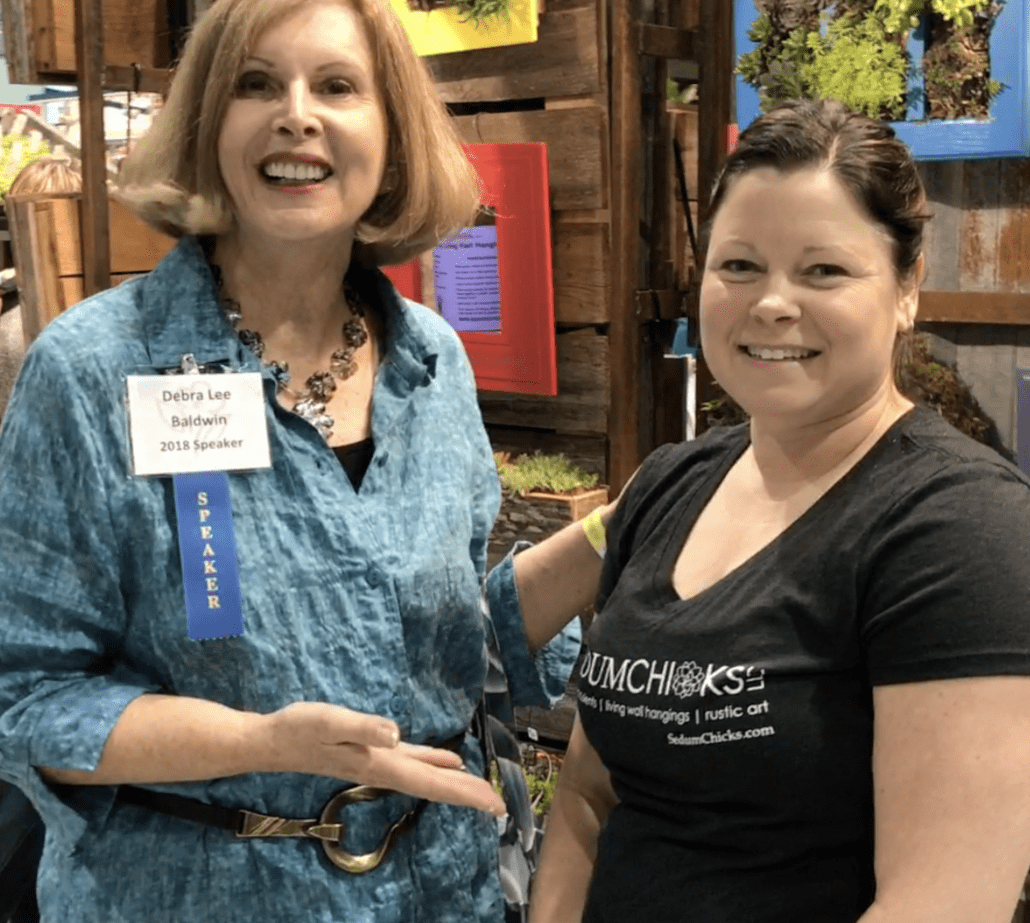
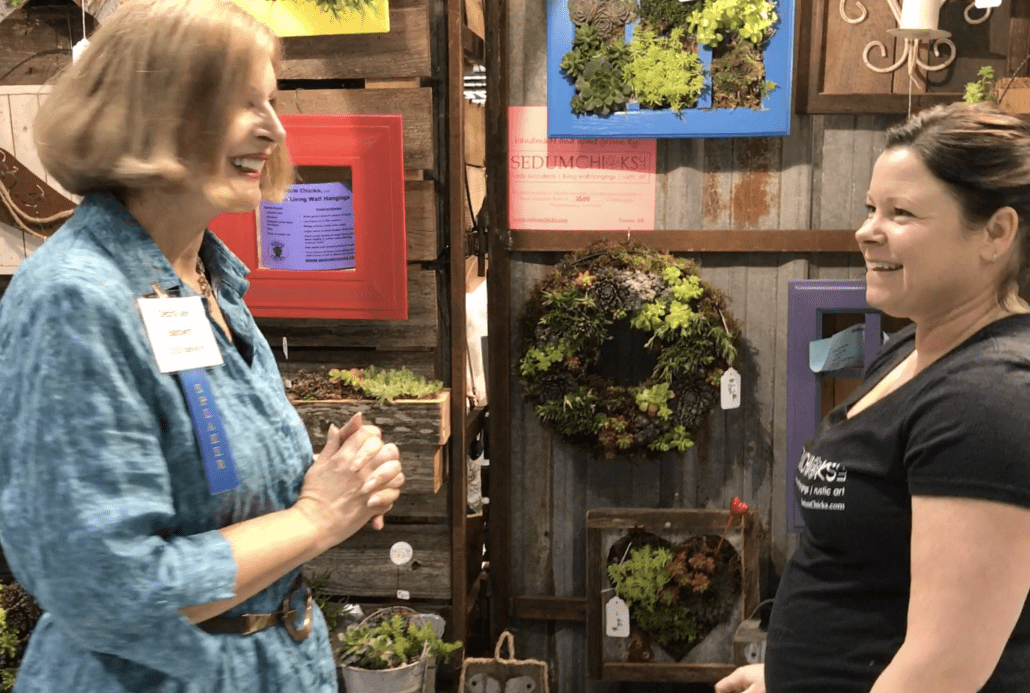
Becky Sell of Sedum Chicks plants cold-hardy succulents in repurposed wood-and-metal containers, hypertufa pots, wreaths and more. She grows the plants, too, in Turner, Oregon, near the Washington border.

Becky’s compositions can overwinter outdoors in northerly climates (Zones 4 to 8), providing the potting medium drains well. Cold-hardy succulents such as stonecrops and hens-and-chicks will also grow in Zones 8 and 9 if protected from heat in excess of 85 degrees and scorching sun. Some varieties, notably shrub sedums, die to the ground in any locale and come back the following spring.

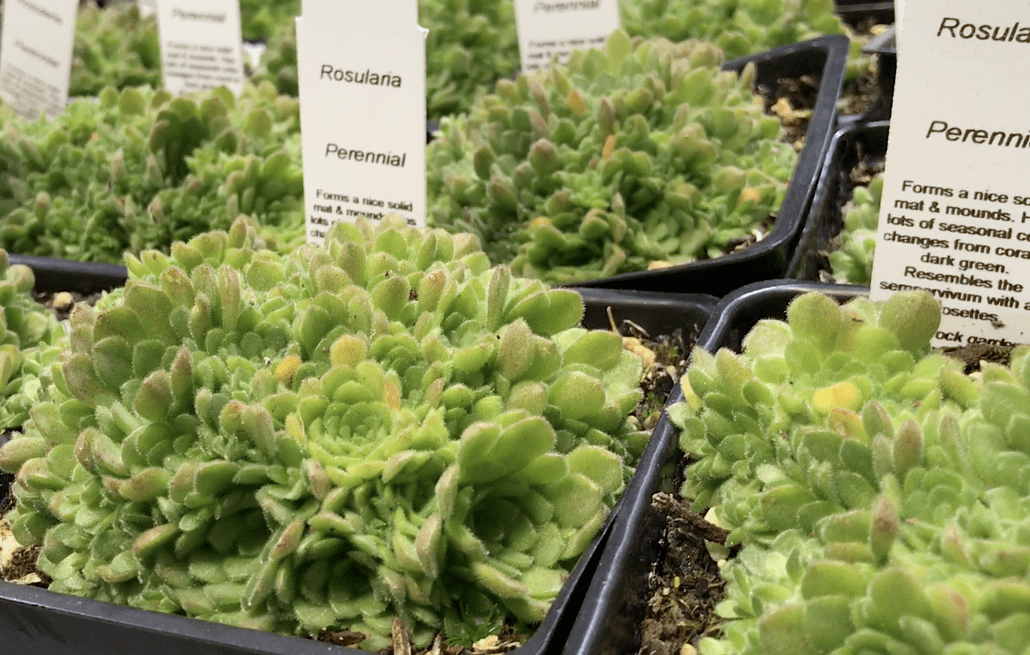
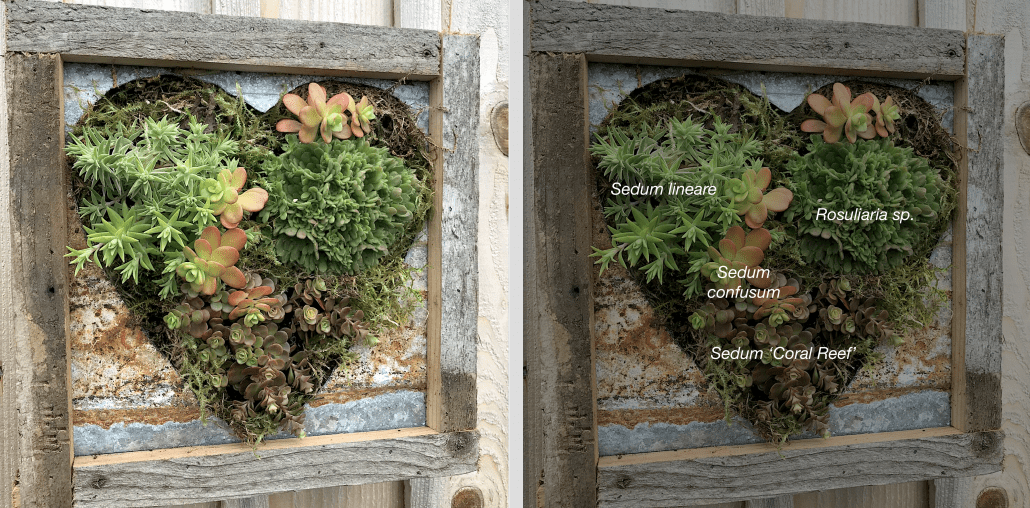
In her designs, Becky often combines sedums (stonecrops), sempervivums (hens-and-chicks), and Delosperma ice plants. Of a little-known Rosularia species with soft, light green leaves, she says, “When people ask which plant is my favorite, this is definitely on the list.”

There are about 35 species in the genus Rosularia. The sempervivum-like succulents come from Europe, the Himalayas, and northern Africa.

Find more photos of succulents for Northern climates—including many of Becky’s favorites—on my website’s new Cold-Hardy Succulents page. I photographed the designs shown here during the Northwest Flower & Garden Show at the Sedum Chicks booth, which won an award for outstanding visual appeal.

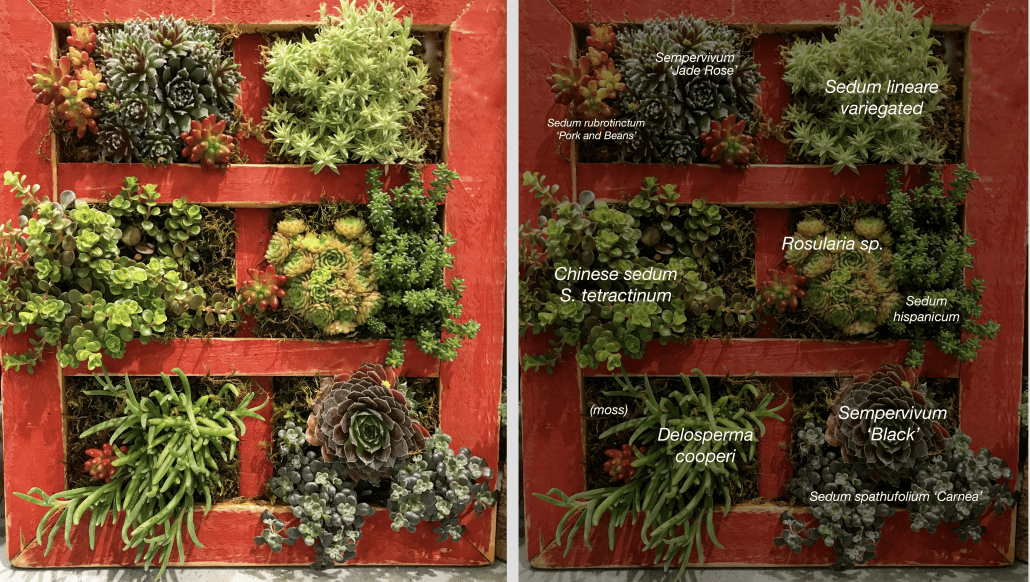
Below: This bright red vertical container was a hit. At right, I darkened the photo to make plant IDs, in white letters, stand out.

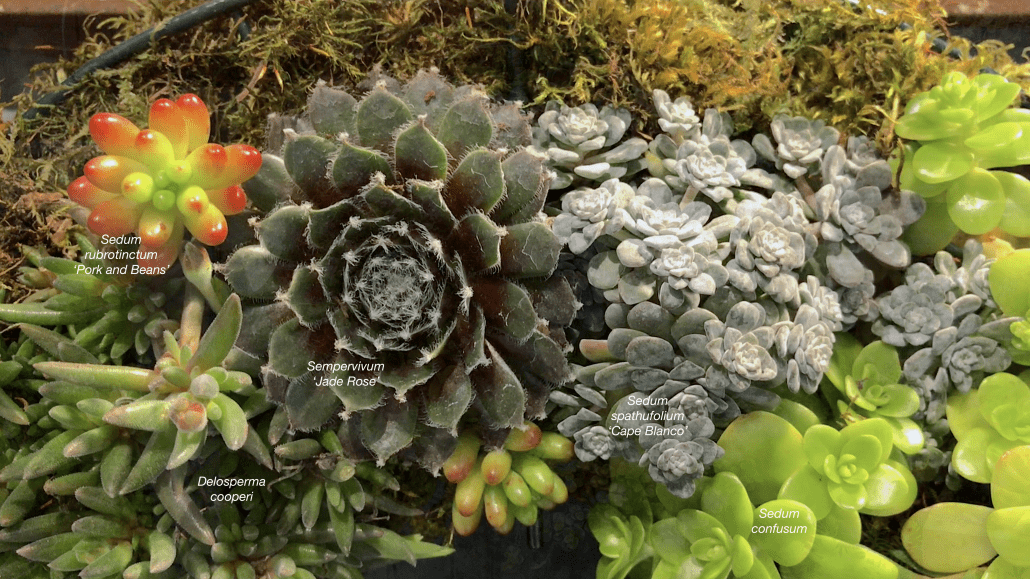
Below: Sempervivum ‘Jade Rose’ repeats the teal blue of a Sedum spathulifolium cultivar.

Below: In a cold-hardy wreath, Becky surrounded a large sempervivum rosette with smaller sedums, Delosperma cooperi (at lower left), and Sedum confusum (lower right).

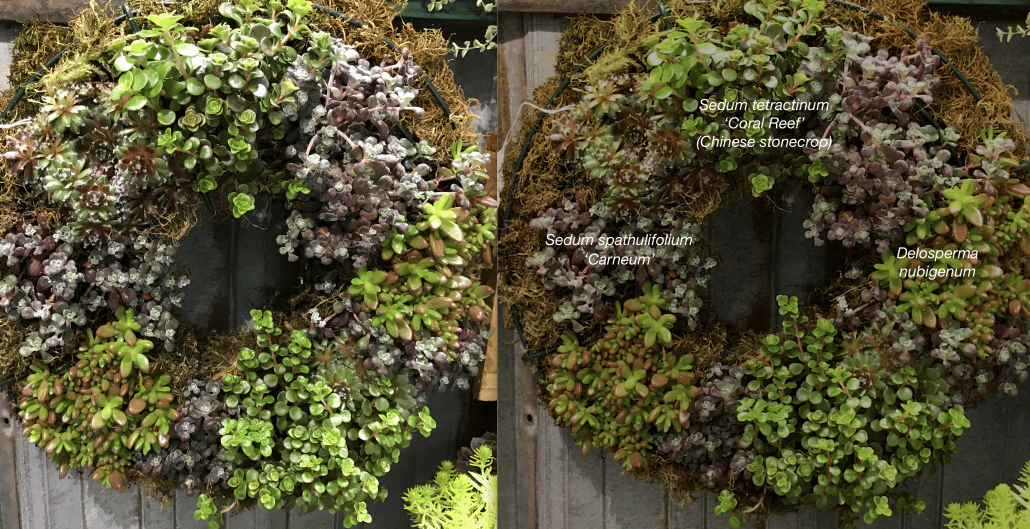
Below: I’ve ID’d the three sedums in this wreath at right. Becky gives her plants “hair cuts” to keep them compact.

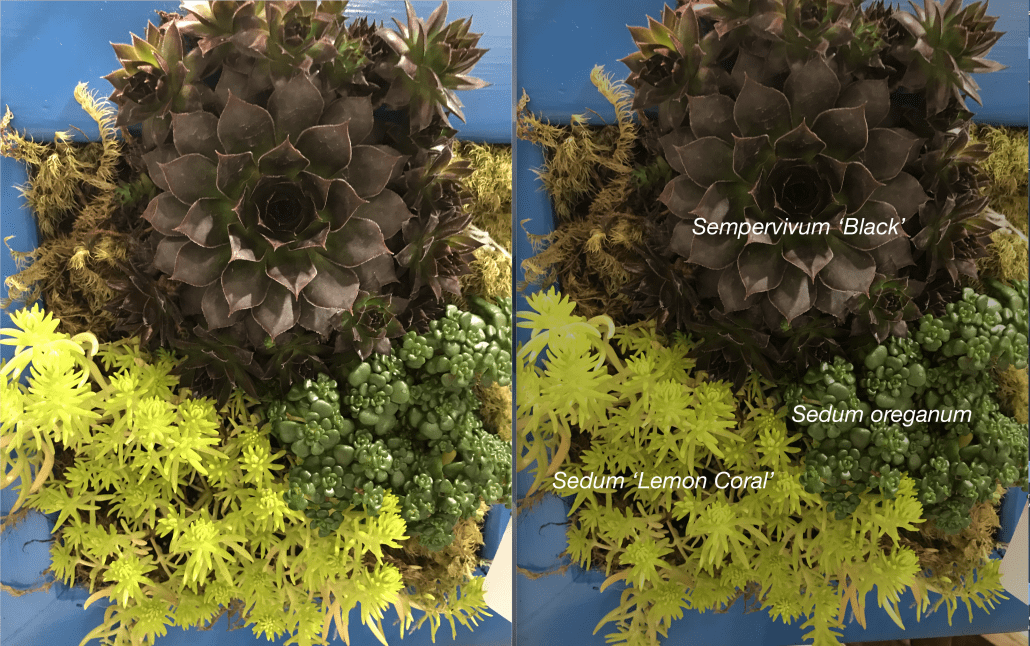
“I like its dark edges,” Becky says of Sempervivum ‘Black’, shown below in dramatic contrast with chartreuse Sedum ‘Lemon Coral’. At lower right is a succulent native to Oregon: Sedum oreganum.

Becky and husband Paul create planters from repurposed wood and metal. The bronzy succulents below are Sedum confusum, which blushes red-orange in a sunny location. When less confused, it’s bright apple green.

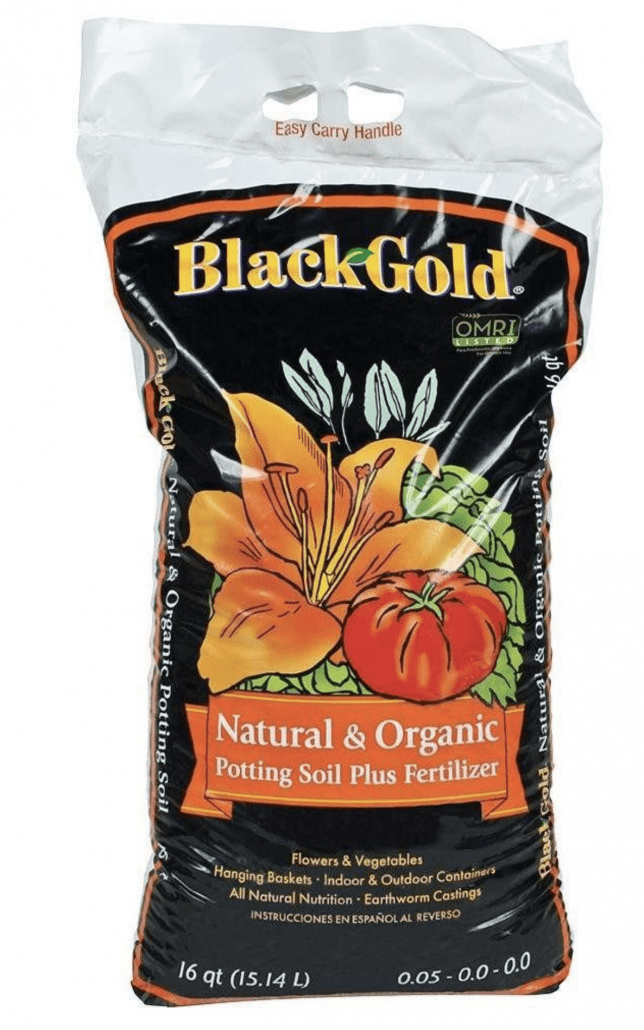
For wreaths and vertical gardens, Becky uses sphagnum moss to help hold plants in place. She emphasizes the importance of good drainage, which is true for all succulents, but especially those in rainy climates. Succulents from cold climates tend to have thin or small leaves and tend to prefer a richer potting soil than thicker-leaved varieties from desert regions. She recommends Black Gold’s organic mix.

In my YouTube video, Sedum Chicks at the Northwest Flower & Garden Show, Becky explains how to select, cultivate and beautifully combine cold-hardy succulents.


Learn more about succulents for northerly climates:

On my website:

— Find tips on care and cultivation, plus resources at How to Grow Succulents in Northerly Climates

— See labeled varieties of popular, readily available varieties on my Cold Hardy Succulents page. 

On my YouTube channel:

— Growing Succulents in Northerly Climates: Part One of my presentation at the Northwest Flower & Garden Show. See gorgeous new Sempervivum cultivars and inspiring, eye-catching design ideas.

— Growing Succulents in Northerly Climates, Part Two of my presentation at the Northwest Flower & Garden Show. More cool succulents for cold climates and how you can grow frost-tender succulents indoors.

— Sedum Chicks at the Northwest Flower & Garden Show. Pacific NW designer/grower Becky Sell explains how to select, care for and beautifully combine cold-hardy sedums, semps and other succulents.

In my books:

— See the Cold-Climate Succulent Gardens section of Designing with Succulents (2nd ed.).

— Find info in all my books about succulents in the genera Sedum, Sempervivum, Delosperma and more.

The post Designing with Cold-Hardy Succulents appeared first on Succulents and Succulent Garden Design | Debra Lee Baldwin.


from Succulents and Succulent Garden Design | Debra Lee Baldwin http://ift.tt/2GszrNG
via IFTTT

viernes, 16 de febrero de 2018

Tips from a Top Container Garden Designer Amazing tips

Melissa Teisl of Fresh Chic is the designer whose artistry I show most in my book, Succulent Container Gardens. 

Melissa and her mom, Susan, had a floral shop in Solana Beach, CA when I met them in ’07. Then Susan retired, and Melissa (with partner Jon Hawley) launched CW Design & Landscaping, specializing in gorgeous in-ground gardens.

But container gardens are Melissa’s first love (OK, except for Jon), so this dynamic couple—who also are in Succulents Simplified and Designing with Succulents—spun off Fresh Chic, CW’s boutique and container-garden division.

Melissa Teisl designs in Succulent Container Gardens

These photos from Succulent Container Gardens showcase Melissa’s aesthetic. She…

— Picks succulents in scale with their containers.
— Repeats plants’ colors and/or forms in her container selections.
— Uses lines and shapes of pots to lead the eye and frame the plants.
— Plants densely for a lavish look and uses topdressing to conceal the soil.
— Sets a container atop a table that becomes part of the composition.
— Expands her palette with non-succulents. A pink-striped cordyline adds drama to a tall pot; crypthanthus bromeliads create a wreath’s “bow.”
— Jazzes up gift arrangements with real bows of satin or velvet.

Learn more (from Melissa herself!) in my how-to video about hanging containers.

See Fresh Chic’s succulent designs at San Diego’s Spring Home/Garden Show, March 2-4, in the outdoor vendor area. Btw, social media really “likes” Melissa’s innovative, photogenic combos, so have your cell phone handy!

If you happen to be in Southern California, here’s a Free Pass to the Spring Home/Garden Show

Spring Home Show tickets

Come see me at the Show! I’m giving two new presentations and signing all three of my books, including the new 2nd edition of Designing with Succulents.

Fri., March 2 at noon and Sat., March 3 at 11:00, join me in the Bing Crosby exhibit hall in the presenters’ area (southwest corner). Also enjoy display gardens by top designers. The Show’s all about helping you make your home and outdoor living spaces your own private paradise.

Don’t pay admission! Come as my guest/s. You’ll still have to pay parking, but my VIP pass for two lets you waltz right in. (Print it out and bring it with you, like you would an airline boarding pass.) Hey! It’s worth $18! 

Books by Debra Lee Baldwin

The post Tips from a Top Container Garden Designer appeared first on Succulents and Succulent Garden Design | Debra Lee Baldwin.


from Succulents and Succulent Garden Design | Debra Lee Baldwin http://ift.tt/2EOjnso
via IFTTT

domingo, 28 de enero de 2018

Why Doesn’t My Succulent Bloom? Amazing tips

Succulents (most plants for that matter) need light in order to flower. Sun is essential to photosynthesis, which creates energy and fuels new growth. All plants (actually, all living things) really want to reproduce, and for plants that means being robust enough to bloom. And because most succulents come from warm, dry climates, they require a lot of light.

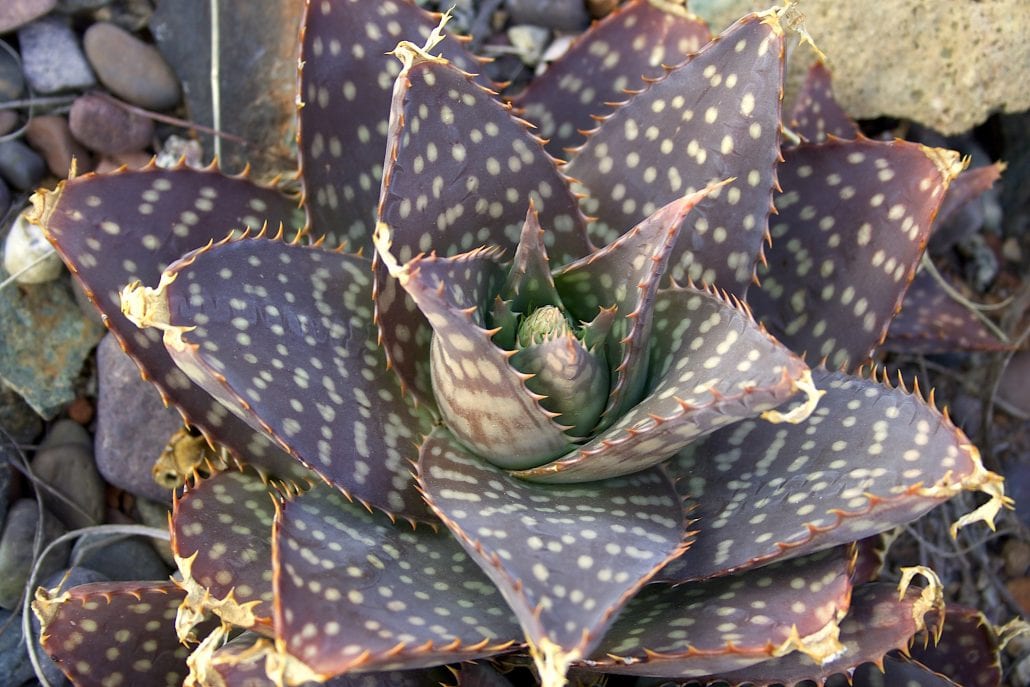
 If this aloe could talk, it would say, “I’m starved for light! I may not be able to bloom! Help!”

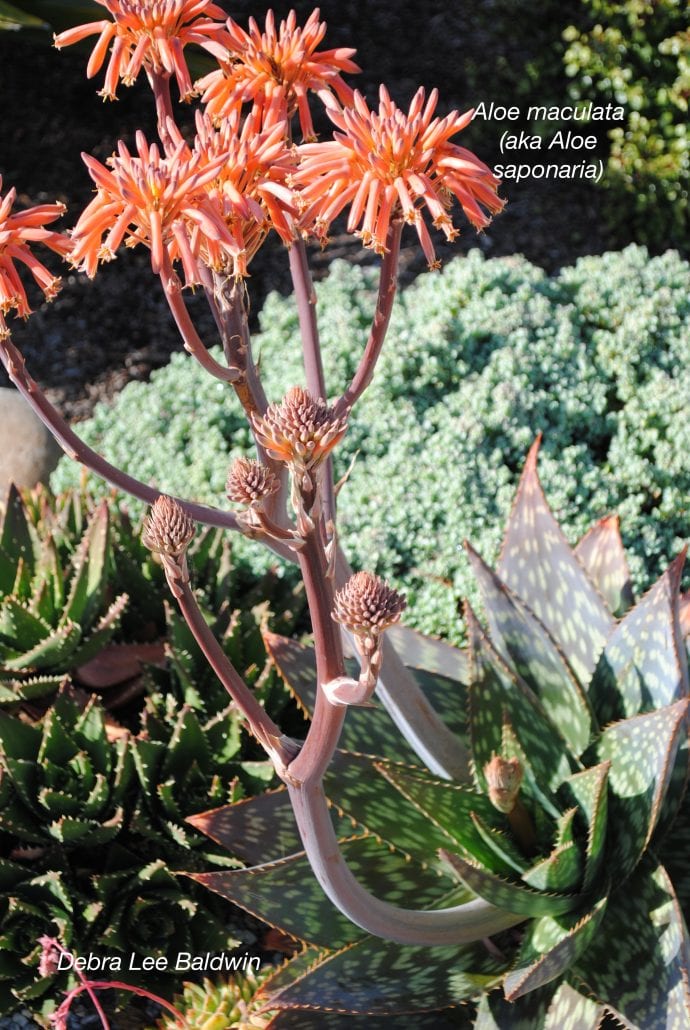
*Aloe maculata (A. saponaria)

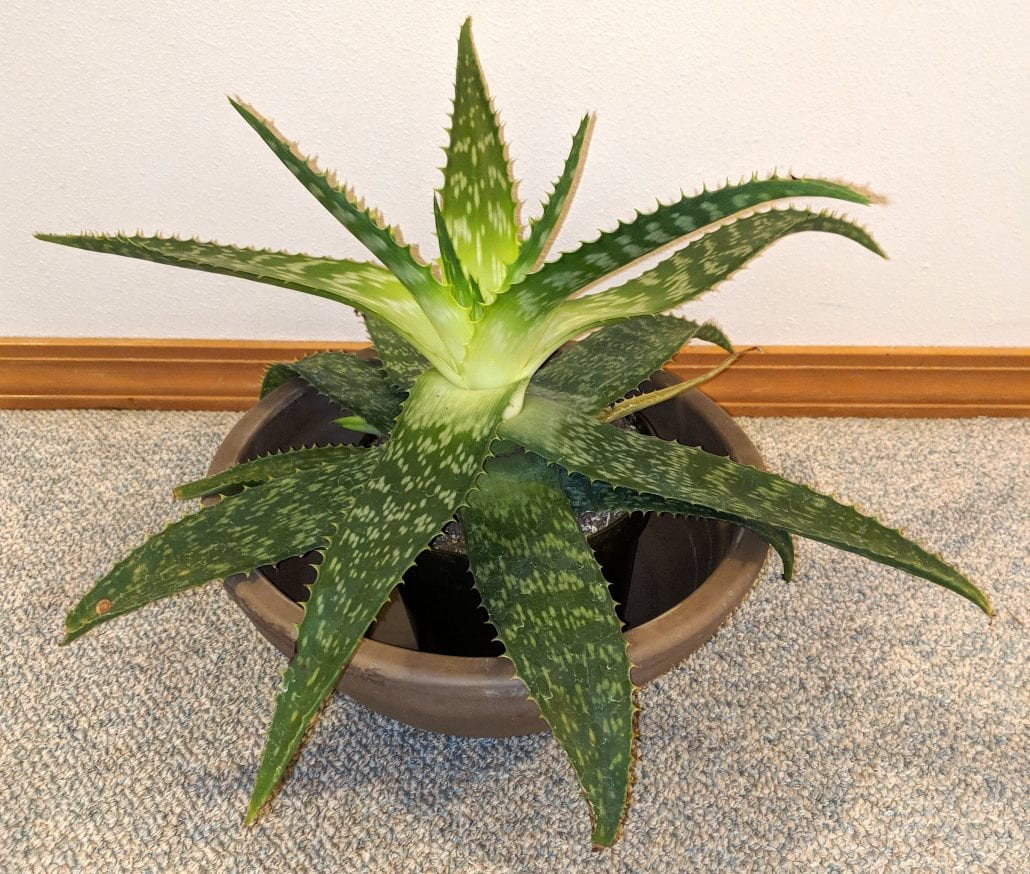
Above: This is Aloe maculata growing indoors in the Seattle area. Although it’s healthy, it has flattened and elongated its leaves in order to expose as much of its surface as possible to light. The term for this is etiolation (et-ee-oh-lay-shun).

Aloe maculata (A. saponaria) in bloom

Above: This is how Aloe maculata looks with half a day of sun and half a day of bright shade. Even in these near-ideal conditions, the rosette and flower spikes lean in the direction of greatest light. Leaf tips have protected themselves from too much sun with reddish-brown pigmentation. (It’s similar to melanin, which causes skin to tan or freckle.)
Above: In all-day sun with minimal water, a similar specimen’s leaves have shortened to reduce evaporation. (Note how those in the first photo are much longer.) Sun exposure is somewhat harsh because it has reddened even more. The horticultural term for this is “stress,” which is aesthetically desirable because it enhances color and symmetry. This plant may be a bit too stressed—leaf tips have scorched and growth has slowed—but look closely: It’s in bud.
What to do if you live in an often overcast climate or grow succulents mainly inside? From this website’s page, How to Grow Succulents in Seattle (Northern Climates):
Indoors, set them near windows that face south or west. Don’t bother with north-facing windows, but if your windows face east, do collect and enjoy low-light lovers such as haworthias and gasterias. [Read more]
 
*About Aloe maculata: Formerly known as Aloe saponaria (soap aloe) because the gel in its leaves lathers like soap, it is one of the few potentially invasive succulents, capable of sending up new plants from horizontal roots a few inches below the soil surface. Baby plants can pop up three feet or more from the mother. I have a colony of Aloe maculata in a rocky area of the garden where they can’t get into trouble, because I love the flowers, which are branching—unlike the columnar spikes of many other aloes. They don’t make good cut flowers, though, because cut stems ooze a mucilaginous gel. Aloe maculata is not often found at nurseries in Southern CA because there’s minimal demand for it—it’s a common passalong plant. A similar aloe that is better behaved, not toothed, often sold in nurseries, and more prized in cultivation is Aloe striata (coral aloe). See it and others on my website’s Aloes page.

The post Why Doesn’t My Succulent Bloom? appeared first on Succulents and Succulent Garden Design | Debra Lee Baldwin.


from Succulents and Succulent Garden Design | Debra Lee Baldwin http://ift.tt/2DGurUK
via IFTTT

viernes, 26 de enero de 2018

How to Grow a Succulent from Seeds Great Tips

Succulent seeds are tiny! Find out how to grow succulents from these tiny seeds so you can expand your collection! It's the cheapest way to get lots of plants, though it does take some patience. While growing succulents from seed isn't dramatically different from other plants, there are a few things that will ensure you [...]

The post How to Grow a Succulent from Seeds appeared first on Succulents and Sunshine. Written by Cassidy Tuttle.


from Succulents and Sunshine http://ift.tt/2ncgMOU
via IFTTT

miércoles, 24 de enero de 2018

How to Keep Succulents Happy Indoors Amazing tips

If you need (or prefer) to grow succulents indoors, outfit a basement, sun room, spare room or alcove with tables and shelves that can withstand moisture, plus lights and a fan that run on timers. Fortunately succulents need very little water. Dribble a little at the base of each plant every three weeks or so, enough to hydrate the roots but not so much it puddles on the floor.

Place your succulents near a window. In North America, maximum sun exposure is on the south and west sides of your house. East will provide bright light, but not enough for crassulas, echeverias and aloes to maintain their red hues. An east window is best for low-light lovers such as haworthias and gasterias.

OR…

Install grow lights. Experts in growing succulents in gray-sky climates recommend T-5 grow lights.

Agrobrite FLT44 T5 Fluorescent Grow Light System, 4 Feet, 4 Tubes, about $120 on Amazon.

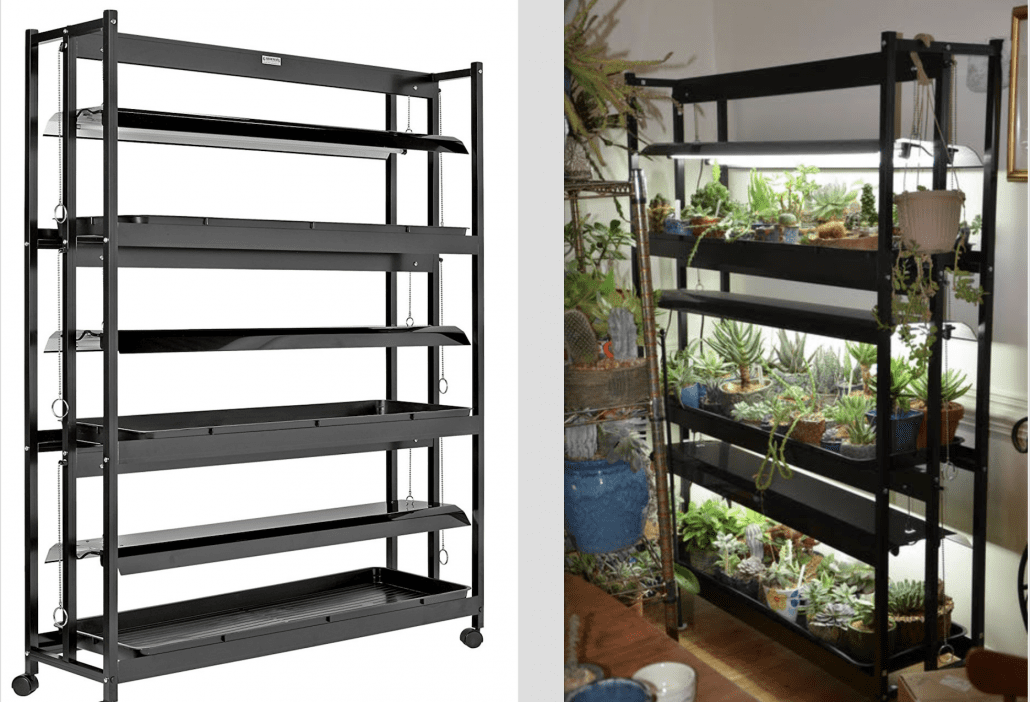
Create a “light island.” Shown below is arguably the ultimate indoor plant-shelf unit. Made of lightweight, powder-coated aluminum, it has adjustable lights with energy-efficient, full-spectrum bulbs; plastic drip trays; and wheels for easy positioning. Three shelves provide 18 square feet of growing space. From Gardener’s Supply Co.; about $600. 

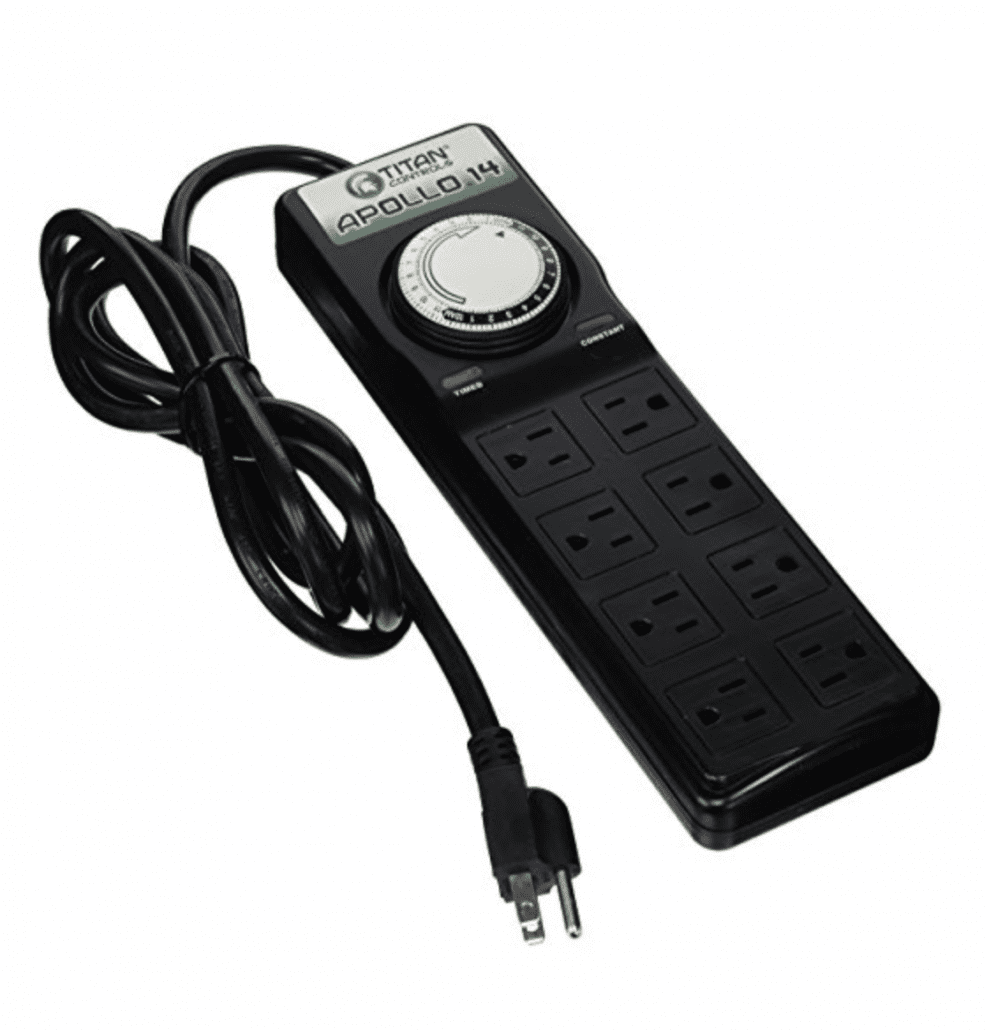
Get a timer which automatically turns the lights on at, say, 7 a.m. and off eight hours later. I like this one, below, because it has multiple outlets:  Titan Apollo 14, about $26. 

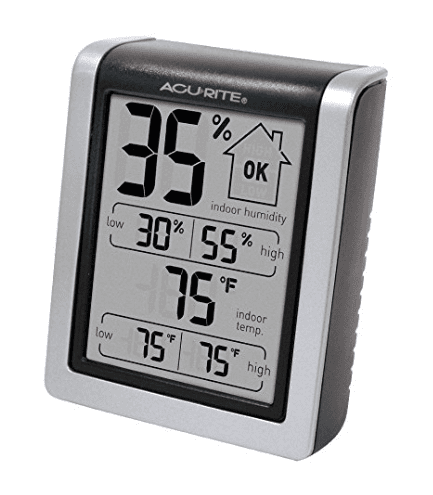
Watch the temperature. If it falls below freezing (32 degrees F) many succulents may show long-term damage (or die). This indoor thermometer is digital and also has a humidity gauge. But what I love about it is that it keeps daily high and low temps for 24 hours!

AcuRite 00613 Humidity Monitor with Indoor Thermometer, Digital Hygrometer and Humidity Gauge Indicator, about $10 on Amazon.

The post How to Keep Succulents Happy Indoors appeared first on Succulents and Succulent Garden Design | Debra Lee Baldwin.


from Succulents and Succulent Garden Design | Debra Lee Baldwin http://ift.tt/2BqKBPY
via IFTTT