jueves, 7 de mayo de 2020

Make Succulent Teacup Gardens Amazing tips

Succulent teacup gardens are lovely on windowsills, sunny shelves and outdoor tables, either individually or grouped. They're quick and easy to make and are ideal gifts for succulent lovers. When cuttings outgrow the cups, transplant them into larger pots or the garden. No need to add drain holes; simply water minimally. As you'll see, I've had a teacup arrangement thrive for 18 months!
Debra's Succulent Teacup video

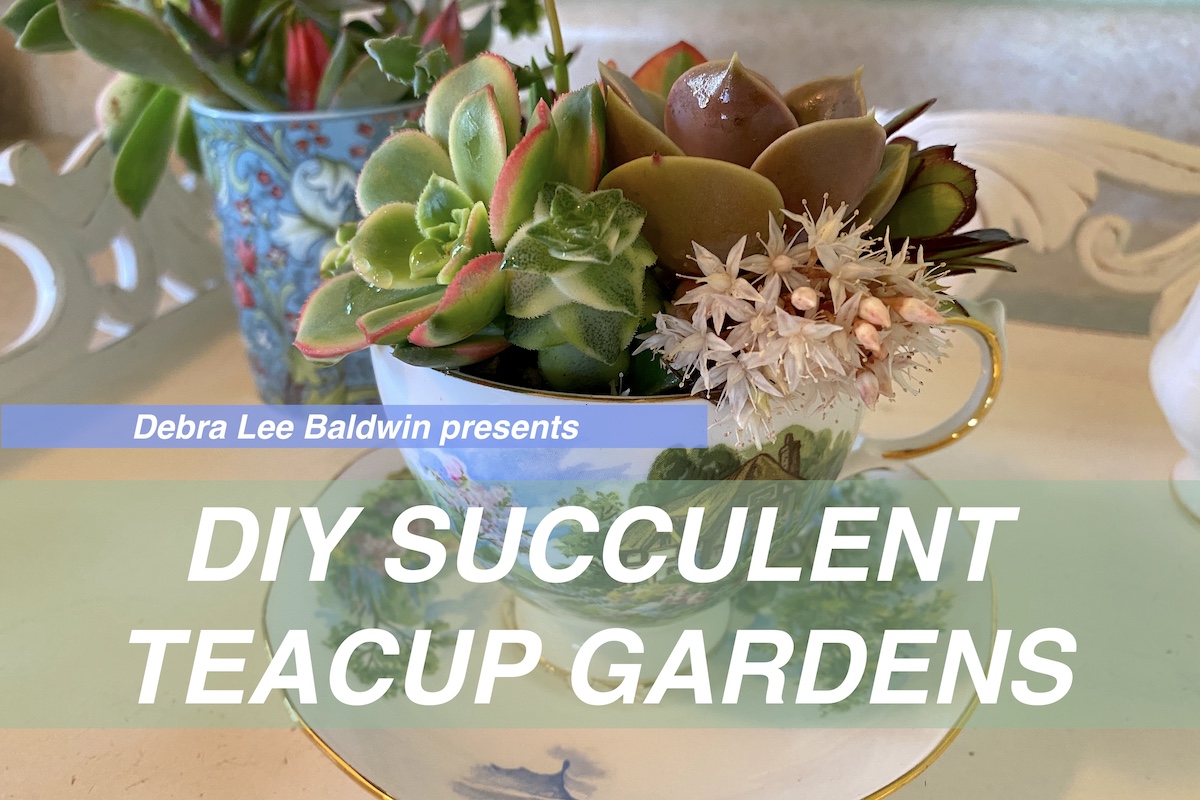
Watch Debra's new DIY Succulent Teacup Gardens video (6:38)

In my new video, DIY Succulent Teacup Gardens (6:32), I use an assortment of cups to showcase colorful cuttings. Teacups---which often come in sets of china---tend to be unused and take up cupboard space. Give them new life as mini-planters. To make these cutting combos look high style, use dainty, thumbnail-sized rosettes. The more color the better, especially if it matches colors in the cup. If you also echo a pattern---like daisies or roses---your mini-garden will look amazing.
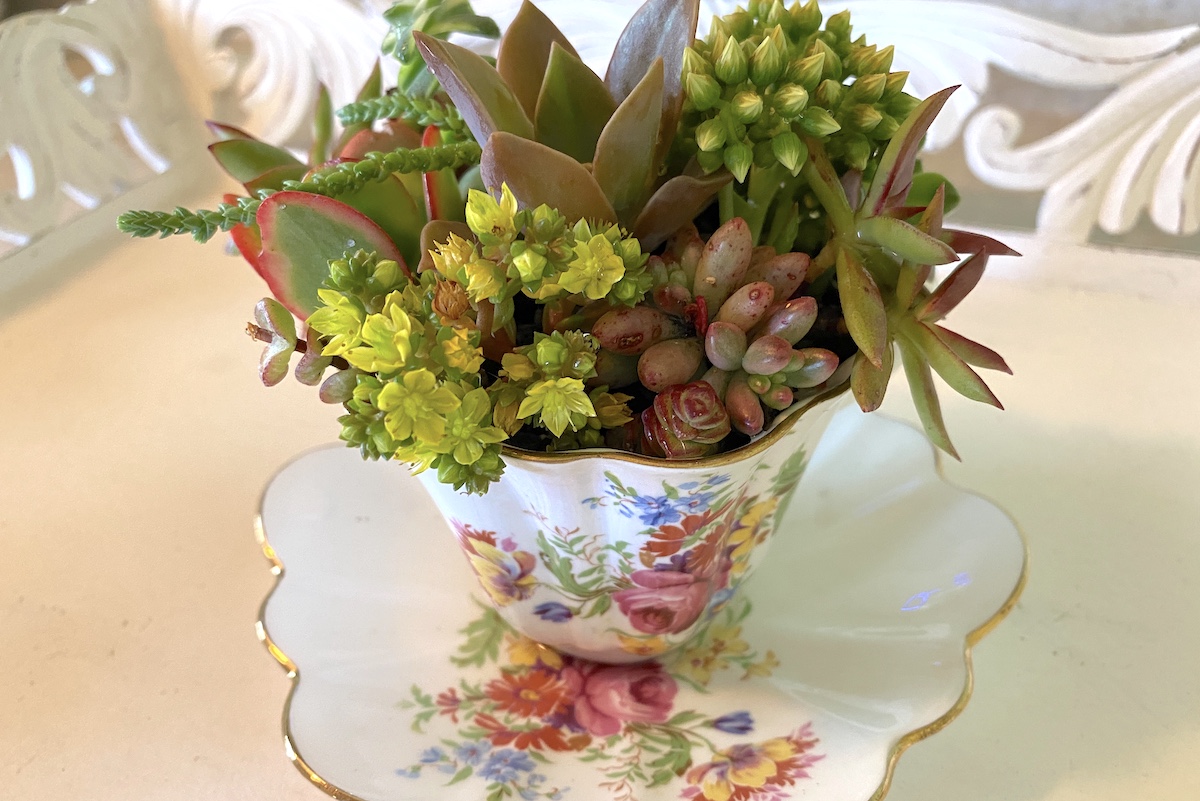
Teacup succulent garden

If a teacup has flowers in the design, add a few flowers to the arrangement.

How to Make a Succulent Teacup Garden, DIY

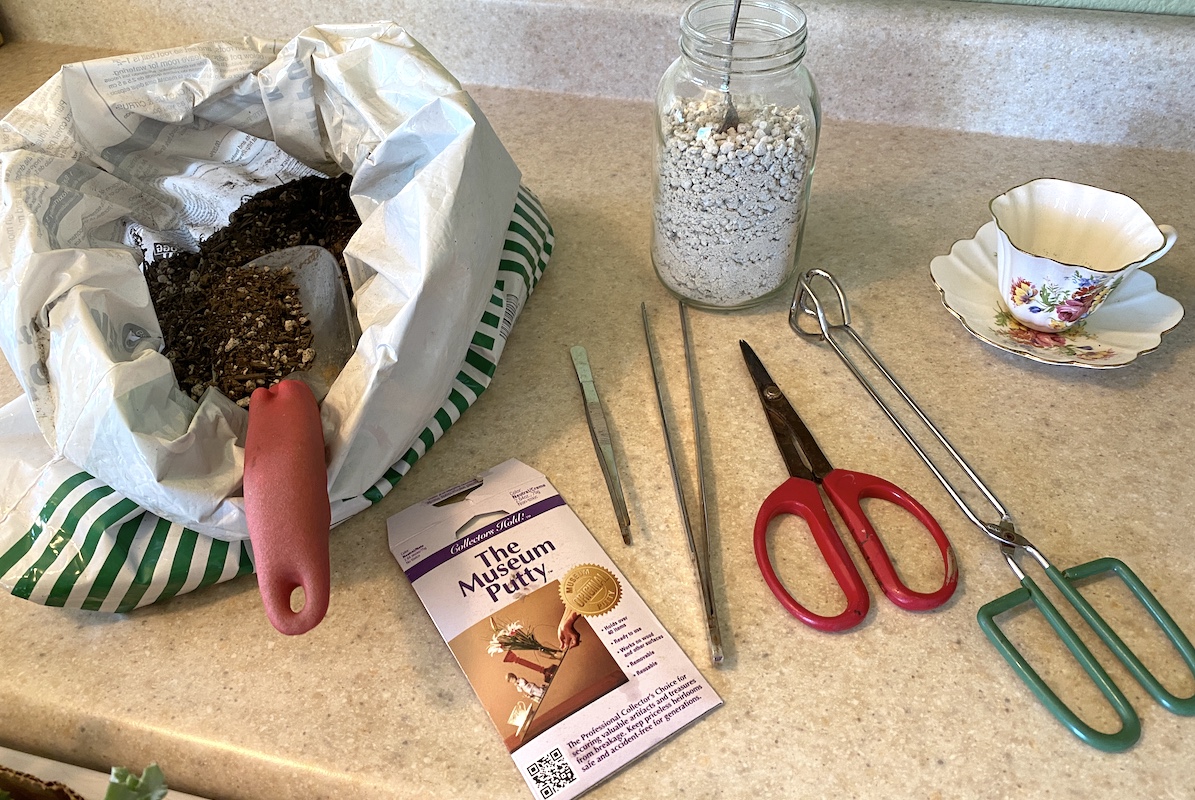
Materials for one teacup

Click links for sources. Some are affiliate.

Tools and materials for succulent teacup gardens

Tools and materials for succulent teacup gardens

Method

  1. Assemble your cuttings. Trim lower leaves so each has about an inch of stem to insert into soil.
  2. Attach cup to saucer to secure it, so it won't slide, using museum putty or floral clay.
  3. Fill cup halfway with pumice and the rest with "cactus mix" potting soil...or just fill to the brim with cactus mix.
  4. Arrange cuttings, starting with the largest. Position it just off-center.
  5. Add assorted smaller cuttings until no soil shows.
  6. Optional: Add a dainty spray of succulent flowers.
  7. Brush spilled soil from the saucer.
  8. Dribble water onto the arrangement to clean and settle it.

Care

Once a week or so, depending on the weather, give the mini-garden about an ounce of water. Think of it as adding cream to your coffee. Soil dries out quickly in a small container, so there's little danger of roots rotting, especially if you've added pumice to absorb excess moisture. Aim to keep soil barely moist. An hour or two of sun daily keeps plants compact and colorful. Protect from frost. Don't let any nondraining container stay soggy due to rain or automatic irrigation.
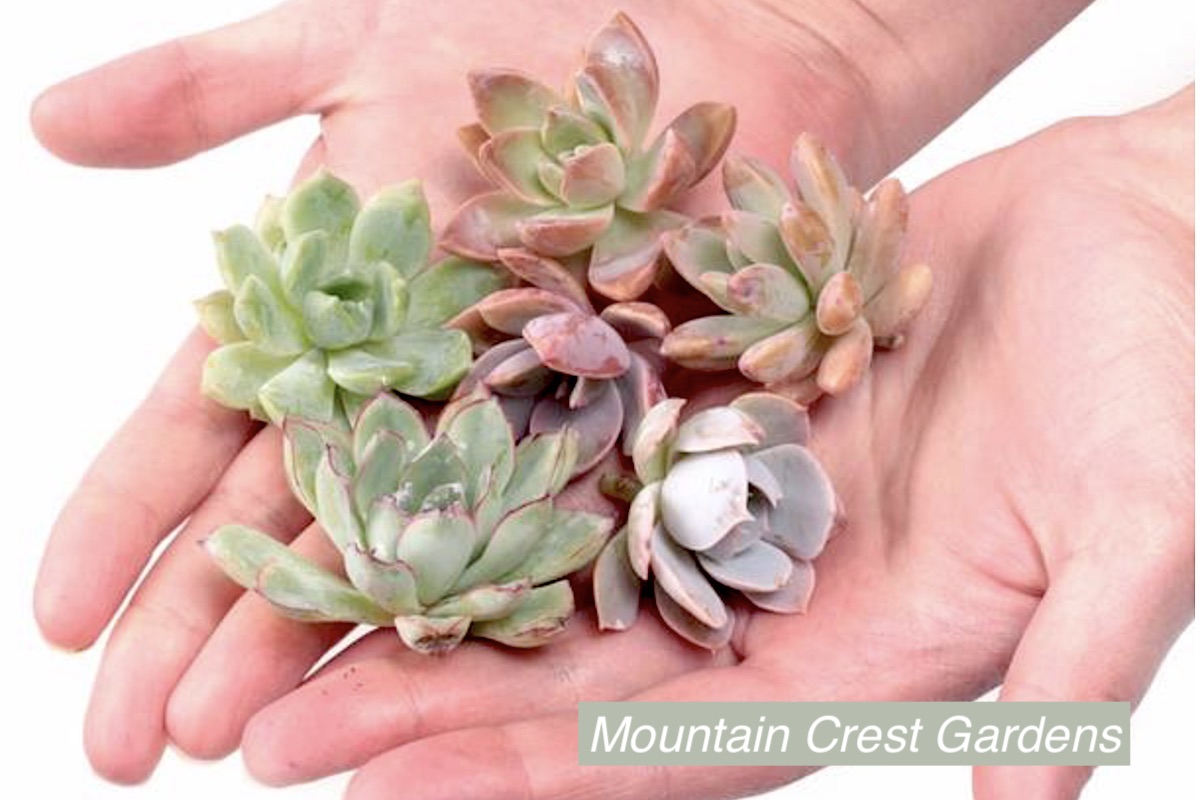
Cuttings from Mountain Crest Gardens

Cuttings from Mountain Crest Gardens

Cuttings will likely root in a few weeks. As succulents grow, they can remain in the arrangement, or be transferred into a larger pot or the garden. Succulent flowers last about a week without water. Unlike cuttings, flowers won't root and will need replacing.

Succulents I used

For my video's three teacups, I used a cheerful assortment of cuttings from my garden, including Echeveria 'Perle von Nurnberg', Crassula 'Hummel's Sunset', Crassula tetragona, Crassula 'Baby's Necklace', Crassula platyphylla (regular and variegated), Crassula perforata 'Variegata', a spray of white flowers from Crassula multicava, Cremnosedum 'Crocodile', tiny aeonium rosettes (notably Aeonium 'Kiwi'), yellow and white sedum flowers, pale yellow aeonium flowers, Senecio serpens, Sedum rubrotinctum, Lampranthus deltoides, Portulacaria afra 'Variegata', and Kalanchoe daigremontiana. But it really doesn't matter.
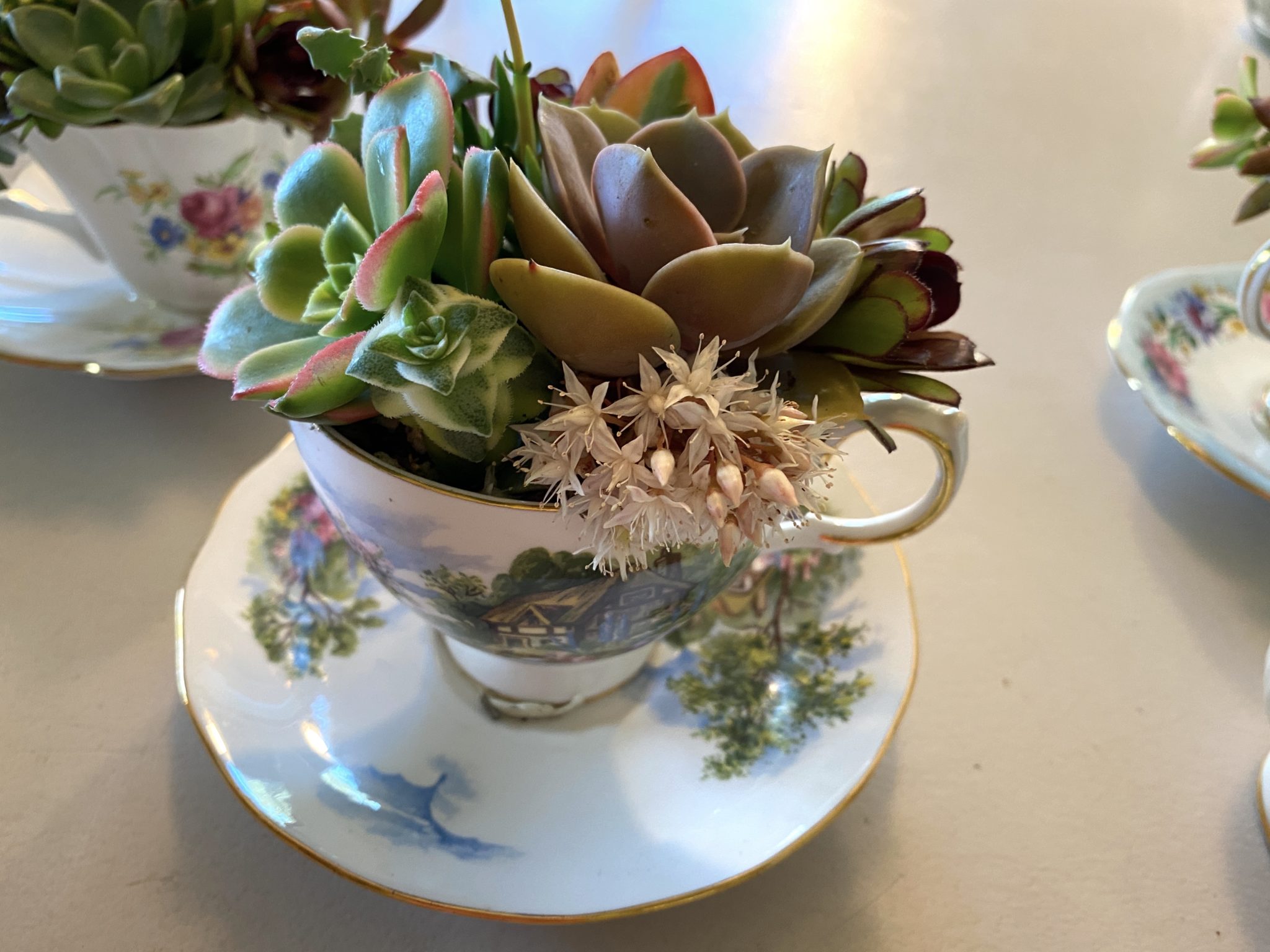
Succulent Teacup garden

Sedum flowers enhance a succulent teacup garden that includes Echeveria 'Perle von Nurnberg', Aeonium 'Kiwi' and Crassula perforata 'Variegata'

See the video

In my new DIY Succulent Teacup Gardens video, you'll watch me assemble five different mini arrangements.
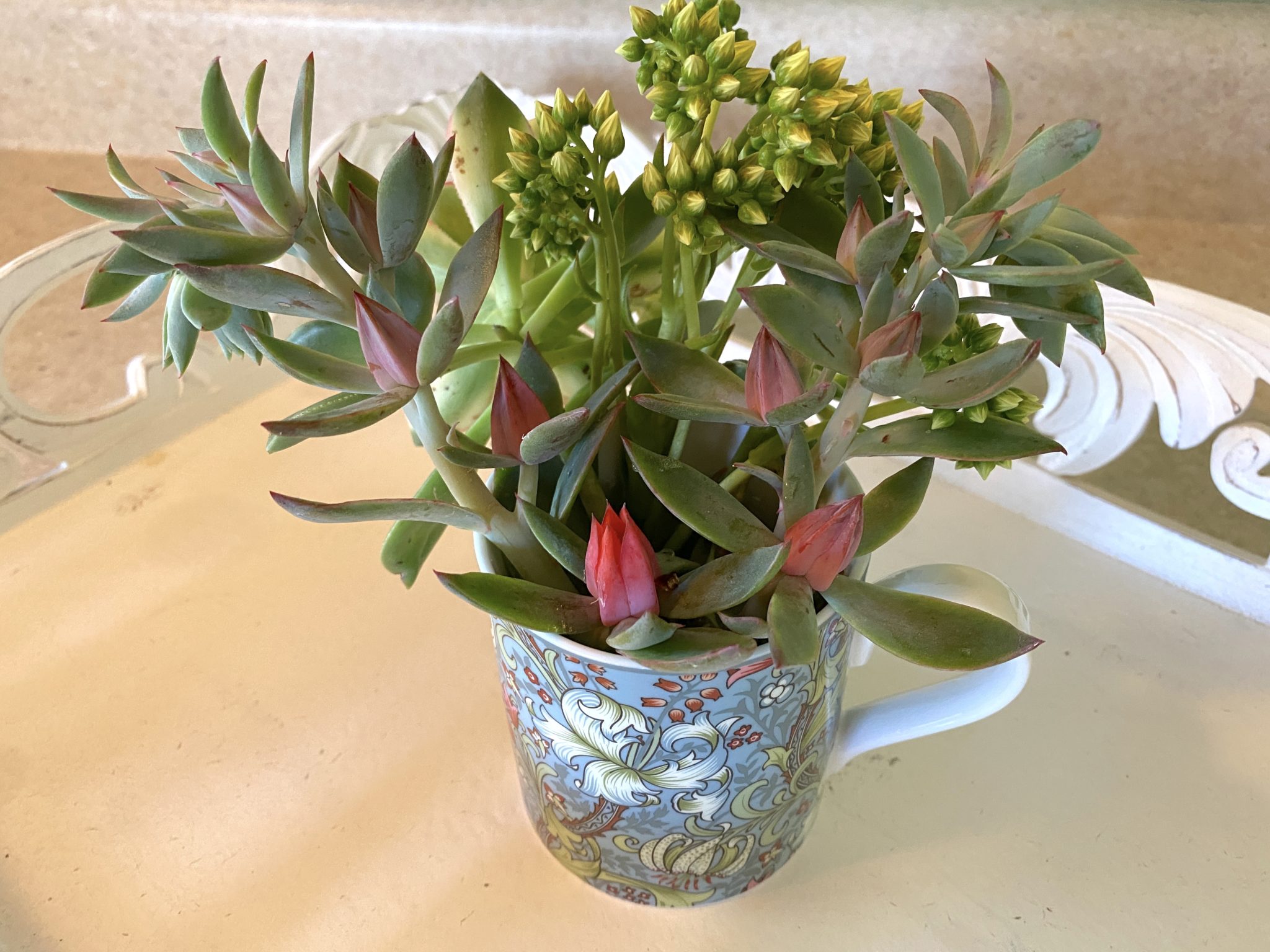
Succulents in water

Succulents in mug used as a vase (it's filled with water) create a simple bouquet. Note how the pink echeveria buds echo those in the mug's pattern.

Additionally, I used two mugs---one as a vase filled with water for a bouquet, and the other as a pot for a mammillaria cactus.
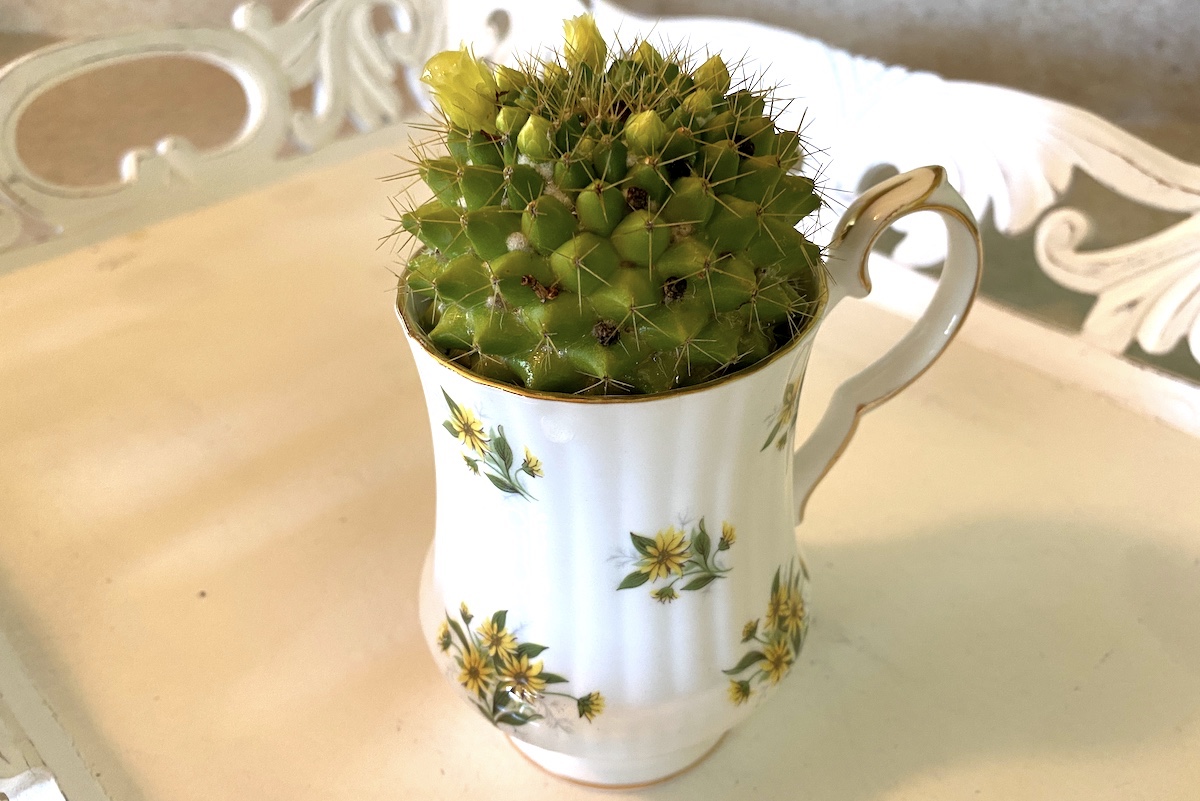
Mammillaria in mug

The mam's yellow flowers and bright green color are a perfect match for this mug.Yes, you can plant cacti in nondraining containers. Case in point is this precedent-setting one, below.
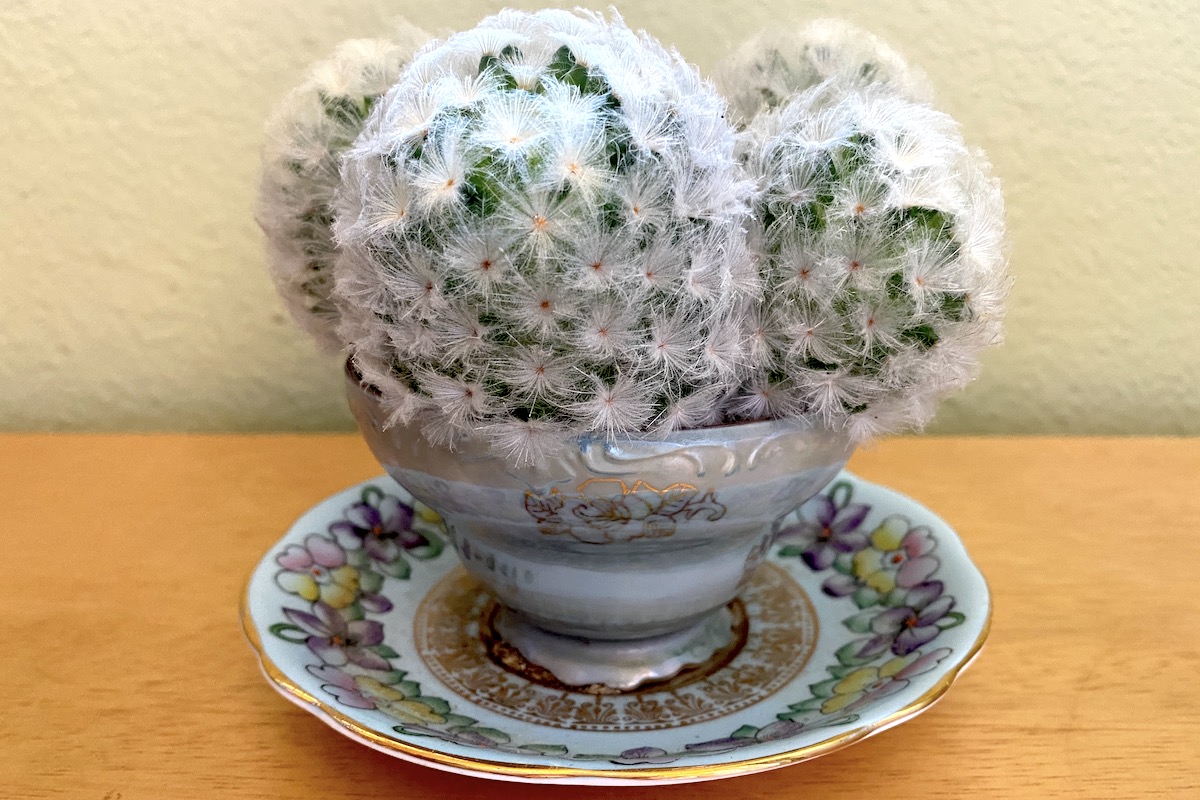
Mammillaria plumosa in teacup

Mammillaria plumosa I planted in a teacup 1-1/2 years ago

Also in the video I show a teacup I planted 18 months ago. The cup's  Mammillaria plumosa has nearly doubled in size!
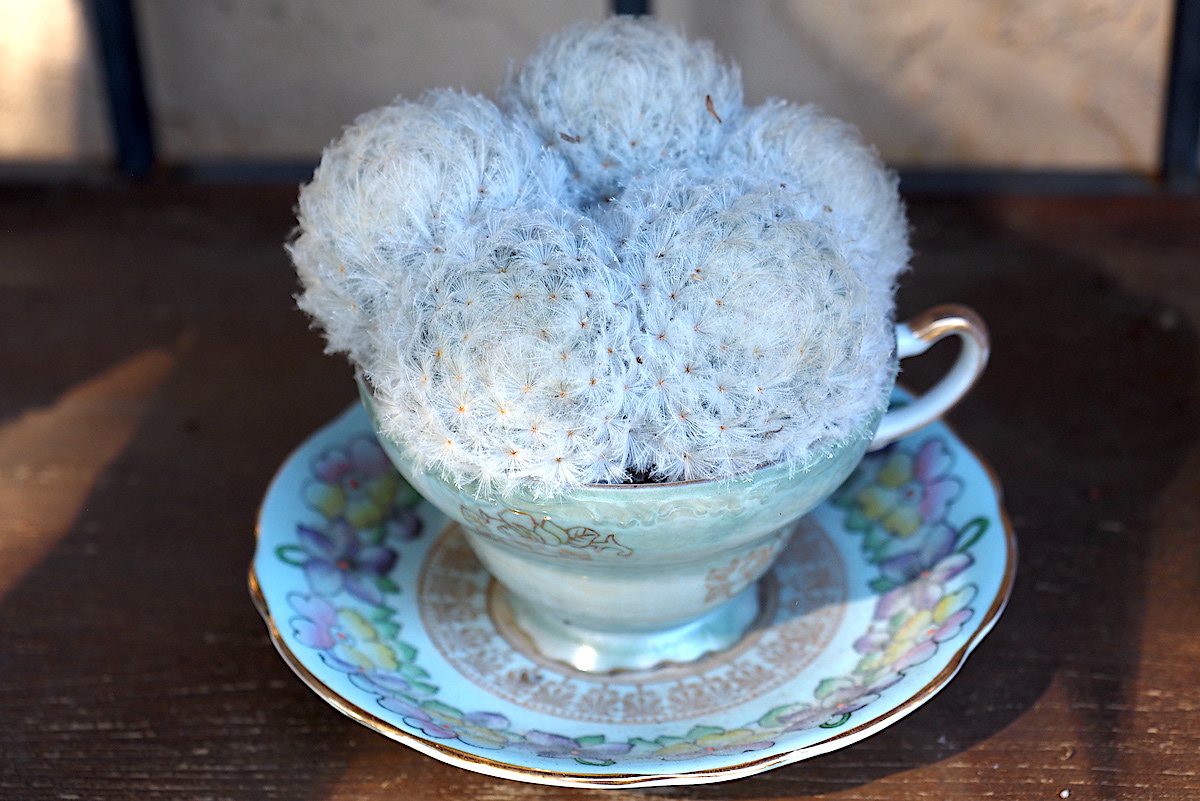
Mammillaria plumosa in teacup

Mammillaria plumosa in teacup, newly planted

I chose that cactus originally because it's white and fluffy-looking, and it reminded me of whipped cream. What do you think: Does this suggest a cup of hot cocoa to you?
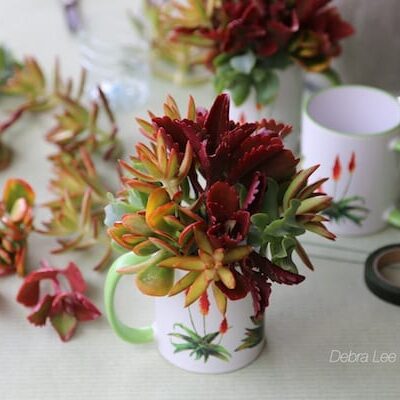
 

Make a Succulent Mug Gift Bouquet

Make a succulent mug gift bouquet the next time you need a little something for a friend or hostess. This transcends the traditional flower-stand bouquet and has utility long afterwards. 
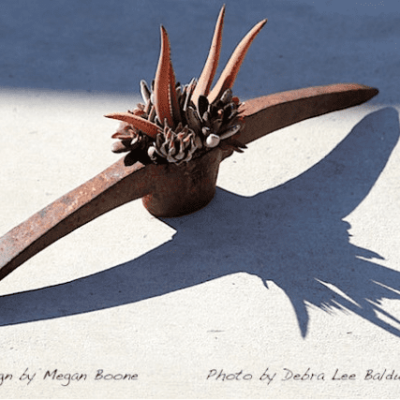
Vintage Containers for Succulents

Megan Boone of Nature Containers Vintage Garden Art uses cast-off objects to showcase succulents. As shown by the planted pick above, Megan brings elegance and whimsy to her artistry. I love how the aloe perfectly repeats the shape and color of the rusty metal, and also emphasizes its arc.

The post Make Succulent Teacup Gardens appeared first on Debra Lee Baldwin. Copyright © Debra Lee Baldwin.


from Debra Lee Baldwin https://ift.tt/2SM6UuV
via IFTTT

miércoles, 29 de abril de 2020

See Debra’s Garden Amazing tips

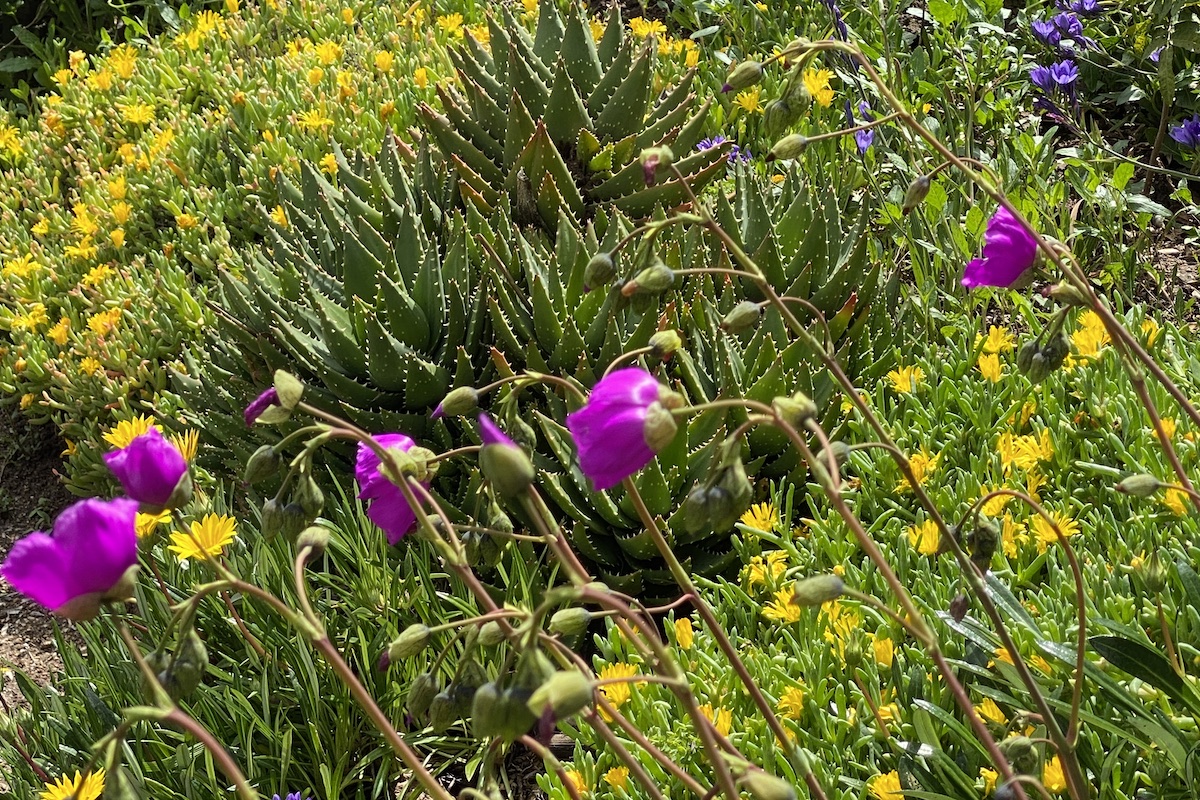
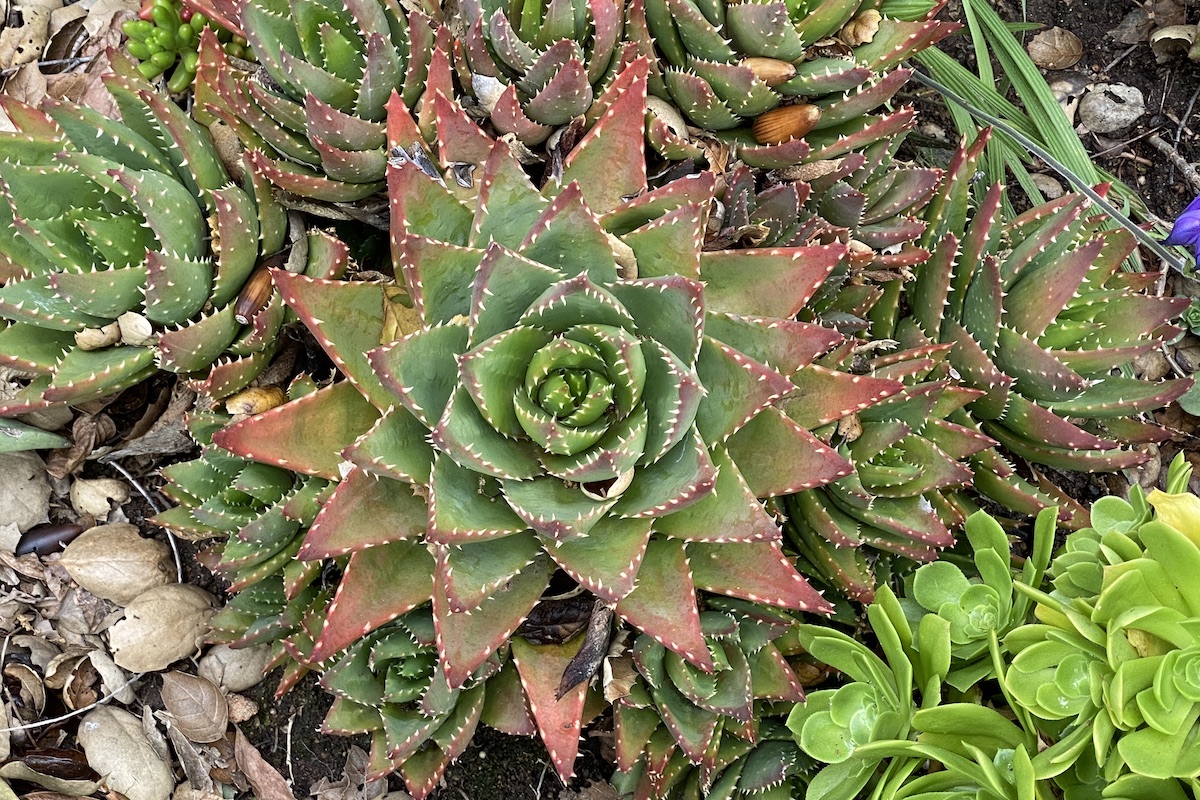
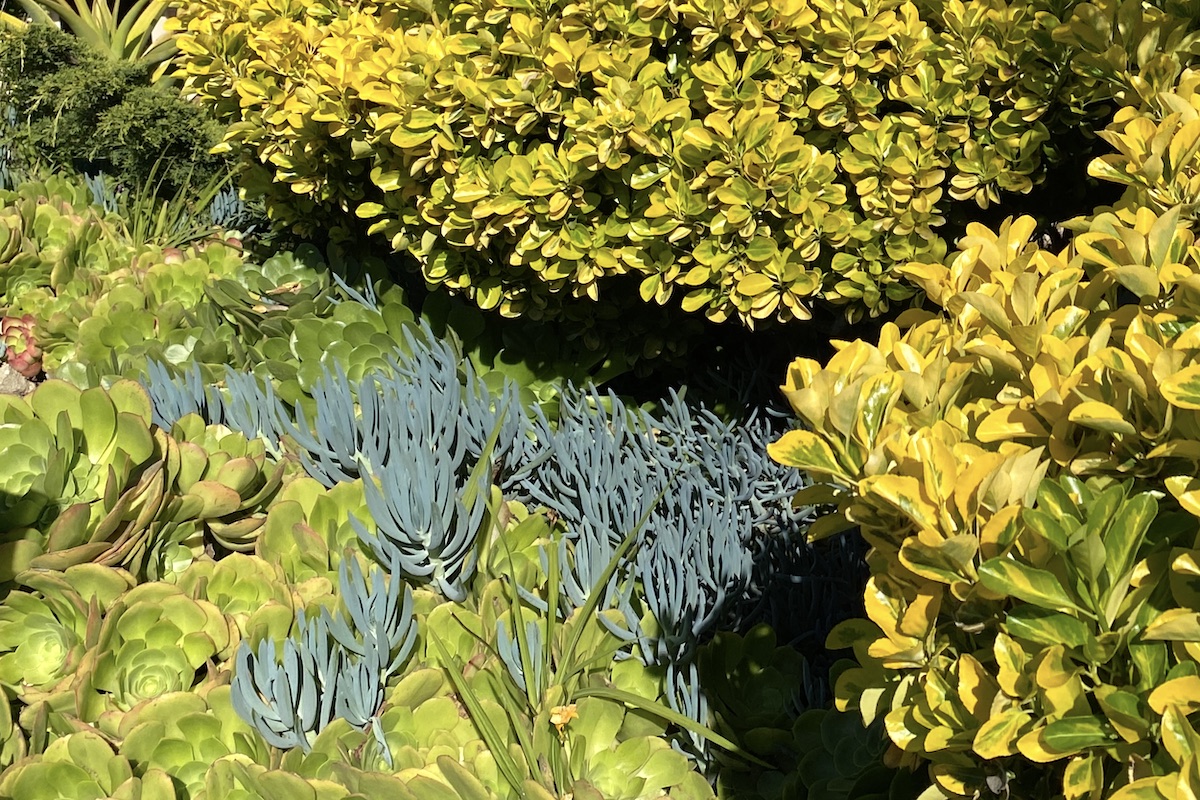
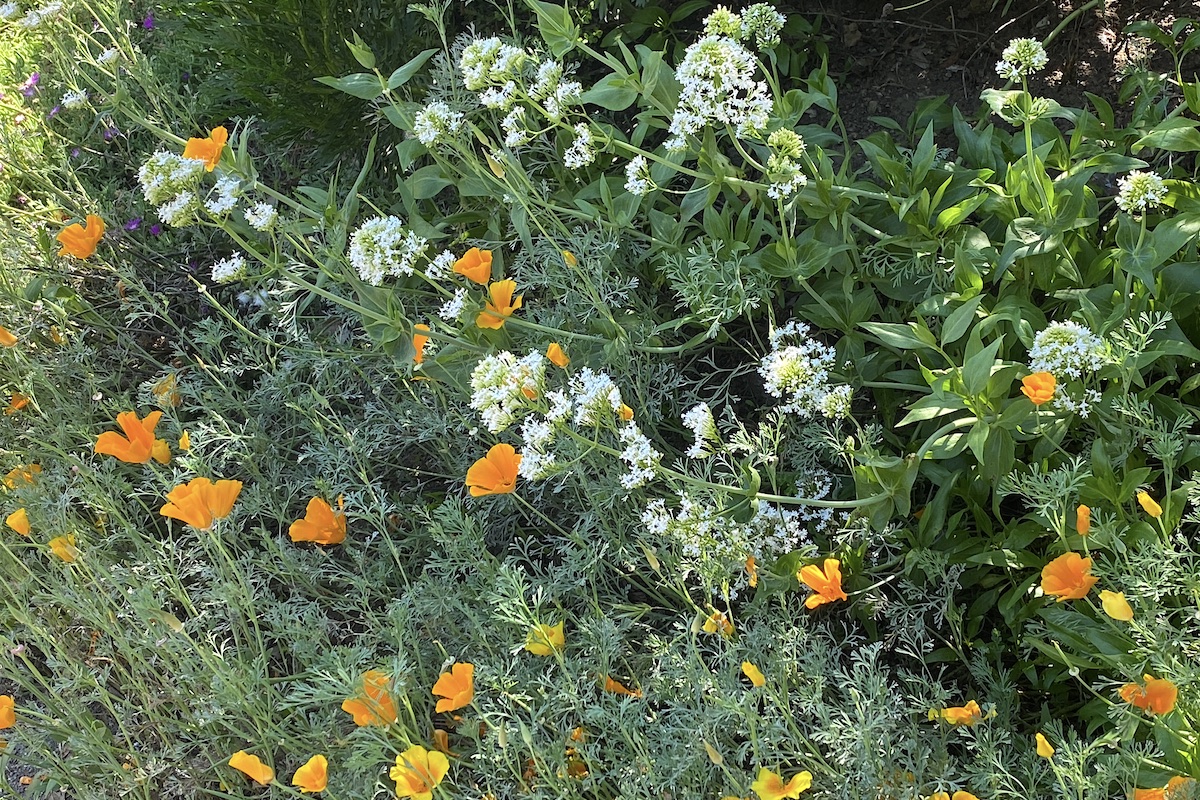
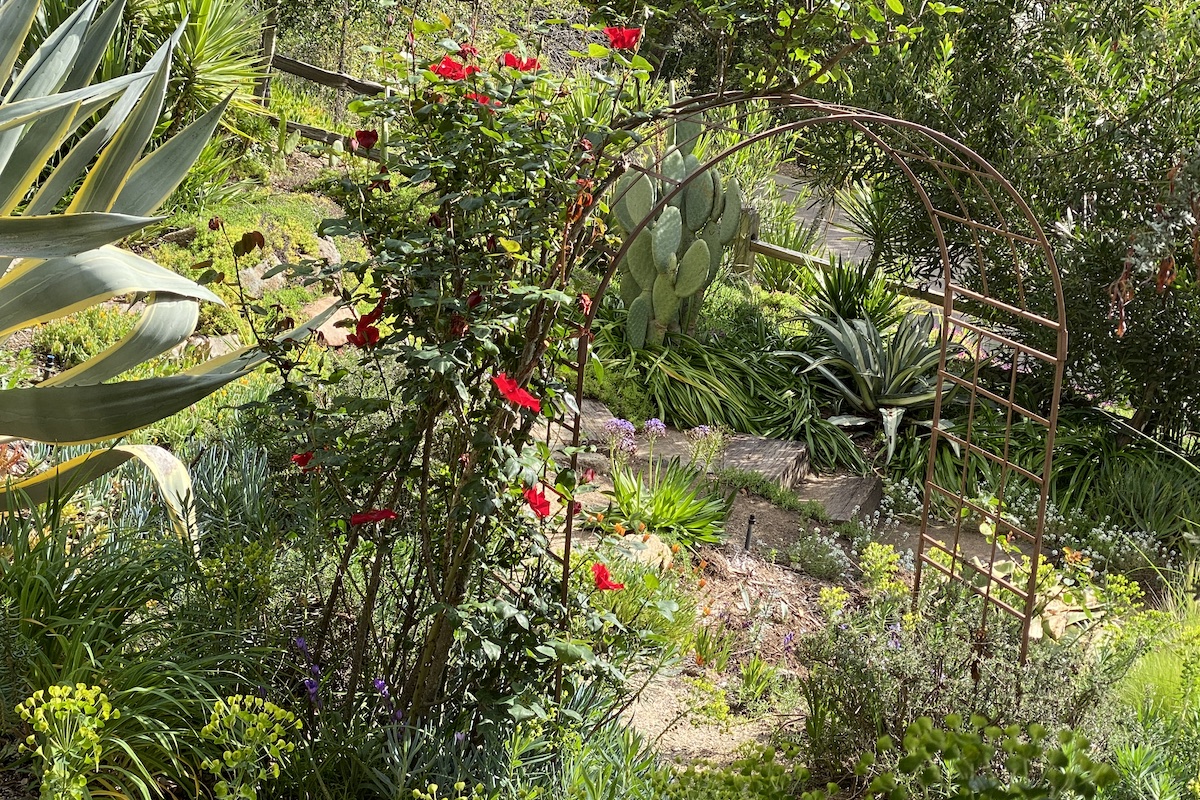
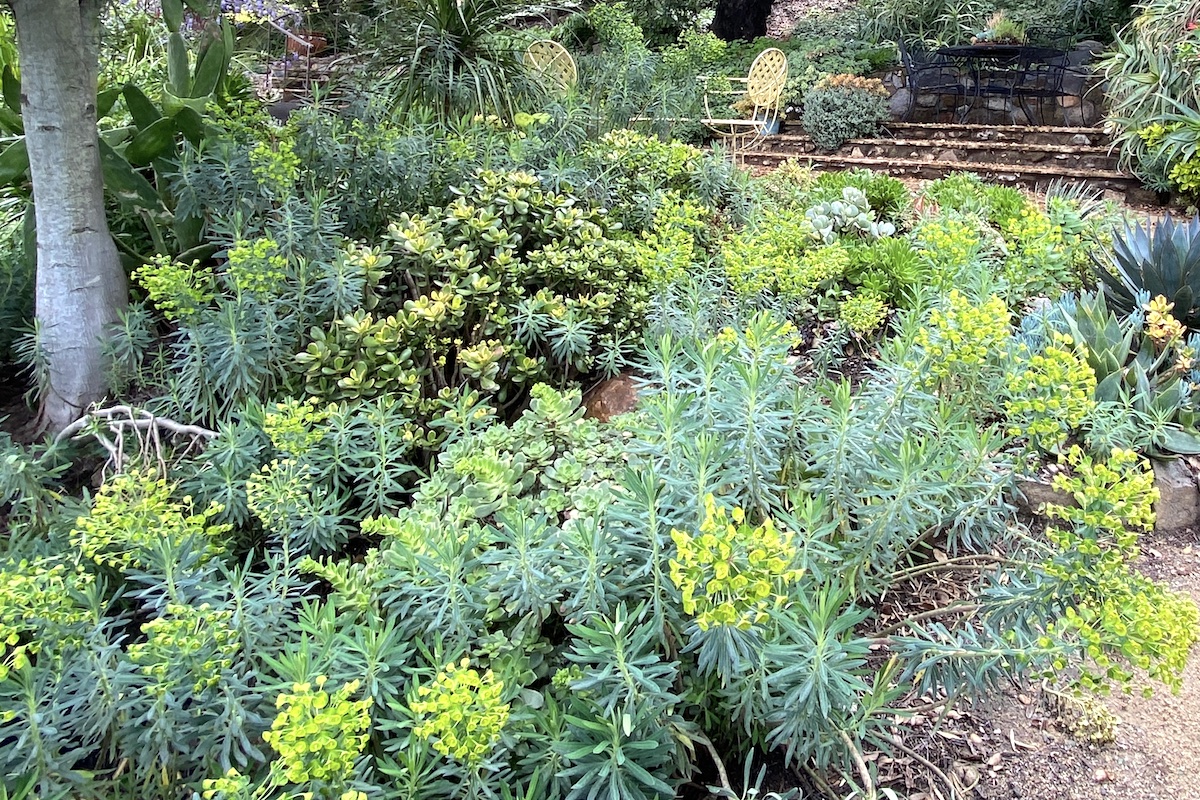
Welcome to my site's "Debra's Garden" page. Here you'll find names of important plants in my own, half-acre succulent garden, from my new 15-min. video: See My Idea-Filled Succulent Spring Garden.

The video came about as a result of my garden looking amazingly beautiful after a rainy April here in Southern CA. I kept taking photos. Then I took videos. Then I remembered that subscribers had asked for a tour of my garden. So I sorted through years of photos, selecting those that best tell the story. A few turned into "before" shots that show how succulents grow over time.

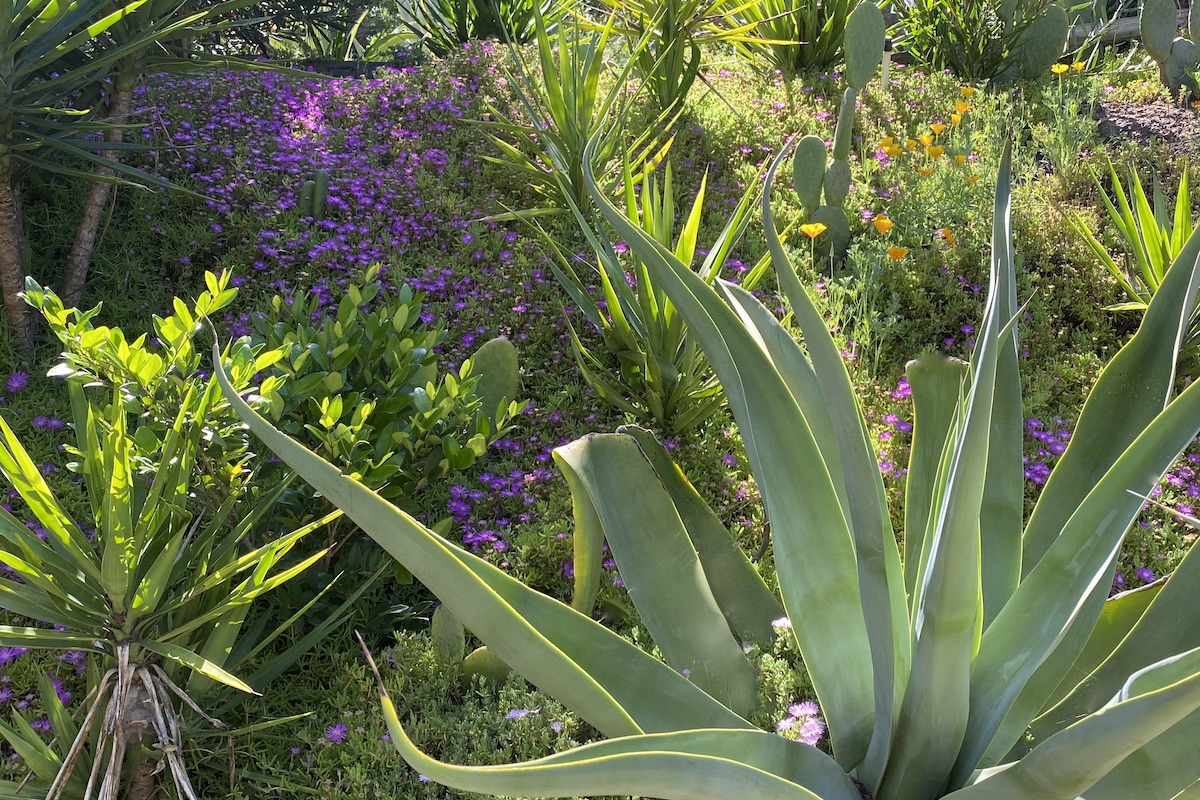
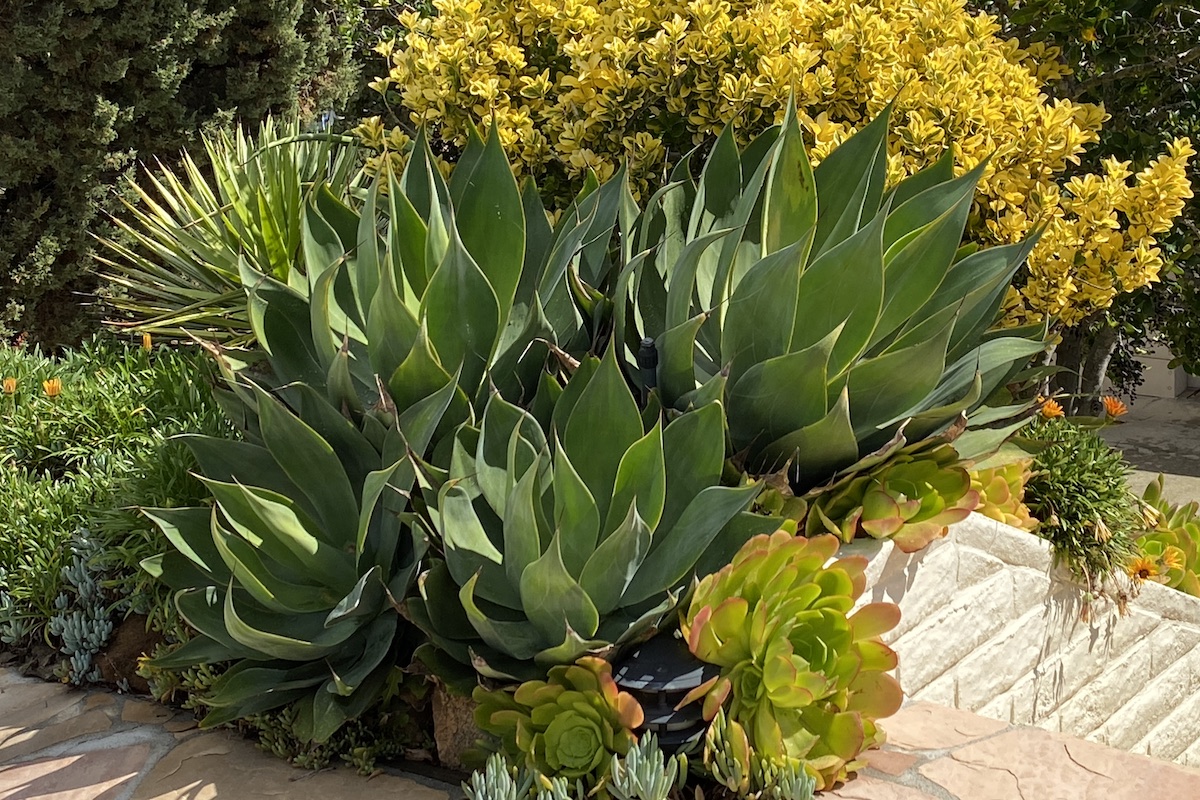
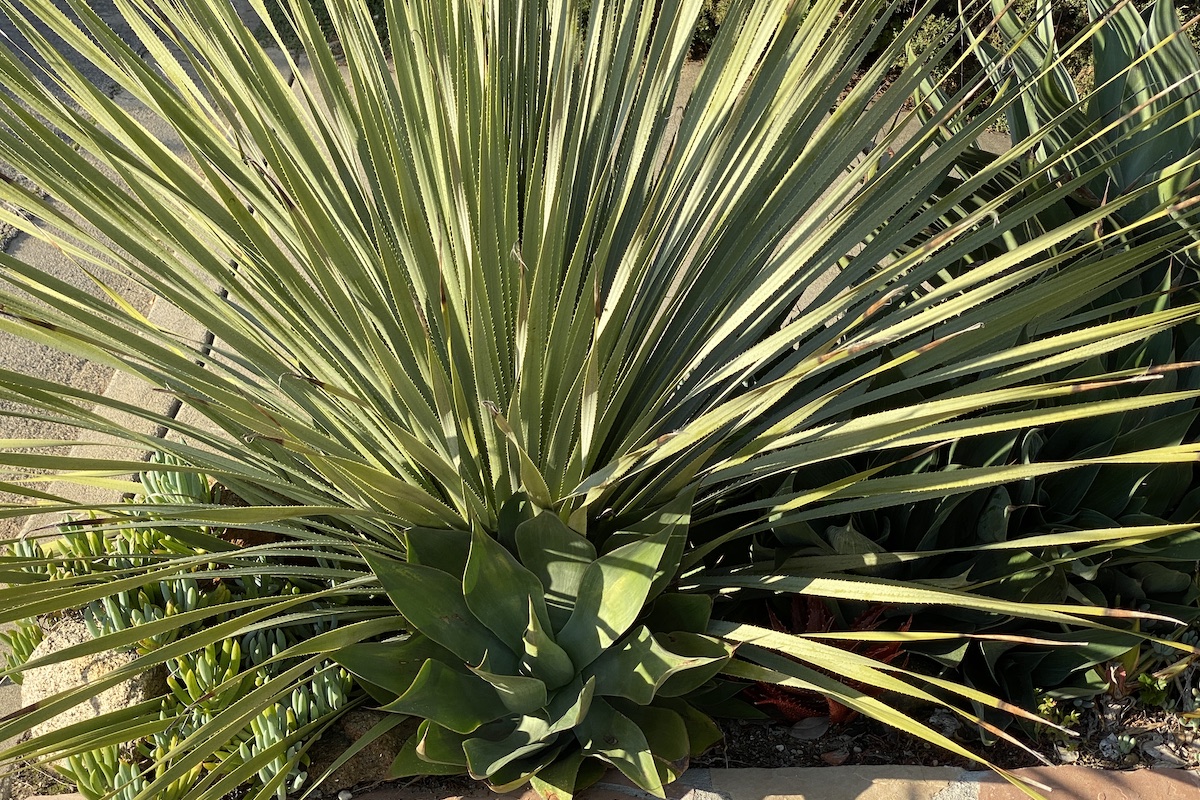
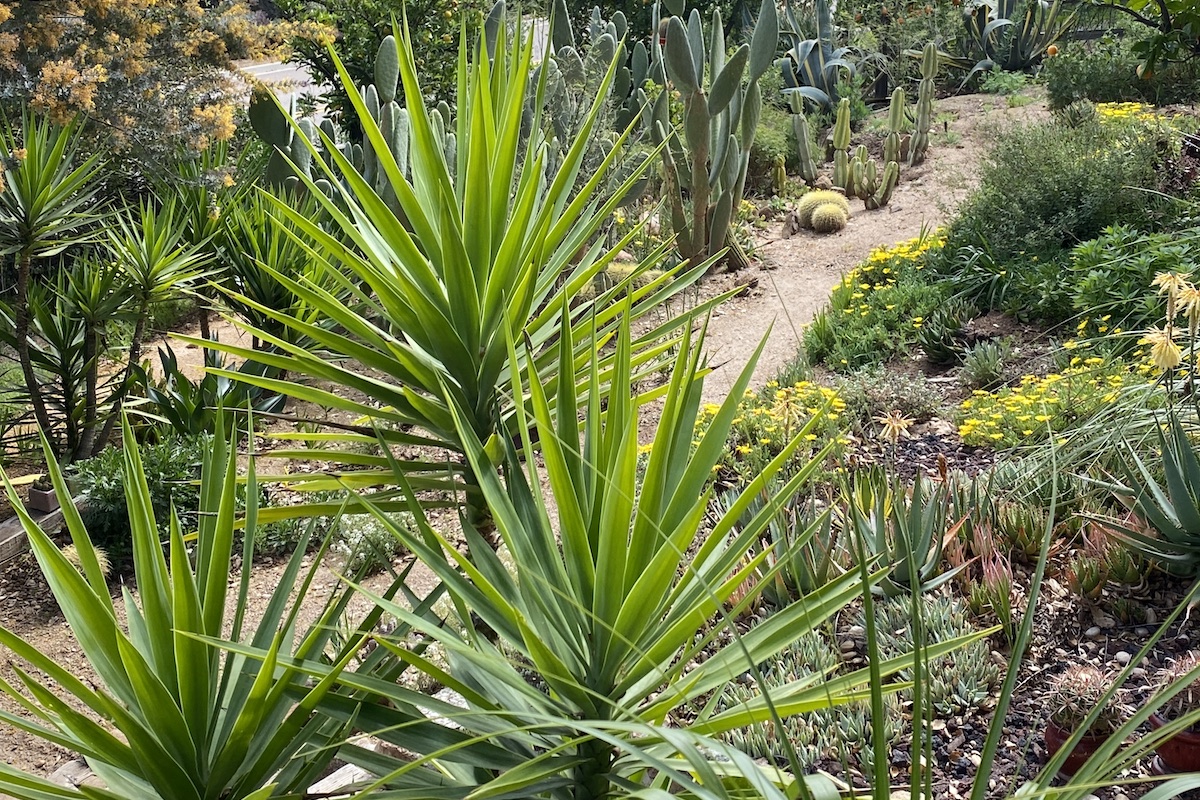
Agave vilmoriniana

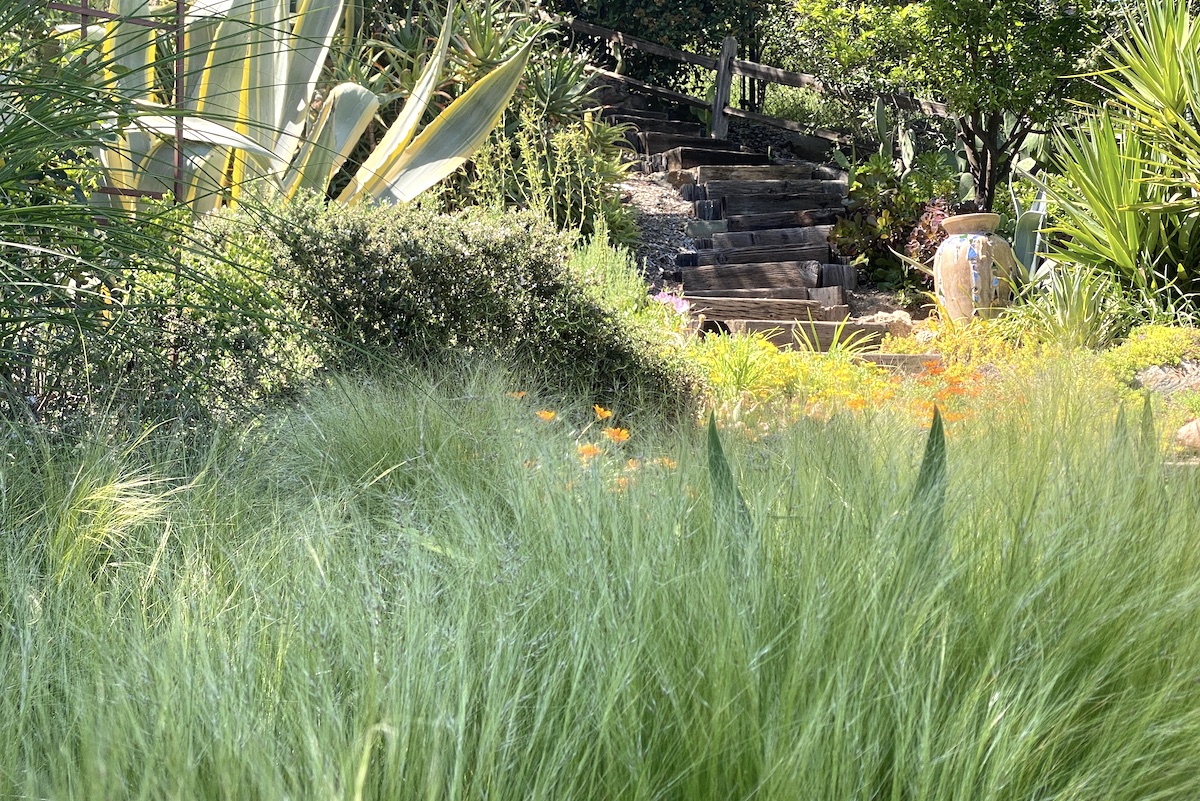
Octopus agaves, rosea ice plant and yuccas tough it out on the garden's steep, sunbaked, streetside bank.

The garden saw me grow, too. I started out loving flowers (I still do) then moved on to appreciating longer-lasting aspects of plants, such as form and foliage. What's gorgeous about Debra's Garden now is fairly ephemeral---all that color---but its bones are good.

Watching the video surprises even me. You know how it is when you're around something so long, you no longer see it? It's called "familiarity blindness." To change perspective, view your garden through a camera lens, picture frame or hand mirror. Things that need improving may jump out at you, but you'll also gasp at the beauty you see afresh.

I narrate the video with garden lovers in mind, and succulent aficionados in particular. Some info is region-specific, but many tips apply anywhere. Of course, a garden is ever-changing. Today's leaves are tomorrow's mulch. But now, no matter what happens to my garden (neglect, wildfire, being sold with the house, or having even more money poured into it), it'll always be May Day, 2020. I'm glad you asked me to do it.

Succulent Garden video

Now on YouTube: A 15-min video of my own half-acre succulent garden

Here's the intro...

For accompanying photos and video, head on over to YouTube.

"Here in the dry, rocky foothills northeast of San Diego, it’s a constant challenge to maintain a green, weed-free, tidy yard. But those of us who see plants as fascinating and rewarding don’t just have yards, we have gardens. If you’re one of us, especially if you love succulents, this video is for you. 

"My own garden's challenges include frost that turns plants to mush, high heat that burns and desiccates them, and nutrient poor, decomposed granite-and-clay soil. The terrain is steep, so erosion and access are issues. But all those rocks make great terraces; compost and mulch are free for the asking; and I’m blessed to have help with heavy lifting, pruning, hauling and digging.
"Best of all, during my career as a photojournalist and author, I’ve been privileged to interview knowledgeable plantsmen, garden designers and creative homeowners. I’ve applied a lot of what I’ve learned to my own garden. I grow the plants I write about. My garden is both sanctuary and laboratory..." 

debra's garden: important plants 

Don't see what you're looking for? Have a question? Leave a comment below or on the video's YouTube page, and I'll help if I can.

The post See Debra’s Garden appeared first on Debra Lee Baldwin. Copyright © Debra Lee Baldwin.


from Debra Lee Baldwin https://ift.tt/3d1i8Ds
via IFTTT
miércoles, 22 de abril de 2020

Don’t Let a Heat Wave Ruin Your Succulents Amazing tips

Don't let a sudden heat wave ruin your succulents! Case in point: Much of April here in Southern CA was rainy with highs in the 50s. Now, coming into the last week of April, the forecast is for temps in the 90s. (What, pray tell, happened to the 60s, 70s and 80s?)

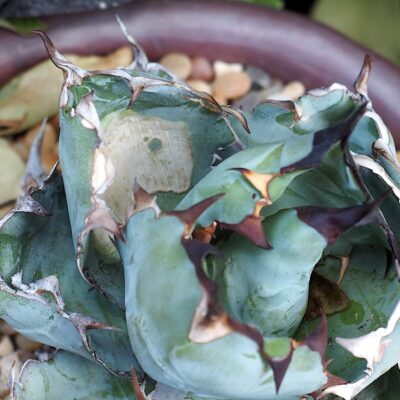
This is bad news for our gardens. Tender new plant growth resulting from rainstorms needs time to toughen. When a heat wave follows cool weather, succulents exposed to hot sun may burn. There's no fixing the beige or brown patches that result from sunburn. One of the best things about succulents is also the worst: they keep their leaves for a long time. Damage may be visible for quite a while.

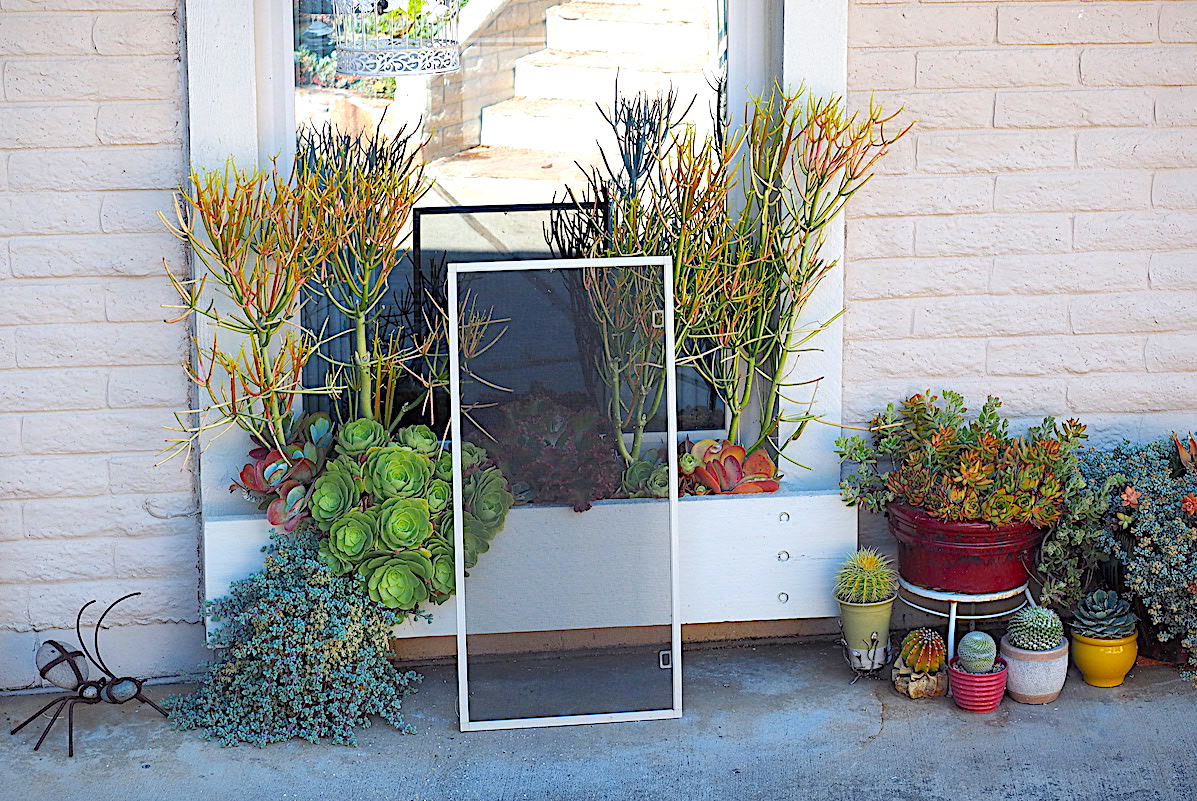
Window screen protects succulents

I propped a window screen against this west-facing window box to help a newly planted echeveria acclimate to greater sun exposure. I removed the screen a week later during a convenient stretch of cloudy weather.

Two ways to protect your succulents

  1. Move them. Of course this is only possible if they're in pots. But don't forget to do it! Move plants out of harsh midday sun and provide more shady hours daily.
  2. Cover them. This is advisable for delicate, thin-leaved, in-ground succulents---in particular those you prize---and anything newly planted. Protect echeverias, kalanchoes, dainty sedums, sansevierias, sempervivums, caudiciforms, and chubby and Medusa euphorbias (among others). Use floating row cover ideally; or shade cloth, old sheets or screens. Remove as temps return to normal.

No need to worry about...

Tougher succulents like ice plants, cacti, crassulas, elephant's food, beaucarneas, senecios, yuccas, and large aloes and agaves will probably be OK. But every plant is different. Variegates, for example, tend to scorch more easily due to less protective pigment.

Succulent Garden near the coast

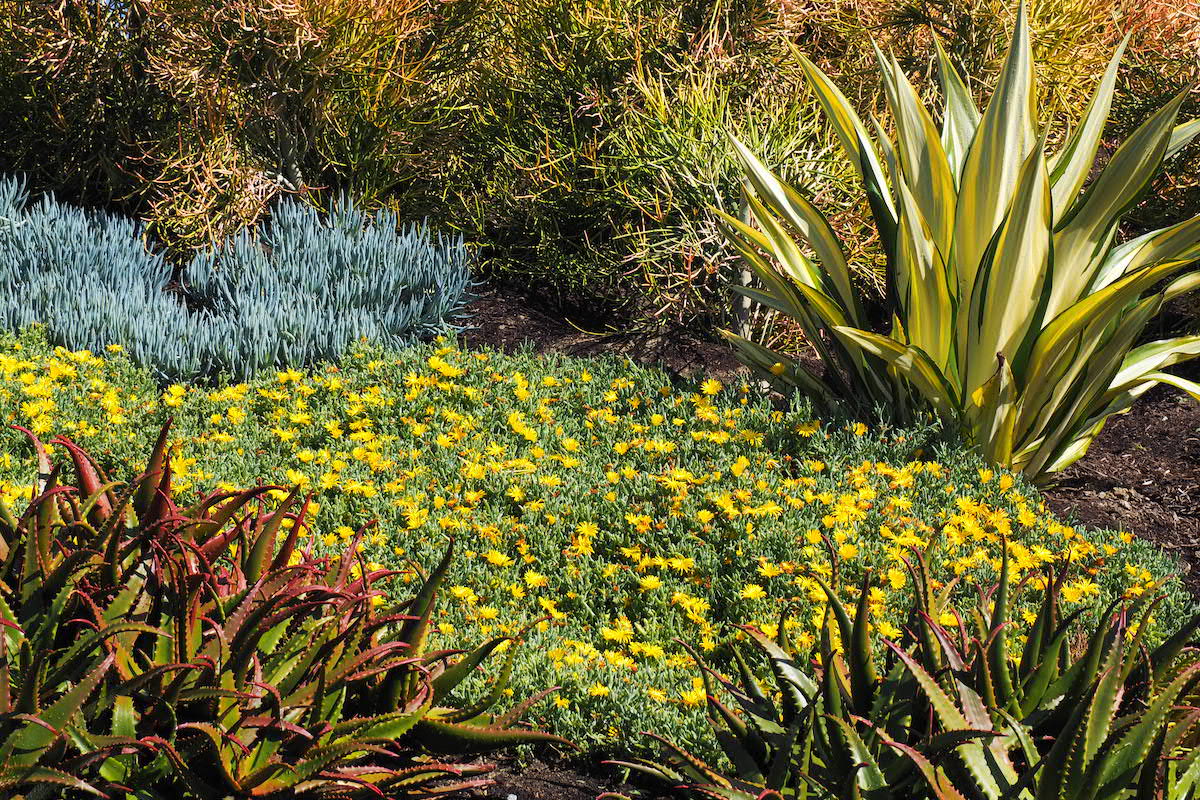
It may surprise you that the only succulent in the photo likely to sunburn is the furcraea at upper right. Its thin, variegated leaves are highly susceptible. The others---such as lampranthus ice plant, Aloe cameronii, blue senecio and firesticks---are generally not at risk except in desert climates.

Watch the video

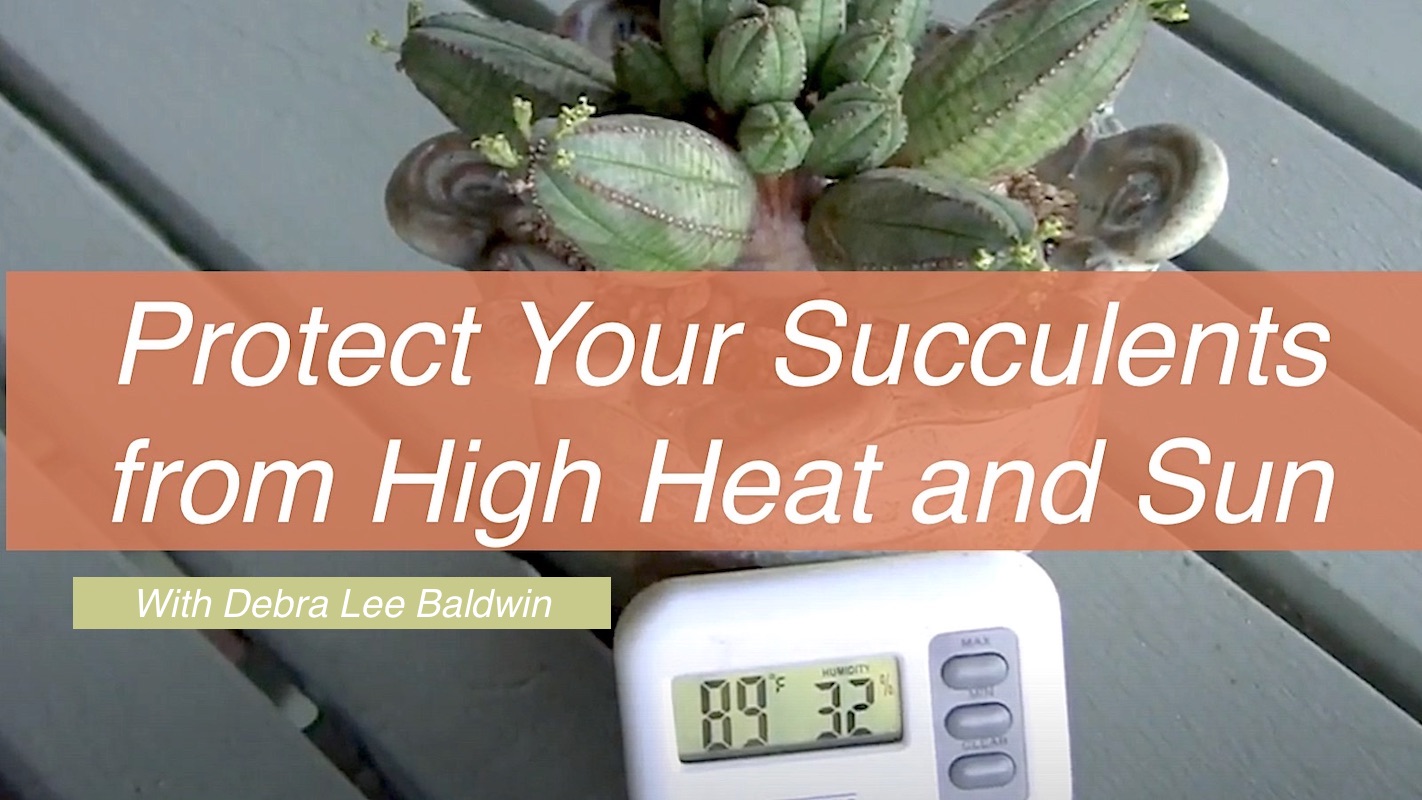
Be sure to watch my 10-min. video: Protect Your Succulents from High Heat and Sun. On an 89-degree day I take you on a tour of my garden in the foothills NE of San Diego. You'll see what's in bloom, lookin' good (or sadly dreadful), and watch as I check the health of succulents small and large.

Video

See how I evaluate my own succulents during and after heat spells.


Related Info on this site

Summer Care for Succulents: Heat and Sun Concerns

Don’t let summer sun and heat harm your succulents! Heat generally isn’t a concern. Although some succulents (like sempervivums) tend not to thrive in temps above 80 or 90 degrees F, the majority are fine. It’s heat plus sun that’s the concern.

The post Don’t Let a Heat Wave Ruin Your Succulents appeared first on Debra Lee Baldwin. Copyright © Debra Lee Baldwin.


from Debra Lee Baldwin https://ift.tt/2xS6T1d
via IFTTT