lunes, 30 de noviembre de 2020

Make a Mounded Succulent Arrangement Amazing tips

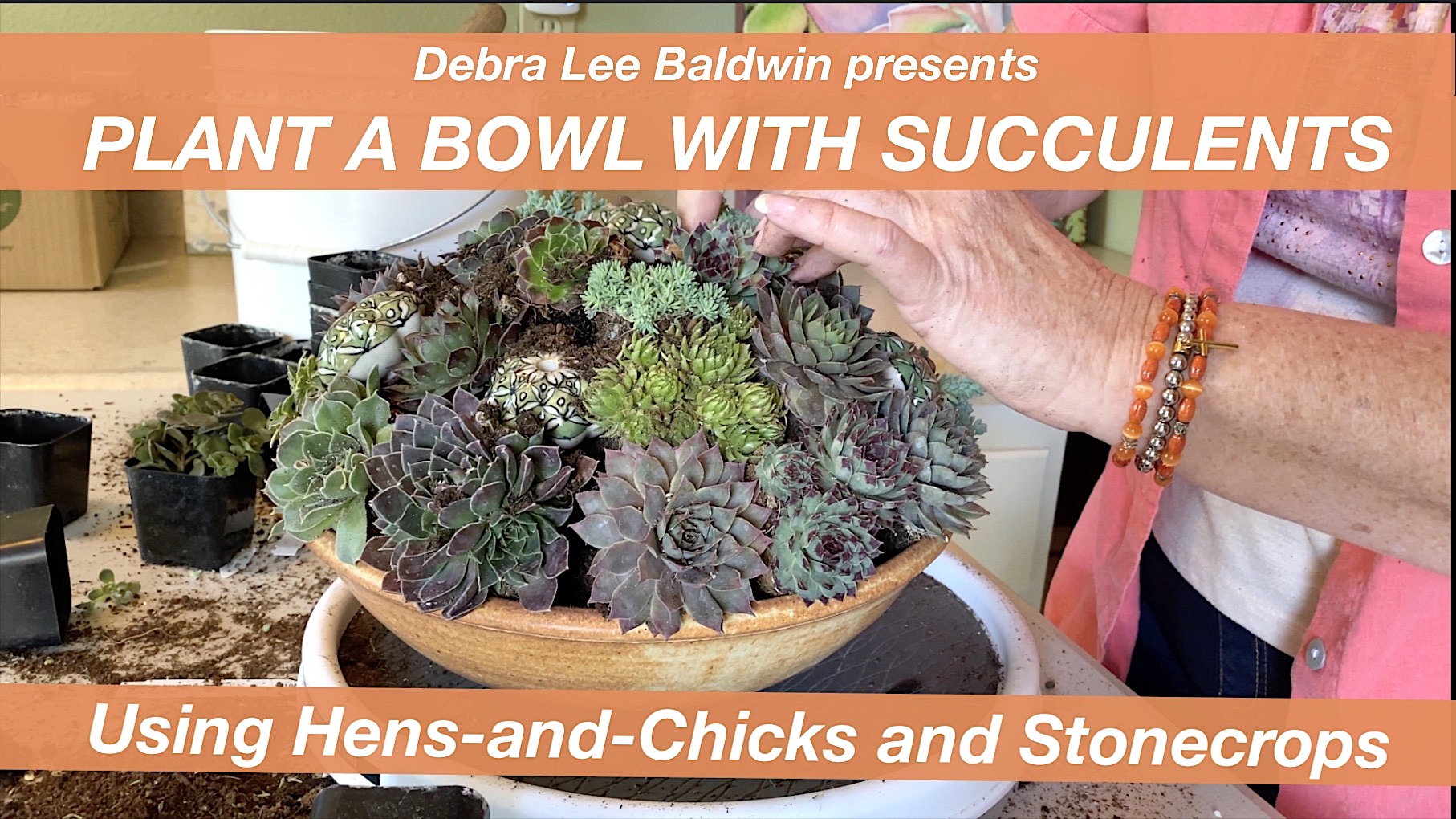
Many eye-catching succulent arrangements are mounded, meaning plants are massed atop the container. Mounded arrangements look established right away and are quick and easy to assemble. The secret is stack root balls on top of each other and angle rosettes outward. They don't tumble out because they're recessed a little, and are supported by those below them.

Materials
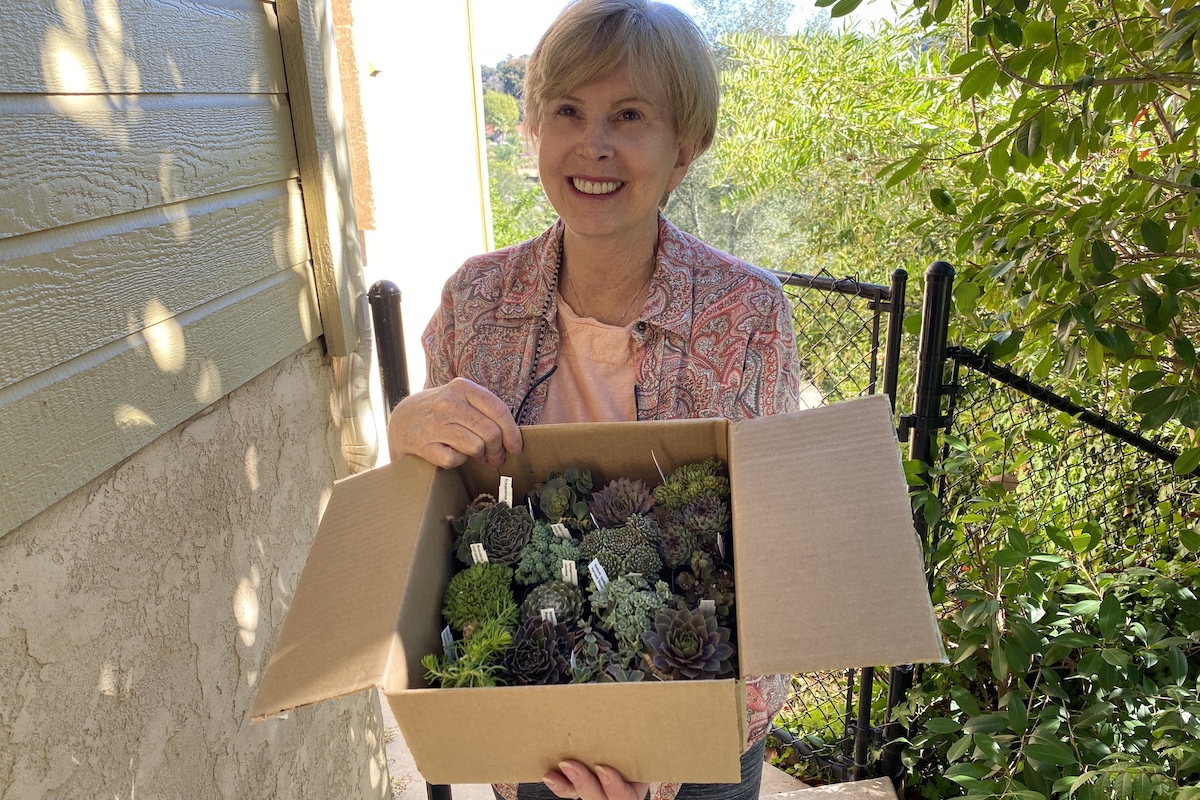
Sempervivum and sedum

Sempervivum and sedum

For a 12-inch-diameter container 3 inches deep, I used 22 sempervivums (hens-and-chicks) and six sedums (stonecrops), all in 2-inch pots. Find species and cultivar names below. All are from Mountain Crest Gardens and are cold-hardy to at least zero (some to -30F). Other rosette succulents, like echeverias, would work as well.

Learn more about cold-hardy succulents.

Step-by-Step DIY
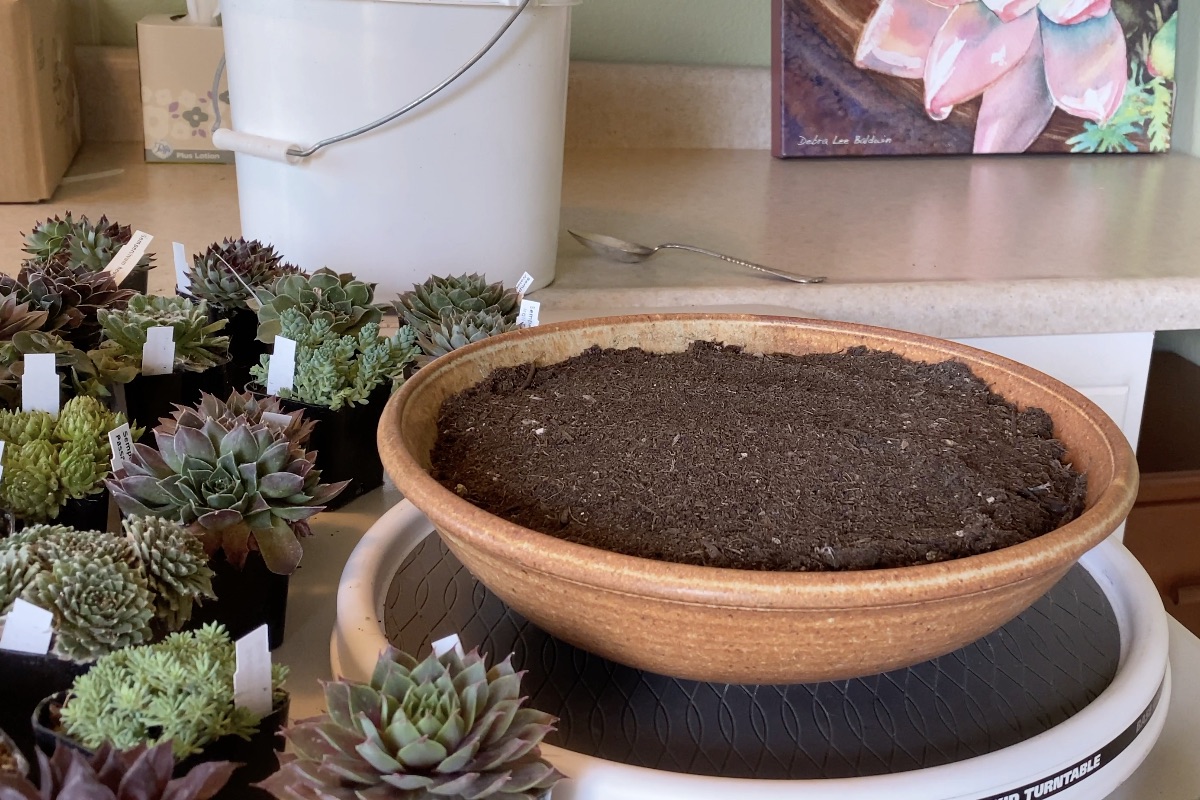
Materials for succulent bowl arrangement

I drilled a hole in this stoneware serving bowl so I could use it as a pot for succulents.

  1. (Above) Fill the container to about an inch below the rim with potting soil.
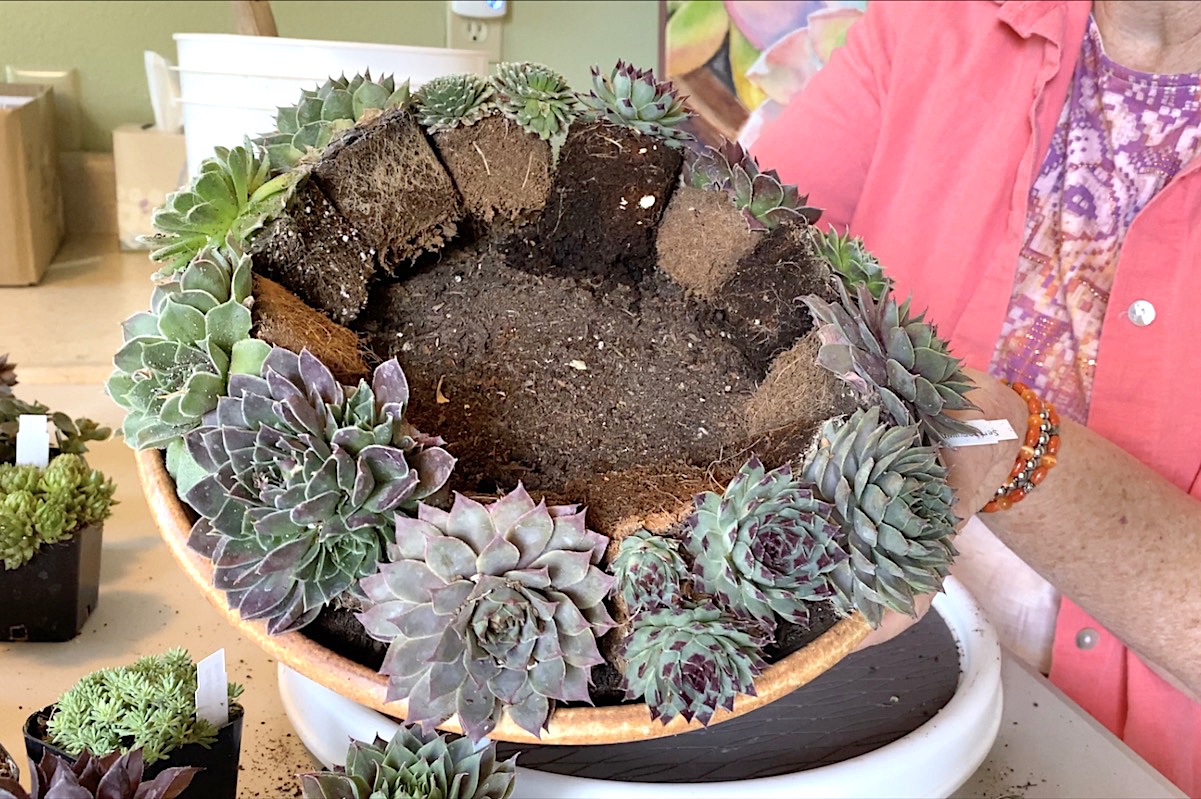
First layer

First layer

2. (Above) Slide plants out of their pots and lean them along the rim with their root balls atop the soil, and the base of each rosette resting on the edge of the pot.
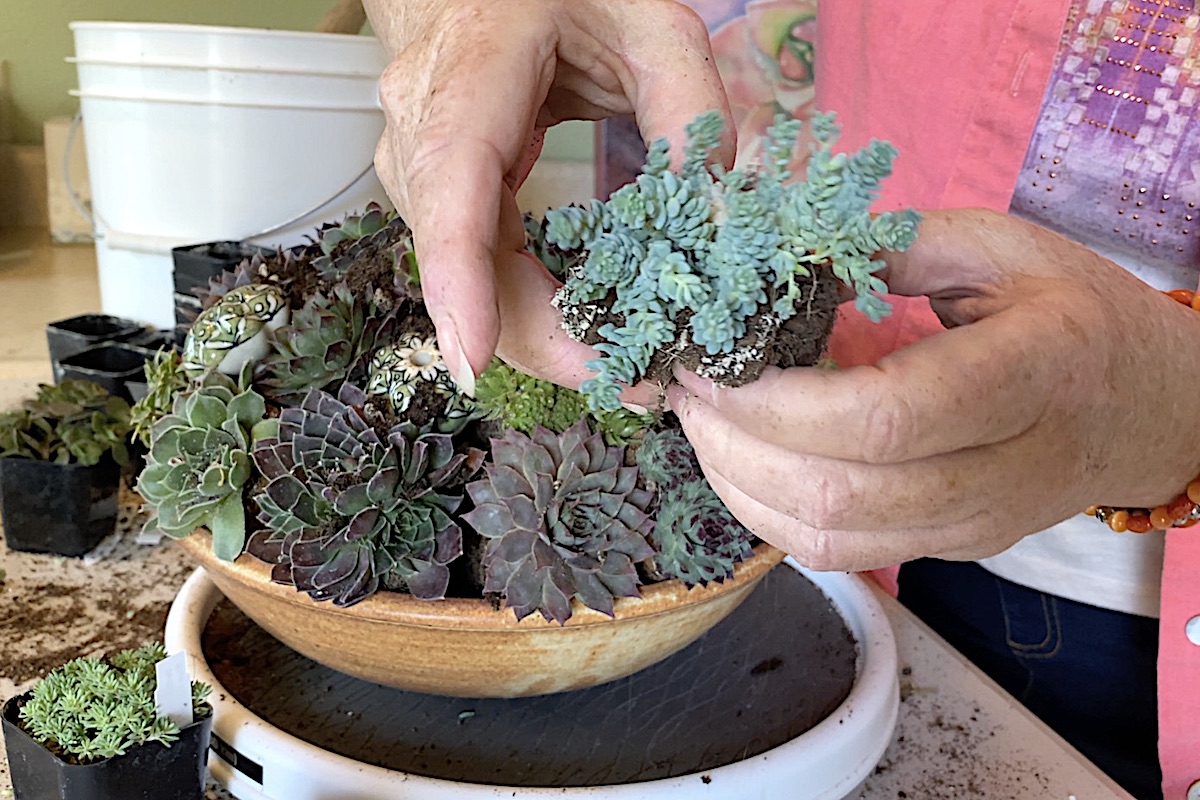
Sedum & doorknobs

Note: You'll see in the video I replaced several bottom-row semps with sedums. They add texture and trail.

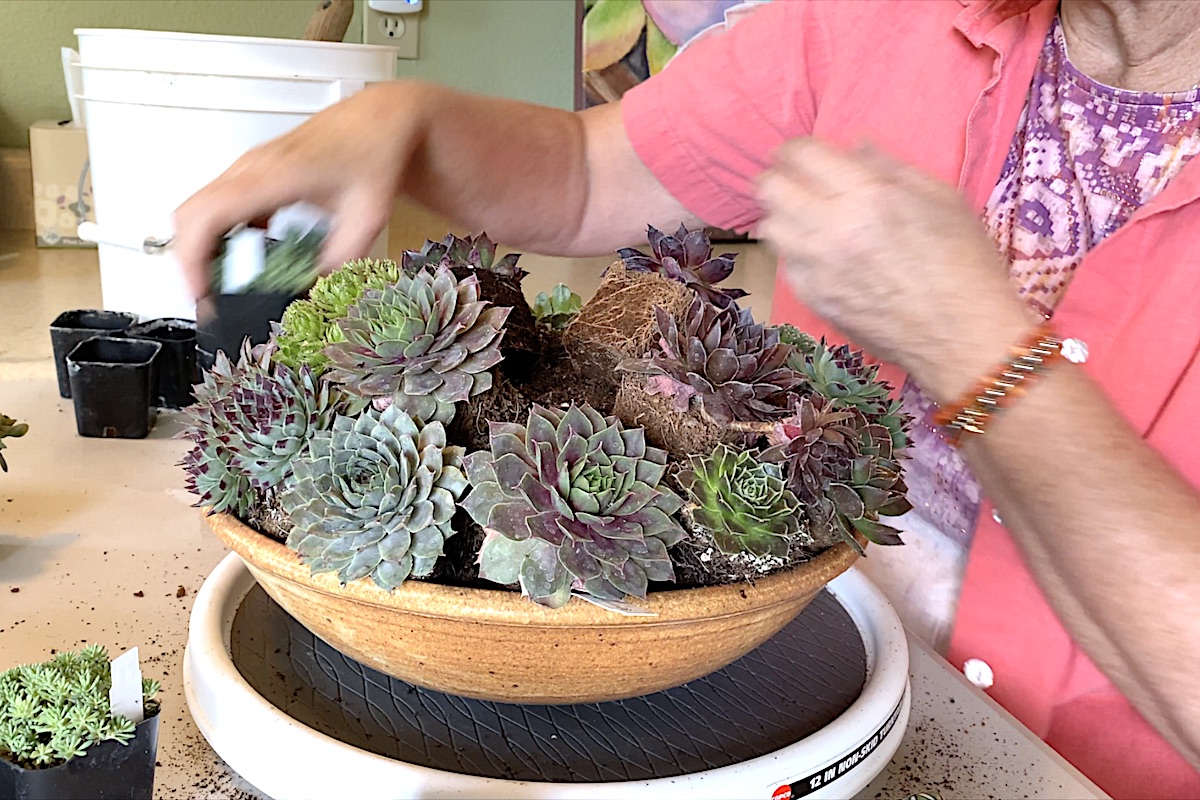
3. (Below) Add soil to fill the open area shown in the first step, then add more plants to create a similar second layer. These should be recessed, angle upward at about 45 degrees, with bottom leaves resting against the top leaves of the first layer.
Second layer

Second layer

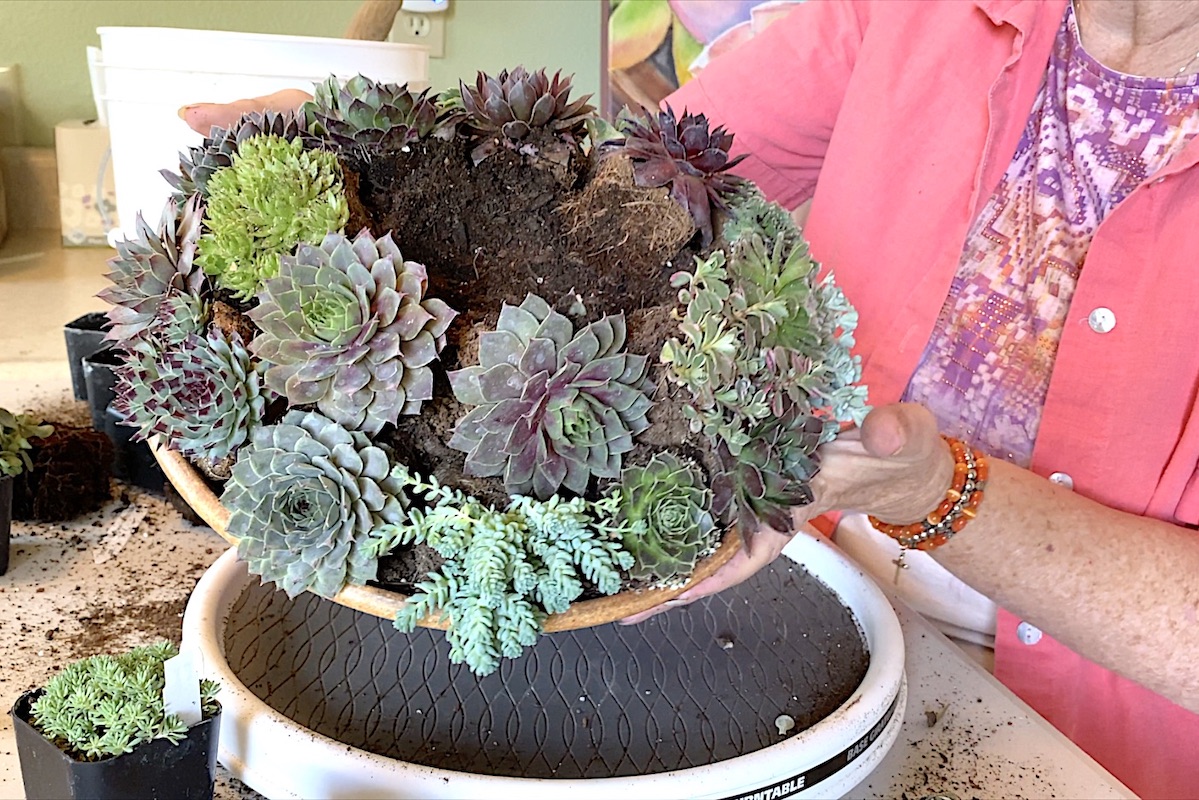
4. (Below) Add more plants to create the third (top) layer. Add soil to elevate them, if need be, so the overall shape of the arrangement is a dome. Tuck sedum into gaps. (Gently pull root balls apart to make the sedums easier to plant.)
Top layer

Top layer

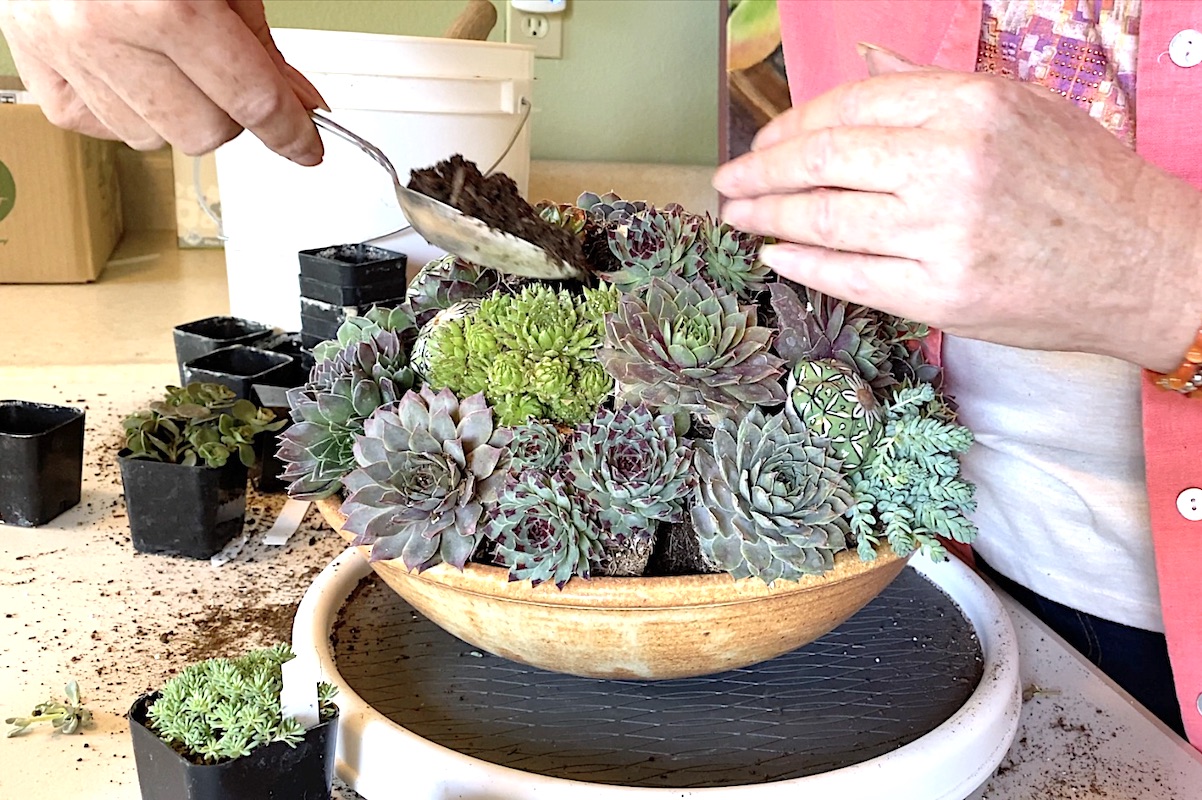
5. (Below) Fill remaining openings with soil. (I used a spoon.) To add interest, I embellished the arrangement with ceramic drawer knobs that resemble semps. 
Add soil to fill gaps

Add soil to openings

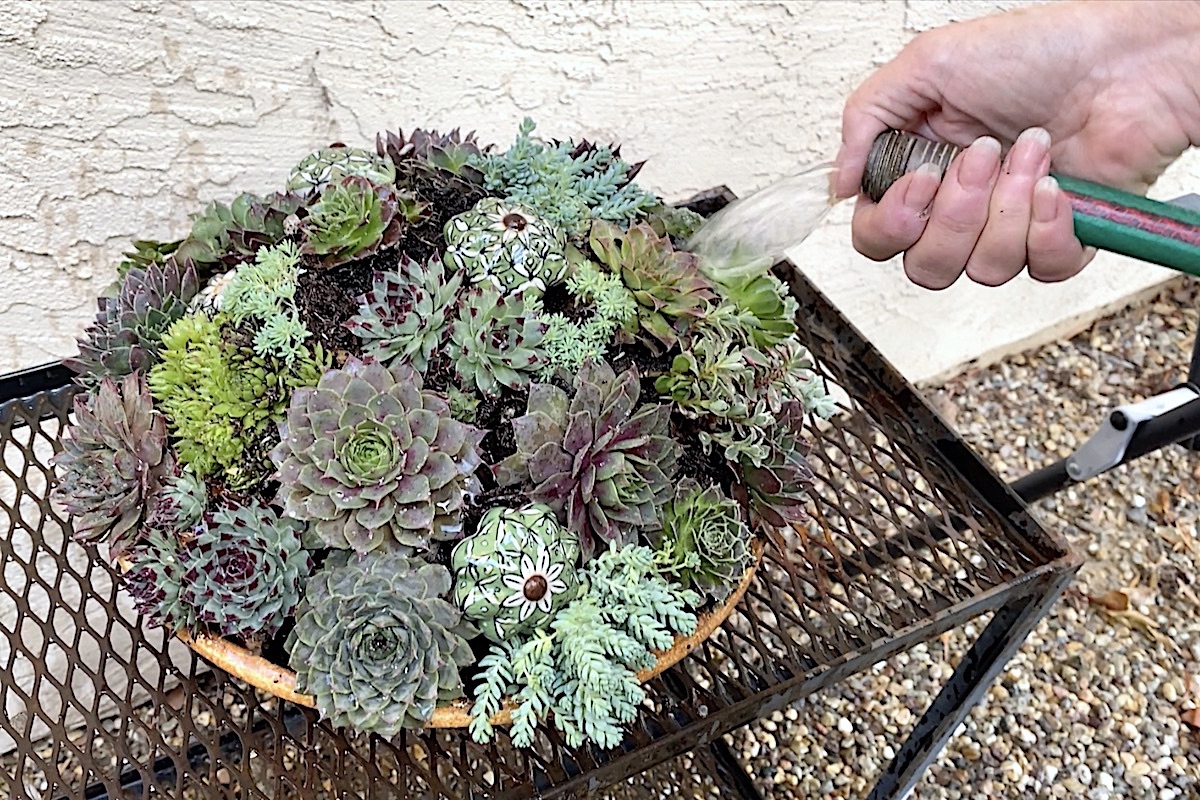
6. (Below) Hose off the arrangement to remove soil clinging to the leaves and help secure the root balls. When mine was done dripping, I used it for a patio table centerpiece.
Hose it off

Varieties I used (but just about any semps and fine-leaved sedums will work):

Sempervivum heuffelii (various), S. calcareum, S. 'Watermelon Rind', S. globiferum, S. arachnoideum, S. 'El Greco', S. 'Zulu', S. 'Chocolate Kiss', S. 'Strawberry Kiwi', S. 'Mint Marvel'; Sedum spathulifolium 'Harvest Moon', S.  hispanicum 'Blue Carpet', S. spurium 'Tri-Color', S. dasyphyllum 'Himalayan Skies', S. tetractinum.
Sempervivum bowl

Related Info on this site

Designing with Cold-Climate Succulents

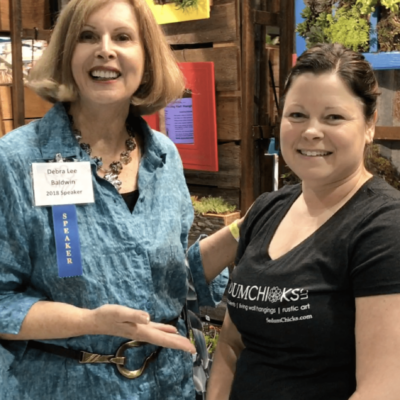
How to select, grow and design with cold climate succulents—sedums, sempervivums and more. Tips from Becky Sell of Sedum Chicks at the Northwest Flower and Garden Show
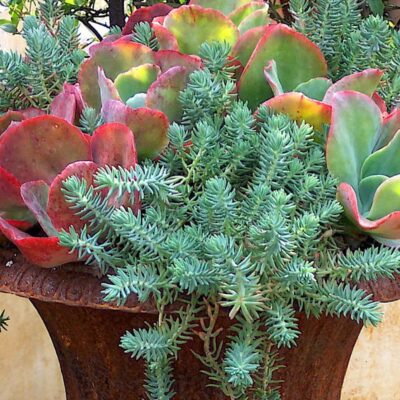
Succulent Container Garden (c) Debra Lee Baldwin

Succulent Container Design

Succulent Container Design Design ideas and must-dos for beautiful, easy-care potted succulents Here you’ll find info on succulent container design in articles and videos. Scroll down to see what interests you and meets your needs. Also enjoy and find inspiration in my gallery of 150+ floral-style arrangements! Succulent Container Gardens, How-To Discover My Online Design…
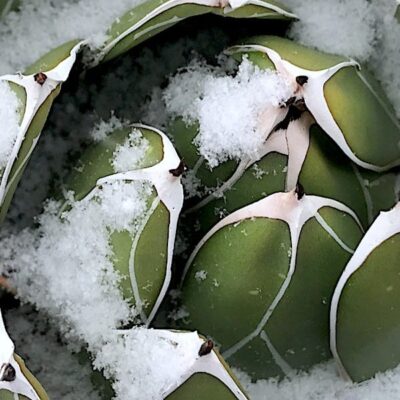
Cold Hardy Succulents: Details, Photos and Varieties

Cold-Hardy Succulents: Details, Photos & Varieties Looking for succulents that go below freezing? You’re in the right place! About cold-hardy succulents The common cold-hardy succulents shown here can handle northern winters, snow, rainstorms (if given excellent drainage) and summer dry spells. Most cold-hardy succulents are in the genera Sedum and Sempervivum. Sedum (stonecrop) Trailing varieties are lovely as…

The post Make a Mounded Succulent Arrangement appeared first on Debra Lee Baldwin. Copyright © Debra Lee Baldwin.


from Debra Lee Baldwin https://ift.tt/37lkRGF
via IFTTT

martes, 24 de noviembre de 2020

Brody’s Lovely, Low-Cost Succulent Garden Amazing tips

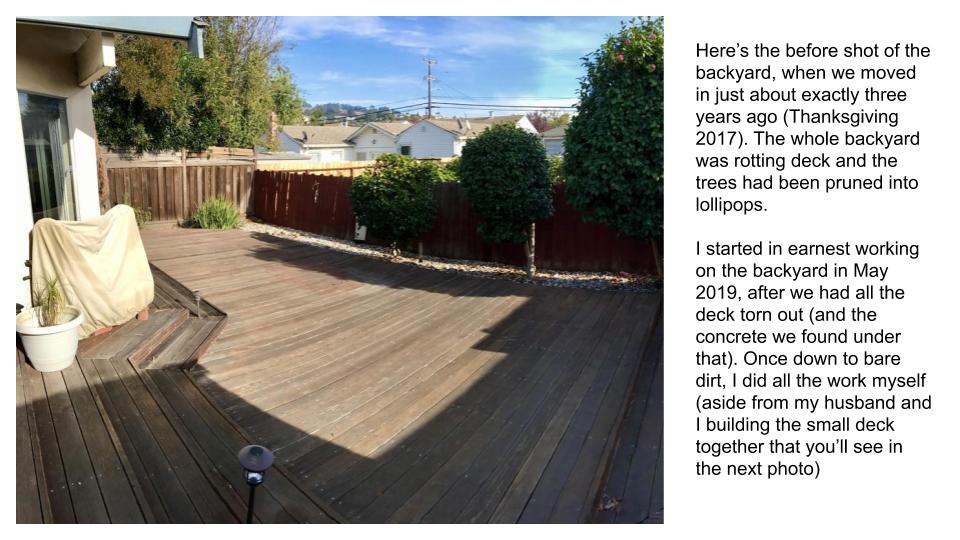
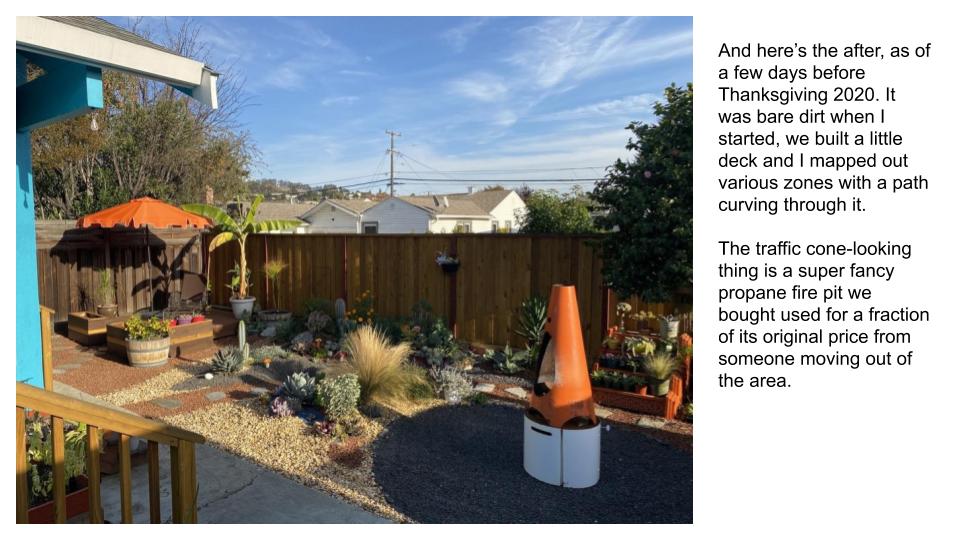
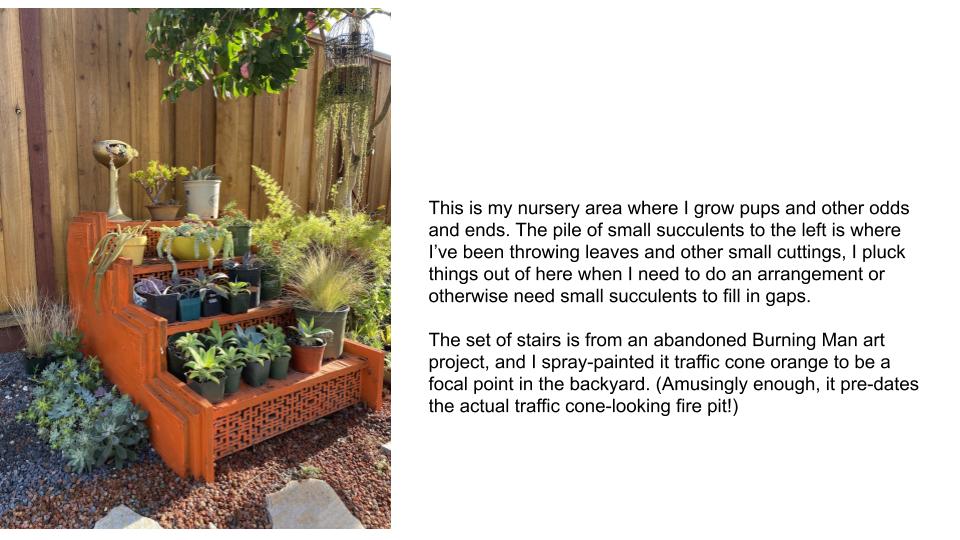
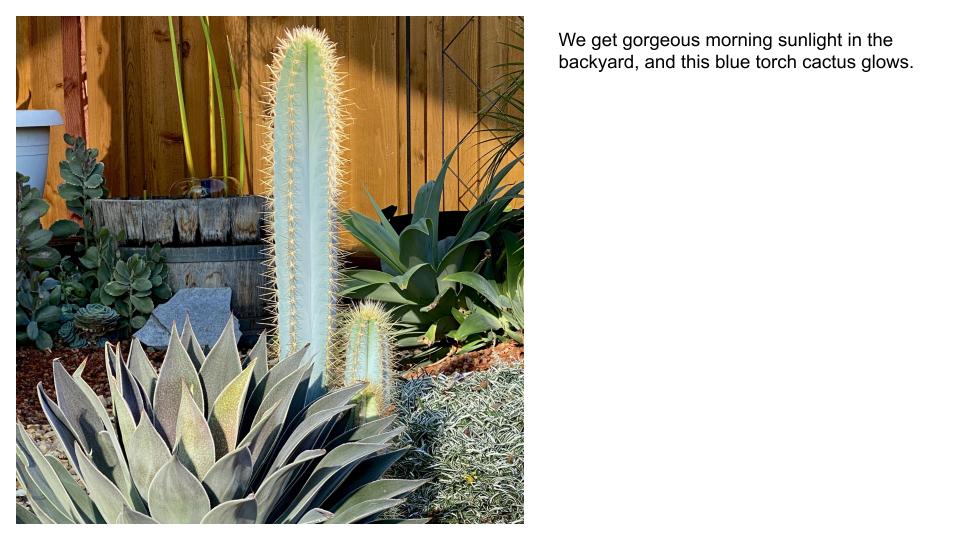
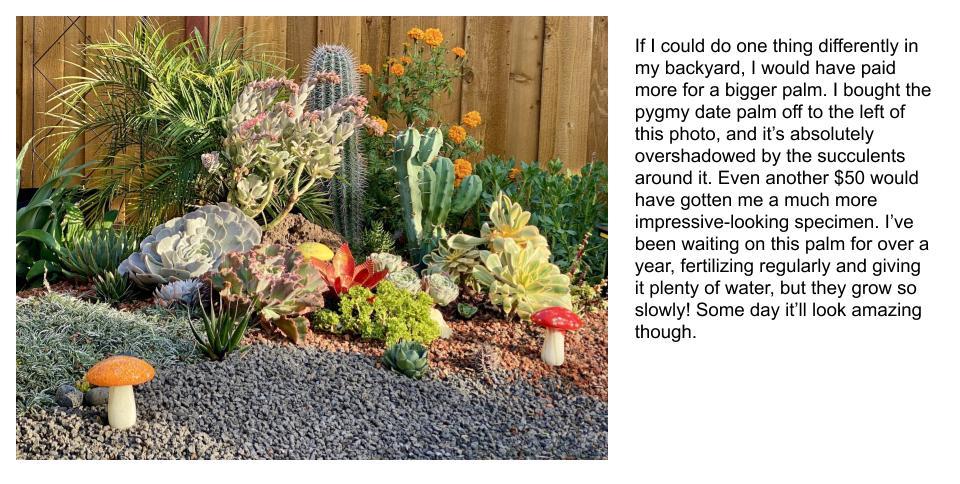
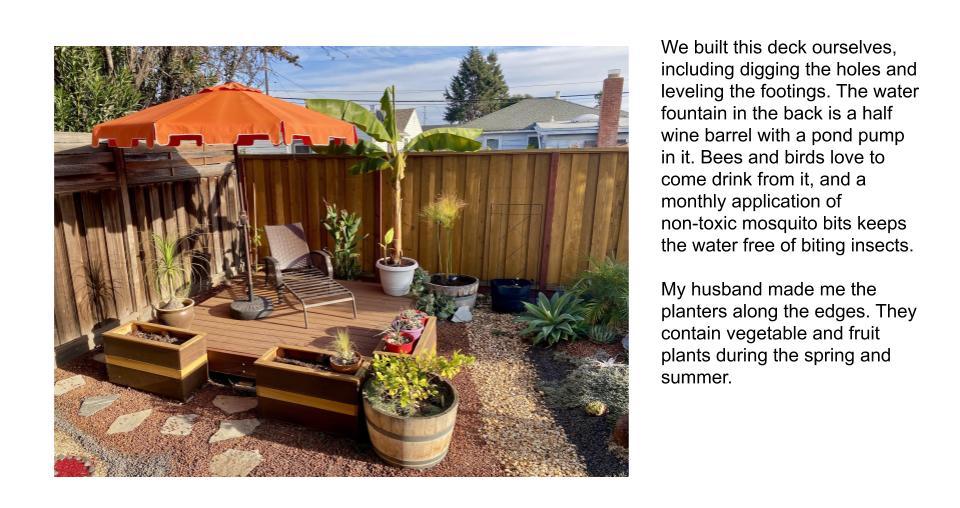
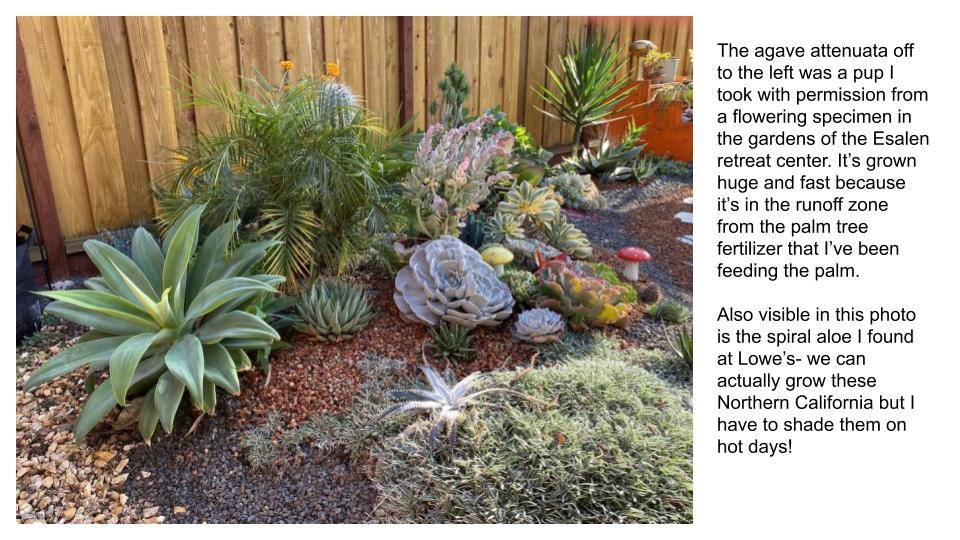
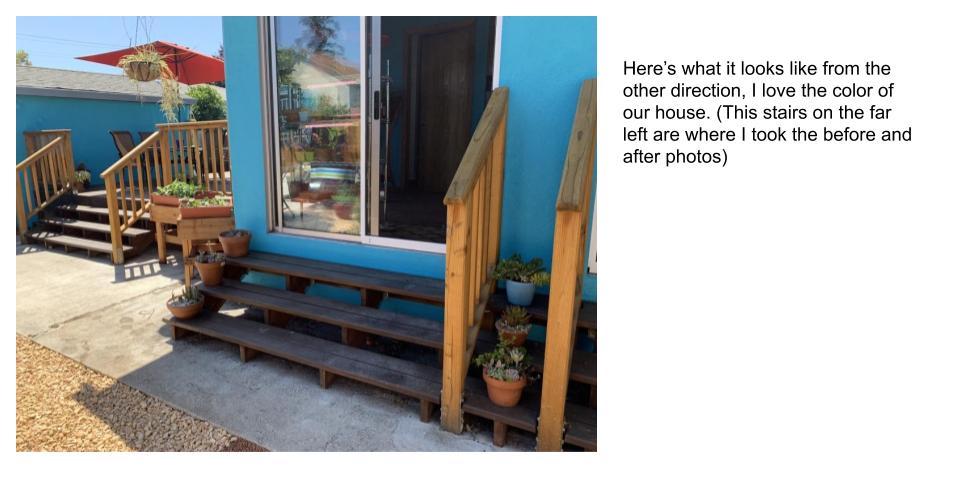
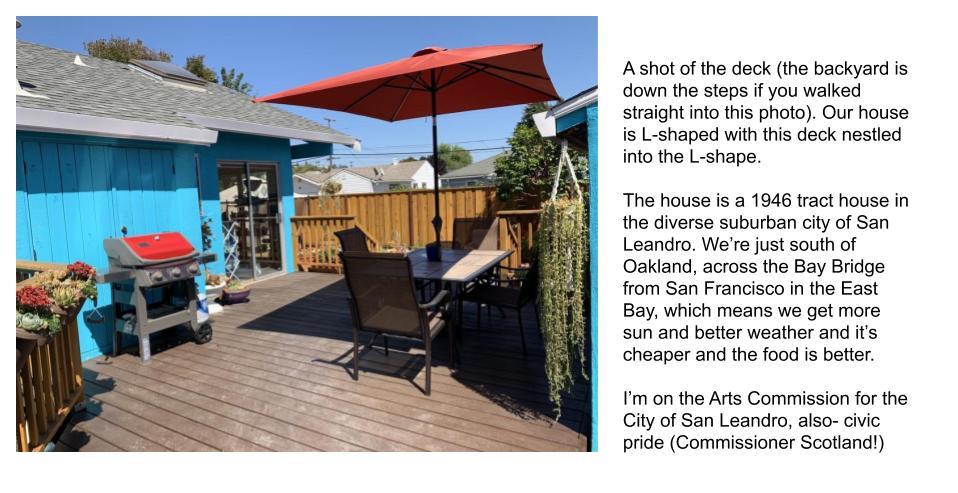
Celebrating the Joy of Succulents subscriber Brody Scotland says her lovely, low-cost succulent garden "was a three-year project, since we couldn’t throw a pile of money at it all at once." She describes herself and husband Ben as "artists and weirdos" who love bright colors and outdoor woodworking projects. Their vivid blue house "looks amazing as a backdrop for succulents," Brody says. The location is San Leandro (Zone 10b), across the Bay from San Francisco.

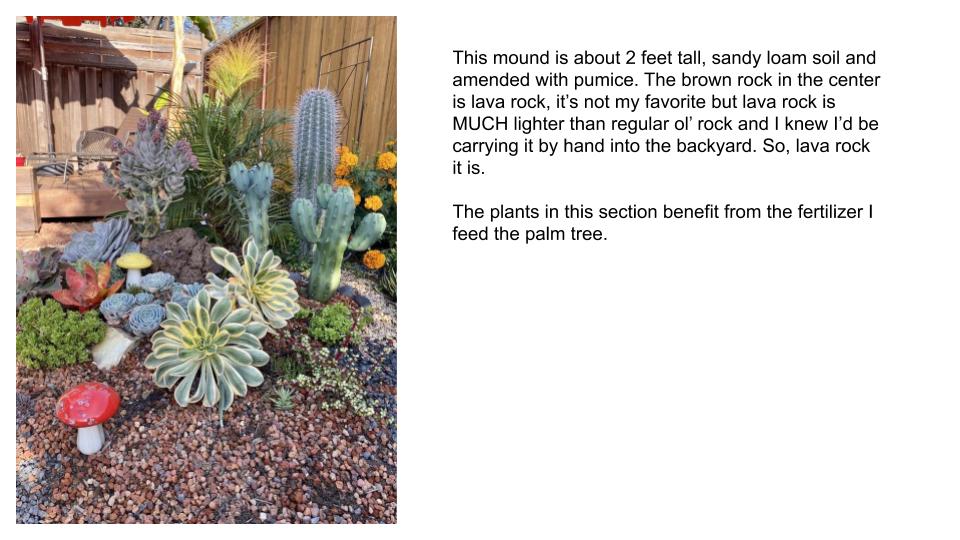
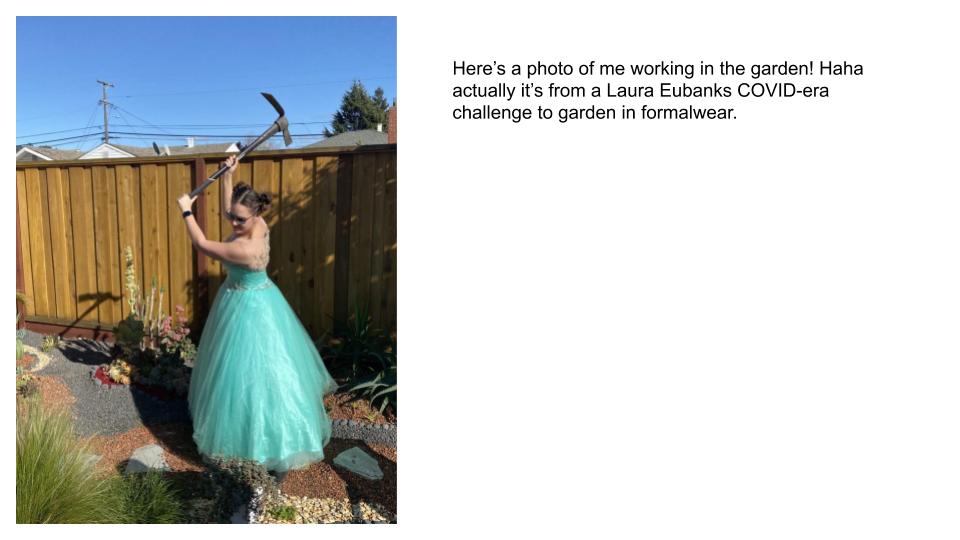
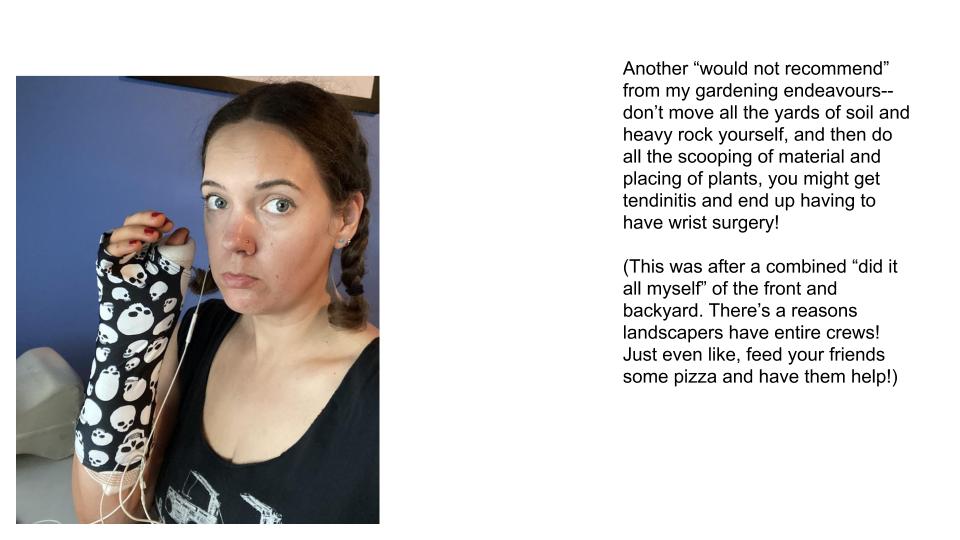
Brody works full-time in the art department of Burning Man, a famed annual arts event. "And when I’m not doing that, I’m a photographer, a linocut artist, and whatever other crafts strike my fancy." Inspired by succulent garden designer Laura Eubanks, Brody "cut down a few small trees, wheelbarrowed in the soil, made the mounds, planted the plants, placed the bigger rocks, and top-dressed everything with smaller rock. I didn’t even let my husband help, so I could say I did it all myself."

Why Share Her Garden?

"I want other folks to see it’s possible to have a small suburban backyard garden on a budget," Brody says. "We have enough disposable income to have a garden, mind you---it’s a huge privilege to have a home, much less the money and free time to have a garden. But relatively speaking, I did this project on pretty much the bare minimum that one could do a project like this. It took way longer and was probably more of a pain in the behind. It’s fun though, to see where you can get creative without throwing money at problems."

It's also fun, she says, to talk about her garden and "invite people in digitally, now that I can’t have everybody over due to the pandemic."

Why did she contact yours truly? "I appreciate you so much and all the effort you take to educate those of us out here." (Aw.)

Come On In!

These photos and captions (all by Brody herself) take you on a virtual tour of her 900-square-foot back yard. Later on, you'll learn more of her money-saving tips for a lovely, low-cost succulent garden.


A Rock Named Hannah

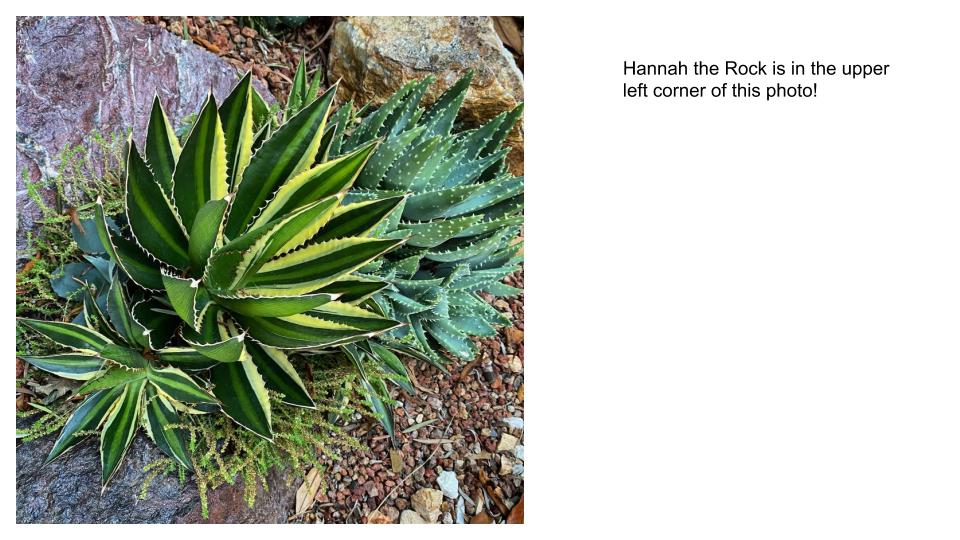
Brody learned about succulent garden design, preparation and planting here on my website and in Laura Eubanks' videos. "She’s always been so kind and engaging," Brody says of Laura. "I went up to one of her classes at Mountain Crest Gardens and met her and daughter Hannah. I actually have a rock in my front yard named Hannah, because she gave it to me. It was an extra from the installation they did up there. It’s purple. Hannah knows she has a rock named after her, ha-ha."

Succulent Garden on a Budget

Brody offers these additional budget-minded ideas:

-- "I had sandy loam soil delivered in bulk from the rock yard and then moved it to the backyard. I bought a wheelbarrow, moved the soil to the backyard over the course of a weekend, and then sold the wheelbarrow on Craigslist for $25 less than I bought it for. Cheaper than renting and the new owner came and picked it up."

-- "The red and black 3/8” lava rock I brought home in 50 pound bags, little by little, as I was completing sections of the backyard. It was such a small area that, even though it was twice as much to buy it in bags, I saved the $80 delivery fee and having a giant pile of rock in my driveway. Since I was going to have to move it to the backyard anyway, and I was doing this in my spare time, I just got it in bags and hauled them back one by one and spread them out. I also add a handful of pumice into each planting hole, to increase drainage."

-- "I found succulents at plant exchanges, on street corners, by asking neighbors for cuttings, in the Free section of Craigslist and Facebook Marketplace, from friends moving out of town, fellow succulent enthusiasts online, and at the farmer’s market. I collected them over the course of many months before putting them all into the ground."

--"I also propagate plants from leaves and grow my own succulents from seeds, though this is more a hobby pursuit and a long game than an actual, useful, succulent-increase strategy."

--"My garden is hand-watered, no irrigation. I couldn’t afford irrigation, and it’s soothing to be out there in the warm months with a garden hose first thing in the morning. On a good year we get enough rain in the winter to avoid having to water much."

Find and Follow Brody Scotland

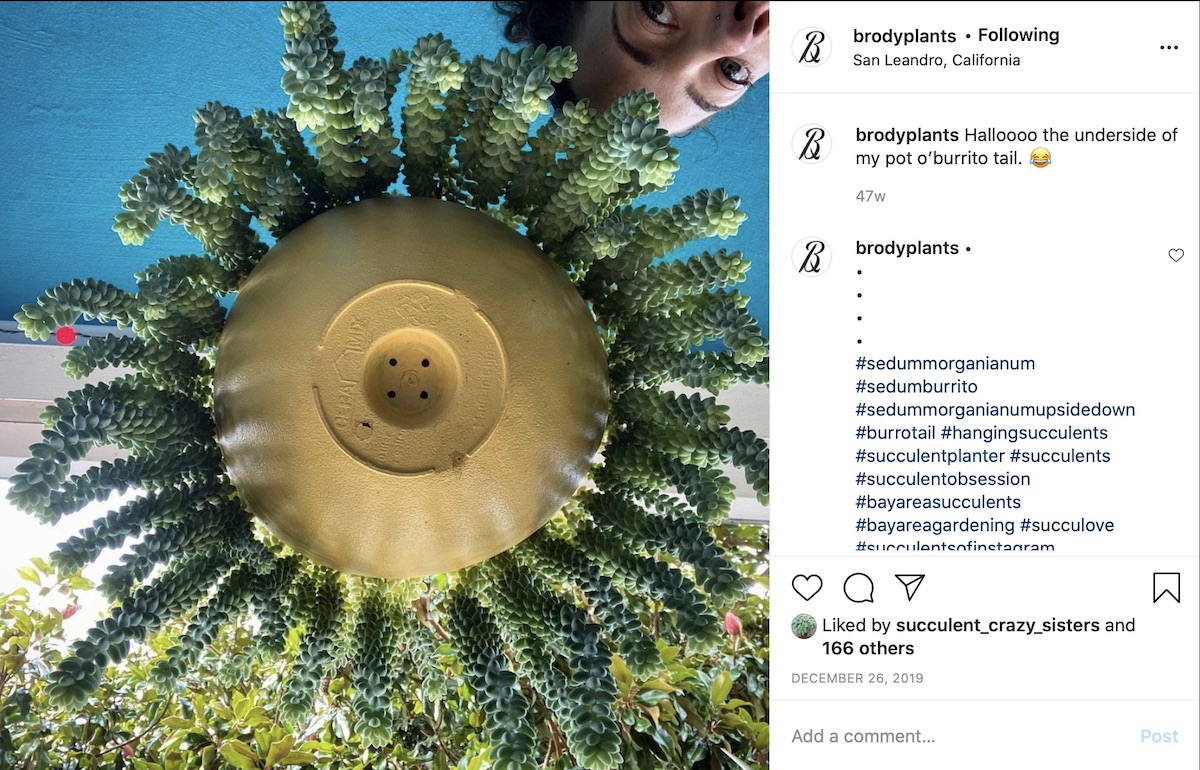
Debra: I screen-captured a dozen photos from Brody's Instagram page to show you, then realized this article was already too long. Besides, I know you'll enjoy going there and seeing her posts yourself. When you do, be sure to thank Brody for the virtual tour and great tips.

Want to share your garden with us? Please go to the Contact Debra page.


The post Brody’s Lovely, Low-Cost Succulent Garden appeared first on Debra Lee Baldwin. Copyright © Debra Lee Baldwin.


from Debra Lee Baldwin https://ift.tt/3q6SwwD
via IFTTT
lunes, 16 de noviembre de 2020

Succulent Lovers’ Favorite Tools Amazing tips

Do you own the favorite tools of your fellow succulent lovers? Consider: We differ from other gardeners in that our prized plants can turn on us. Cacti, agaves, euphorbias and even aloes can act like dogs who resent having their nails trimmed. (I don't know about yours, but my Chihuahua is a two-person job.)

Being shredded is unpleasant, so I asked my "Celebrating the Joy of Succulents" newsletter subscribers to suggest tools they wouldn't be without. Dale's (below) is new to me, and I'll order it. Most are under $10. All make great gifts for us prickly-plant aficionados. Links are affiliate. 

Don't see your own favorite tool? Tell us about it in the Comments!

To join (and enjoy) the "Celebrating the Joys of Succulents" community,  subscribe to my newsletter.

I asked, you kindly answered

"What garden tools would you not be without?"

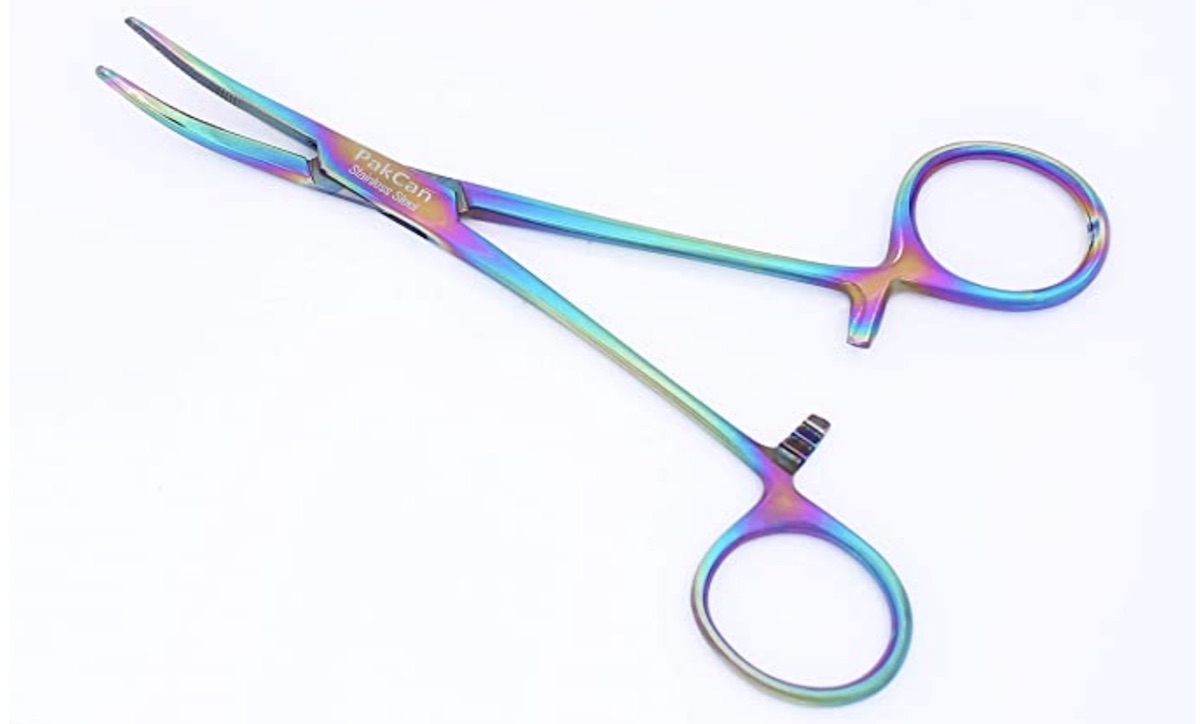
Forceps (hemostats)

Hemostats

Hemostats (forceps)

Jean Sadler: "I would be lost without my hemostats. I have a small and large pair. They are great for picking out leaves and debris from prickly succulents and cactus without getting those pesky thorns in my hands. I found mine at a home show at our fairgrounds. It was a booth that sells all kinds of medical tools, scissors, magnifiers, and such."
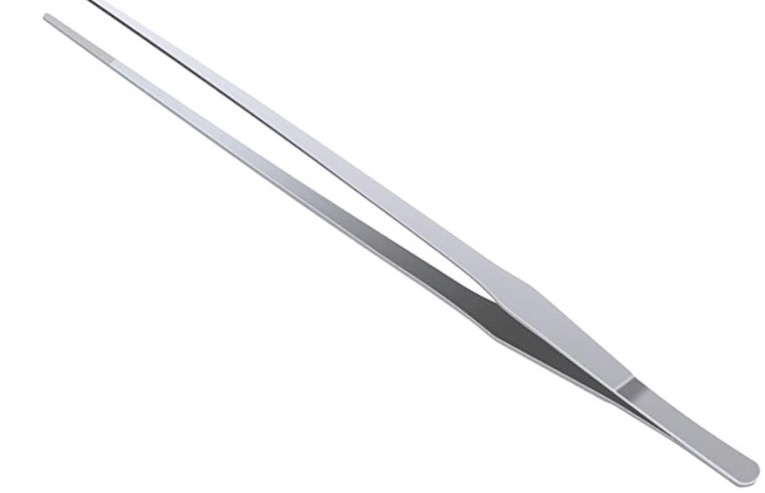
15-inch tweezers

15-inch tweezers

15-inch tweezers

Tom Karwin: "The first tool I bring to a succulent grooming project is my 15-inch tweezers. I've been using mine recently to remove debris from small agaves and desiccated leaves from aloes. I also have a shorter tweezer but the longer one is more versatile and easy to use."

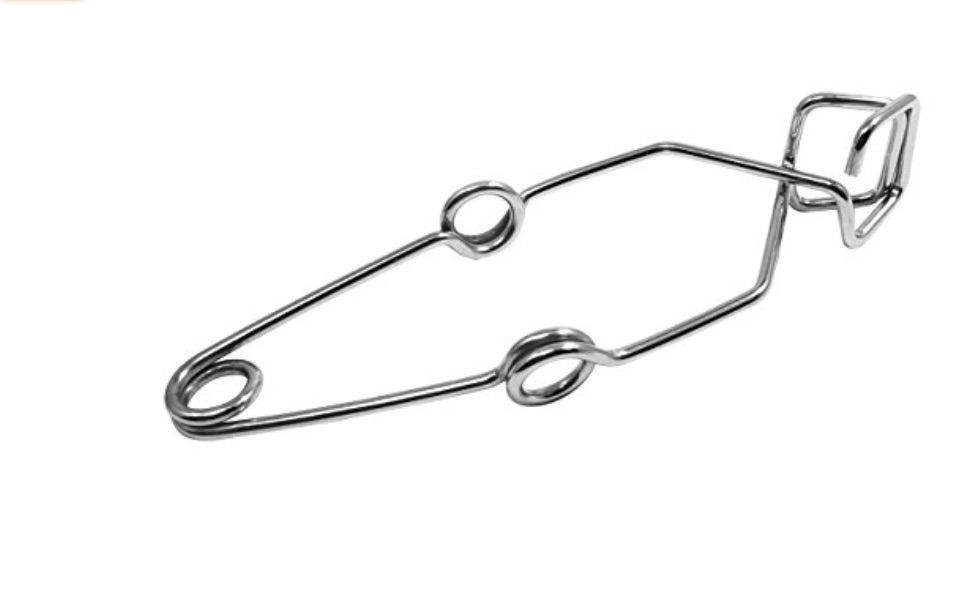
Test tube tongs

Dale Rekus: "I use test tube tongs for handling prickly pieces or plants and cacti. Tongs grasp the object when you release the pressure, the opposite of usual kitchen tongs. Very nice, no cramps from squeezing the handles the whole time you're holding an item in the tongs.

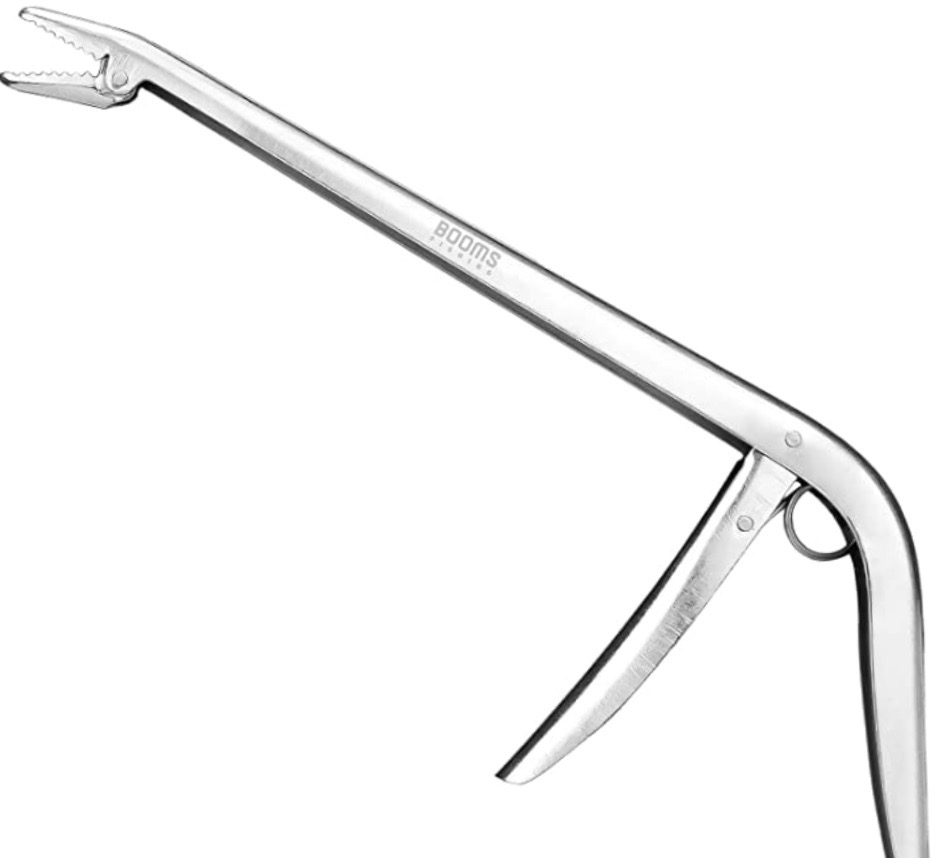
Fish hook extractor

Fish hook extractor

Fish hook remover

Diane Bonner: "My favorite cactus tool is a fish hook remover for pulling out weeds from under stickery cactus."

Soil knife

Soil knife

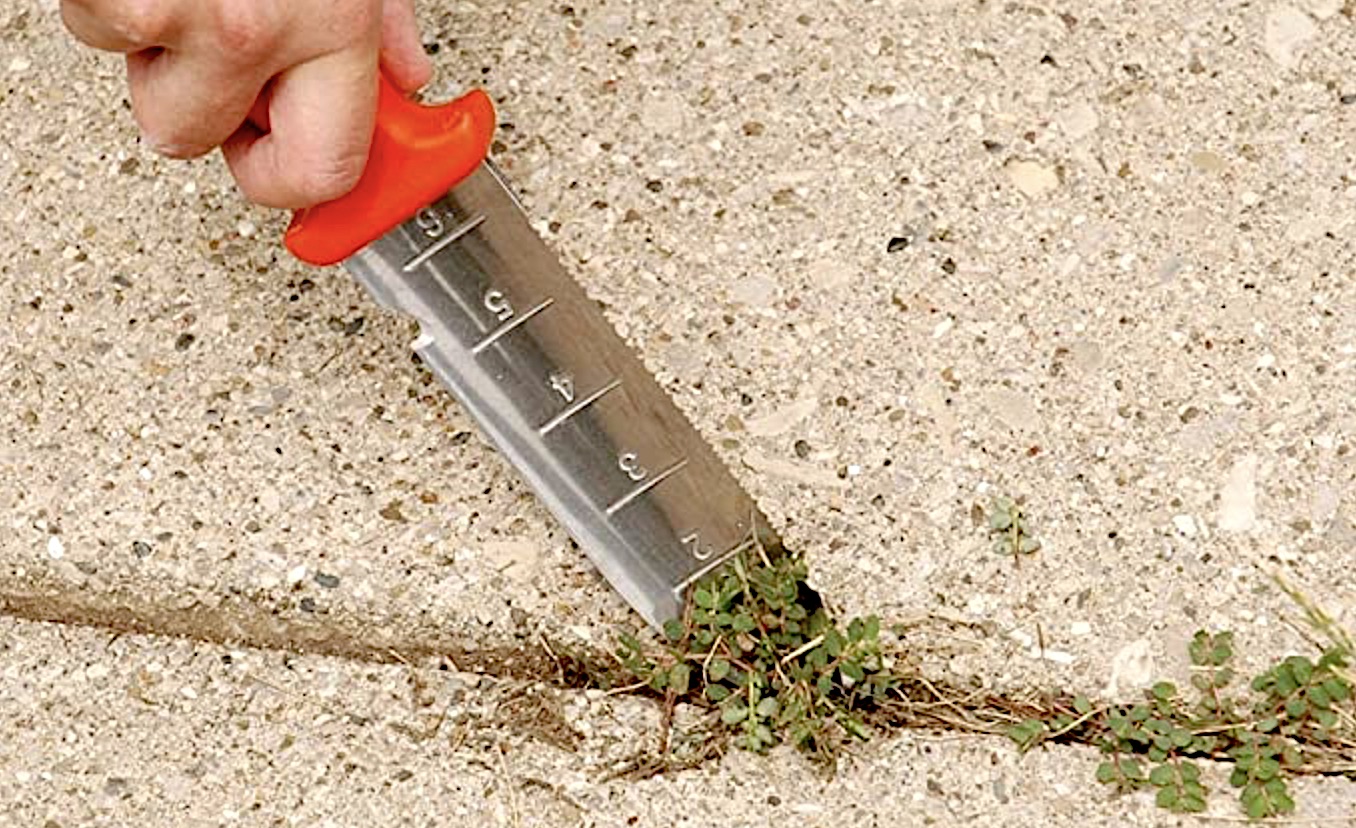
Soil knife ("hori-hori")

Sarah Lee Norman: "My favorite garden tool was a gift from Laura Balaoro...a soil knife."

Barb Graue: “My hori hori Japanese gardening knife.”

Chopsticks

Cassie Smith: "I have a set of smooth wooden chop sticks that I use with almost every planting endeavor. I would be lost without 'em."

Which reminds me: During a potting demo at Roger’s Gardens, I asked my helper to get my chopsticks. I watched her dig around in my tote bag and thought I'd forgotten to bring them. Then she said, “Debra, I’m so sorry, there’s no Chapstick.” 

My own favorites


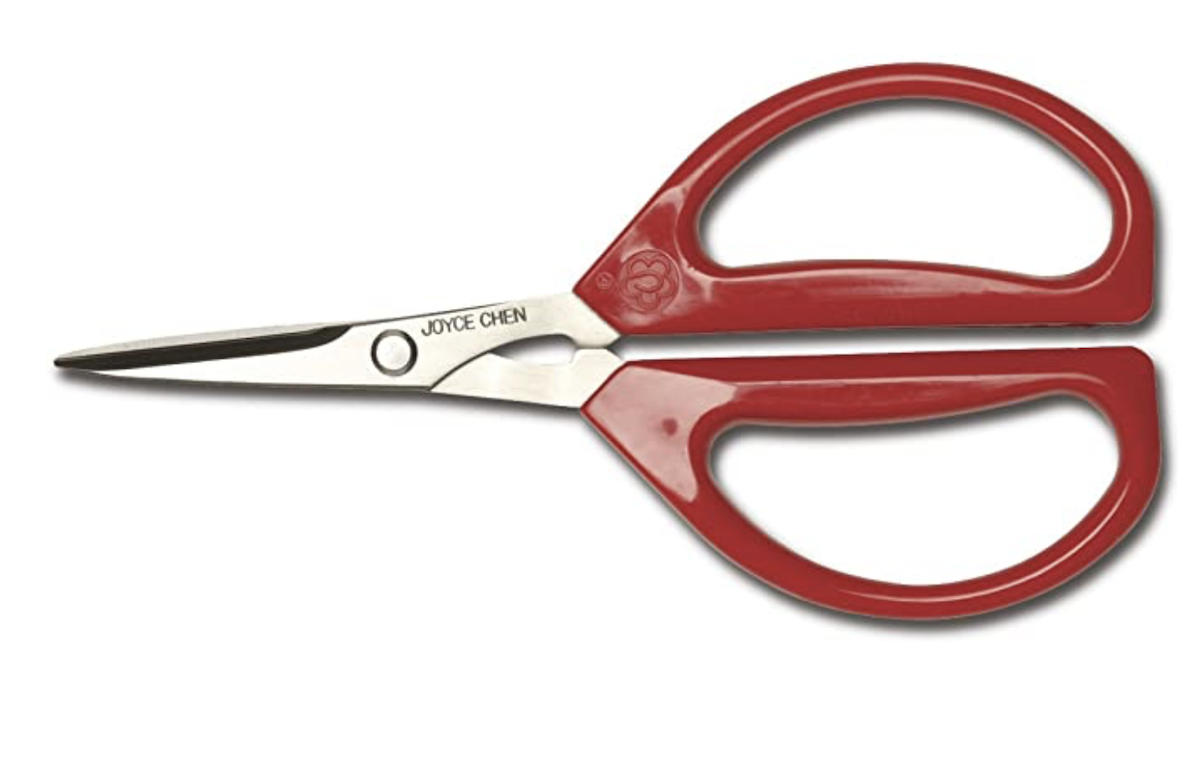
Joyce Chen scissors. Although designed for kitchen use (like cutting through bones), my Joyce Chens are my favorite garden tool. They're perfect for light pruning and taking cuttings, yet are strong and sharp enough to tackle small branches.

See More on My Tools Page

Find more useful items, books, weed and pest preventers, fertilizers, and must-haves that I use for my own garden at Tools & Must-Haves for Succulent Gardeners.

Tools, Books and Products for Succulent Gardeners

Tools & Must-Haves for Succulent Gardeners My personal favorites Click on the links below to jump directly to that section, or scroll down to take a look at everything. Pest & Weed Prevention and Treatment Garden Tools Fertilizer Power Tools (Drill) Sun and Frost Protection Books Other Useful Items Pest & Weed Prevention and Treatment…

The post Succulent Lovers’ Favorite Tools appeared first on Debra Lee Baldwin. Copyright © Debra Lee Baldwin.


from Debra Lee Baldwin https://ift.tt/38Quq30
via IFTTT
jueves, 29 de octubre de 2020

How to Group Potted Succulents Amazing tips

In my new video, How to Group and Display Potted Succulents (9:48), I show you practical as well as aesthetic ways to display a container collection. Find the main points below.

But first, why even grow succulents in pots?

Art pot collection

Part of my own collection of succulents in art pots

Ten reasons to grow succulents in containers

  1. Who can resist a great pot? Personally, I collect art pots, Talavera, frogs...
  2. Pots are great for succulents that, in the garden, might get engulfed or trampled.
  3. Containers make it easier to observe and nurture prize plants.
  4. Cacti and small agaves are fascinating to look at when safely framed by pots.
  5. Pots make it possible to pick up and carry prized succulents.
  6. You can move plants that can't handle summer sun but need more sun in winter (like echeverias).
  7. If you change residences, you can take your collection with you.
  8. Pots make a balcony, rooftop, deck, patio or hardscape a garden.
  9. You can tend your collection without having to bend or kneel.
  10. Family and guests enjoy looking at them.

There are probably many more (please share yours in the Comments).

The Drawback

Pots multiply. Soon you're tucking containers everywhere. Plant parents---the nurturing kind (you know who)---tend to be more concerned about where succulents will thrive than where they'll look good. But it IS possible to achieve both. In my How to Group and Display Potted Succulents video, I present three main concepts to guide and inspire you.

#1: Go High

Pots on tree

If you're going to nail pots to a tree, don't use copper or anything that rusts. (I used stainless steel.) Pots by Marsha Rafter.

Vertical space is easy to overlook, but when floor space is limited, it's a great option for displaying potted plants.

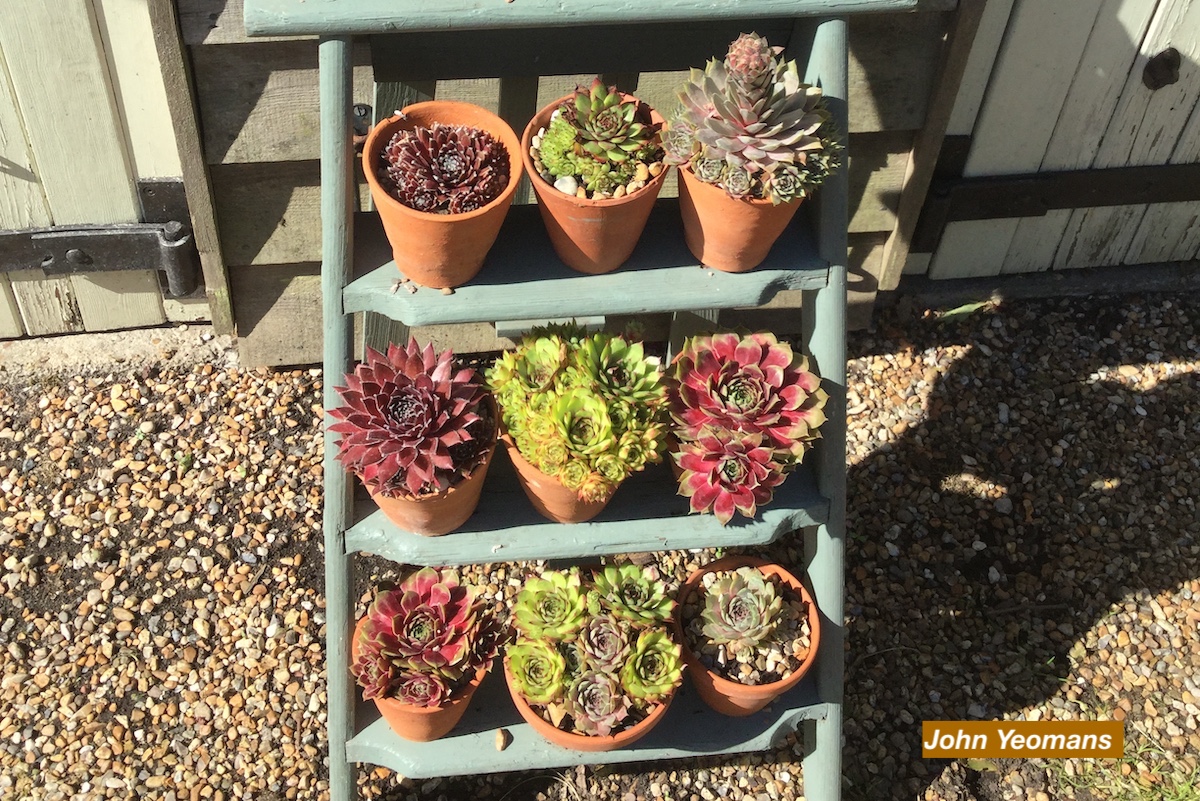
Below: I love this idea by newsletter subscriber John Yeomans of Kent, England. To display his sempervivum collection, John added screws to a small stepladder's wooden steps. He kept the screws elevated so they secure the pots through their drain holes. "I can move the whole thing as a unit," John says.

Sempervivums on stepladder

#2: Group Like with Like

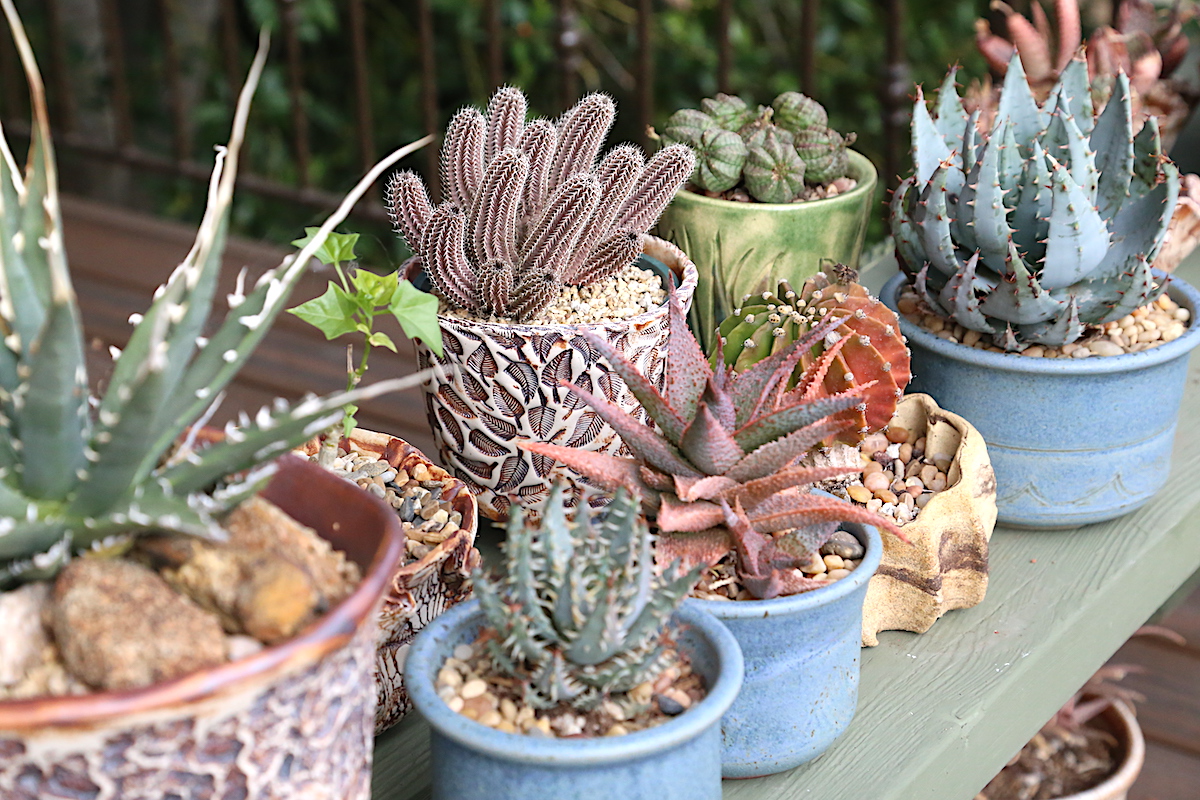
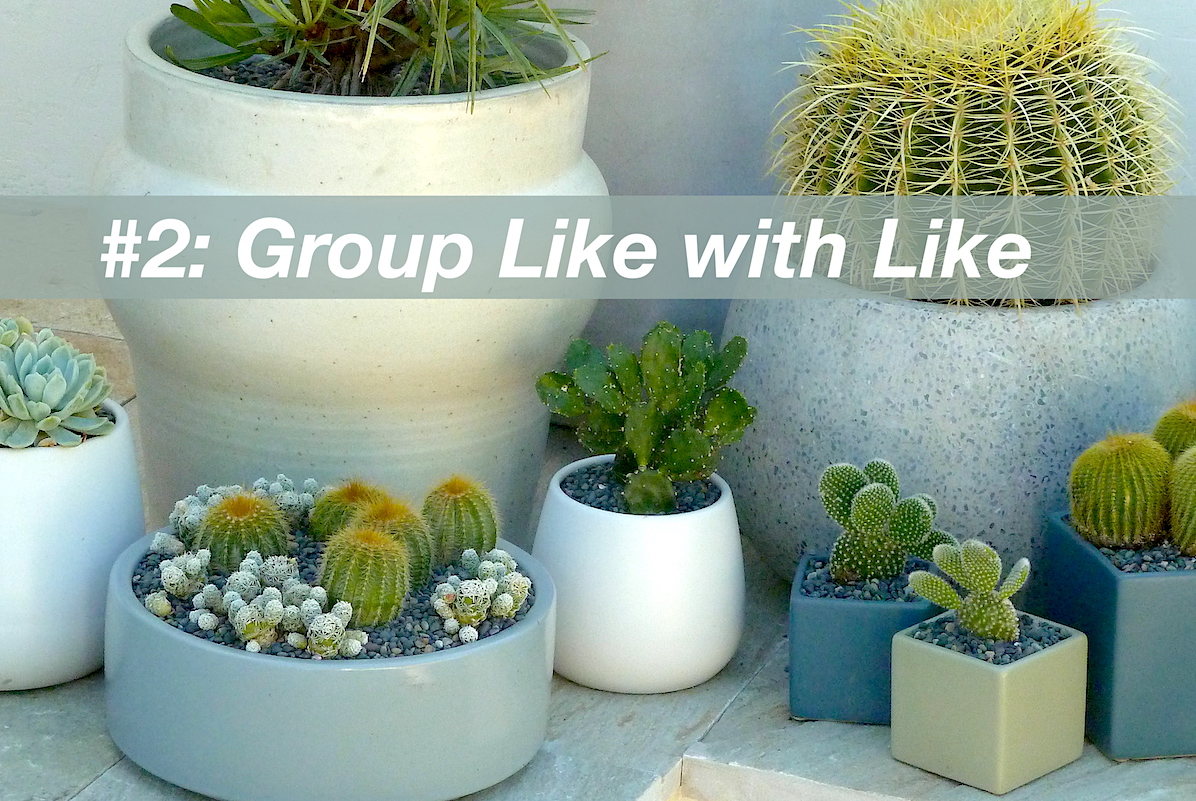
Repetition adds cohesion to an assortment and makes it more pleasing to the eye. In How to Group and Display Potted Succulents, I show you windowsill succulents, a poolside succulent garden, and many others.

Repetition in a pot grouping

Repetitions here include the type of succulent (mostly cacti), a limited palette of glazes, and---importantly---the topdressing.

#3: Create a Display

One secret to an effective display is to have larger, taller plants in the middle or in back, surrounded by medium-sized and lastly smallest pots.

Create a succulent container display

A grouping of colorful potted succulents serves as a focal point on Jim Gardner's patio.


Succulent Container Garden (c) Debra Lee Baldwin

Succulent Container Design

Succulent Container Design Design ideas and must-dos for beautiful, easy-care potted succulents Here you’ll find info on succulent container design in articles and videos. Scroll down to see what interests you and meets your needs. Also enjoy and find inspiration in my gallery of 150+ floral-style arrangements! Succulent Container Gardens, How-To Discover My Online Design…

Succulents in Containers

Succulents in Containers Design ideas and must-dos for beautiful, easy-care potted succulents Want to create a lovely, low-maintenance, low-water succulent container garden? This page guides you to helpful info on this site and on my YouTube channel. A must-have to help you select and pair pots and plants—and keep them looking good—is my my bestselling book, Succulent…

The post How to Group Potted Succulents appeared first on Debra Lee Baldwin. Copyright © Debra Lee Baldwin.


from Debra Lee Baldwin https://ift.tt/2HB3mtl
via IFTTT

martes, 20 de octubre de 2020

How to Plant Succulents to Ensure They Thrive Great Tips

If you've been wondering how to plant succulents to ensure they grow long and happy lives, this is the post for you! This step-by-step photo tutorial for planting newly purchased succulents will help give you a good foundation for next succulent garden! I'm so glad you're interested in learning how to properly plant succulents! [...]

The post How to Plant Succulents to Ensure They Thrive appeared first on Succulents and Sunshine. Written by Cassidy Tuttle.


from Succulents and Sunshine https://ift.tt/3dKa4IO
via IFTTT
lunes, 19 de octubre de 2020

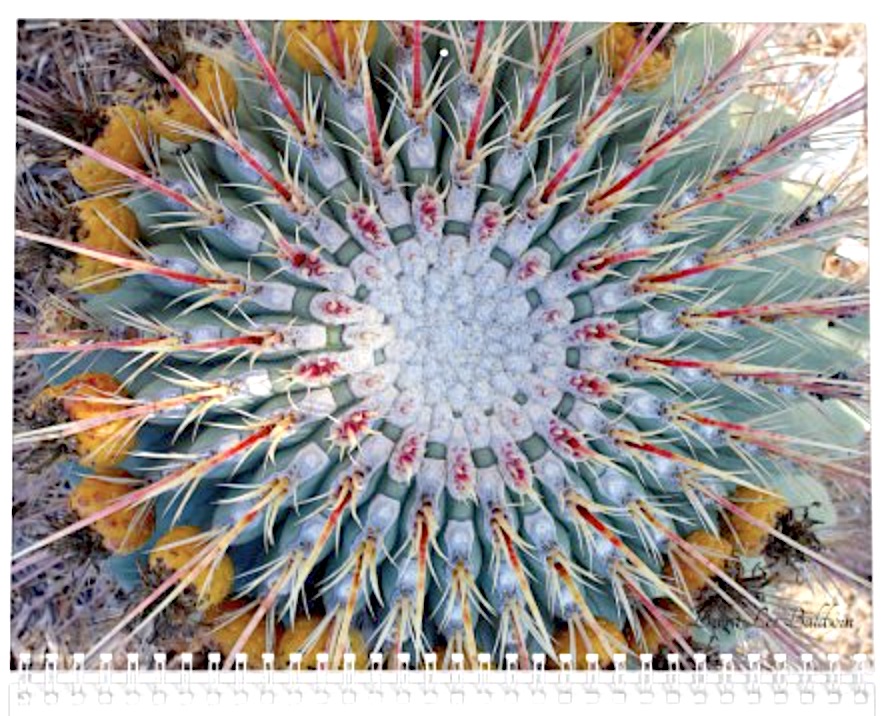
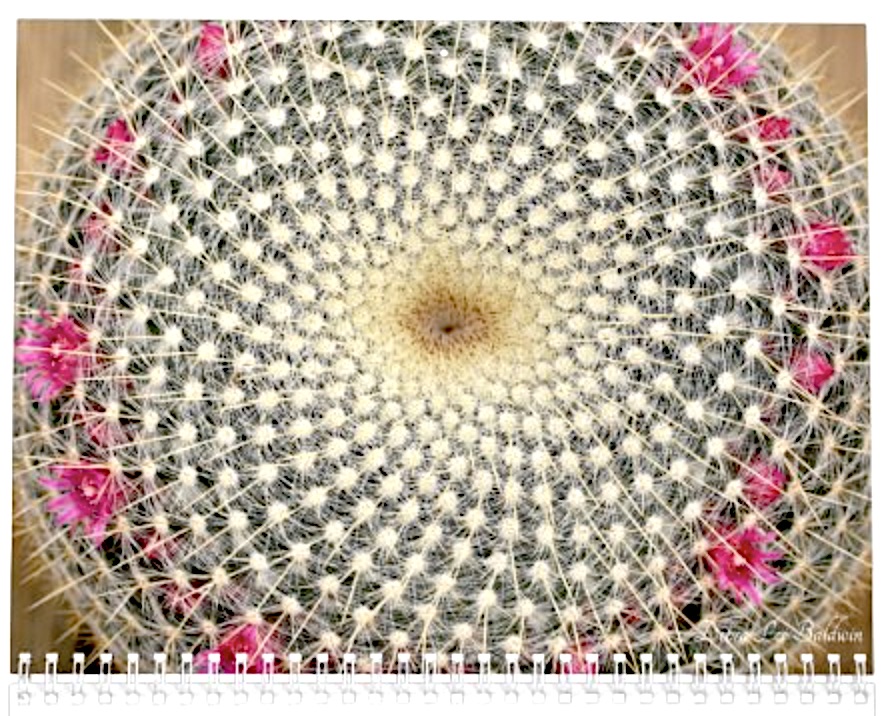
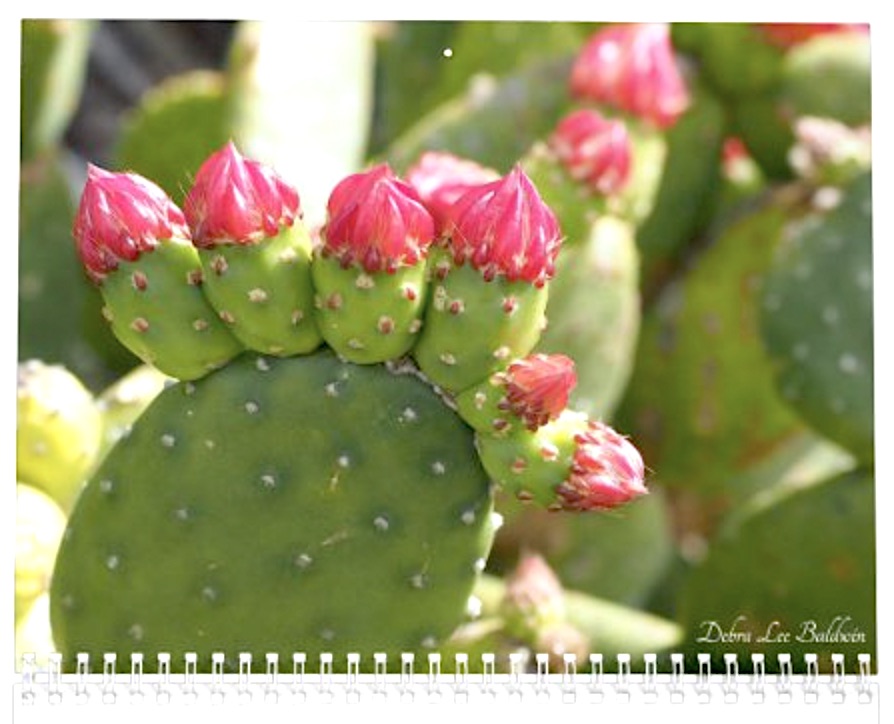
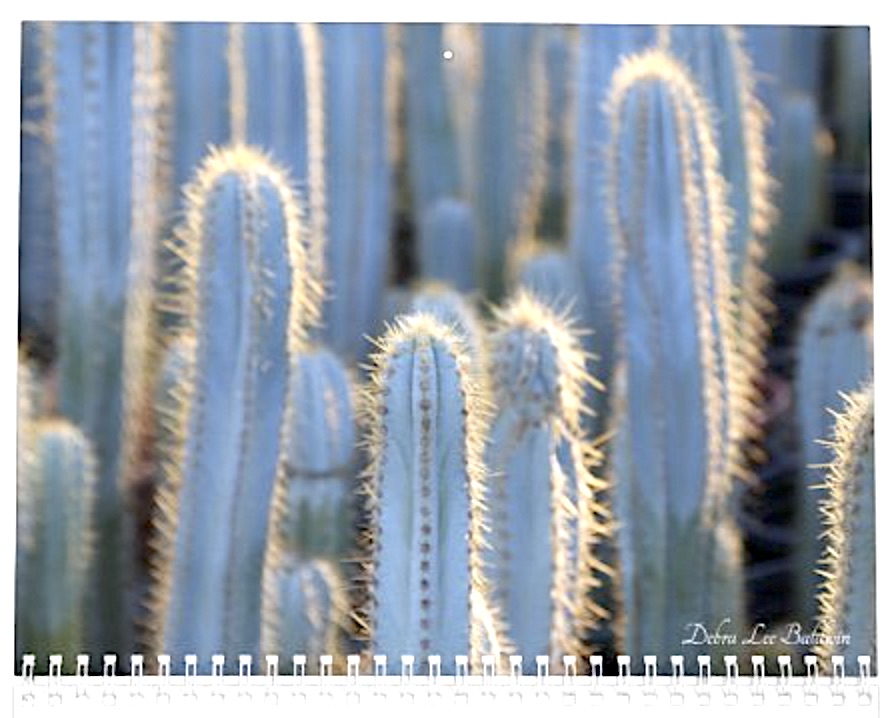
Two 2021 Calendars: Cactus and Succulents Amazing tips

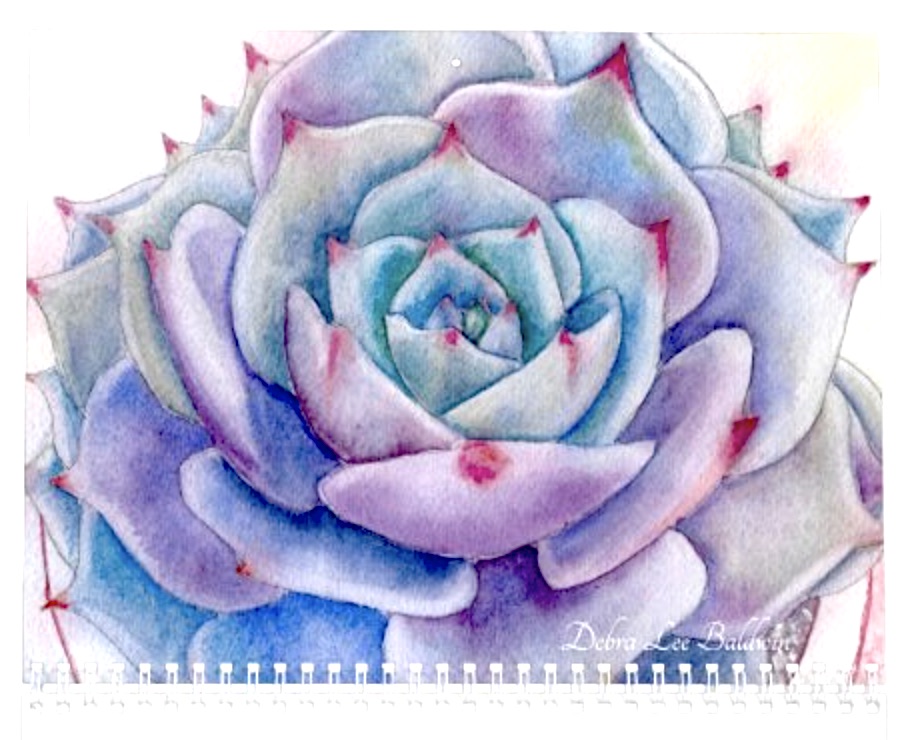
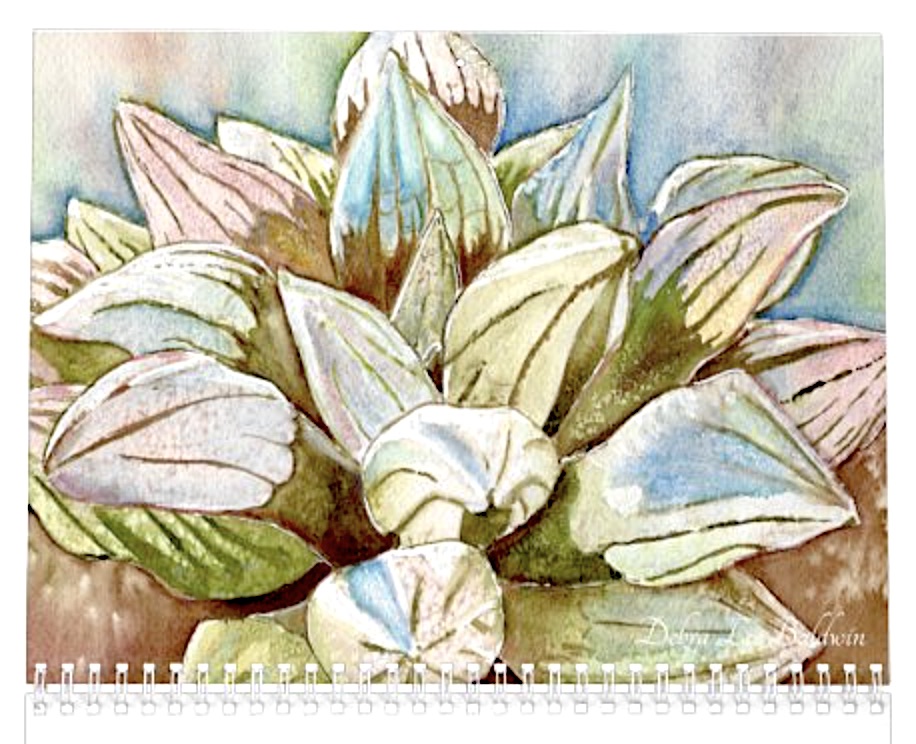
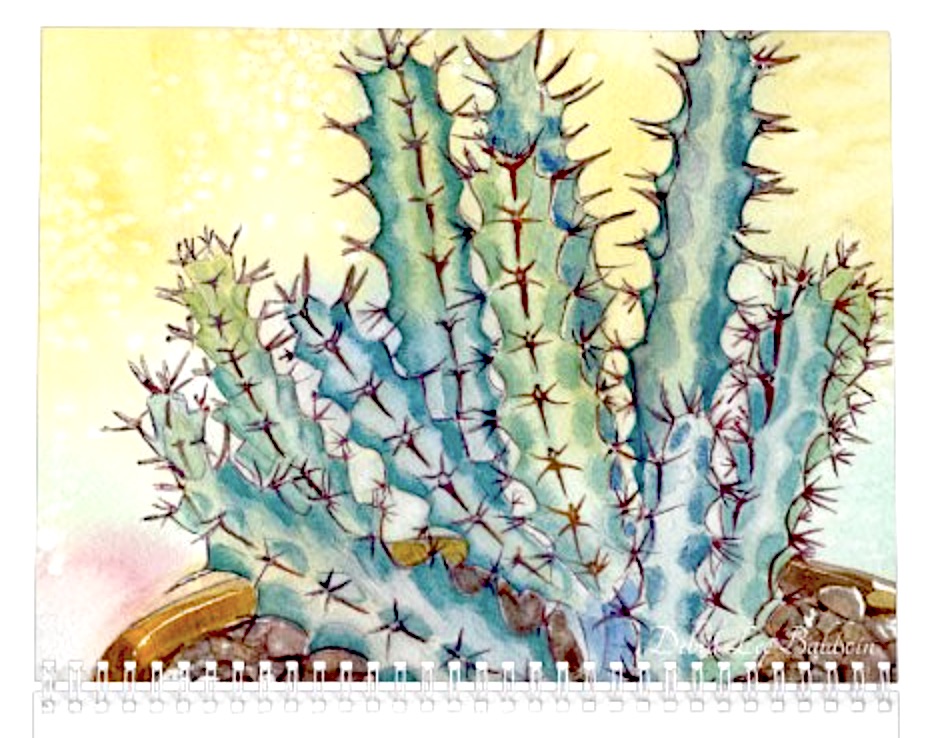
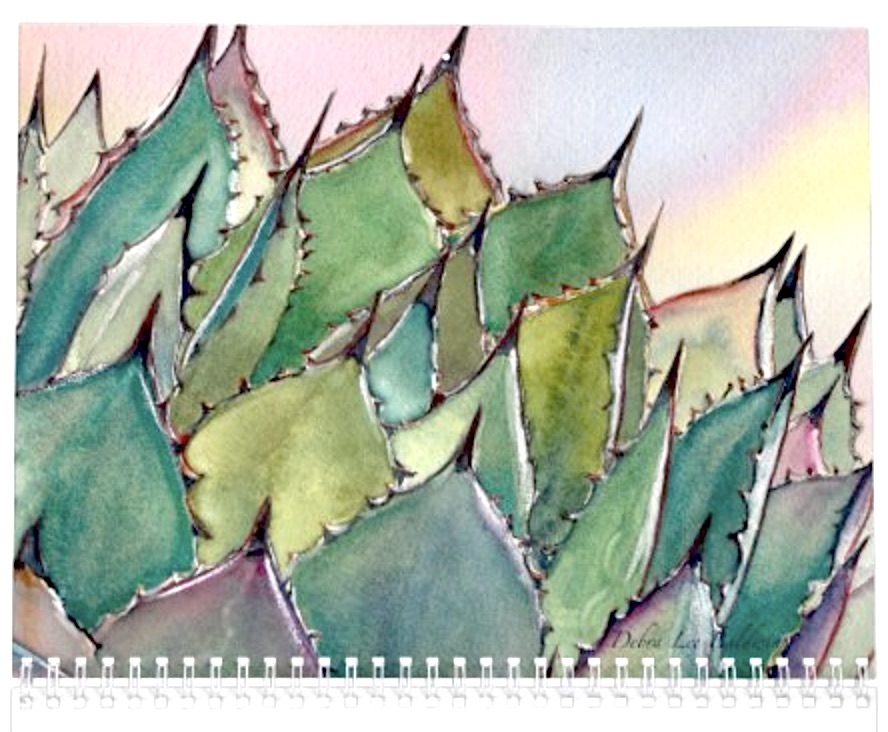
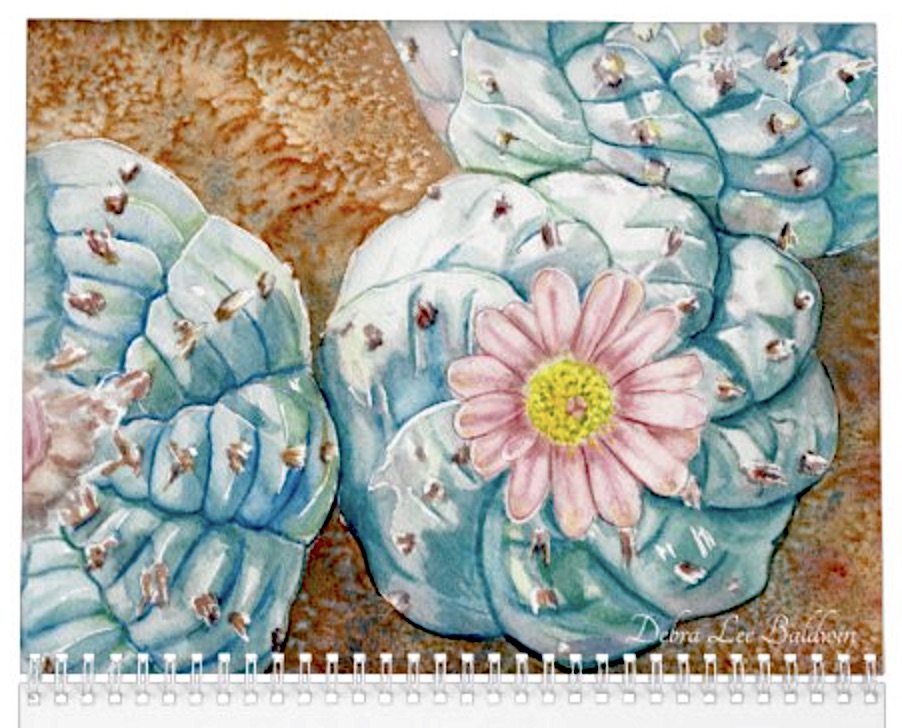
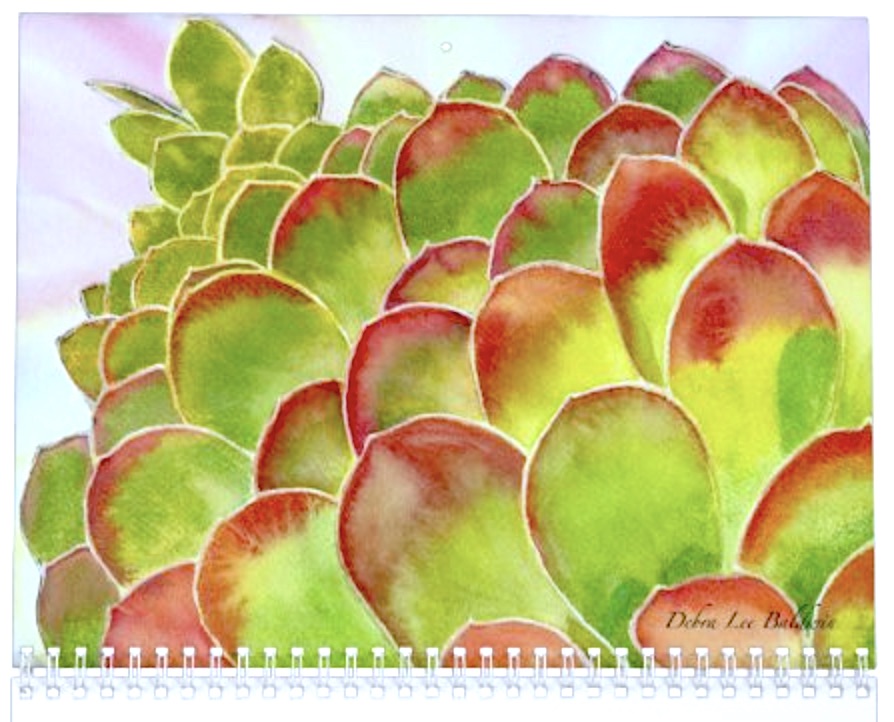
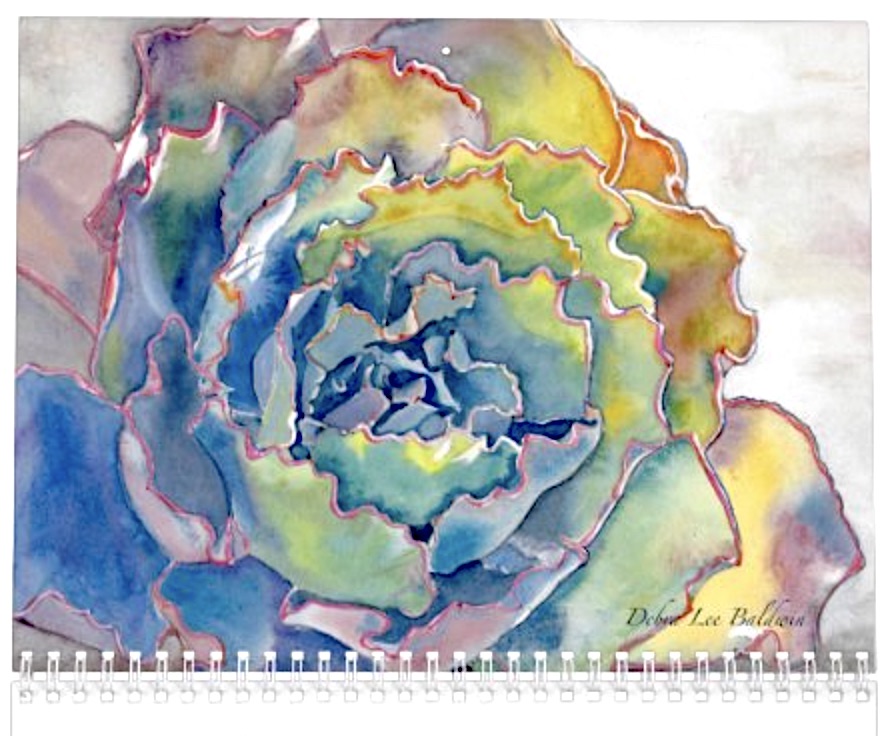
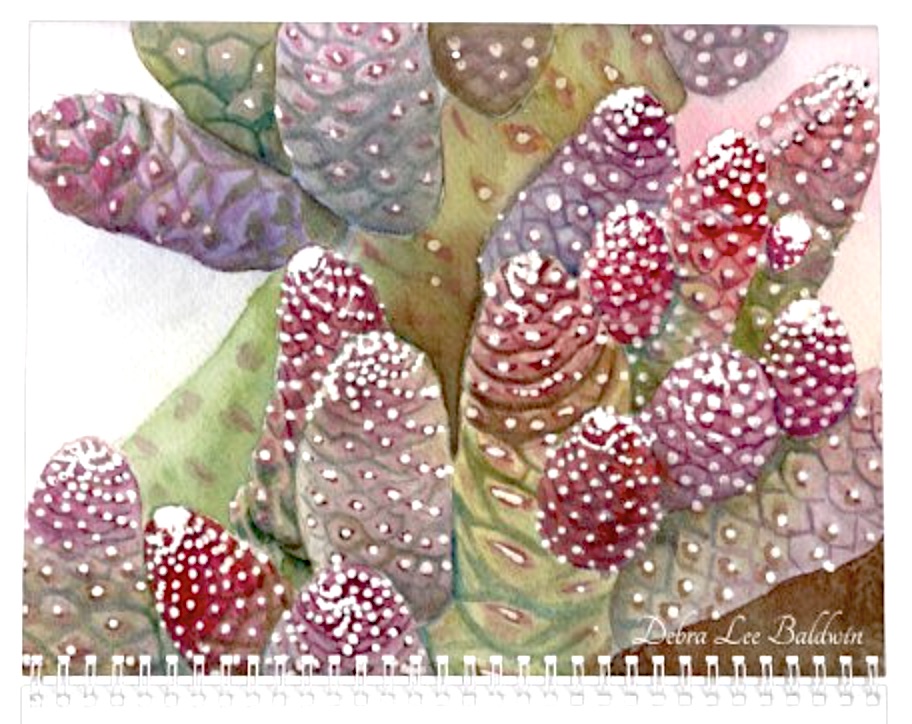
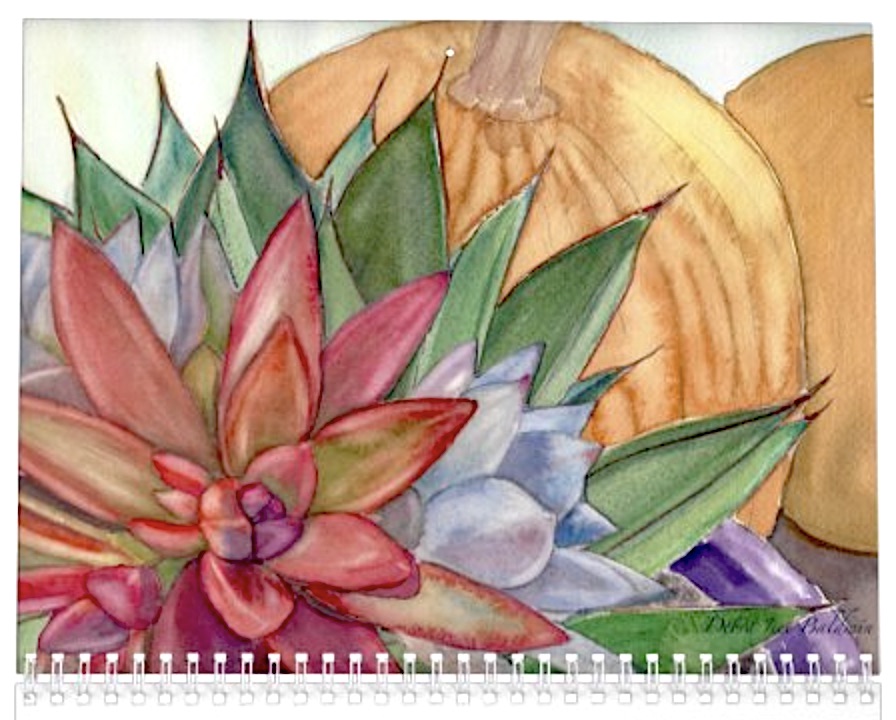
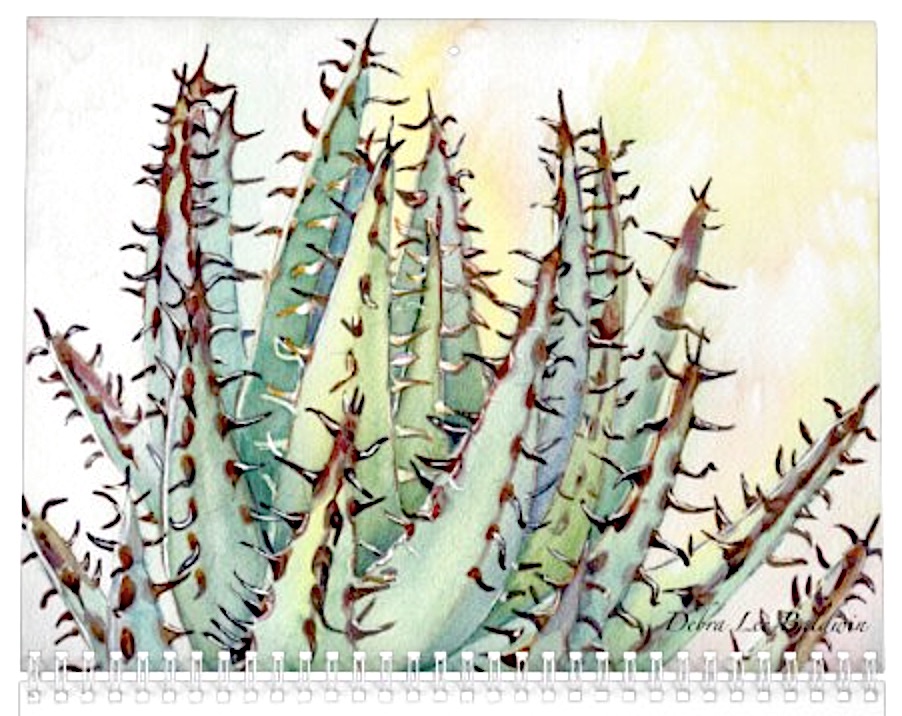
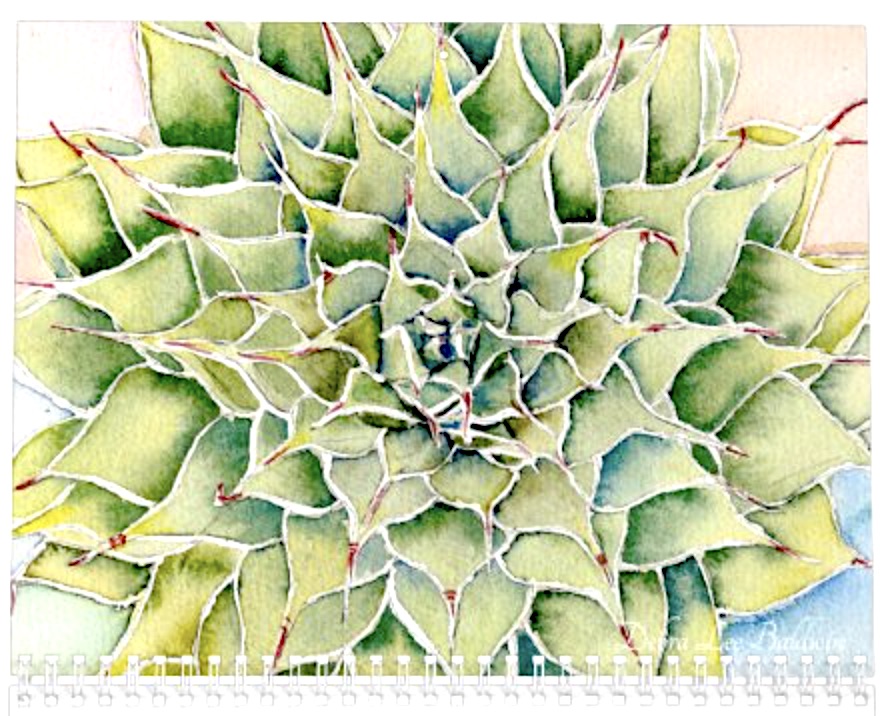
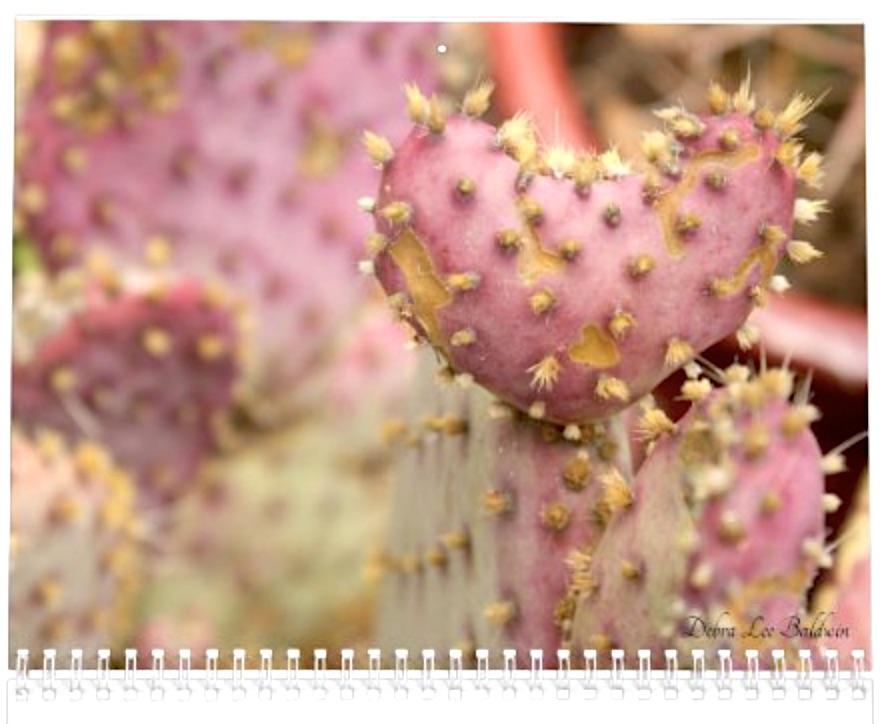
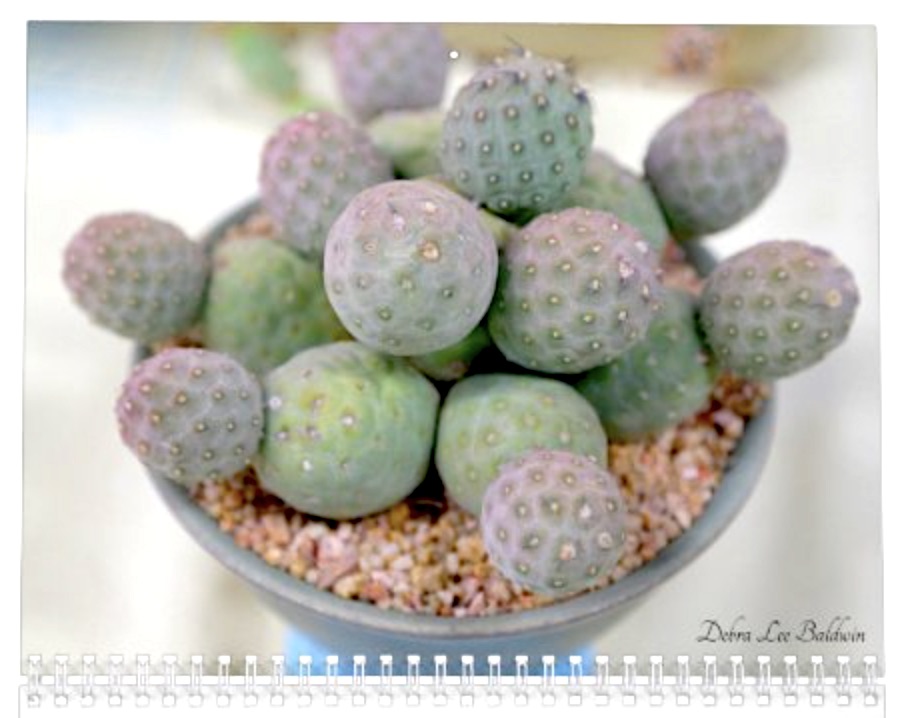
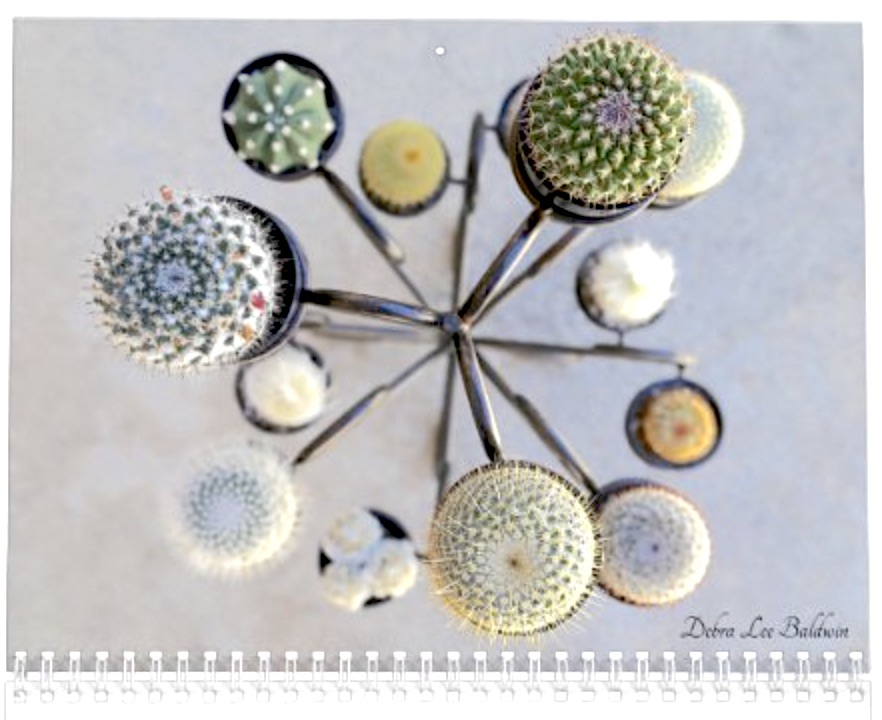
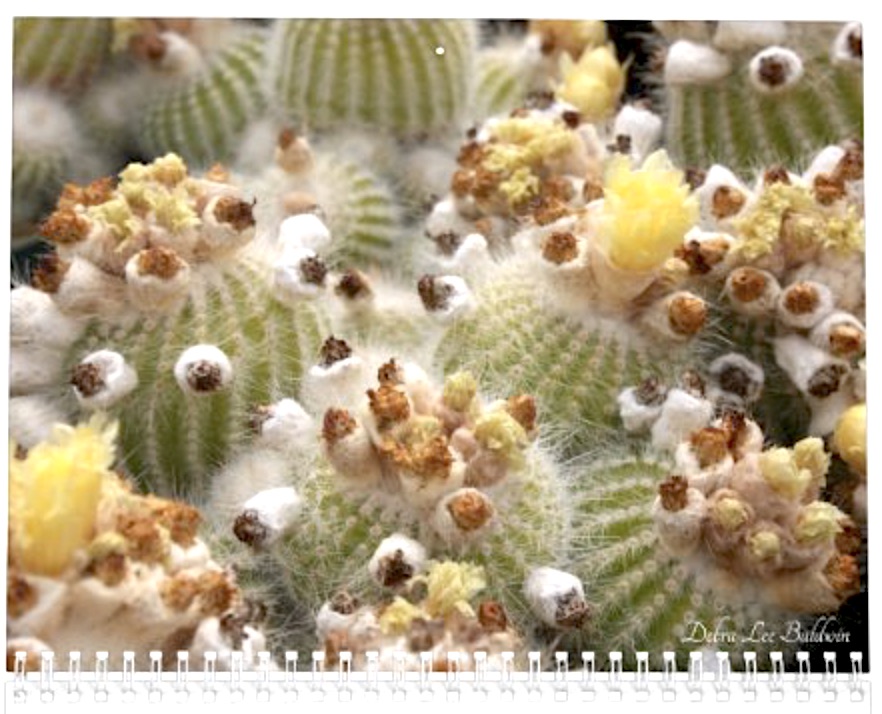
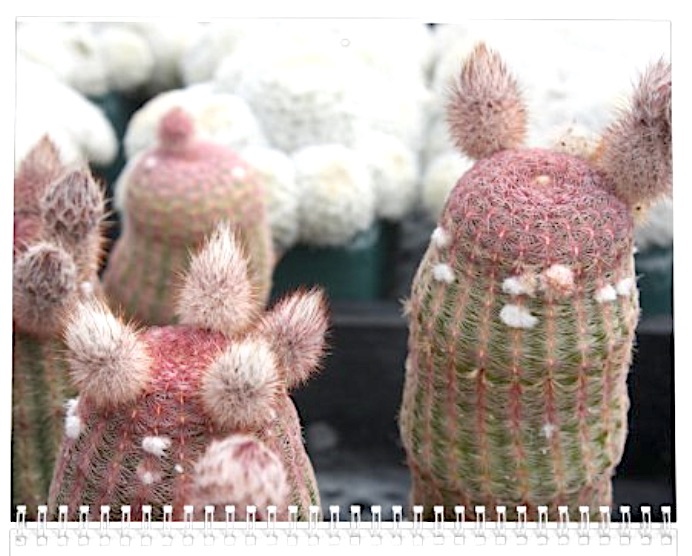
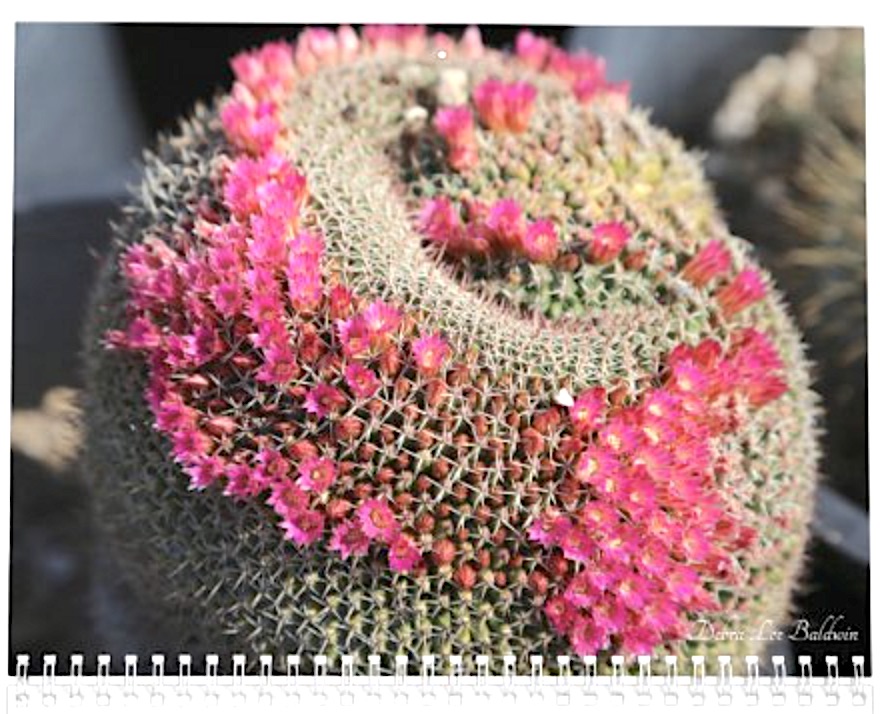
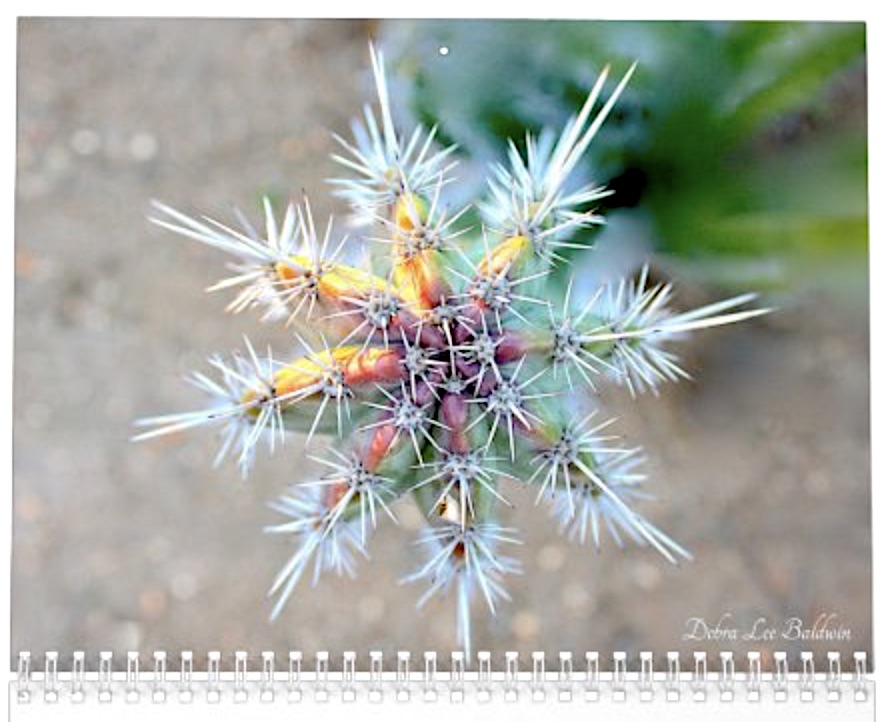
I've created two 2021 calendars. Each offers a year's worth of wall art. Here you'll find a bit of backstory, plus all 24 images and plant IDs. Enjoy!

Why Do I Do Calendars?

As a garden photojournalist and succulent book author, I have photos worth sharing for their beauty alone. So every year I'd pick the top 12 for a calendar. They became a handy way of thanking people I'd worked with, as well as PR for my brand. At Zazzle, an online fulfillment company, I upload images into a template and they do the rest. Zazzle keeps 90% of the sales price, so it's hardly a money-maker. But the quality is excellent, and they do have great sales.

Why watercolors?

I wanted to showcase the plants' beauty in a new way. Like photography, watercolor is all about light (it comes from the white of the paper). It's as much about what you don't paint as what you do. When I interviewed watercolor artist Diane Palley-McDonald for a San Diego Union-Tribune profile, I loved her work and later took her classes. I learned how to use a light table to trace a photo onto watercolor paper, mask the "whites," use and select colors, and create washes. And because I need deadlines to get things done, a calendar means I'll do at least 12 paintings a year.

Cactus Calendar cover

Cactus Calendar cover

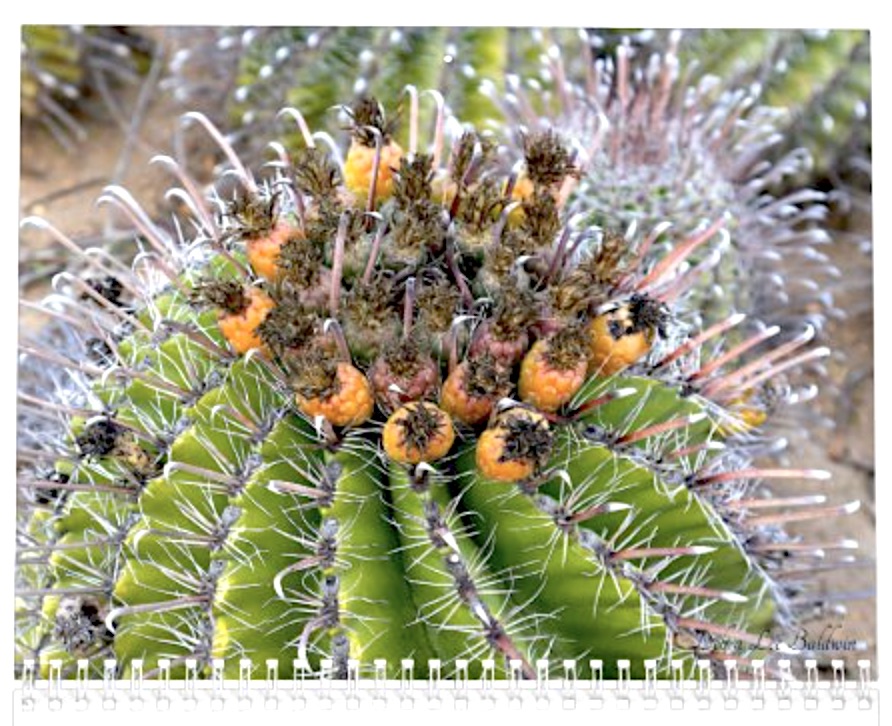
New for 2021: Cactus Photo Calendar

A painting takes two days, and if I'm not thrilled with the results, I doesn't make the cut.  Photos, however, need only brightening and cropping (if that), which take mere minutes. I have photos that show how astonishingly beautiful cactus can be.

My new Cactus Calendar is selling so well, I wonder if I should simply do photo calendars of succulents. But then, I might never pick up a brush. A bonus is that painting allows hours of inspirational listening. (A current favorite is a New York pastor known as a modern-day C.S. Lewis: Tim Keller.)

Have you, too, found unexpected benefits to staying home? Started a hobby? Have book or podcast recommendations? Share in the comments!

2021 Calendar Images

The Easy Way to Paint Watercolors

Is there really an easy way to paint watercolors? Yes, if you go straight to painting and don’t spend time laboriously drawing the image first. I learned the technique described here from San Diego watercolor artist Diane Palley McDonald. Step by step: Select a photo that inspires you. Print the photo on 8-1/2 by 11 paper.…

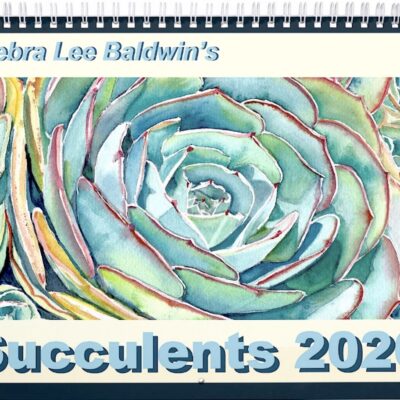
2020 Succulent Calendar

My Succulents 2020 Calendar

Every year I create a calendar so I have to do a dozen watercolors. Painting is a cherished hobby, but—maybe you can relate?—I need a deadline to do it. In August, I hadn’t picked up a brush for nearly a year and had lots to relearn.

The post Two 2021 Calendars: Cactus and Succulents appeared first on Debra Lee Baldwin. Copyright © Debra Lee Baldwin.


from Debra Lee Baldwin https://ift.tt/35h1nBV
via IFTTT